


Village Scene Watercolour
Village scene watercolour works capture rural community life on paper through transparent pigment, offering a tangible window into past localities.
Village Scene Watercolour
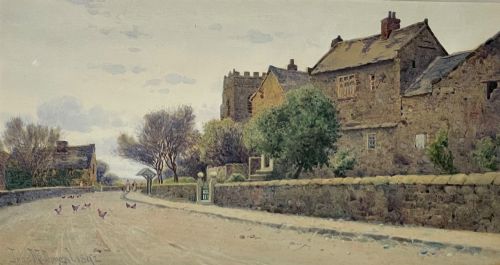
A village scene watercolour depicts rural settlements, country streets, and coastal communities through works on paper. These paintings record local topography and everyday community life across various periods.
The pieces on this page span from the late nineteenth century through to the mid-twentieth century. Works range from Victorian topographical views to mid-century British and French compositions.
Represented locations extend from English West Country villages and Yorkshire hamlets to Scottish coastal spots and continental European rural settlements.
Materials and Technique
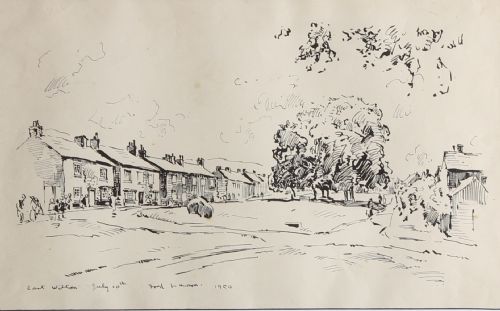
Watercolour pigment applied to paper forms the primary foundation of these works. Artists frequently combined watercolour with ink, gouache, or bodycolour to build opacity and define structural details.
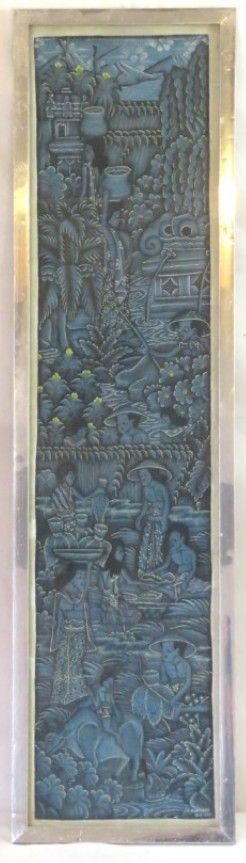
Support materials primarily consist of paper, though archival records include examples on fabric. Framing under glass protects the delicate pigment and paper supports from atmospheric moisture and handling damage.
Listings feature works executed on paper and fabric, incorporating ink, gouache, and watercolour pigment across Victorian, Edwardian, and mid-century periods.
Distinctions in Quality
Technical execution separates works, specifically the painter's brush control and handling of light. Masterful washes and assured pigment application create atmosphere and depth within the rural setting.
Compositional strength and the artist's ability to render architectural proportions alongside natural elements distinguish finer works. Provenance and clear attribution to documented painters elevate the standing of a piece.
John McDougal·Fred Lawson·Gaston Cornil·Arthur Tucker·James Watson·Louie Stanley Maurice Prince·Helena Maguire·John Smith Atherton·Robert Hollands Walker·Joseph W Milliken·Percy Brooke·David Woodlock·Sir William George Gillies·Henry Sykes·William Lee Hankey·Walter Henry Sweet·Maurice Asselin·Carleton Grant·Stanley Orchart·David Heward·John Baragwanath King·Alfred Leyman·Henry Charles Fox·D Richier
The Village Scene Watercolour Glossary
- Watercolour
- A paint consisting of colour pigment suspended in a water-soluble vehicle. It produces transparent washes that allow the reflective quality of the paper underneath to illuminate the painting.
- Gouache
- An opaque water-based paint made from pigment mixed with water and a binding agent such as glue. It provides solid, flat areas of colour and highlights when combined with traditional watercolour.
- Bodycolour
- Watercolour paint mixed with a white pigment to create an opaque finish. Artists use it to add highlights and dense passages of light to a transparent wash.
- Topographical
- Representing a specific place or locality with accurate detail. These views serve as historical records of villages and street layouts as they appeared at the time of painting.
Village Scene Watercolour: Frequently Asked Questions
What periods do these watercolours date from?
The works span from the late Victorian era through the Edwardian period and into the mid-twentieth century. Many examples date from the decades surrounding nineteen hundred.
Later pieces extend into the nineteen fifties and sixties, reflecting shifts in British and European painting styles while maintaining the core rural subject matter.
How should I frame and display a village watercolour?
Watercolours require framing behind glass to protect the paper and pigment from dust and environmental humidity. Acid-free mounts prevent chemical damage to the paper margins over time.
Display the paintings away from direct sunlight to prevent the watercolour pigments from fading. Consistent indoor temperatures help preserve both the paper support and the wooden frames.
Are most of these paintings signed by the artist?
Many pieces feature signatures or monograms applied by the artist, often in the lower corner of the composition. Some works include contemporary inscriptions on the reverse detailing the specific village or location.
Unsigned works still appear, attributed through stylistic analysis, period framing, or accompanying archival documentation relating to the artist's known sketching grounds.
How do I distinguish regional styles in these paintings?
British works often display muted palettes and atmospheric handling suited to northern light and coastal weather. Continental examples from France or Bali employ brighter palettes and distinct handling of local architecture.
Examining the subject matter alongside the artist's known working locations clarifies the regional context of the settlement depicted on the paper.