




Viennese Cold Painted
Viennese cold painted bronzes are miniature metal figures finished with oil paint that catch the eye with their intense colour and character.
Viennese Cold Painted
Viennese cold painted works are small bronze sculptures and decorative figurines that collectors prize for their intricate detail and distinct character. When you search for viennese cold painted items, you meet animal studies, human figures, lamps, and desk accessories spanning the nineteenth and twentieth centuries.
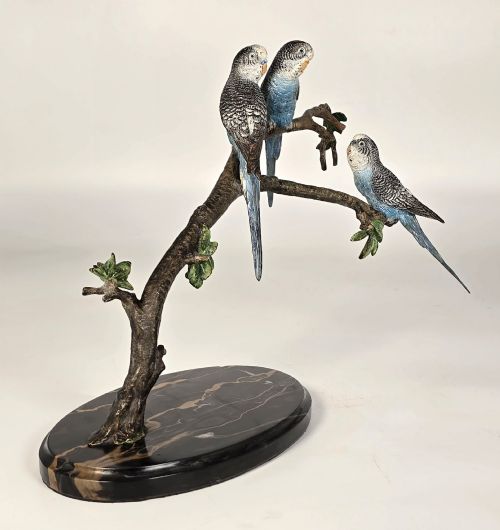
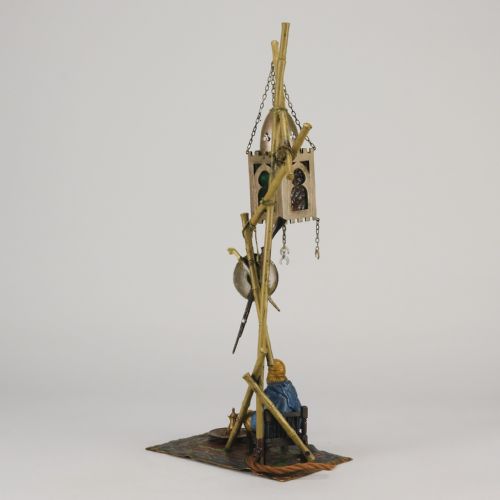
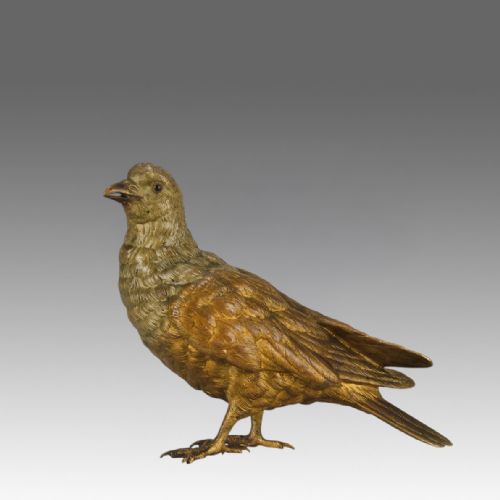
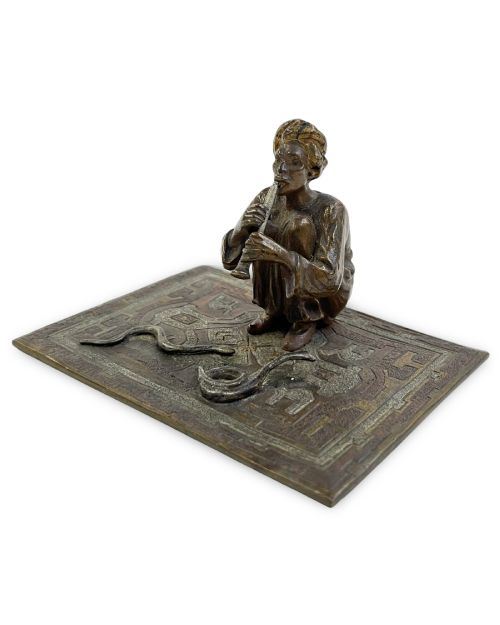
The objects on this page emerge from distinct historical periods including the nineteenth century, nineteen hundred, and the decades leading up to nineteen thirty. Common forms range from birds like budgerigars and pigeons to domestic dogs, equestrian subjects, and Orientalist figural scenes.
Makers and workshops from the Austrian and Vienna schools dominated this production, often mounting figures on marble or onyx plinths. These pieces function equally as tabletop ornaments, functional inkwells, and sculptural art objects.
How they were made
Craftsmen cast these small sculptures primarily in bronze, occasionally utilising terracotta for specific figural works. The molten metal took the shape of detailed animal or human forms through traditional foundry methods.
After casting, artisans applied paint cold without firing the metal afterwards, using polychrome enamel or standard oil paint. This surface decoration gives the figures their characteristic rich colour scheme, though the paint remains vulnerable to chipping over time if handled roughly.
Viennese Cold Painted Retail Price Guide 2026
Typical asking prices for viennese cold painted among the pieces listed under this phrase on Sellingantiques today, from the lower quarter to the upper quarter. They describe what is for sale here now, not the wider market.
Listings span the nineteenth century and the decades up to nineteen thirty, featuring bronze, paint, onyx, and terracotta.
What varies in quality
The distinction between ordinary and exceptional pieces rests upon the fineness of the casting and the preservation of the original surface. Master founders achieved remarkable anatomical precision in feathers, fur, and facial expressions before a brush touched the metal.
The integrity and completeness of the applied paint finish dictate the standing of any individual piece within the market. Surviving works retain their original polychrome enamel or paint layers largely intact, showing minimal flaking across high-wear areas.
Franz Bergman·Josef Lorenzl·Franz Xaver Bergman·Bruno Zach·Goldscheider
The Viennese Cold Painted Glossary
- Cold-Painted Bronze
- A bronze sculpture decorated with unfired paint applied directly to the metal surface. This technique allows for vibrant polychrome finishes that require careful handling to preserve.
- Vienna Bronze
- A term describing small-scale metal sculptures produced in Austrian workshops, particularly during the late nineteenth and early twentieth centuries. These works are celebrated for their naturalistic animalier subjects and Orientalist figures.
- Orientalism
- An artistic style drawing inspiration from the cultures of the Near East and North Africa. In these metalworks, it appears in figures such as Arab lamp bearers, snake charmers, and merchants.
- Animalier
- A genre dedicated to the realistic portrayal of animals in art. These sculptures focus closely on the anatomy, posture, and behaviour of birds, dogs, and wildlife.
- Onyx
- A banded variety of chalcedony frequently used as a sturdy base or plinth for bronze sculptures. It provides a heavy, polished mounting that elevates the display of small figures.
Viennese Cold Painted: Frequently Asked Questions
Are these pieces made of solid bronze?
Most of these small sculptures are cast as solid or hollow bronze figures using traditional foundry methods.
Some examples are paired with bases made from natural stone such as marble or onyx.
Why is the paint called cold painted?
The term describes pigment applied to the metal after casting without undergoing a high-temperature kiln firing process.
This method produced bright, varied colours but left the paint layer more delicate than traditional enamel.
How can I tell older pieces from later ones?
Earlier works from the nineteenth century often display distinct foundry marks and specific patination styles associated with Vienna workshops.
Twentieth-century pieces frequently embrace Art Deco lines or feature different naming conventions inscribed in the metal.