
Victorian Yellow Gold Pendant
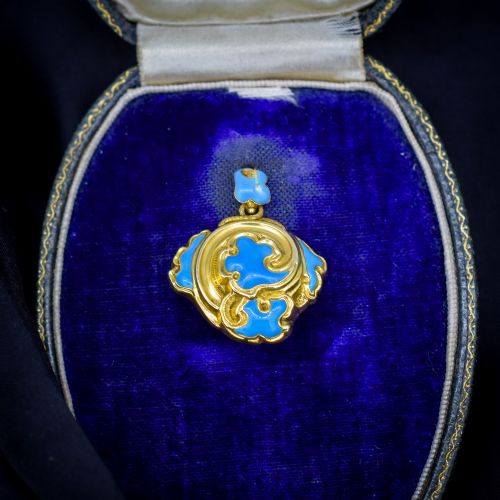
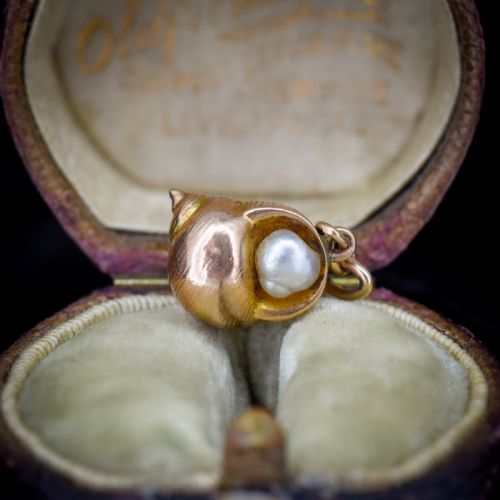
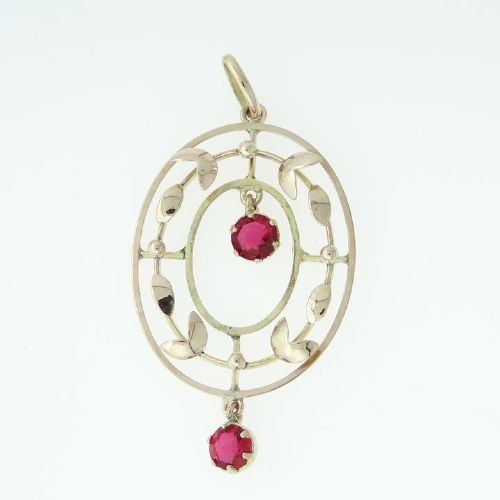
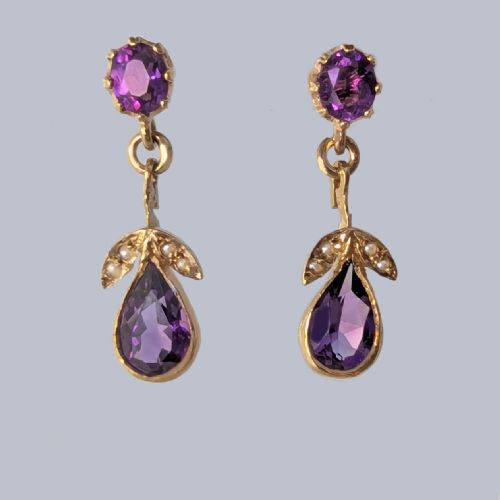
When seeking a victorian yellow gold pendant, you encounter distinct nineteenth-century goldsmithing where warm metal frames seed pearls, garnets, and hand-carved cameos.
Victorian Yellow Gold Pendant
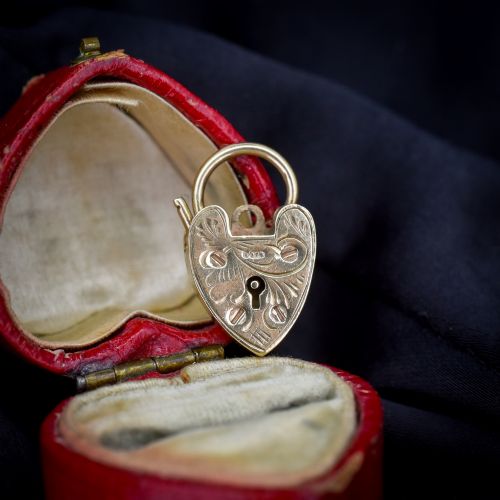
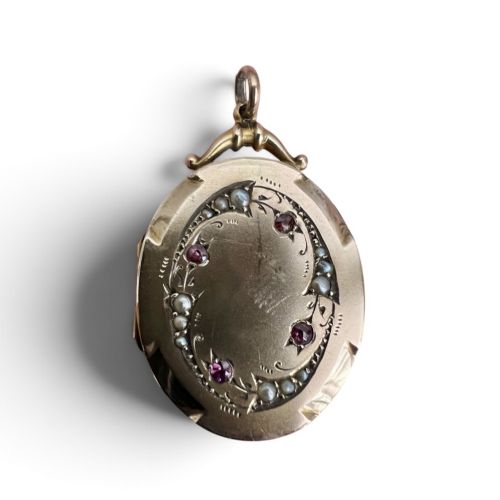
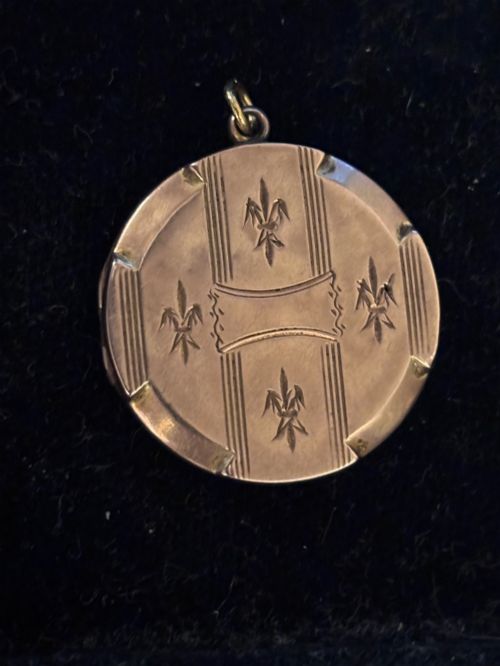
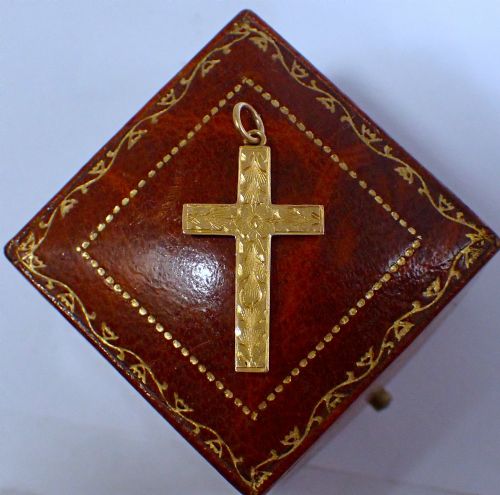
A victorian yellow gold pendant encompasses a diverse array of nineteenth-century drop ornaments designed to suspend from chains or ribbons. The selections range from heartfelt puffy hearts and engraved lockets to intricate gem-set floral motifs and classical revival designs.
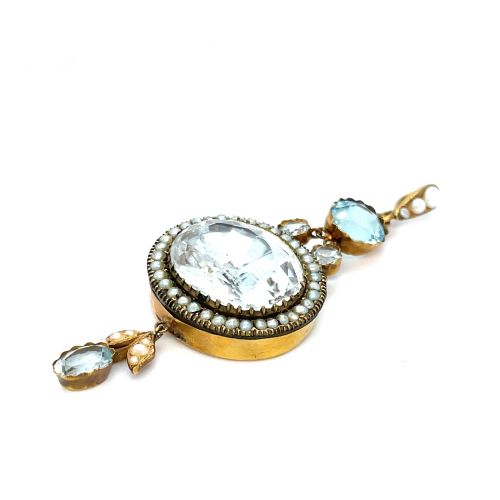
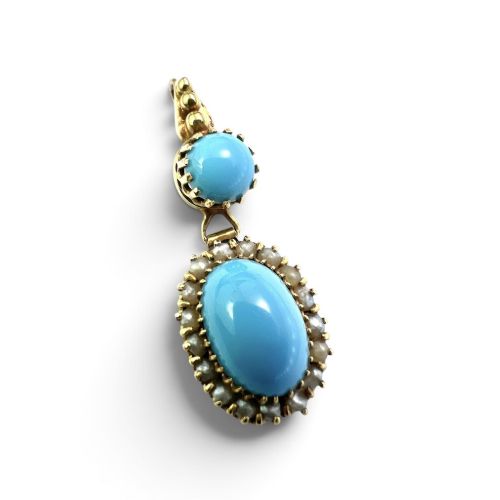
Beyond standard necklaces, this category incorporates convertible brooch pendants, fob seals, and charms fashioned during the nineteenth century and later revival periods. The prevalent examples feature buttery yellow gold housings adorned with pearls, turquoise, or vibrant gemstones intended for sentimental wear.
How they were made
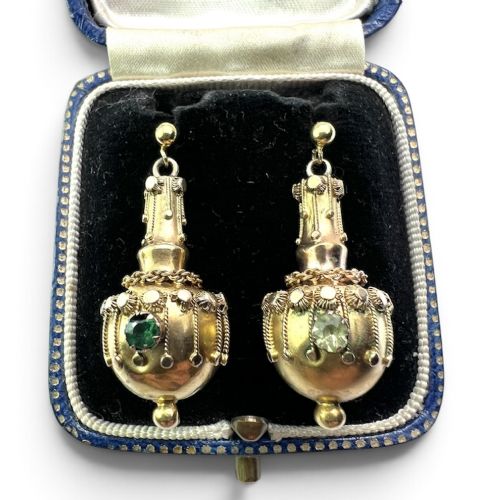
Goldsmiths of the era utilised various karat weights of yellow gold, notably nine-carat, fifteen-carat, and eighteen-carat compositions, shaped through stamping, repoussé, and delicate wirework. Granulation and filigree techniques, particularly prominent in Etruscan Revival pieces, required microscopic balls and threads of gold soldered meticulously to solid metal backings.
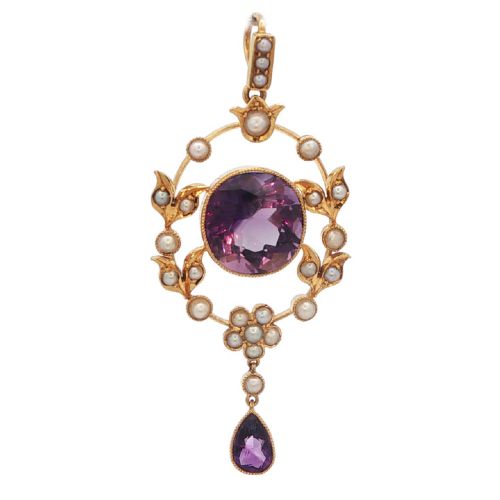
Gemstones including diamonds, rubies, sapphires, and amethysts were secured via claw settings or foil-backed enclosures to enhance luminosity under candlelight. Natural materials like shell, carnelian, bloodstone, and seed pearls were hand-selected and integrated into hinged lockets, hollow puffy forms, and multi-tiered drop assemblies.
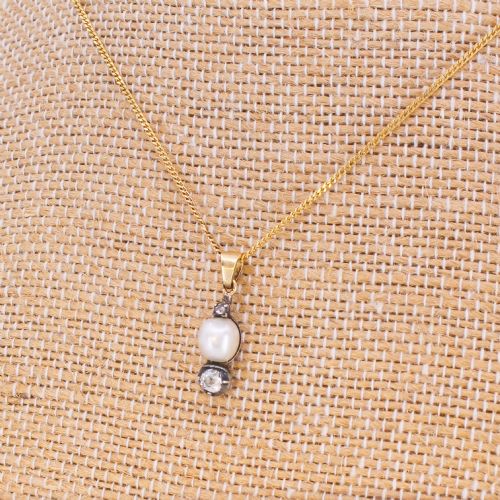
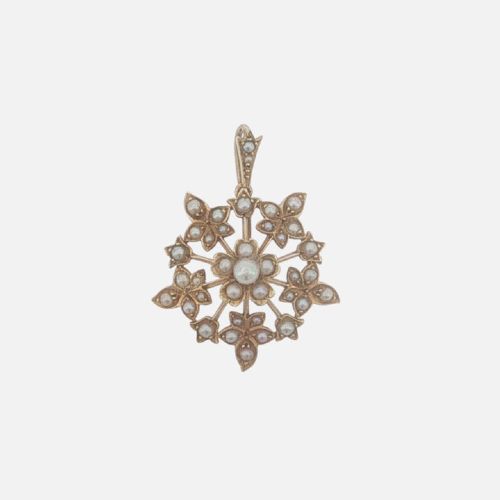
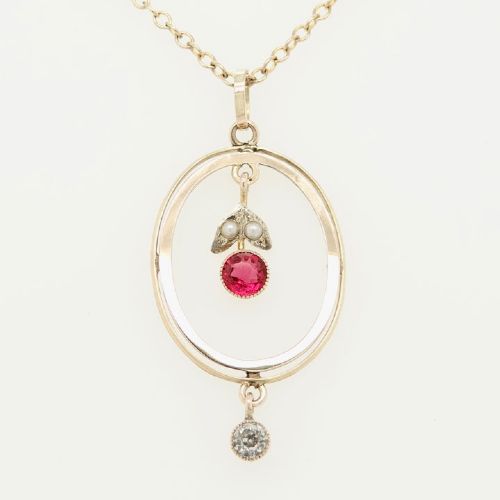
Listings feature yellow gold, seed pearls, diamonds, and natural turquoise across Victorian, Edwardian, and mid-twentieth-century revival periods.
What varies in quality
Quality rests significantly upon the crispness of the hand-engraving and the structural integrity of hollow components like puffy hearts and lockets. Finer specimens display precise chased detailing without thinning metal walls or heavy dents, while lesser examples show wear that compromises the original relief.
The choice and matching of gems also divide the standard from the exceptional, visible in uniformly lustrous seed pearls and cleanly faceted coloured stones rather than mismatched replacements. Furthermore, original hinges, secure glass photographic compartments, and intact jump rings elevate the integrity of a surviving jewel.
The Victorian Yellow Gold Pendant Glossary
- Fob
- A short chain or ornamental pendant formerly worn with a pocket watch, frequently featuring hardstones like carnelian or bloodstone.
- Repoussé
- A metalworking technique where a design is hammered into relief from the reverse side of the gold sheet.
- Puffy heart
- A hollow, inflated gold pendant formed from two convex stamped halves soldered together, typical of sentimental Victorian jewellery.
- Etruscan Revival
- A nineteenth-century design style inspired by archaeological discoveries, characterised by applied wirework and granular gold decoration.
- Intaglio
- A gem or stone carved with a depressed design so that an impression pressed in wax produces a raised image.
Victorian Yellow Gold Pendant: Frequently Asked Questions
What is a locket pendant?
A locket pendant is a hollow hinged ornament designed to open and enclose miniature portraits, locks of hair, or small mementos. These pieces combine decorative exterior engraving with private interior storage.
Victorian examples often feature glass bezels or delicate metal frames inside to secure the contents safely against the wearer's heart.
How do I wear an antique pendant?
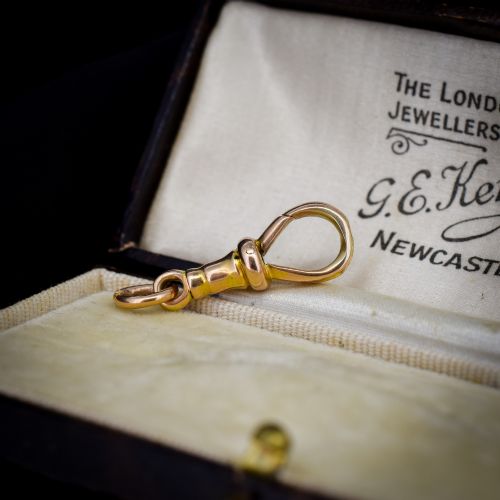
Antique pendants suspend easily from modern or period-appropriate yellow gold chains using secure jump rings or original dog clips. They function well as standalone statement pieces or layered with complementary chains.
Care should be taken with hollow forms and delicate seed pearl settings to avoid heavy impact during daily wear.
Are these pieces solid gold?
The selection includes items fashioned from solid nine-carat, fifteen-carat, and eighteen-carat yellow gold, reflecting the standard purities of their respective decades. Hallmarks and acid testing typically confirm the metal content.
Certain hollow constructions utilise substantial gold sheets designed to maintain a lightweight feel while offering durable exterior surfaces.
What does Etruscan Revival mean?
Etruscan Revival describes nineteenth-century jewellery inspired by ancient Italian excavations, featuring matte yellow gold surfaces adorned with tiny granules and twisted wire patterns. This aesthetic celebrated classical antiquity through meticulous goldsmithing.
Pieces in this style frequently incorporate amphora motifs, classical cameos, or geometric borders executed in high-carat gold.