
Victorian Wooden Wardrobe
A victorian wooden wardrobe brings serious presence to a bedroom, offering deep storage built from rich timbers like mahogany, walnut and pine.
Victorian Wooden Wardrobe
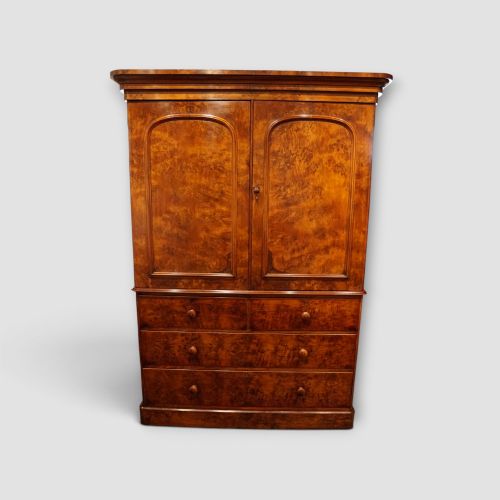
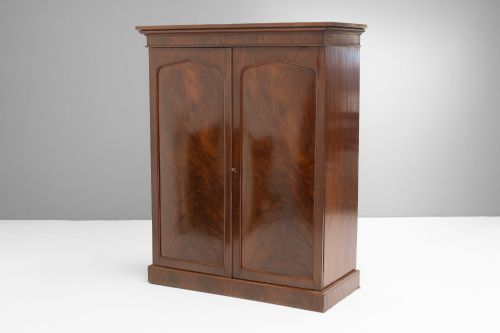
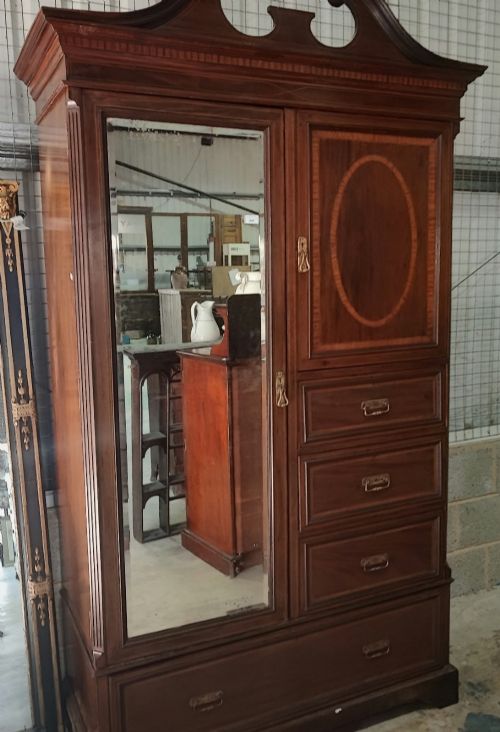
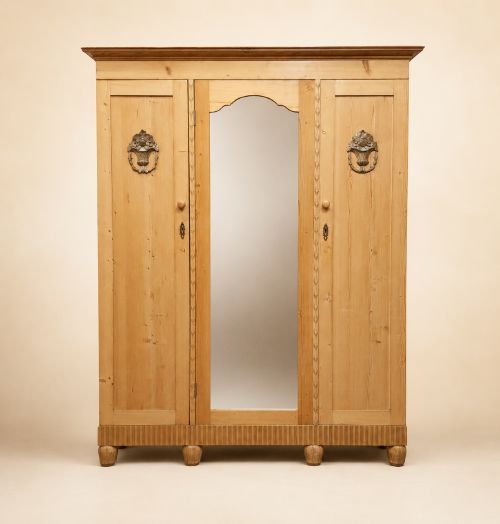
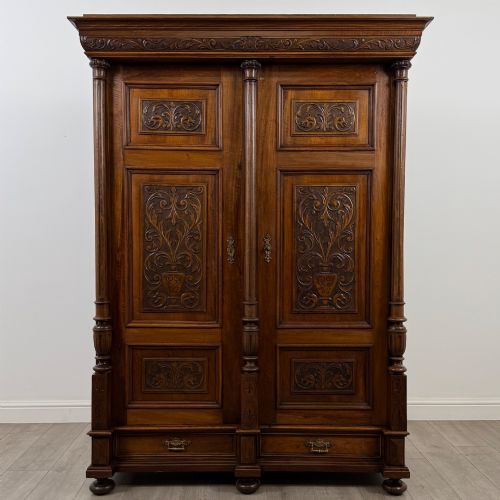
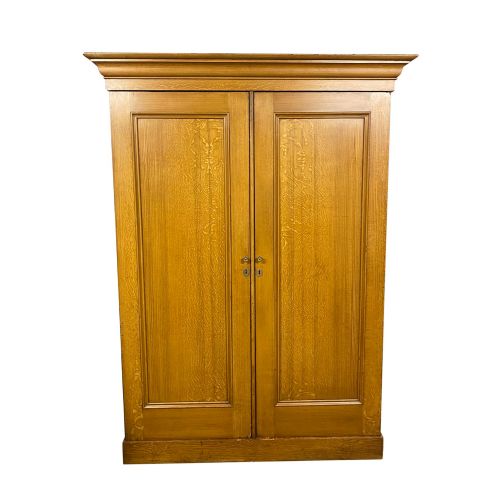
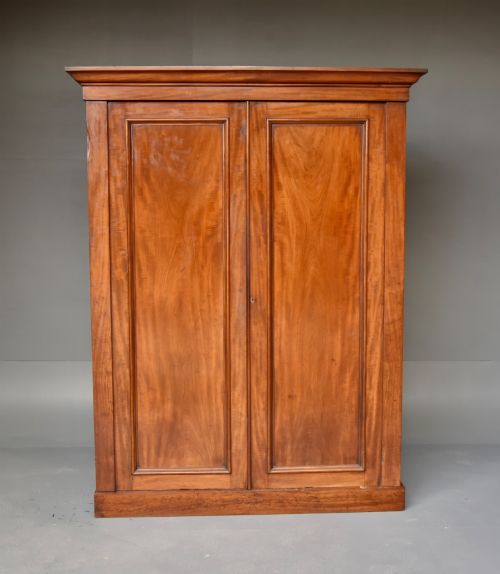
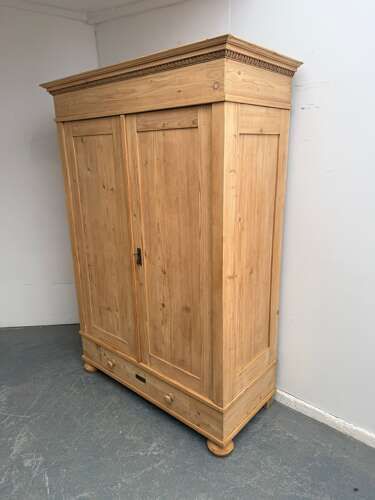
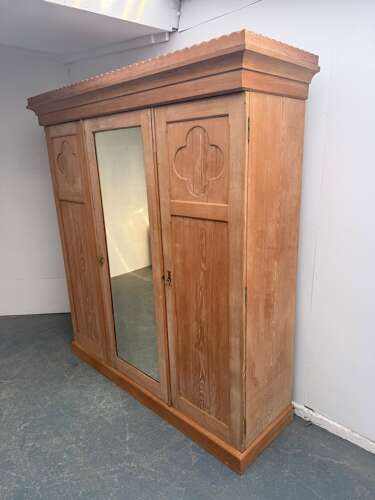
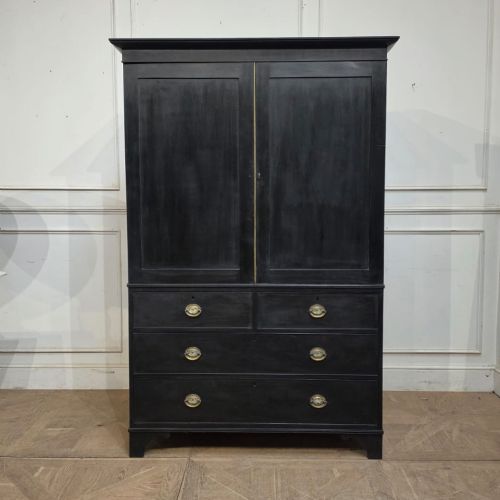
A victorian wooden wardrobe encompasses large bedroom storage pieces dating through the nineteenth century and into the early twentieth century. Buyers encounter double and triple door formats, along with more complex compactum designs that integrate drawers and hanging space.
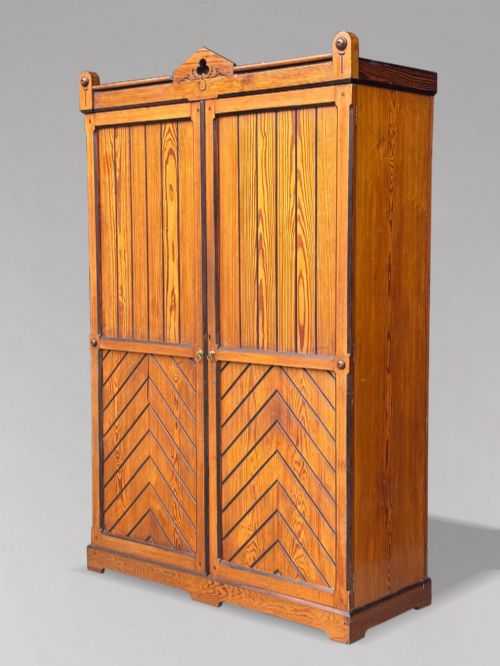
The selection spans formal mahogany and burr walnut bedroom pieces alongside simpler painted or waxed pine furniture from farmhouse and provincial contexts. Many pieces reflect revival tastes or regional cabinet-making traditions alongside standard Victorian production.
Materials and construction
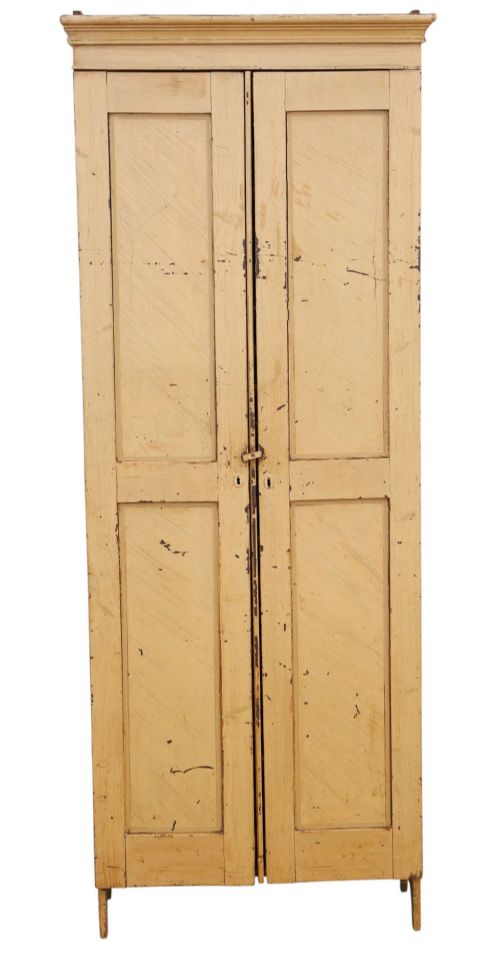
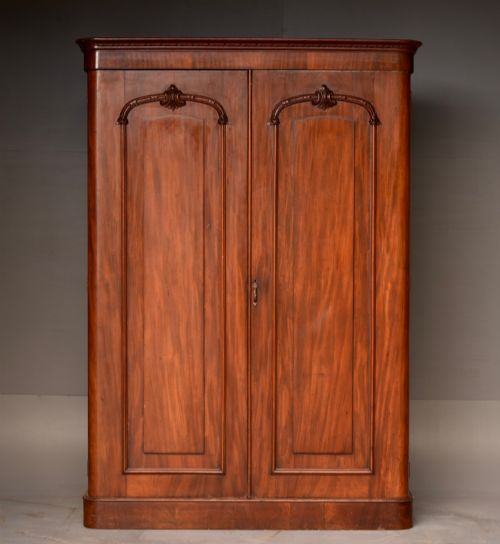
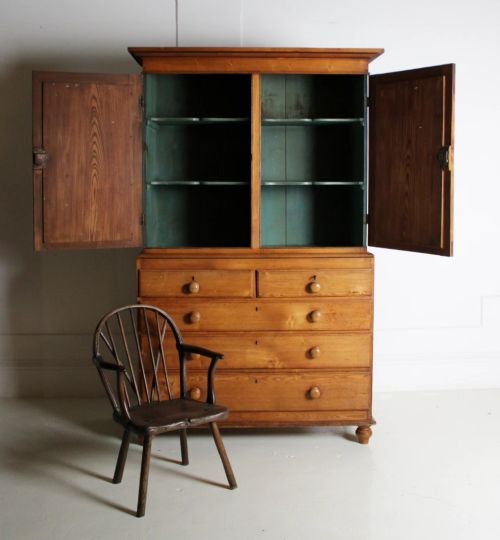
Cabinet makers utilised dense hardwoods such as mahogany and walnut, frequently selecting figured veneers like burr walnut or flame mahogany for primary display surfaces. Softer timbers including pine, ash and pitch pine formed the carcases and internals of utilitarian and country pieces.
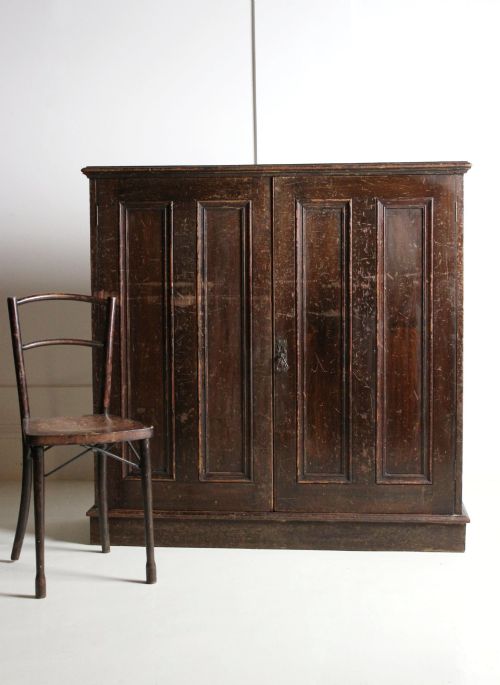
Metal fittings in brass and iron provided structural reinforcement and functional hardware, while decorative elements relied on timber inlay, carved details, and occasionally scumble faux oak paintwork over a pine base.
Arts and Crafts and Edwardian influences appear alongside strict Victorian production, showing evolving tastes in domestic bedroom storage.
Judging execution and timber
The standard of a piece depends heavily on the selection of timber, particularly where figured veneers or solid hardwoods display deliberate grain patterning. Superior examples demonstrate refined cabinet-making in their joinery, drawer construction, and the integration of internal fittings.
Maker attribution also distinguishes certain pieces, with workshops such as Maples & Co, Edwards and Roberts, Holland and Sons, and Heals delivering exceptional standardisation and decorative finish compared to unsigned regional work.
maples & co·Edwards and Roberts·Holland and Sons·S & H Jewell·Heals
The Victorian Wooden Wardrobe Glossary
- Compactum
- A large wardrobe style that combines hanging space with multiple internal drawers, linen slides, and sometimes small cupboards within a single unit.
- Linen press
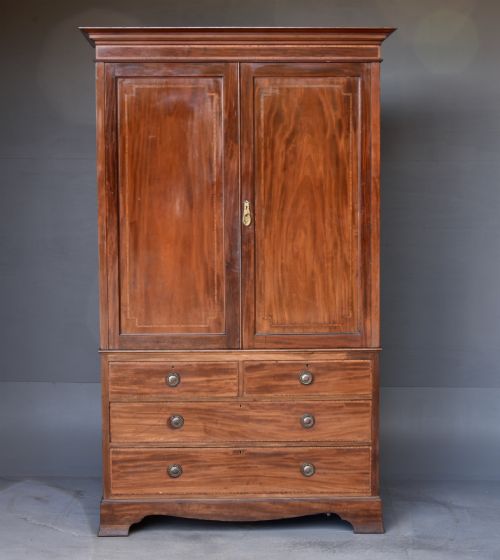
- A traditional piece featuring upper cupboard doors enclosing sliding trays for folded textiles, mounted above a chest of base drawers.
- Scumble
- A decorative paint technique applied to simulate the grain of more expensive hardwoods like oak upon a simpler timber base such as pine.
- Knockdown
- A piece engineered to dismantle into modular sections for ease of transport and installation in nineteenth-century homes.
Victorian Wooden Wardrobe: Frequently Asked Questions
How do I fit a large wardrobe?
Many nineteenth-century wardrobes, particularly knockdown pine variants, are designed to dismantle into modular sections for transport and room entry.
Buyers should check ceiling heights and access routes carefully, as fully assembled triple and compactum units demand substantial clearance.
What is a compactum wardrobe?
A compactum is a multi-functional storage piece that integrates hanging space, shelving, and internal drawer sets into one unified cabinet.
These pieces were popular for gentlemen's quarters, offering organised storage for folded garments and accessories alongside full-length hanging.
Are these wardrobes made of solid wood?
Construction methods vary by the style and origin of the piece, with many pine and oak examples utilising solid timber throughout.
More formal mahogany and burr walnut pieces frequently employ solid carcases faced with decorative timber veneers on the primary display surfaces.
How do I care for antique timber?
Maintain finished surfaces by applying appropriate wax polish periodically to nourish the grain and protect against dry atmospheric conditions in modern homes.
Keep wooden furniture away from direct heat sources and dramatic humidity shifts to prevent timber movement or veneer separation.