

Victorian Wooden Tub
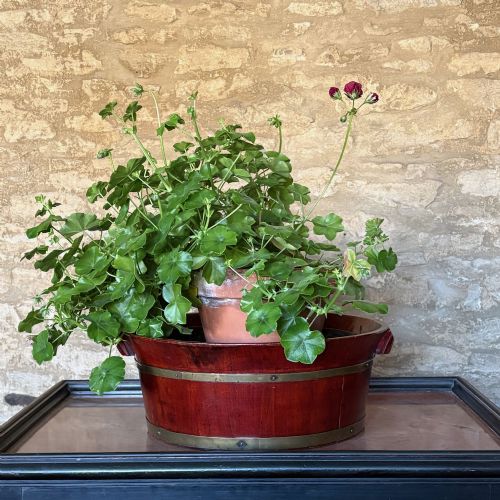
A victorian wooden tub most often brings you a sturdy captain's chair or a coopered vessel built to last.
Victorian Wooden Tub
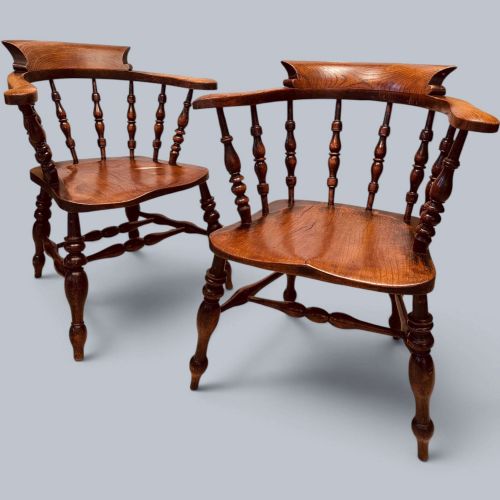
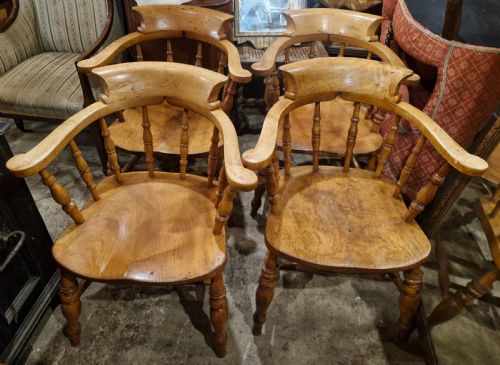
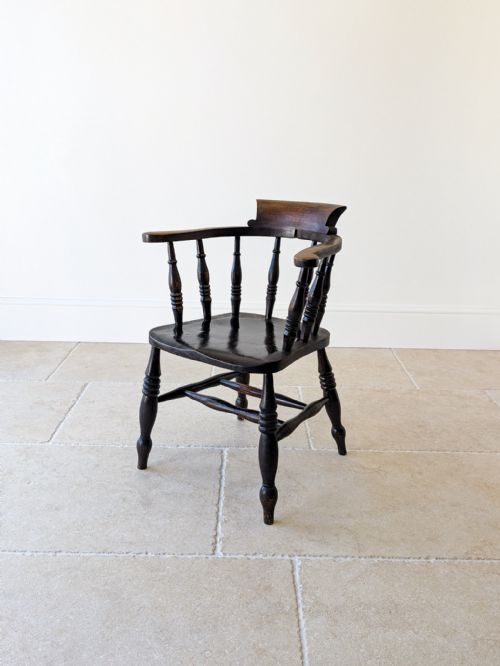
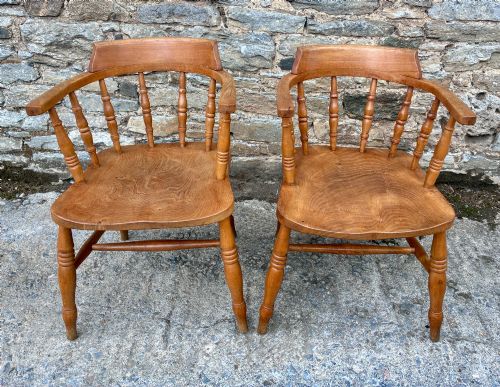
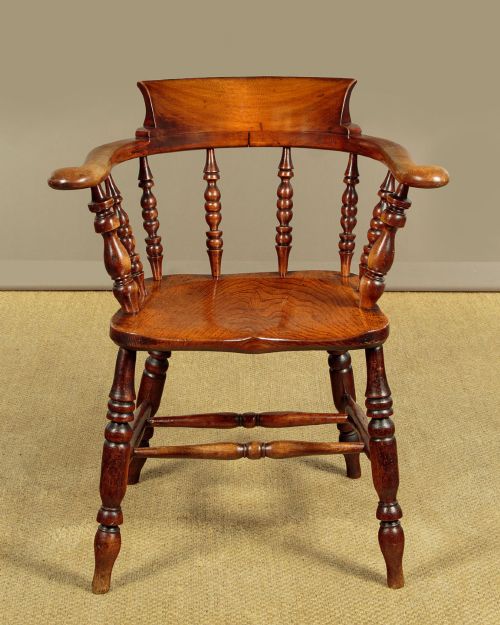
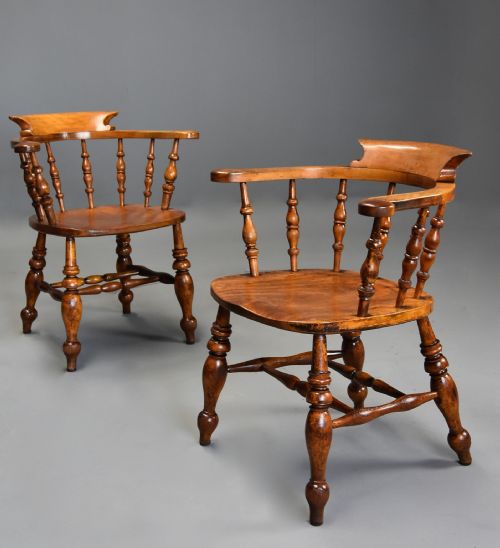
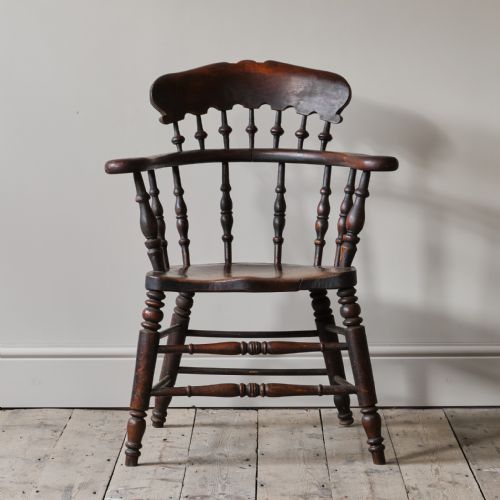
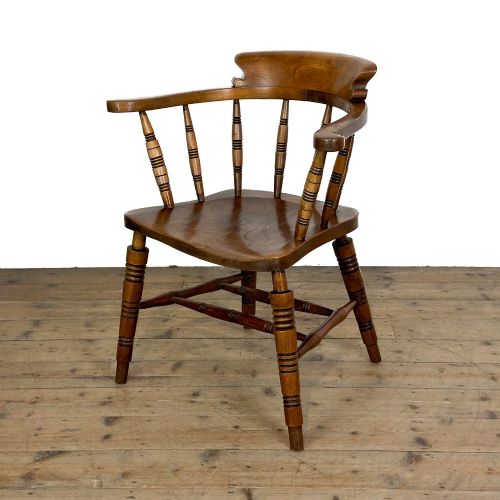
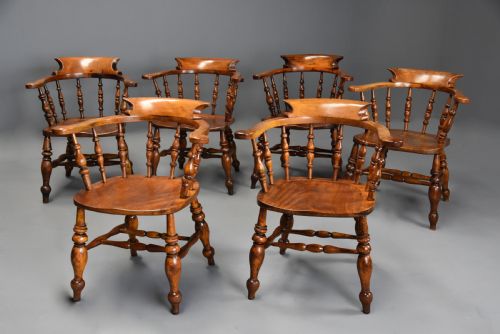
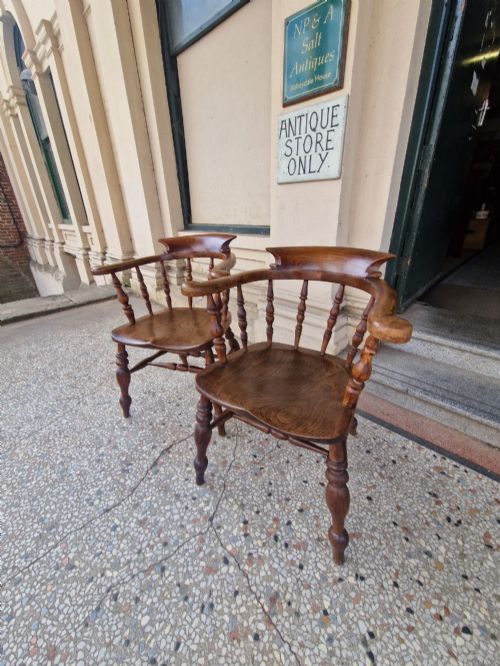
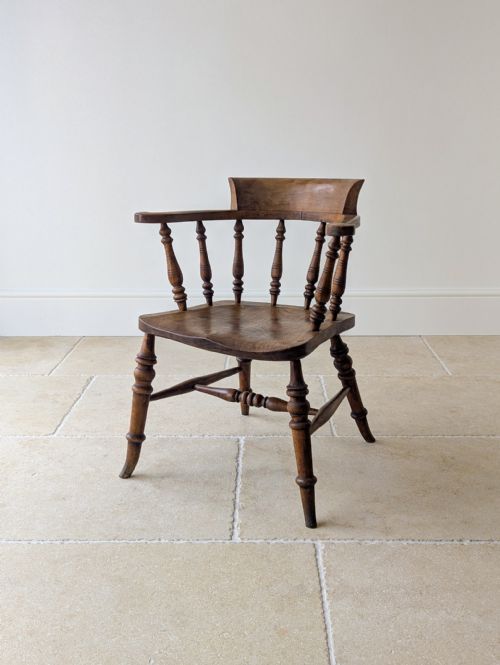
When you search for a victorian wooden tub, you encounter robust seating and coopered vessels spanning the nineteenth century and the Edwardian era. The seating primarily comprises low-backed armchairs, smoker's bows, and captain's chairs designed for everyday utility. Alongside these chairs, you find functional household containers such as oak buckets, oyster vessels, and umbrella stands.
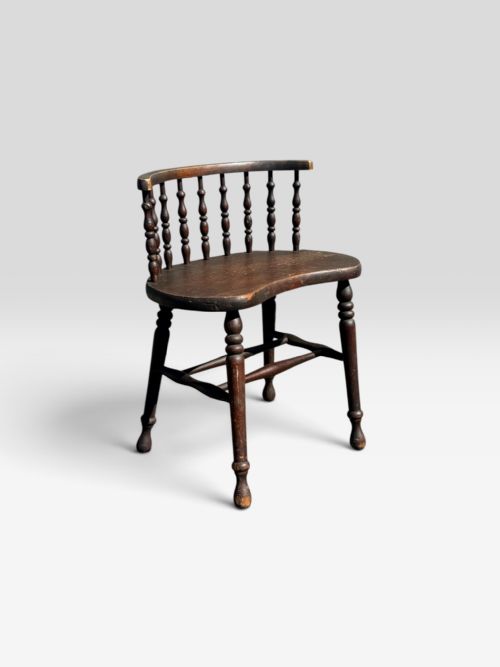
The domestic seating forms frequently feature curved backs and round wooden seats intended for studies, offices, and country houses. Coopered washing tubs and cooling buckets represent the vessel side of the selection, demonstrating traditional stave construction. These items originate predominantly from English workshops working in local hardwoods during the Victorian period.
How they were made
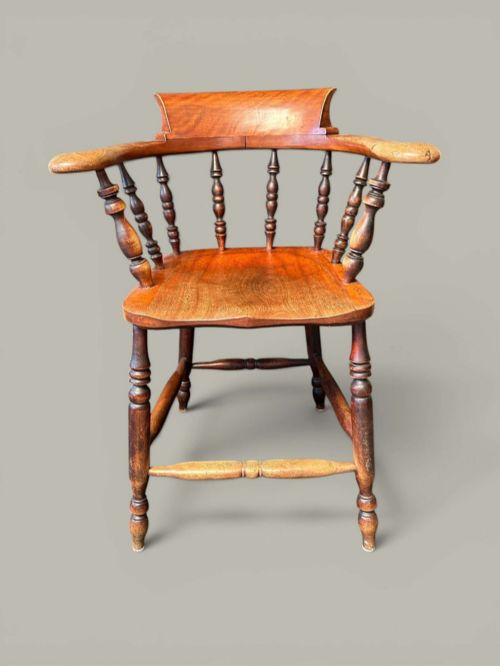
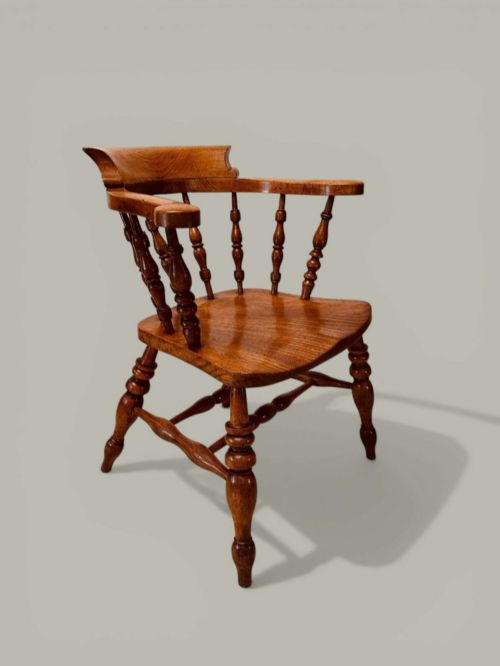
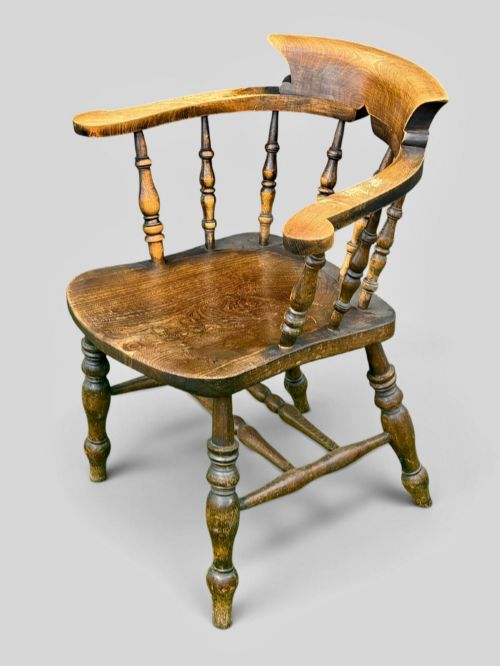
The makers relied on native British hardwoods, combining elm seats with ash, beech, or oak spindles and armbows. This timber selection placed dense, resilient elm where the body rested, supported by steam-bent components that gave the chairs their characteristic curved profiles. Coopered items utilised narrow staves bound together with metal hoops to hold liquids or heavy gear.
Joinery techniques combined traditional Windsor framing with pegging and wedged tenons to withstand continuous daily use. For the coopered vessels, tight-fitting wooden staves were shaped individually and secured without modern adhesives, relying purely on tension and structural geometry.
Victorian Wooden Tub Retail Price Guide 2026
Typical asking prices for victorian wooden tub among the pieces listed under this phrase on Sellingantiques today, from the lower quarter to the upper quarter. They describe what is for sale here now, not the wider market.
Several chairs include remarkably smooth seats shaped by generations of sitters leaning back to write letters.
What varies in quality
The standard of a piece rests largely on the choice of timber and the depth of its figuring, particularly in burr elm or yew wood examples. Superior items display harmonious grain matching between the solid seat and the surrounding bentwood members rather than mismatched timber selections.
Execution of the turning on spindles and legs separates utilitarian workshop output from finer country house commissions. Comfort and balance in the curved armbows further distinguish the more considered examples from standard production seating.
The Victorian Wooden Tub Glossary
- Smoker's bow
- A low-backed Windsor armchair with a continuous curved arm rail, commonly found in nineteenth century domestic settings. These chairs provided sturdy seating for studies and parlours.
- Coopered
- Built from curved wooden staves bound together by hoops, similar to barrel construction. This technique was essential for making water-tight buckets and washing vessels.
- Windsor
- A chair constructed with a solid wooden seat into which the legs and back spindles are separately inserted. This method created robust and enduring domestic seating.
- Captain's chair
- A sturdy low-backed wooden armchair designed for office or desk use, often featuring a rounded backrest supported by numerous spindles. They emerged as a staple of Victorian workspace furniture.
Victorian Wooden Tub: Frequently Asked Questions
What is a smoker's bow?
A smoker's bow is a sturdy low-backed armchair featuring a continuous curved wooden armrail supported by spindles. These chairs were designed for comfortable use in studies, smoking rooms, and parlours.
They evolved from traditional Windsor seating, sharing the same solid wooden seat construction into which the underframe and back components are secured.
How were coopered wooden tubs used?
Coopered wooden tubs served practical household and commercial purposes, ranging from washing clothes to holding oysters or umbrellas. Their stave and hoop construction made them entirely suitable for containing water or damp items.
Craftsmen built these vessels using tight-fitting wooden staves bound with metal bands to ensure structural strength under heavy loads.
Which woods did makers use?
Cabinet makers and country joiners utilised native British hardwoods, frequently pairing an elm seat with ash, beech, or oak for the frame. Elm provided a tough, non-splitting surface for the seat, while other timbers offered flexibility for steam-bent arms.
More ambitious pieces occasionally incorporated yew wood or walnut for superior visual grain and colour.
How do I date these items?
Dating relies on observing construction methods, timber choices, and stylistic traits typical of the nineteenth century and Edwardian periods. Earlier nineteenth-century examples often display simpler turned elements and heavier proportions.
Later Victorian and Edwardian pieces frequently incorporated more refined spindle turnings and varied combinations of ash, beech, and elm.