

Victorian Wooden Table Lamp
A victorian wooden table lamp brings genuine period warmth to a room, cast in rich timbers like mahogany, walnut, and oak.
Victorian Wooden Table Lamp
A victorian wooden table lamp encompasses turned timber bases, converted candlesticks, and repurposed small tables utilised for lighting. The pieces on this page span the nineteenth century, including specific dates from eighteen fifty to nineteen hundred, alongside Edwardian examples.
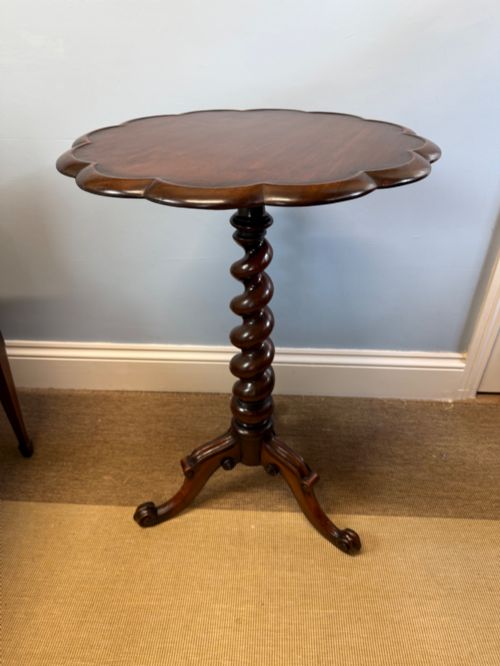
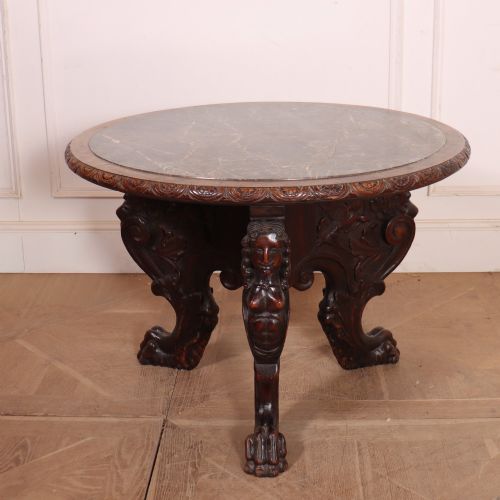
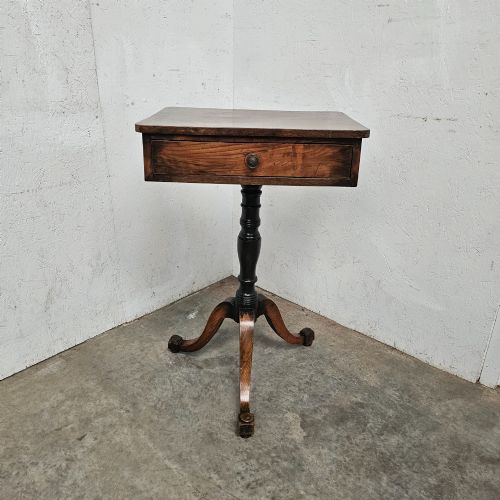
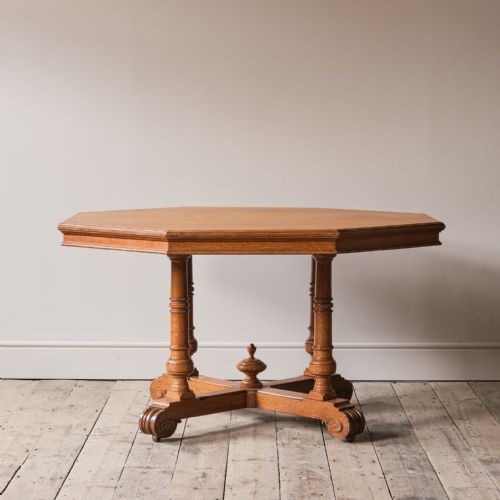
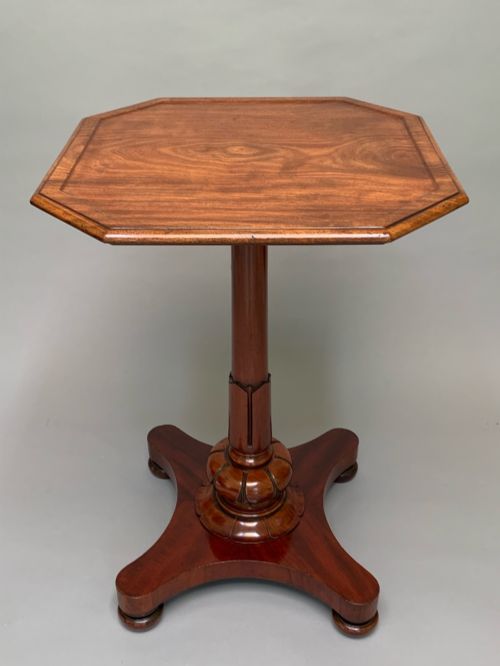
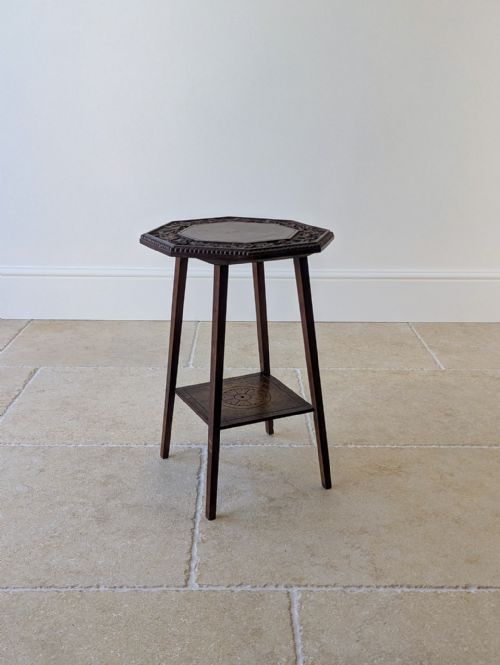
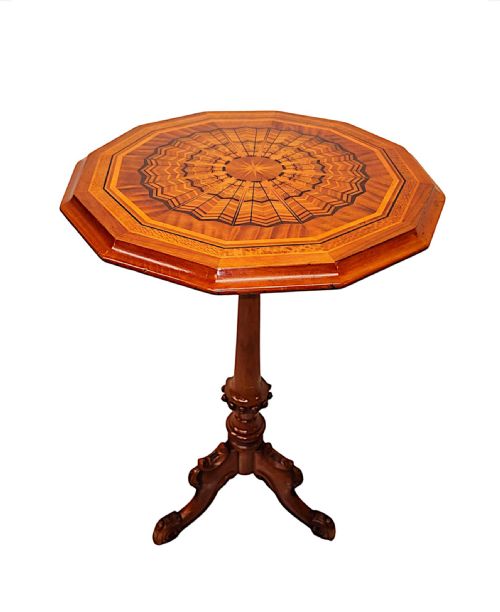
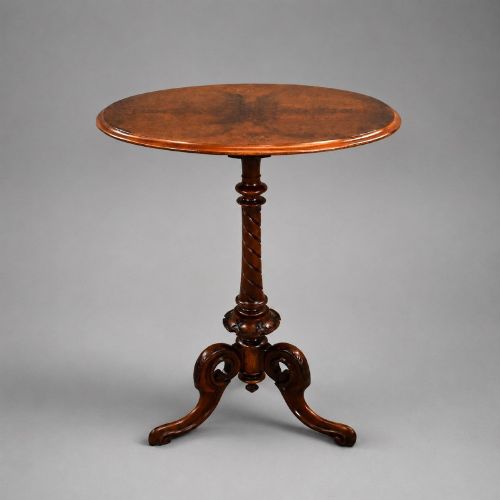
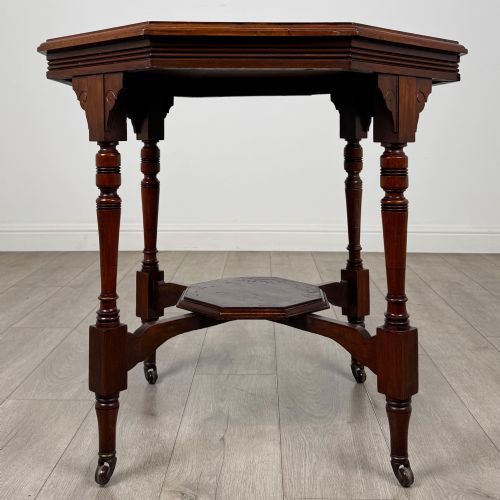
Buyers encounter diverse forms ranging from octagonal centre tables and occasional lamp tables to carved wooden bases and ebonised stands. Many pieces reflect distinct styles such as Arts and Crafts, Aesthetic Movement, and William IV designs originating from English and European workshops.
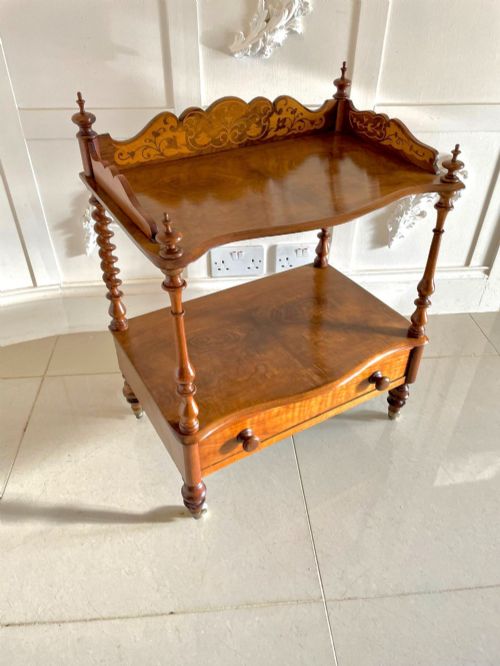
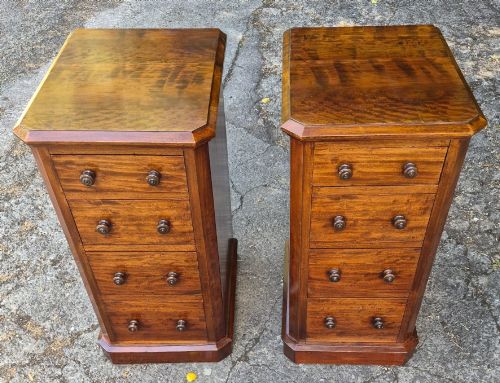
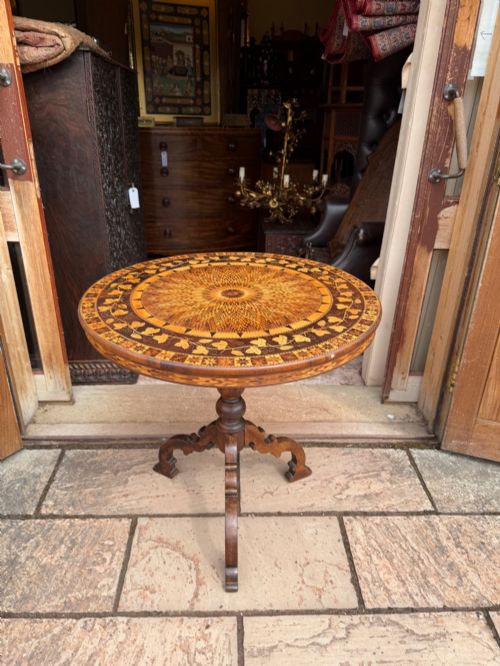
The selection demonstrates how functional nineteenth-century furniture and turned wood components find new purpose as illumination sources. Walnut and mahogany predominate, often featuring decorative grain or inlaid surfaces that anchor traditional and eclectic interiors.
Materials and construction
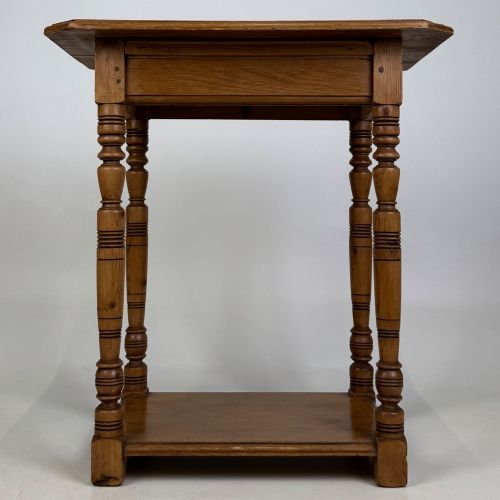
Cabinet makers utilised solid hardwoods including mahogany, walnut, burr walnut, oak, and ebonised wood to build these sturdy lamp bases and supporting tables. Turned pedestals, bobbin legs, and carved details show standard nineteenth-century carpentry techniques applied to domestic items.
Brass fittings and gilt elements frequently complement the dark timber bodies, providing structural joints or decorative contrast. Selected items incorporate marquetry and inlaid satinwood, while others rely purely on the natural grain of figured elm, lignum vitae, or pine.
A sturdy nineteenth-century table originally built to hold a heavy oil lamp easily takes a modern ceramic bulb without flinching.
Assessing craftsmanship
Quality rests in the selection of timber figures, such as burr walnut or figured mahogany, and the crispness of hand-carved elements. Superior pieces display refined proportions and stable pedestal constructions that ensure the weight of a shade is safely supported.
Maker attribution and documented origins elevate certain tables and lamp bases above standard workshop production. The integration of brass components, precise joinery, and well-executed inlay separate exceptional decorative pieces from simpler utility items.
Gillows·Gregory and Co·Hindley and Sons·Liberty of London·William Birch·Druce and Co London
The Victorian Wooden Table Lamp Glossary
- Burr walnut
- A highly figured wood veneer taken from the warted growths of walnut trees, prized for its swirling grain patterns on table tops.
- Ebonised wood
- Timber treated with a dark stain or finish to imitate expensive ebony, popular in nineteenth-century decorative furniture.
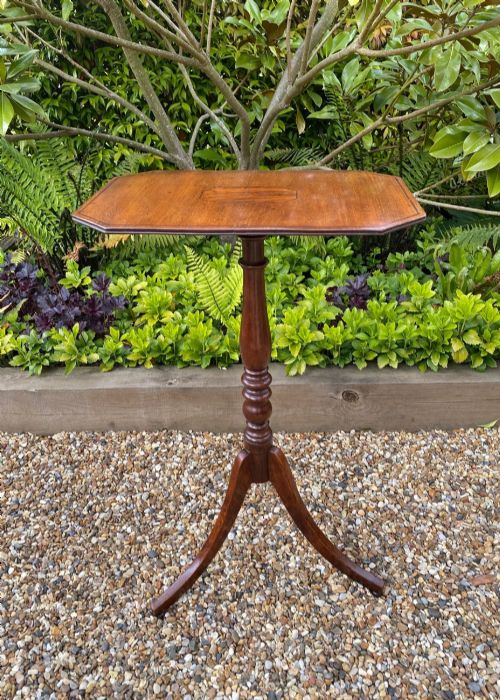
- Pedestal table
- A standalone table supported by a single central column resting on feet, frequently adapted for use as a lamp stand.
- Marquetry
- Decorative veneer work forming pictorial or geometric patterns using various coloured woods applied to a carcase.
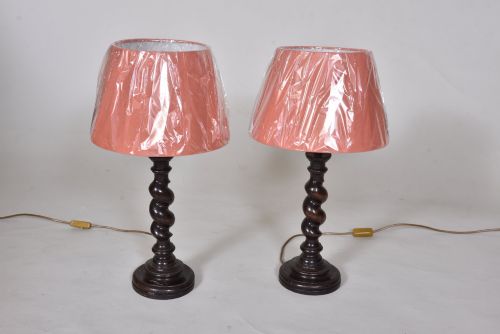
- Barley twist
- A woodworking technique creating a spiral column resembling a twisted rope, common on nineteenth-century table legs and lamp bases.
Victorian Wooden Table Lamp: Frequently Asked Questions
Are these lamps originally wired for electricity?
Most wooden lamps from the nineteenth century were originally designed as candle stands, oil lamps, or small tables rather than electric fixtures.
Contemporary examples on the market have been adapted for modern electrical use, often featuring updated wiring and testing.
How do I style a wooden table lamp?
These lamps suit side tables, desks, and bedside chests where the dark timber tone adds contrast to neutral walls.
Pare them with textured fabric shades to complement the grain of walnut, mahogany, or ebonised wood bases.
How can I tell a Victorian piece apart?
Victorian pieces typically display dense hardwoods, hand-turned elements, and traditional joinery methods characteristic of nineteenth-century workshops.
Details like aesthetic movement ebonising or arts and crafts construction help distinguish specific decades within the broader era.
Can I use an occasional table as a lamp base?
Small nineteenth-century occasional tables, wine tables, and candle stands provide sturdy platforms for table lamps.
Their compact footprints allow them to function effectively in hallways or beside seating areas while displaying decorative wood surfaces.