
Victorian Wooden Storage Box
A victorian wooden storage box brings solid nineteenth-century utility into a modern room, offering sturdy containment crafted from pine, camphor wood or mahogany.
Victorian Wooden Storage Box
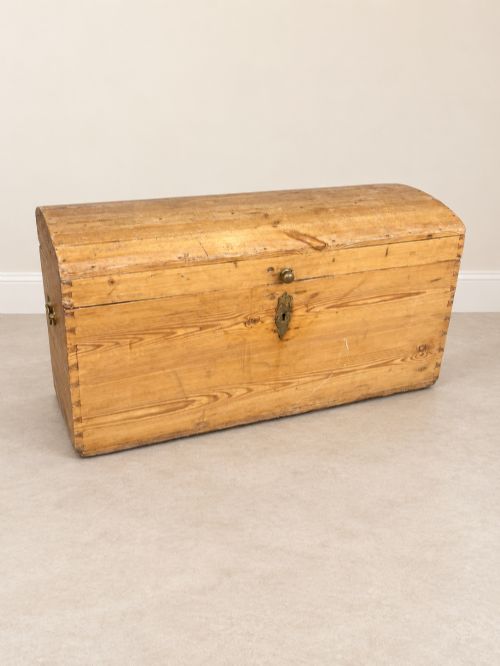
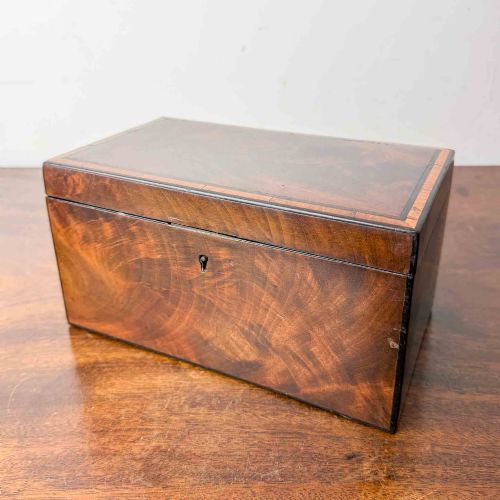
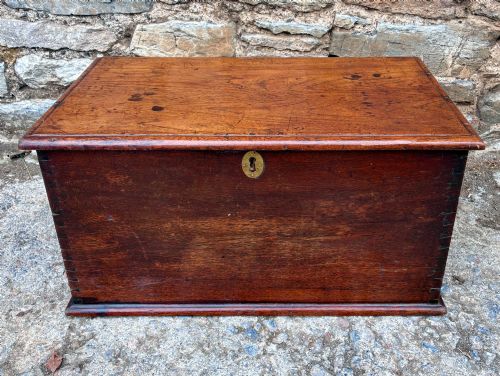
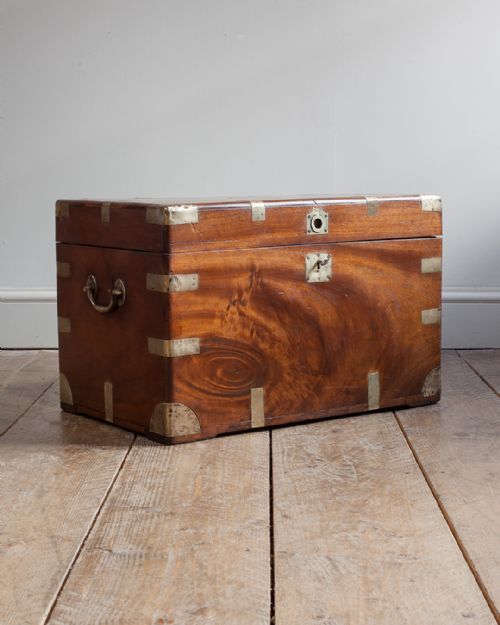
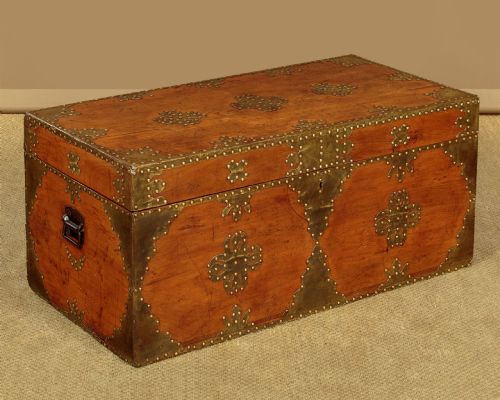
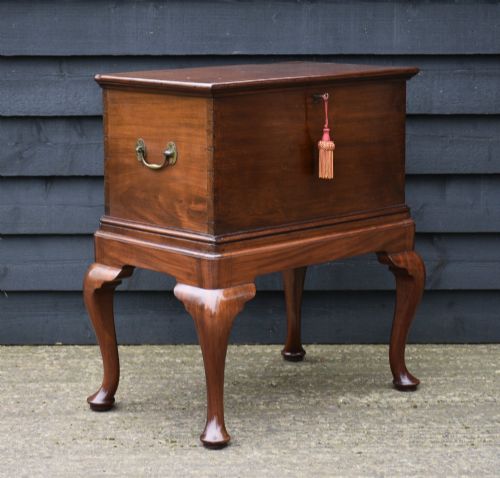
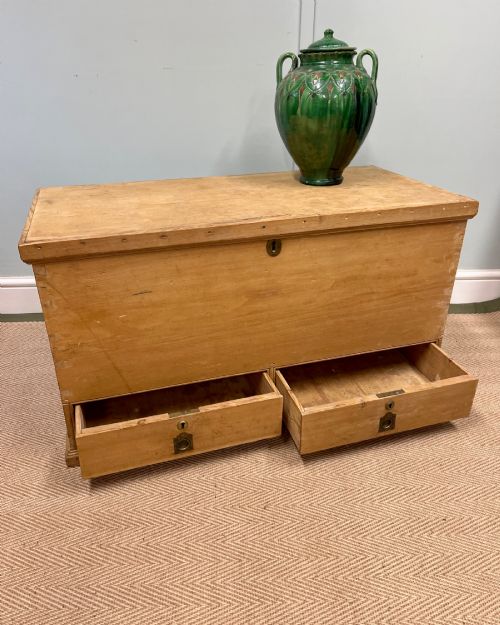
A victorian wooden storage box encompasses utilitarian pine blanket chests, robust camphor wood military campaign trunks, and smaller desk accessories like tea caddies or jewellery boxes. Buyers searching this phrase meet domestic pine trunks alongside travelled teak and camphor pieces bearing brass mounts, reflecting the global reach of the nineteenth century.
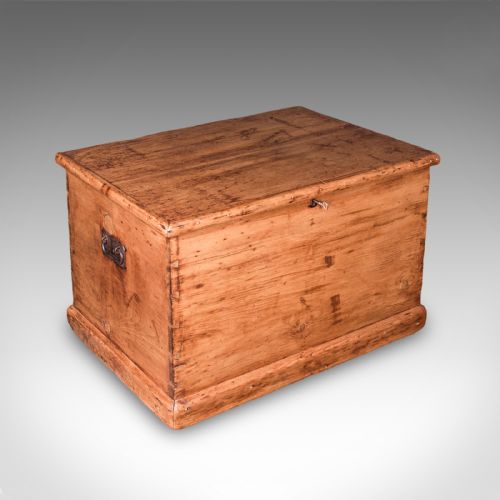
The domestic versions appear primarily in stripped or waxed pine, oak, and elm, functioning as blanket boxes, tool chests, or hall settles with internal storage. Campaign pieces utilise exotic timbers suited to transit, built to withstand moisture and rough handling during colonial service.
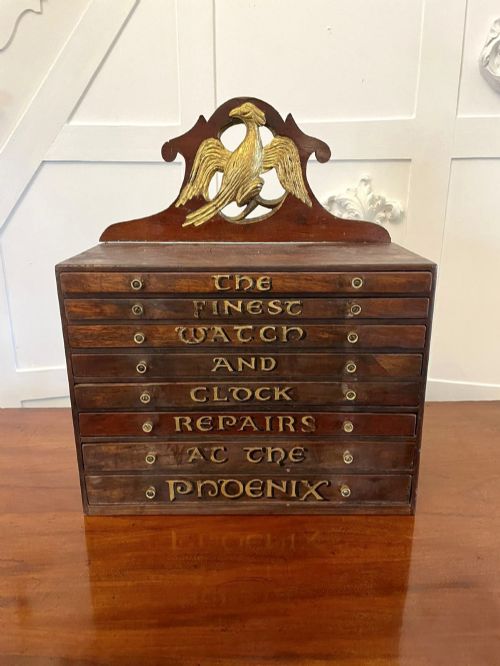
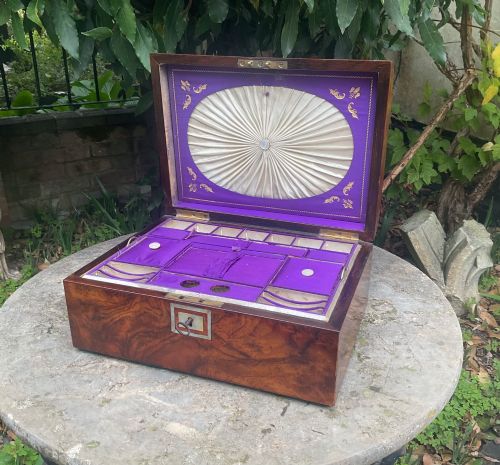
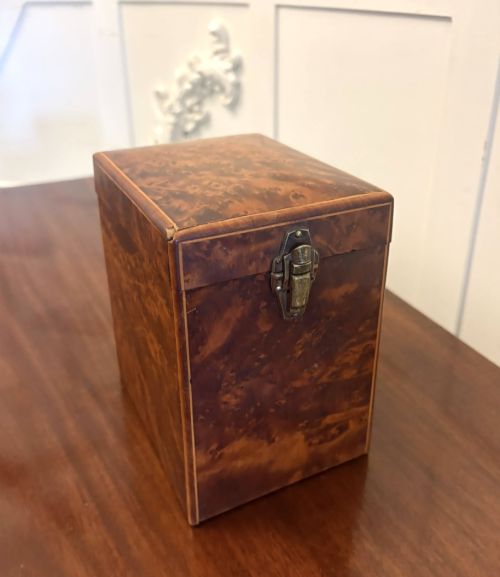
Smaller tabletop formats include walnut parquetry tea caddies, bird's eye maple jewellery boxes, and fitted apothecary cases. These domestic and travel forms span the entirety of the nineteenth century, maintaining practical cavities designed to secure personal possessions.
How they were made
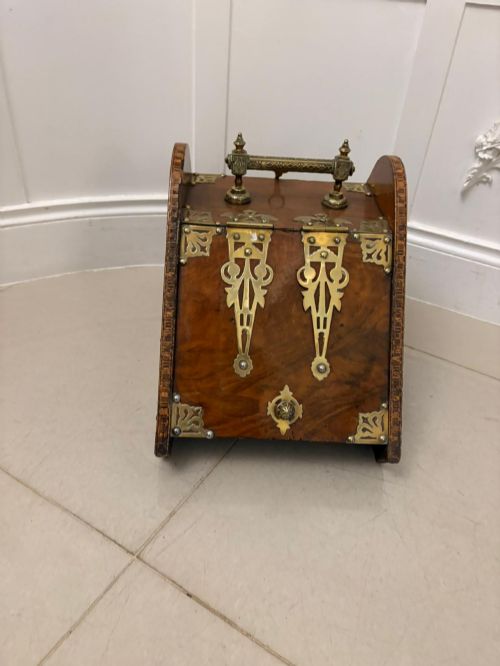
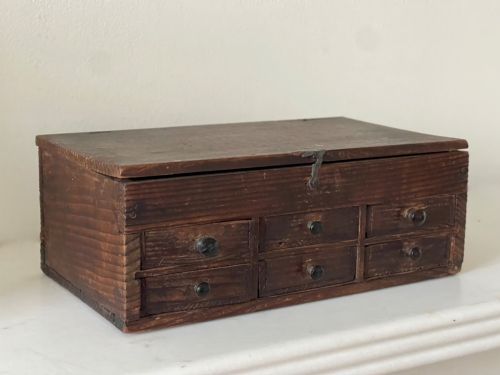
Carpenters constructed these containers using dense domestic hardwoods like oak and mahogany, or resilient softwoods such as pine, often employing dovetail joints at the corners for lasting strength. Iron and brass reinforcement plates, corner braces, and carrying handles were screwed or riveted to campaign trunks to protect the wood during transit.
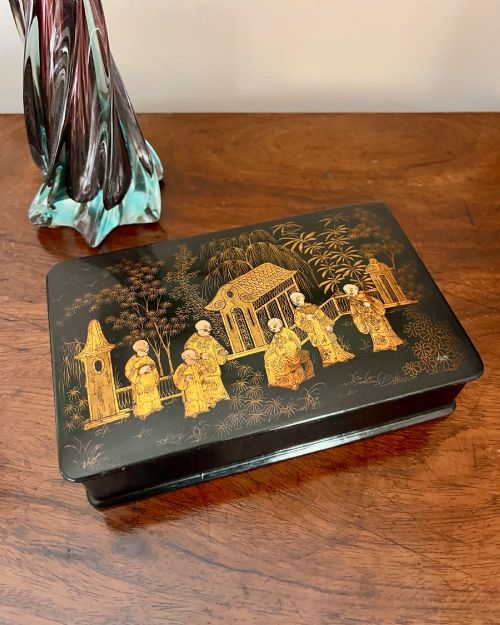
Surface decoration relies on the natural grain of camphor wood, walnut, and bird's eye maple, occasionally enhanced with satinwood inlay, mother of pearl, or carved detailing. Wax finishes protected the exterior timber while preserving a tactile, low-sheen surface that developed character through handling.
One surviving nineteenth-century pine box preserves an eight-player Jacques croquet set complete with original mallets, balls, and hoops.
What varies in quality
Quality rests upon the integrity of construction, specifically whether secondary timbers match primary woods in internal components like till boxes and drawer linings. Hand-cut dovetailing, original brass hardware, and intact locking mechanisms distinguish superior workshop production from utilitarian packing cases.
The refinement of decorative elements, such as precise parquetry, tulipwood stringing, or carved relief work, separates standard household storage from exhibition pieces. Originality of surfaces, minimal timber replacement, and retained internal fittings elevate the standing of any surviving specimen.
The Victorian Wooden Storage Box Glossary
- Campaign trunk
- A sectional or reinforced chest designed for military officers on the move, featuring recessed brass handles and corner brackets to prevent snagging. These pieces often dismantle or open to reveal fitted interior compartments.
- Till box
- A small lidded compartment built inside the upper corner of a larger chest or trunk, intended for keeping coins, documents, or small valuables separate from main storage. It lifts out or hinges open within the cavity.
- Parquetry
- A geometric mosaic of wood pieces used for decorative surface inlay on boxes and caddies, creating patterned surfaces from contrasting timbers like walnut and satinwood. It requires precise cutting and fitting by skilled joiners.
- Caddy
- A small box or chest originally constructed to store tea leaves under lock and key when tea was an expensive commodity. Later examples frequently feature internal glass mixing bowls or foil-lined compartments.
- Apprentice piece
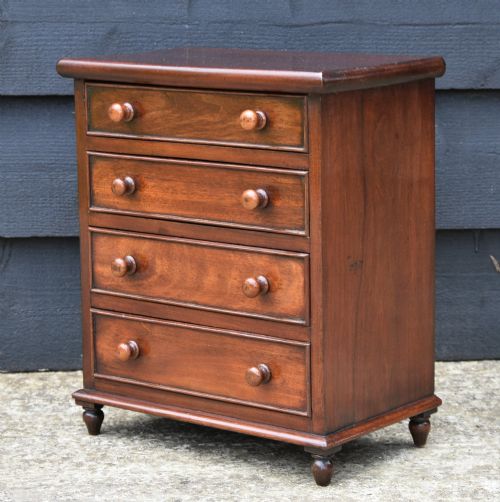
- A miniature version of a larger chest or set of drawers, made by a learner to demonstrate mastery of joinery techniques to a guild or employer. These items display the exact construction methods of full-scale furniture.
Victorian Wooden Storage Box: Frequently Asked Questions
What is a campaign box?
A campaign box is a portable chest built for military officers or travellers during the nineteenth century, constructed from timbers like camphor wood or teak. These pieces feature recessed brass hardware to avoid damage during transport.
They often include robust iron bindings and internal fitted sections designed to secure personal effects, uniforms, or documents on long journeys across empire routes.
How do I clean an old pine trunk?
Clean an old pine trunk gently using a soft, dry cloth to remove surface dust without disturbing the dry waxed or polished finish. Avoid modern liquid cleaners or excessive water, which can raise the grain or damage aged timber.
Apply a microcrystalline wax or traditional beeswax sparingly with a soft brush if the wood appears dry, buffing it gently after application to restore a natural sheen.
Are camphor wood chests safe for clothes?
Camphor wood chests are traditionally used for storing textiles and woollens because the natural aromatic oils repel moths and insects. The distinct scent protects garments without the need for chemical mothballs.
Ensure the interior is clean and dry before storing sensitive fabrics, as very strong residual oils can sometimes transfer fragrance to delicate items over extended periods.
How do I date a nineteenth century box?
Dating relies on examining construction methods, such as hand-cut dovetails, iron versus brass fixings, and the style of locks or escutcheons used on the lid. Machine-sawn timber and Phillips screws typically indicate later twentieth-century work rather than nineteenth-century production.
Timber choices also offer clues, as exotic woods like camphor and teak point toward specific colonial trade periods, while heavy brass-bound corners suggest mid-to-late Victorian military usage.