


Vintage Indian Dowry Box
These vintage indian dowry box pieces are substantial storage chests and cabinets built from hardwood and iron, offering both historic character and practical function.
Vintage Indian Dowry Box
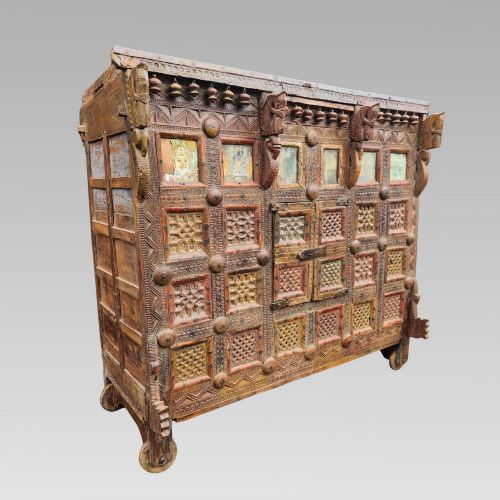
A vintage indian dowry box brings traditional craftsmanship into modern spaces, typically appearing as robust trunks, chests, and damchiya storage cabinets. Buyers seeking this phrase encounter pieces dating from the nineteenth century through the early twentieth century, reflecting varied regional traditions.
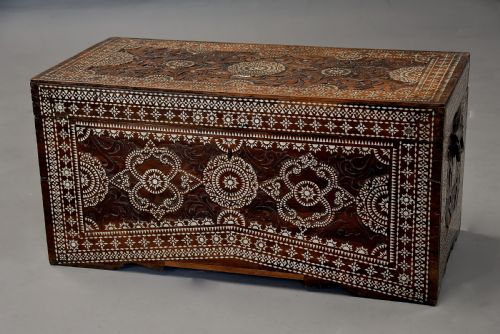
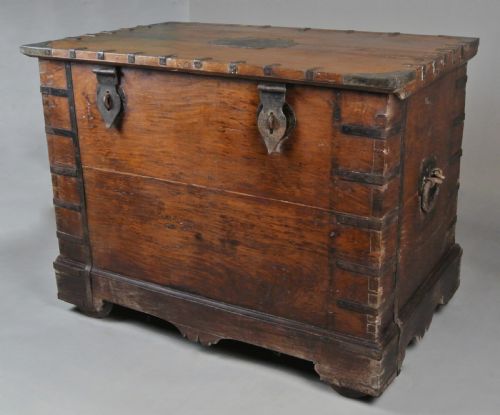
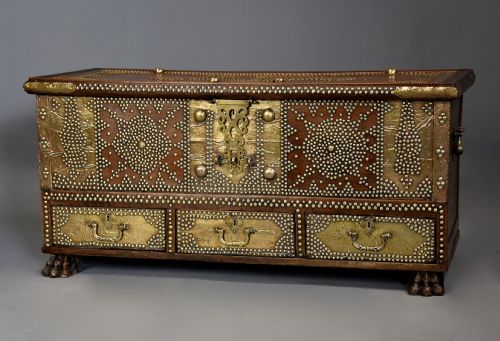
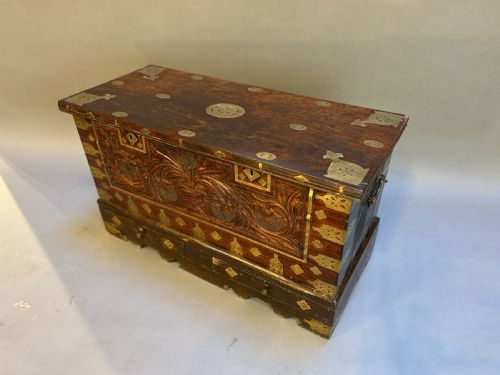
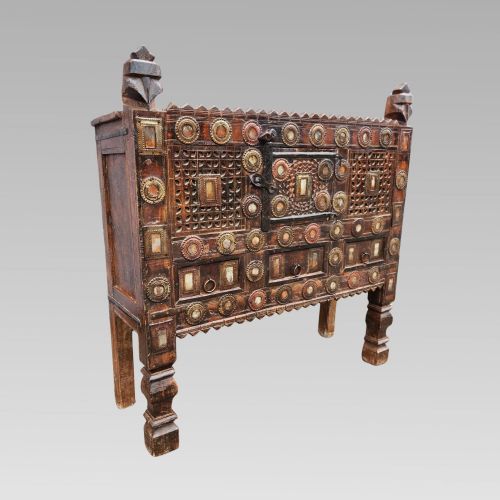
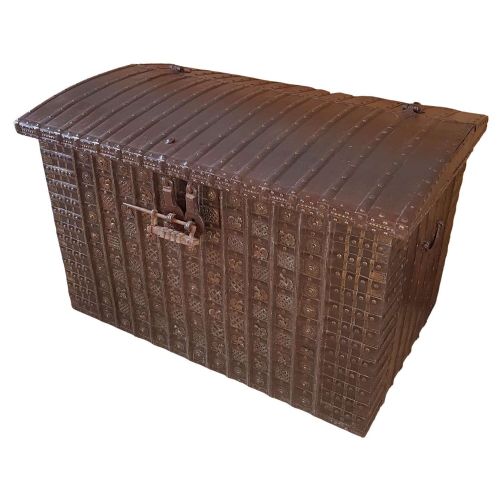
The assortment includes iron-bound trunks, brass-studded Zanzibar traders chests, and intricately carved damchiya cabinets originating from Rajasthan and other Indian regions. These items served as functional marriage or celebration chests before finding a place in contemporary interiors.
Most examples utilise heavy teak or general hardwood construction, often incorporating decorative metalwork or mother of pearl inlay. The selection balances utilitarian storage forms with ornate decorative arts traditions.
Materials and construction
Construction relies heavily on durable teak and dense hardwoods, chosen for structural strength in domestic storage. Carpenters assembled these heavy frames using traditional joinery, reinforced with iron bands and corner plates.
Surface decoration involves hand carving, brass studding, and mother of pearl inlay applied to the wood panels. Iron hinges, brackets, and specialised locks secure the heavy lids and doors of each chest or cabinet.
Listings feature pieces spanning the nineteenth century to the early twentieth century, constructed from teak, hardwood, iron, brass, and mother of pearl.
Assessing quality and finish
Quality in these chests is determined by the depth and intricacy of the hand carving, alongside the complexity of the brass or mother of pearl inlay work. Heavier iron banding and the presence of original, functional locks separate standard storage trunks from finer decorative examples.
The choice of primary timber influences the piece, with dense teak framing providing superior durability compared to mixed hardwoods. Condition of the original surface patina and the integrity of structural joinery distinguish well-preserved examples.
The Vintage Indian Dowry Box Glossary
- Damchiya
- A traditional low storage cabinet or chest from Rajasthan, often featuring carved wooden panels and a hinged front or top. These units functioned as traditional dowry furniture in family homes.
- Zanzibar Chest
- A heavy hardwood storage chest characterised by elaborate brass studding, strapwork, and decorative metal mounts. These maritime trading pieces reflect stylistic exchange across the Indian Ocean.
- Dowry Chest
- A large trunk or box prepared for a bride, used to transport household goods and valuables into her new household. They double as decorative storage furniture in modern settings.
- Hardwood
- Dense, durable timber derived from broad-leaved trees, forming the primary structural material for these heavy trunks and cabinets. Teak is a common variety seen in this group.
Vintage Indian Dowry Box: Frequently Asked Questions
What is a damchiya chest?
A damchiya is a specific form of carved teak storage cabinet originating from Rajasthan. These pieces served as traditional dowry furniture.
They combine robust woodwork with decorative panels, functioning today as low sideboards or feature storage units.
How were iron bound trunks used?
Iron bound trunks provided secure storage and transport for valuable household goods and textiles during the nineteenth century. The metal straps reinforced the heavy hardwood structure against long journeys.
Today, buyers utilise these sturdy chests as coffee tables or blanket boxes in living spaces.
What distinguishes a Zanzibar chest?
Zanzibar chests are identified by their heavy brass studding, decorative metal plates, and distinct strapwork across the hardwood body. These details reflect trade routes and cultural exchange across the Indian Ocean.
They offer a more ornate appearance than plain iron-bound trunks.
How do I care for antique teak furniture?
Antique teak and hardwood require minimal intervention, benefiting mainly from occasional dusting with a dry cloth. Avoiding direct sunlight and extreme temperature fluctuations preserves the natural timber and historic patina.
Application of natural wax can help maintain the condition of the carved surfaces.