

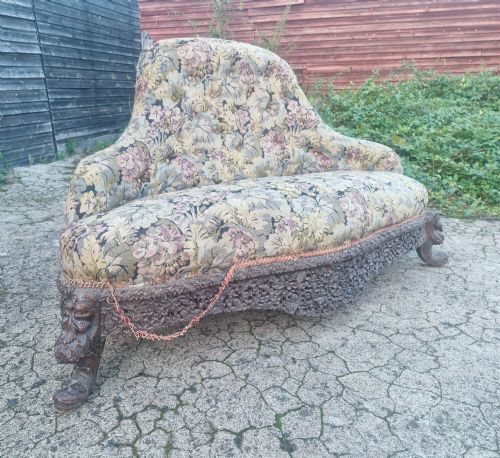



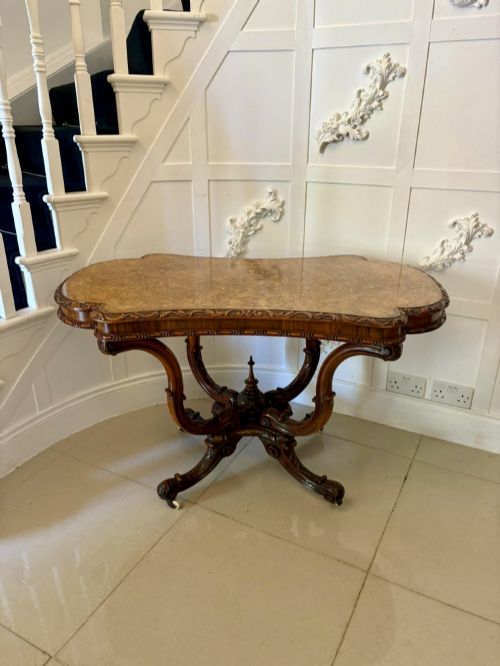
Victorian Wooden Sofa
A victorian wooden sofa brings substantial timber framing and period upholstery together to anchor a traditional room.
Victorian Wooden Sofa
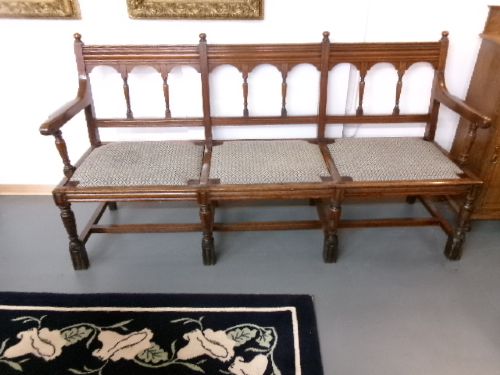
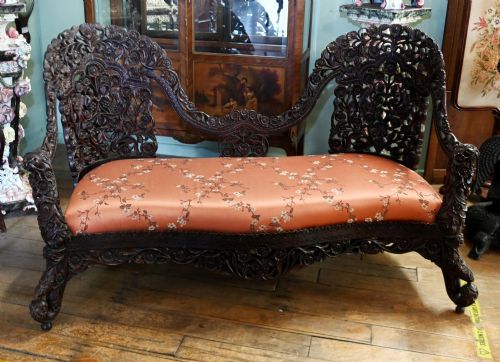
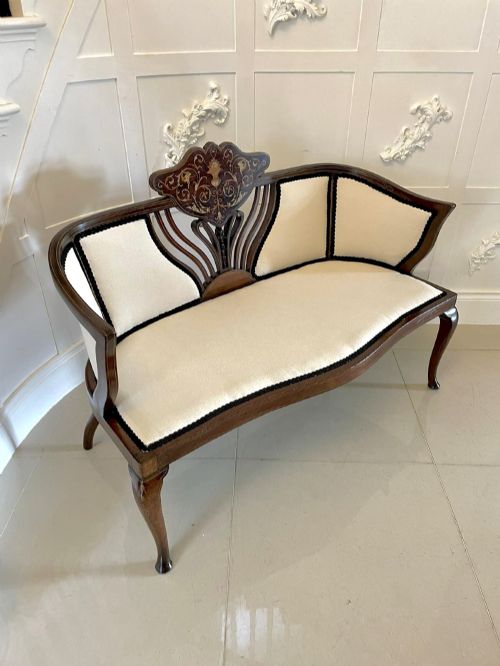
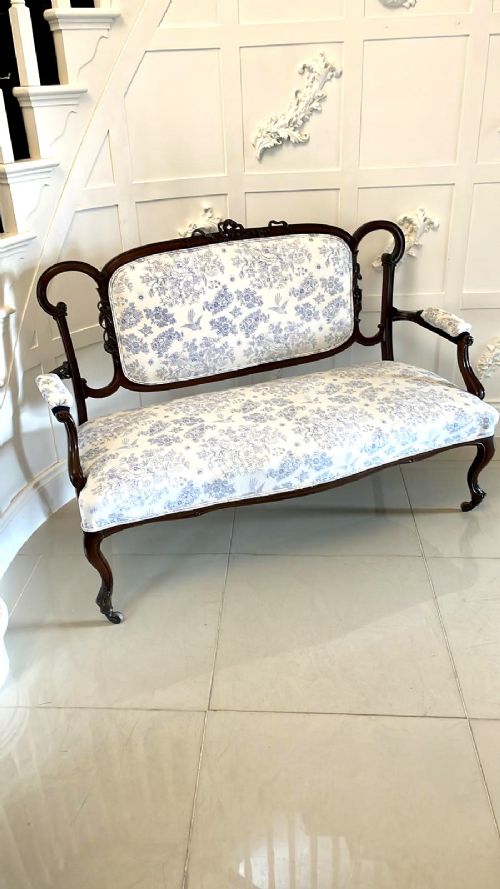
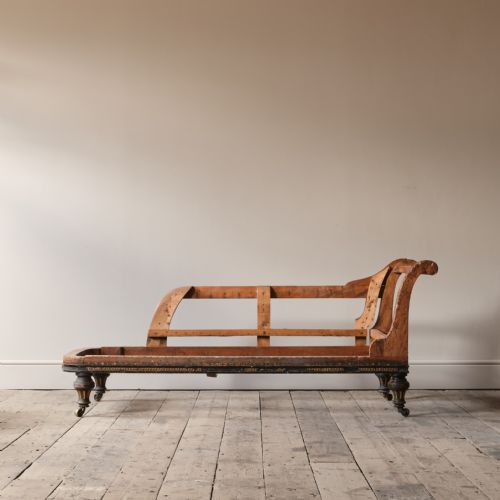
A victorian wooden sofa represents nineteenth-century seating constructed from hardwoods such as mahogany, walnut, and rosewood. These pieces range from carved settees and couches to chaise longues and bench seats originating from the 1850s to the 1890s.
Buyers look for these items to provide functional seating with distinct period character. The selection spans straightforward mahogany frames up to elaborate rosewood and walnut examples.
Factors of quality
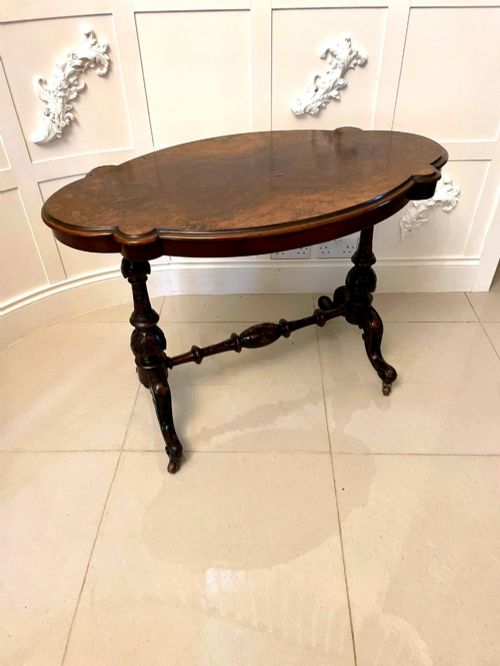
Quality rests primarily in the selection of timber and the crispness of any carved detailing on the wooden frame. Dense grains and finely figured burr walnut indicate higher workshop standards than plain or secondary softwoods.
The integrity of the structural joinery and the survival of original surface patination determine the grade of the piece. Superior examples exhibit balanced proportions and clean timber junctions without excessive modern intervention.
Victorian Wooden Sofa Retail Price Guide 2026
Typical asking prices for victorian wooden sofa among the pieces listed under this phrase on Sellingantiques today, from the lower quarter to the upper quarter. They describe what is for sale here now, not the wider market.
Listings feature nineteenth-century seating constructed primarily from mahogany, walnut, and rosewood.
Holland and Sons·Johnstone and Jeanes·W Turner Lord and Co
The Victorian Wooden Sofa Glossary
- Settee
- A long upholstered seat with a back and arms, designed for multiple occupants. These form a primary category of nineteenth-century seating.
- Chaise Longue
- An upholstered couch shaped like a chair with a long seat for reclining. These often feature an asymmetric scroll end.
- Burr Walnut
- A figured wood veneer derived from the abnormal growth of a walnut tree. It produces intricate, swirling grain patterns highly prized in cabinet work.
- Castor
- A small wheel mounted on a swivel assembly attached to the legs of furniture. These allowed heavy wooden seating to move easily across floor coverings.
Victorian Wooden Sofa: Frequently Asked Questions
How do I clean a wooden sofa frame?
Dust the timber regularly with a dry cloth to prevent grit accumulation on the polished surface. Apply a suitable wax polish periodically to nourish the hardwood grain.
Avoid using household chemical sprays or excess water on the wood. Protect the fabric upholstery separately according to its specific textile requirements.
Can I use these sofas daily?
These pieces were built for everyday domestic use using sturdy nineteenth-century hardwoods. Regular sitting remains entirely appropriate for sound frames.
Consider the internal webbing and padding condition before heavy daily occupation. Professional upholstery restoration ensures structural longevity for modern use.
How do I identify a Victorian sofa?
Examine the timber species, joinery methods, and characteristic styling details such as scroll arms and turned legs. Nineteenth-century pieces typically utilise solid mahogany, walnut, or rosewood framing.
Check for period construction markers like hand-cut joints and traditional upholstery foundations. Compare the silhouette against documented Victorian furniture forms.
Where should I place a wooden sofa?
Position the furniture away from direct sunlight and heat sources to prevent timber splitting and fabric fading. Allow sufficient space around carved wooden elements to showcase the frame.
Ensure placement accommodates the physical depth and length of the specific settee or couch. Balance the heavy timber presence with appropriate surrounding room proportions.