





Victorian Wooden Rocking Crib
These Victorian wooden rocking crib pieces are traditional nursery items built for gentle motion, offering genuine period charm for collectors.
Victorian Wooden Rocking Crib
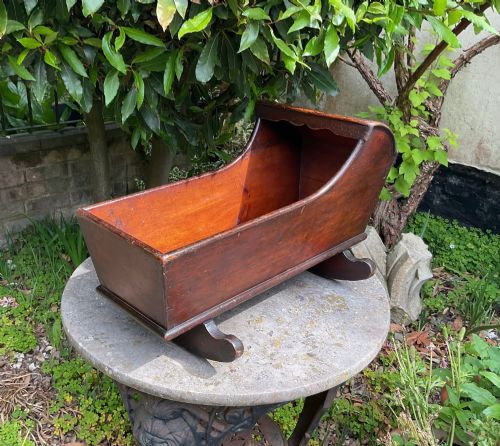
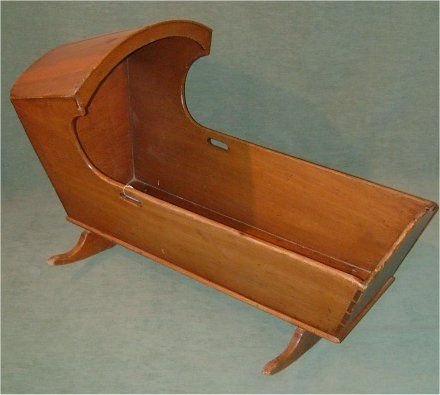
A Victorian wooden rocking crib is a domestic nursery piece designed to soothe infants through a curved base or mounted rocker mechanism. Buyers browsing this selection encounter various interpretations spanning the nineteenth century, including country styles and revival designs.
The objects listed range from simple pine cradles to architectural oak and mahogany constructions. Smaller doll furniture pieces also appear alongside full-scale infant beds, reflecting the domestic utility and miniature craftsmanship of the period.
Materials and construction methods
Cabinetmakers utilised native and imported hardwoods like mahogany and oak alongside practical softwoods such as pine. Construction frequently employed panelled joinery, carved detailing, and turned wooden spindles to build durable nursery furniture.
Interiors and structural elements occasionally incorporate woven cane, rattan, or upholstered sections to provide support and ventilation. Metal hardware and brass fittings appear where hinging or metamorphic transformations require mechanical components.
Victorian Wooden Rocking Crib Retail Price Guide 2026
Typical asking prices for victorian wooden rocking crib among the pieces listed under this phrase on Sellingantiques today, from the lower quarter to the upper quarter. They describe what is for sale here now, not the wider market.
One robust oak cradle is suggested by a dealer to make a good log basket.
Judging the quality of a piece
Quality rests upon the integrity of the timber selection and the precision of the joinery rather than mere surface decoration. Finer examples display thoughtful proportion, careful carving, and harmonious integration of rockers to the main body.
The sophistication of the design dictates distinction, moving from utilitarian pine country work to refined mahogany or oak pieces reflecting specific revival styles. Original surfaces and retained natural textures elevate the character of individual items.
Heals and son
The Victorian Wooden Rocking Crib Glossary
- Rocking crib
- A child's bed mounted on curved wooden rockers or runners to permit a gentle swaying motion. This form was standard in nineteenth-century nurseries.
- Canopy top
- An overhead structural framework designed to support fabric drapery above a bed or cradle. This feature provided protection from draughts.
- Metamorphic
- A piece of furniture designed to transform into an alternative form or function. Examples include designs that convert between a cot and other uses.
- Panelled
- Construction method utilising solid timber frames fitted with thinner central boards to prevent warping. This technique provides structural strength to the sides of cradles.
- Cane and rattan
- Flexible plant materials woven into decorative lattice patterns for ventilation and lightness. These materials appear in side panels of specific beds.
Victorian Wooden Rocking Crib: Frequently Asked Questions
What is a Victorian wooden rocking crib?
A Victorian wooden rocking crib is a traditional nursery bed built to hold infants and equipped with curved rockers for gentle movement. These pieces reflect the domestic woodwork and interior styles of the nineteenth century.
They survive today as decorative items or collectors' pieces, often utilised for display purposes within domestic settings.
How do you date these pieces?
Dating relies upon examining the timber species, joinery techniques, and stylistic revival influences present in the construction. Pieces often display characteristics specific to the nineteenth century or earlier revival periods.
Comparing the hardware, panels, and overall form against known historical examples helps establish the approximate period of manufacture.
What woods were commonly used?
Cabinetmakers employed a variety of timbers depending on the intended finish and regional workshop traditions. Mahogany and oak provided sturdy hardwoods for more formal furniture.
Pine served as a practical softwood for country pieces, while secondary materials like cane and rattan were incorporated into side panels for texture.
How can I use one at home?
These pieces integrate well into modern interiors as decorative focal points, plant holders, or storage vessels for household items. Their historical timber tones complement both traditional and contemporary room schemes.
Larger versions and doll furniture variations offer versatile display options without requiring extensive floor space.