



Victorian Wooden Head
A victorian wooden head is a wonderfully characterful carved sculptural form, prized by collectors for its striking presence and tangible sense of nineteenth-century craft.
Victorian Wooden Head
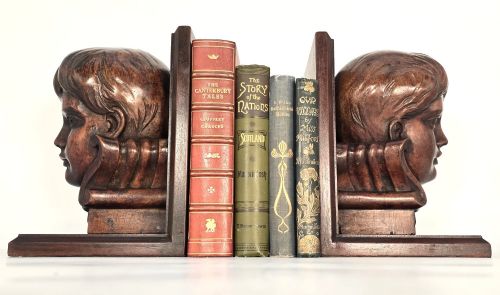
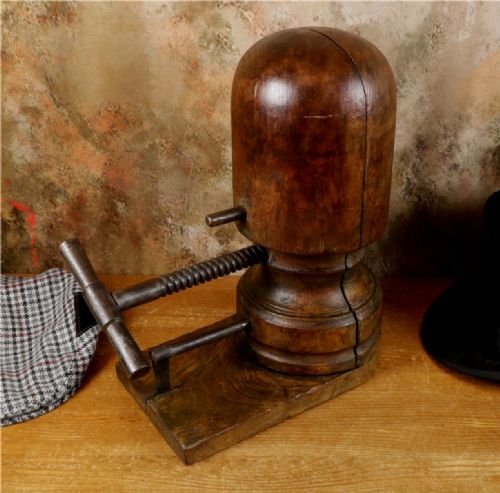
When you search for a victorian wooden head on this page, you encounter sculptural objects rooted in nineteenth-century utilitarian and decorative traditions. These pieces encompass millinery forms like hat stretchers, wig display stands, and carved display heads used in drapery shops.
The selection also bridges related sculptural woodcarvings from the period, including folk art puppets and carved animal studies. Most items originate from the nineteenth century, reflecting the era's dedication to practical display objects carved with individual personality.
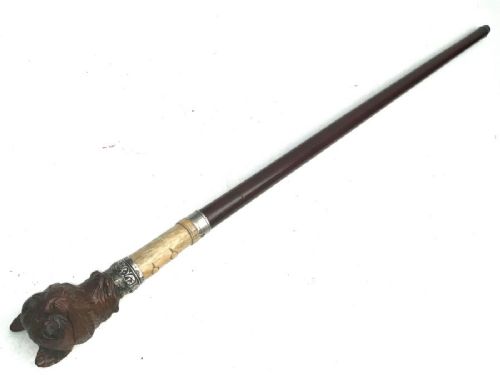
Buyers are most likely to meet utilitarian millinery blocks and vernacular carved heads alongside ornamental Black Forest animal carvings. Each object demonstrates the period's reliance on durable hardwoods fashioned for specific commercial or domestic display purposes.
How they were made
Selected pieces incorporate polychrome paint finishes or detailed surface inlays to enhance the visual depth of the carved wood. Tool marks left by chisels and gouges remain visible on many surfaces, recording the direct manual labour involved in shaping the timber.
Object types span practical millinery hat stretchers, wig display stands, and carved animal tobacco boxes.
What varies in quality
Quality rests primarily on the anatomical accuracy, depth of carving, and expression achieved by the artisan. Superior examples display confident, lifelike proportions and careful attention to surface detail rather than hasty, schematic shaping.
The preservation of original surface finishes, such as aged patina or authentic polychrome paint, distinguishes finer survivals. Pieces retaining their original structural integrity without heavy modern alterations command greater appreciation from serious collectors.
Peter Spicer·Edward Gerrard and Sons
The Victorian Wooden Head Glossary
- Millinery head
- A carved wooden form used by hat makers and drapers to shape, stretch, or display headwear. These objects often bear the smooth, worn patina of prolonged commercial use.
- Black Forest
- A style of intricate woodcarving originating from the mountainous region of Central Europe during the nineteenth century. It is celebrated for naturalistic depictions of animals and human figures.
- Polychrome
- Painted in several colours. This surface treatment was occasionally applied to wooden sculptures and puppet heads to heighten realism.
- Hardwood
- Timber derived from broad-leaved deciduous trees, providing the dense, durable material necessary for detailed nineteenth-century carving.
Victorian Wooden Head: Frequently Asked Questions
What was a victorian wooden head used for?
These carved wooden items served practical roles in nineteenth-century shops, functioning as hat stretchers, millinery display blocks, and wig stands. Drapers and hatters relied on them to maintain the shape of delicate headwear while presenting goods to customers.
Beyond commercial utility, some carved wooden heads belonged to folk art puppets or decorative studio displays. Their dual role as functional tools and striking sculptures explains their enduring appeal for interior display today.
How do I identify a nineteenth-century piece?
Examine the timber, tool marks, and overall wear patterns for indicators of nineteenth-century manufacture. Period examples often utilise dense hardwoods like walnut or oak shaped by hand chisels rather than modern high-speed machinery.
Look closely at the finish for deep, authentic patination accumulated through decades of handling. Surface marks and construction methods consistent with Victorian workshop practices help confirm the age of the piece.
Are these heads suitable for daily display?
These carved wooden objects integrate smoothly into domestic interiors as sculptural focal points on shelves, desks, or mantelpieces. Their robust construction from seasoned hardwoods makes them remarkably stable for long-term placement.
Positioning them away from direct heat sources and strong sunlight protects the timber and any original surface finish from drying out. Occasional dusting with a dry cloth keeps the wood clean without harming the historic patina.
How do millinery heads differ from folk art carvings?
Millinery heads were strictly produced as commercial tools for shaping hats, resulting in smooth, standardised contours designed to support brims and crowns accurately. Their forms prioritise utility and correct anatomical proportions for millinery work.
Folk art carvings, by contrast, emerge from independent traditions where makers emphasised expressive character and individual artistic interpretation. These pieces often feature more rustic tool work and whimsical details absent from commercial shop equipment.