
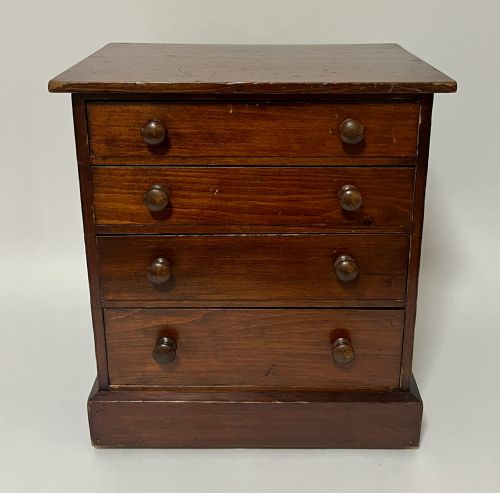
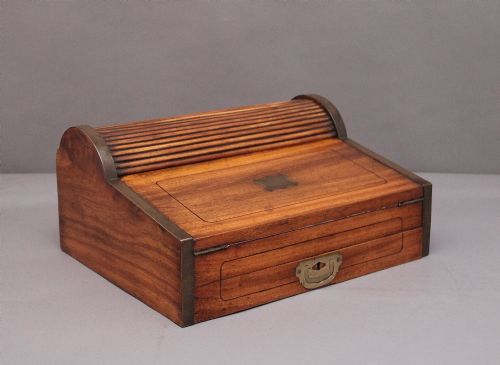
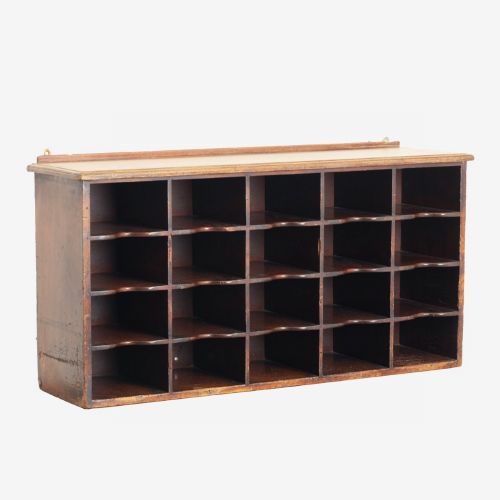


Victorian Wooden Desk Tidy
A victorian wooden desk tidy brings order to papers and ink, combining practicality with rich timber grains.
Victorian Wooden Desk Tidy
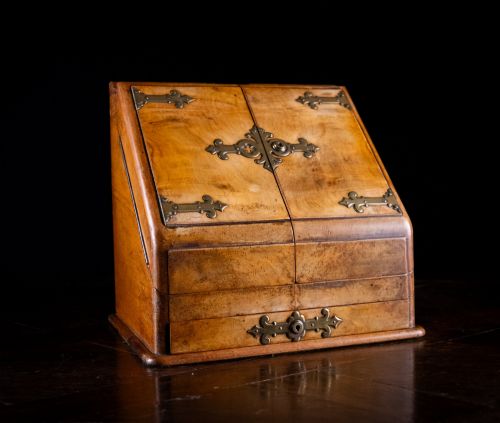
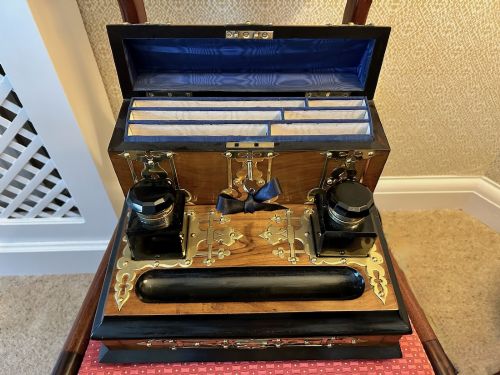
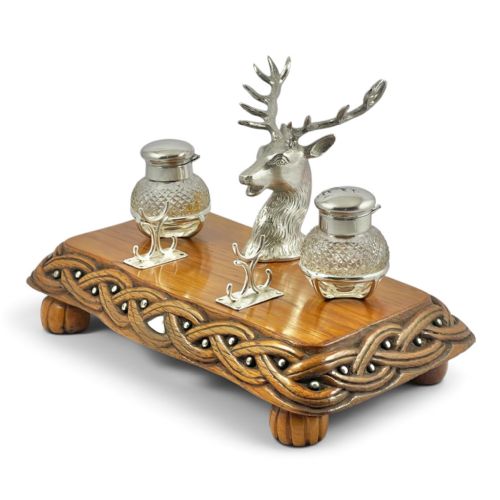
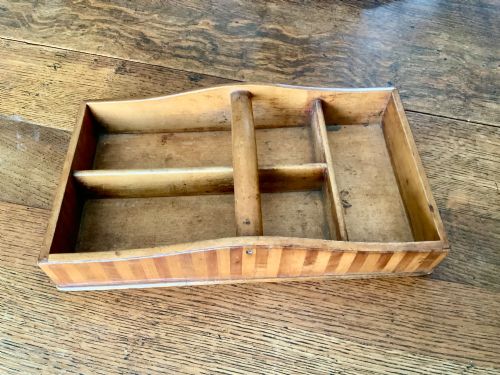
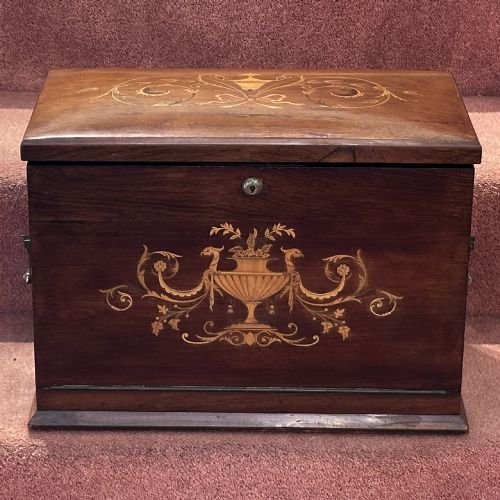
A victorian wooden desk tidy gathers letters, inkwells, and pens into a single organised station for the writing table. These pieces range from simple open racks to sophisticated cabinets with fitted compartments, secret drawers, and brass mounts.
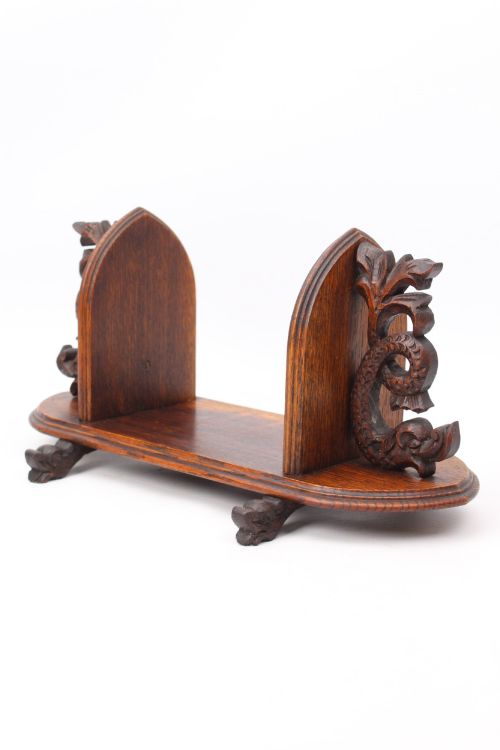
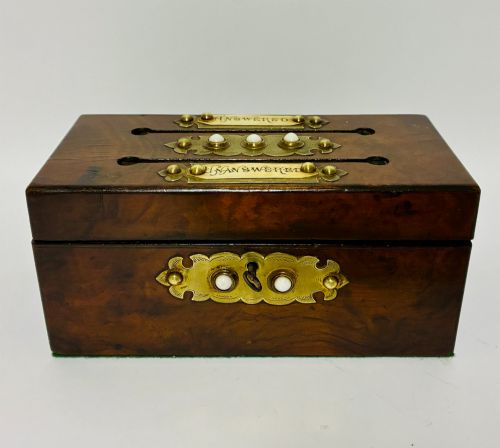
The selections available here lean heavily towards nineteenth-century craftsmanship, with walnut, oak, and coromandel dominating the forms. Buyers encounter various utilitarian containers designed for specific office tasks, including stationery boxes, inkstands, and letter racks.
Originating in an era when correspondence required dedicated writing implements, these accessories reflect the rigorous clerical habits of the period. Today, they serve a similar role on modern desks, housing mail and small desktop items with period character.
How they were made
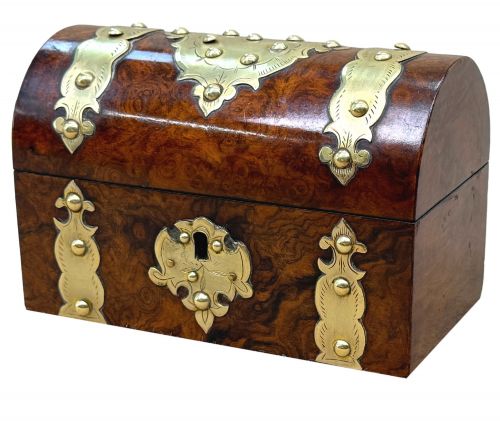
Cabinet makers utilised dense hardwoods such as mahogany, rosewood, walnut, and coromandel, often selecting burr veneers for decorative effect. These timbers provided the structural integrity needed for daily desk use while offering rich natural colour.
Metalwork played a key role in the construction, incorporating brass for hinges, carrying handles, campaign mounts, and inkwell collars. Carpenters frequently combined these materials with glass inserts for inkwells and occasionally bone or satinwood inlay for internal detailing.
Some nineteenth century oak stands doubled as insurance agent organisers and naval architect tidies.
What varies in quality
The standard of a piece depends heavily on the choice of timber and the precision of the joinery used in the compartments. Superior examples display carefully matched burr veneers, tight dovetail joints, and robust brass hardware that withstands frequent handling.
Complexity of design and internal engineering also separate standard containers from finer items. Desk tidies featuring secret drawers, adjustable dates, or fully fitted stationery slots demonstrate a higher level of workshop skill.
The Victorian Wooden Desk Tidy Glossary
- Stationery box
- A upright desk cabinet designed to hold envelopes, writing paper, and correspondence neatly. These containers often feature sloping lids or tiered compartments.
- Standish
- An inkstand or tray holding inkwells, pen holders, and sometimes a sander or wafer box. This term denotes a complete desk writing set.
- Campaign box
- A portable desk or storage chest built for travel, featuring recessed brass handles and robust structural reinforcement. These pieces were designed for military or colonial use.
- Book slide
- An adjustable desktop rack with expanding ends to hold a row of books upright. They utilise sliding wooden sections to accommodate varying numbers of volumes.
- Writing slope
- A box with an angled lid that folds down to form a slanted writing surface. The interior houses pens, ink, and storage space for stationery.
Victorian Wooden Desk Tidy: Frequently Asked Questions
What is a desk tidy used for?
A desk tidy organises writing materials such as letters, pens, and inkwells upon a table or bureau. They kept necessary correspondence tools close at hand during the nineteenth century.
Today, these wooden containers serve a comparable function for sorting modern mail, stationery, and small desk accessories while adding period charm to a room.
How do I date a wooden desk tidy?
Dating relies on observing the timber species, construction methods, and stylistic cues such as brass mounts or carved ornamentation. Victorian pieces frequently employ walnut, coromandel, or mahogany with brass banding.
Edwardian and later examples often shift towards simpler oak designs or Arts and Crafts letter racks. Examining internal drawer construction also helps determine the approximate age.
Were these items meant for travel?
Some pieces, such as campaign boxes and writing slopes, were specifically built for mobility and colonial travel. They feature durable timbers like camphor wood and flush brass hardware to withstand transport.
Other desk tidies and stationery cabinets were strictly stationary office accessories intended to remain permanently on a library desk or writing table.
What woods were used for desk tidies?
Cabinet makers utilised a variety of dense hardwoods including walnut, mahogany, rosewood, oak, and coromandel. Burr walnut and satinwood veneers were frequently chosen for decorative exterior surfaces.
Pine and other secondary timbers appear in concealed areas such as drawer linings and internal dividers, while brass provided structural reinforcement.