


Victorian Wooden Cheval Mirror
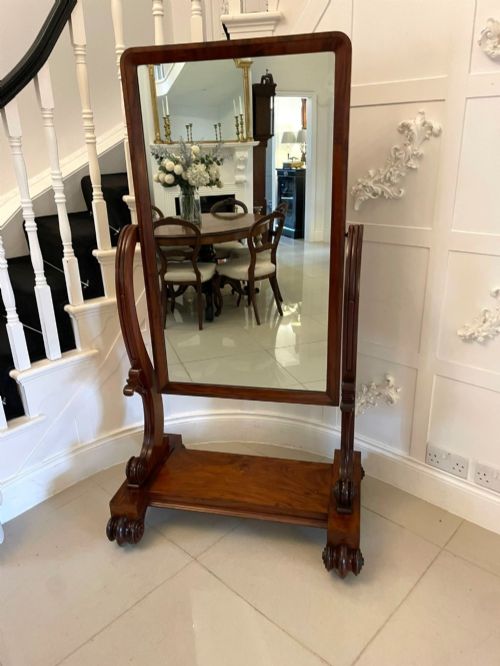
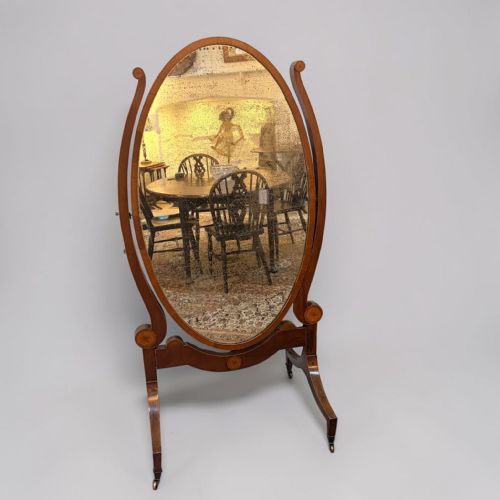
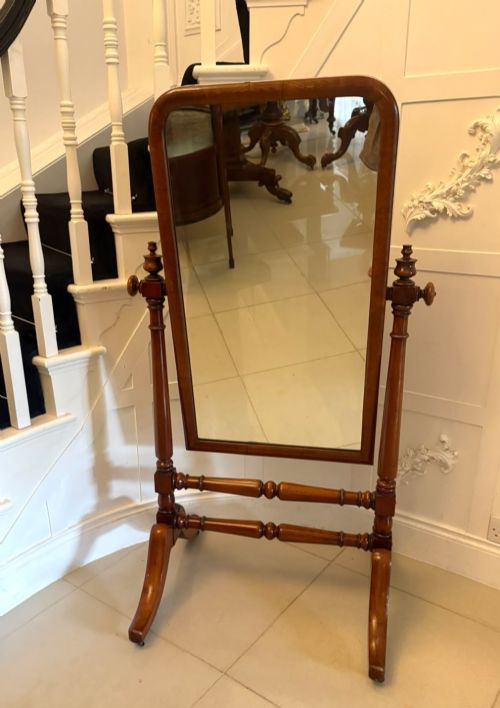
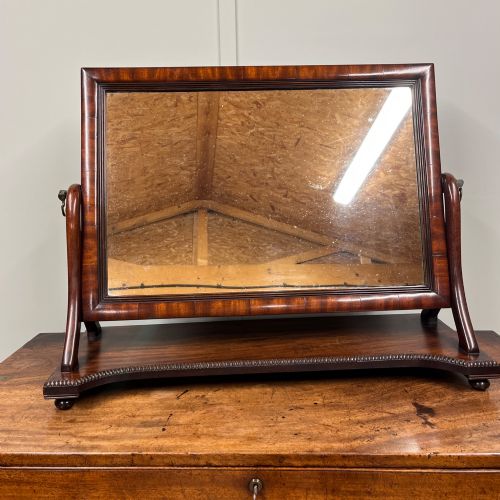
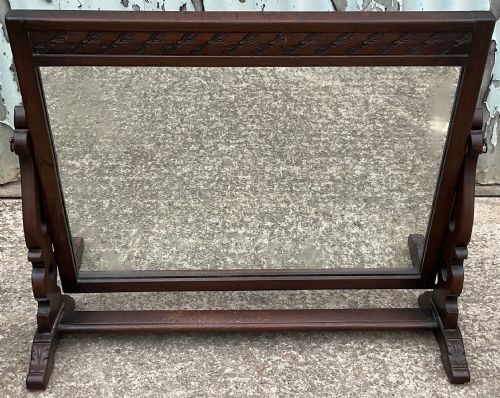
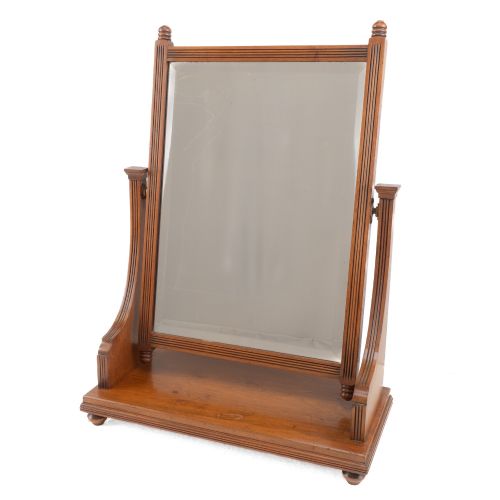
A victorian wooden cheval mirror stands as a commanding floor-length glass designed to pivot within a supportive frame for dressing.
Victorian Wooden Cheval Mirror
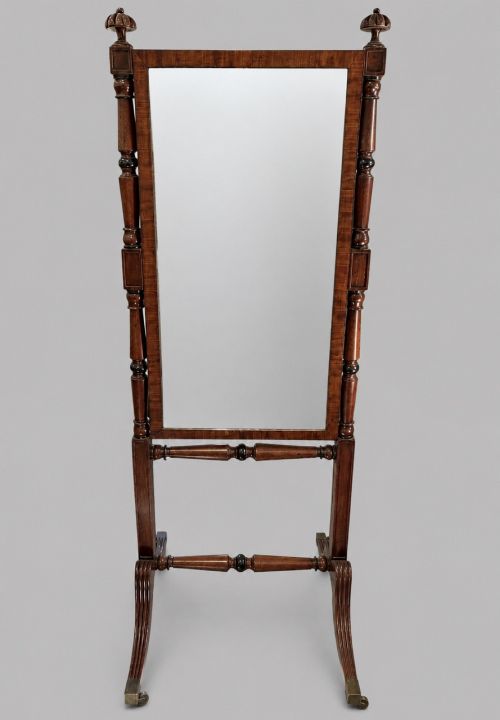
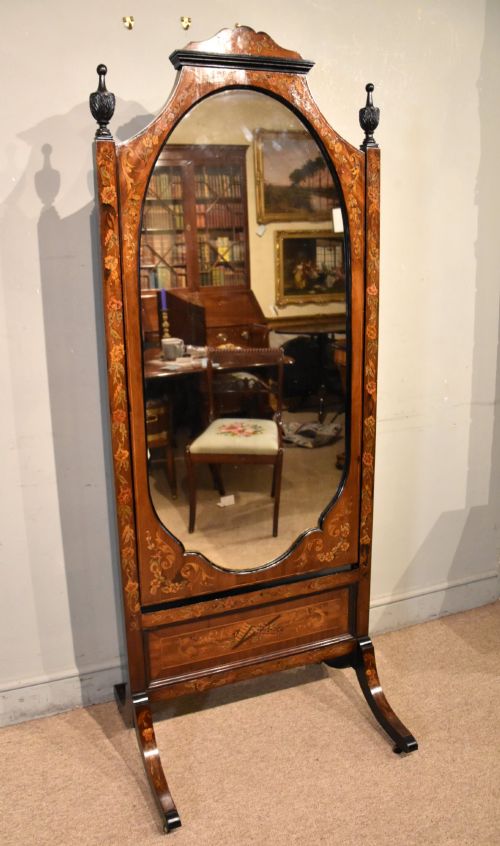
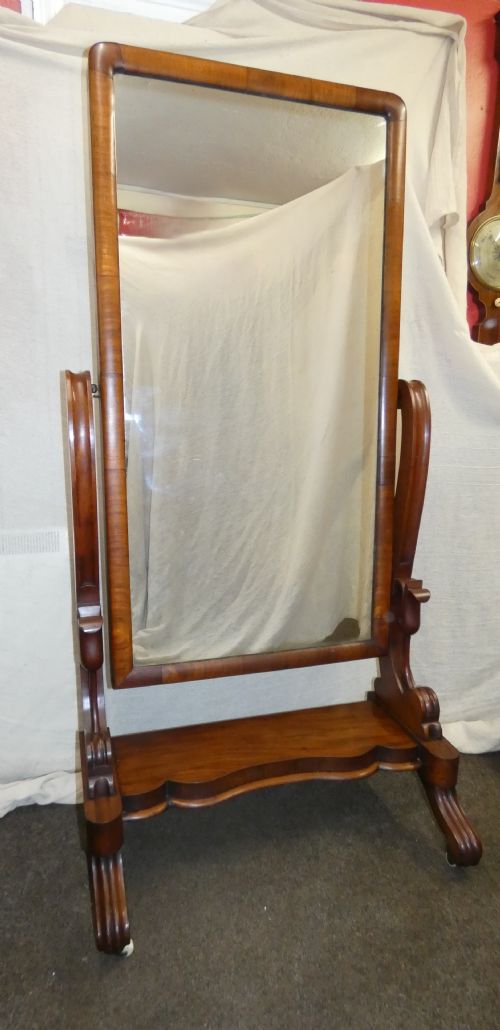
A victorian wooden cheval mirror takes the form of a freestanding floor glass that allows a full-length view of attire. The pieces appearing most frequently across this selection are robust mahogany examples mounted on sturdy floor stands.
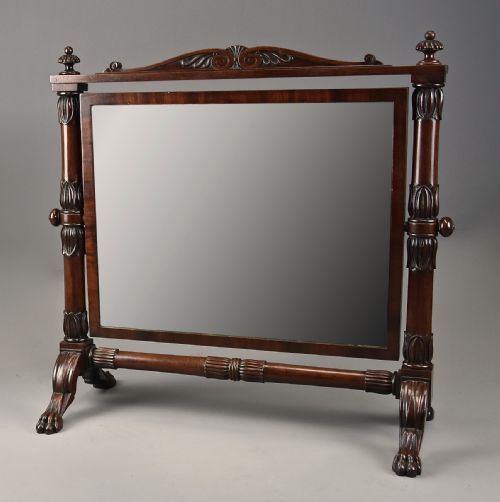
Makers shaped these tall frames to tilt smoothly on central pivots held by upright supports. Alongside floor-standing cheval mirrors, buyers encounter smaller table-top dressing and toilet mirrors sharing similar timber construction.
Periods represented range from Regency through the Victorian era into the early twentieth century. These furnishings served bedrooms and dressing rooms as essential daily utilities before fitted wardrobes gained popularity.
Materials and construction
Cabinet makers relied heavily on solid and veneered mahogany, alongside walnut, burr walnut, and oak. Timber selection defined the weight and presence of each frame.
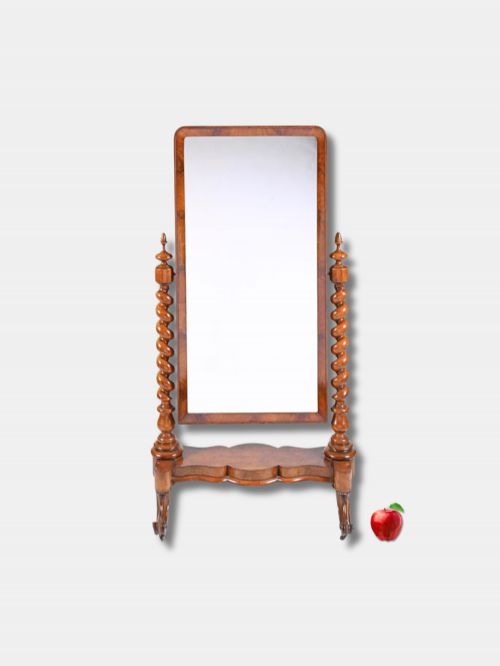
Brass hardware such as candle sconces, adjustable arm pivots, and castors accompanied the wooden structures. Carved details, barley twist supports, and inlaid motifs added decorative distinction to the polished wood surfaces.
Some nineteenth-century examples doubled as boot maker's mirrors, helping gentlemen inspect their footwear from floor level.
Judging the execution
The density and figuring of the timber distinguish finer examples from standard production. Rich flame mahogany and burr walnut veneers demonstrate superior material selection by the maker.
Engineering of the pivot mechanism and the stability of the upright supports determine daily utility. Solid joinery and substantial brass fittings indicate high workshop standards.
P & MA Nicholson·Gillows
The Victorian Wooden Cheval Mirror Glossary
- Cheval mirror
- A large freestanding mirror designed to swing vertically within a floor frame. It derives its name from the French word for horse.
- Toilet mirror
- A smaller dressing mirror built to sit upon a chest of drawers or a dressing table. These often feature smaller box bases fitted with tiny drawers.
- Flame mahogany
- A distinctive wood grain pattern resembling flickering flames achieved by cutting across the branch forks. Cabinet makers prized this figure for principal display surfaces.
- Barley twist
- A carved spiral column resembling the shape of barley stalks. Makers turned wood into this helical form to support mirror frames.
- Burr walnut
- Timber taken from the abnormal growth knots of walnut trees, yielding highly ornamental swirling patterns. This material denoted luxury in Victorian furnishings.
Victorian Wooden Cheval Mirror: Frequently Asked Questions
How do I place a cheval mirror?
Position the mirror in a bedroom or dressing area where natural light can reflect across the room. Ensure the floor is level so the frame stands firmly without rocking on its base.
Allow sufficient clearance around the piece for the glass to tilt fully on its pivots. Keep the timber away from direct heat sources to protect the polished wood finish.
What is a boot maker's mirror?
A boot maker's mirror is a specialised low-slung variant of the dressing glass designed to assist customers when trying on footwear. These compact pieces sit closer to the floor than standard cheval mirrors.
They share the same pivoting wooden frame construction but offer an angled view suited for checking boots and shoes.
How do I date these mirrors?
Examine the timber species, joinery methods, and decorative styles to determine age. Regency pieces often show clean classical lines, while Victorian examples introduce heavier carved supports or inlay.
Secondary woods used inside drawer boxes, where present, also provide clues to the manufacturing period. Screw types and backboards further help confirm the date of production.
Can the mirror glass be replaced?
Original mirror glass often displays light foxing and oxidation from age. Many collectors prefer preserving this authentic surface rather than installing new glass.
If replacement becomes necessary, consult a specialist who can source glass matching the thickness and bevel of the original plate. Care must be taken not to damage the antique wooden rebate during any glass change.