
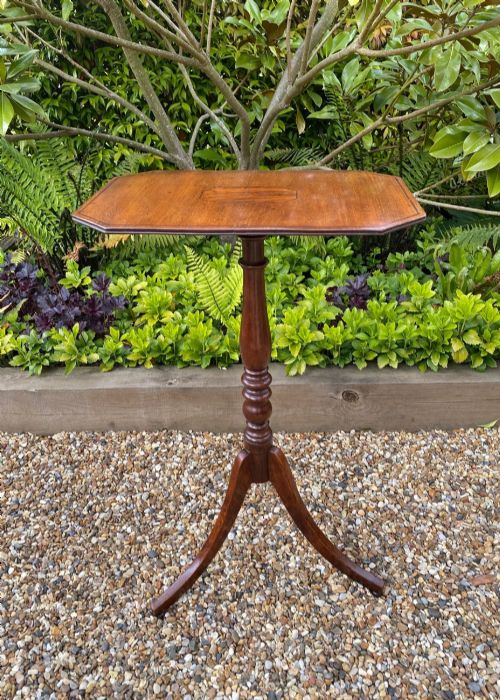
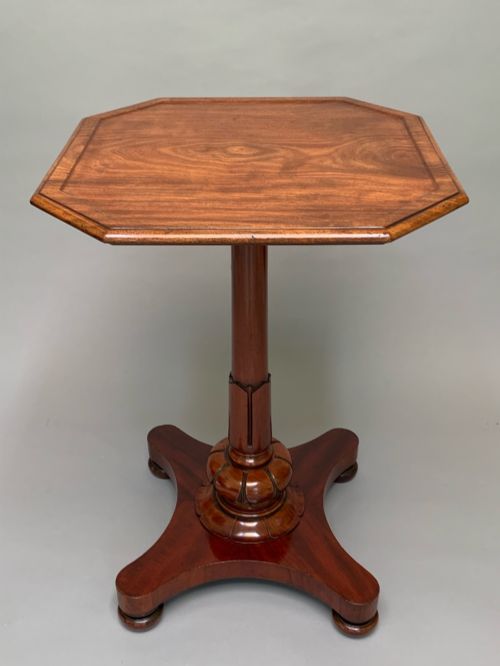
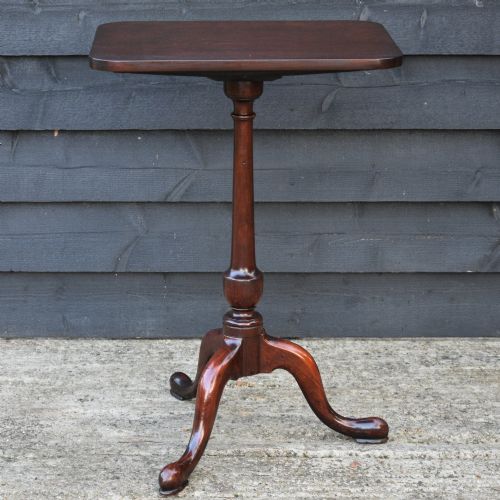
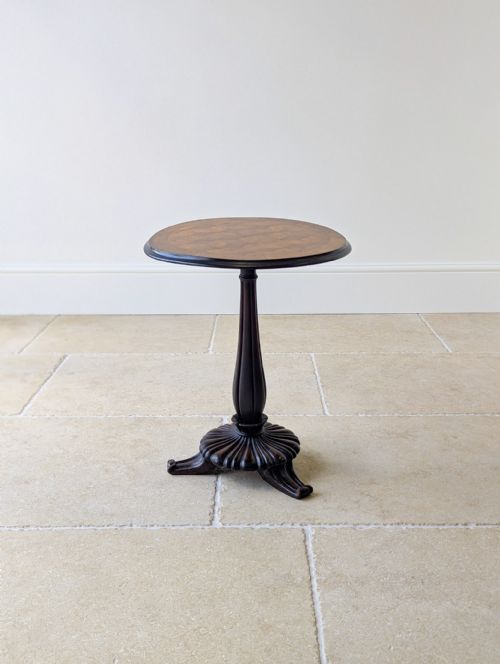

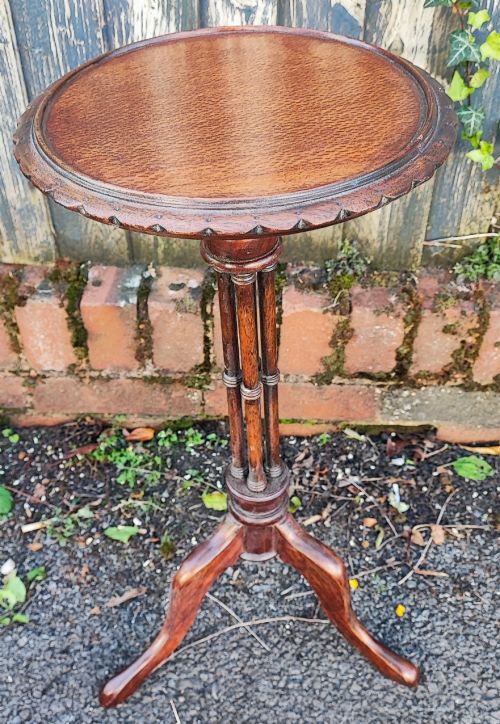


Victorian Wooden Candle Stand
A victorian wooden candle stand brings height and illumination to a dark corner, combining practical support with the rich grain of nineteenth-century timber.
Victorian Wooden Candle Stand
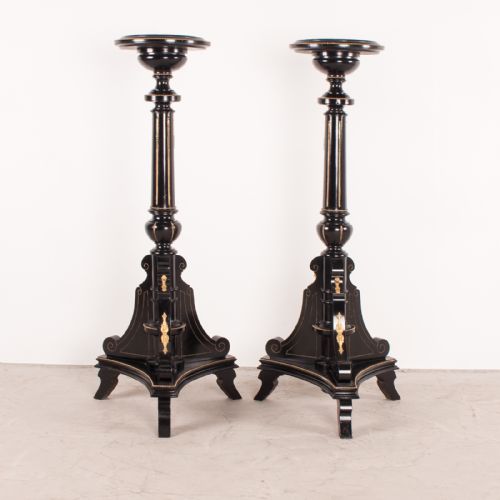
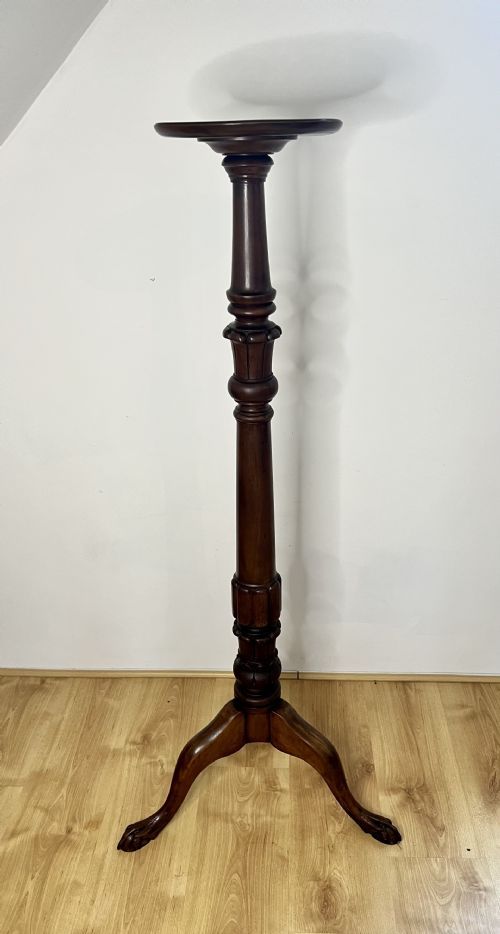
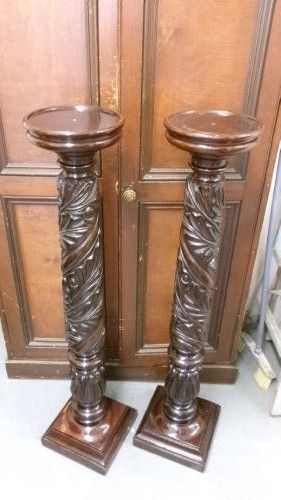
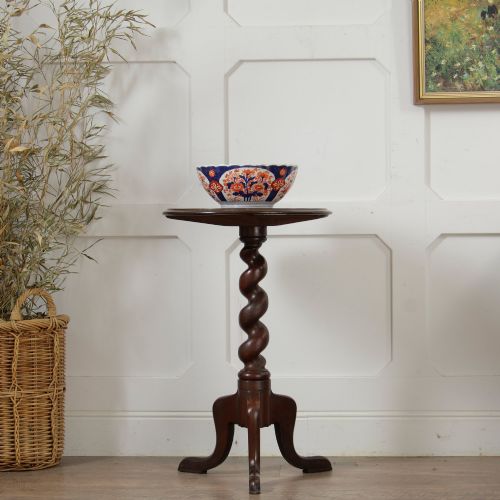
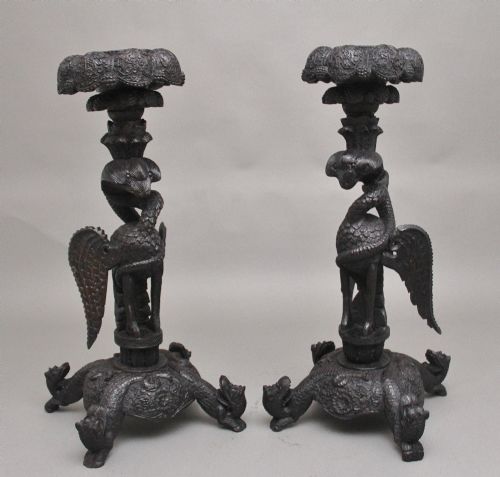
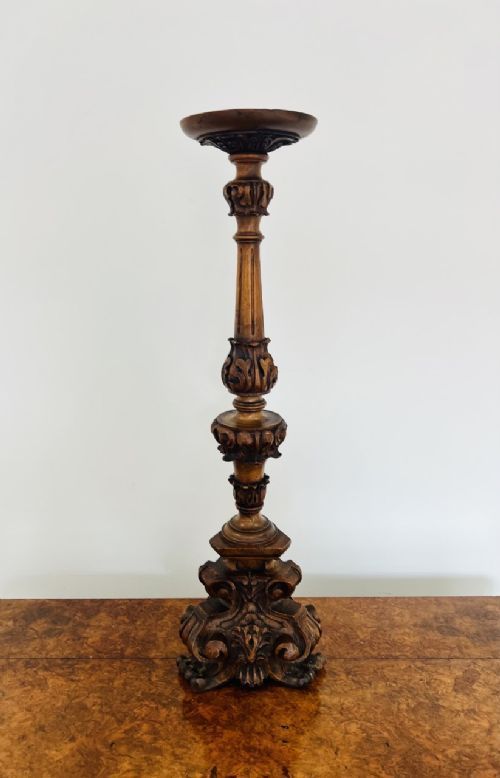
A victorian wooden candle stand encompasses tall torcheres, low wine tables, tripod side tables, and small treen taper sticks designed to hold illumination or display ornaments. These pieces emerge predominantly from the nineteenth century, including Victorian, Regency, and William IV periods, alongside occasional continental or Anglo-Indian workshops.
Originating as functional items for candlelight before electricity transformed interiors, these stands now serve as versatile accent furniture for lamps and small objects. Their varied heights and slender profiles allow them to fit beside seating or fill narrow recesses in traditional and modern rooms alike.
Materials and Technique
Cabinet makers relied heavily on dense timbers such as mahogany, walnut, rosewood, and oak, often turning them on lathes to create barley twist columns and slender shafts. Hardwoods like lignum vitae and olive wood appear in smaller treen items and travelling pieces.
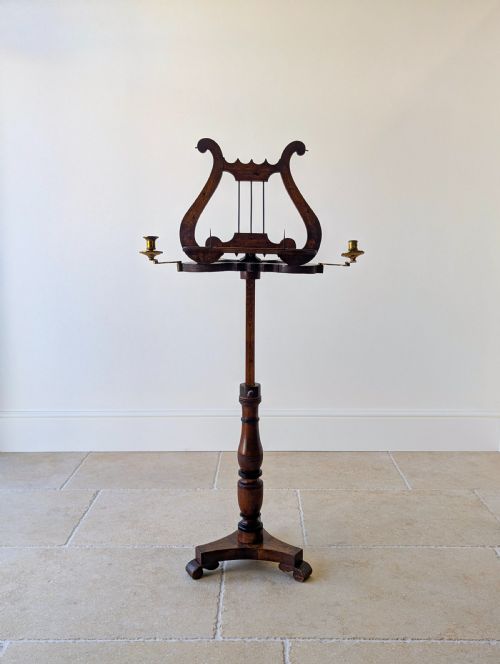
Construction techniques include traditional joinery, turned components, and detailed hand-carving applied to tripod bases, socles, and columnar supports. Brass fittings and tilt-top mechanisms add mechanical utility to several tables and lamp stands.
Craftsmanship and Proportion
Quality rests in the crispness of the hand-carving and the stability of the tripod base, where slender legs must meet the central column with absolute rigidity. Superior examples show thoughtful grain selection in the mahogany or burr walnut tops rather than relying on plain timber.
The refinement of turned elements, such as precise barley twists or finely proportioned socles, distinguishes a master maker's output from utilitarian workshop pieces. Weight distribution and balanced proportions ensure that tall torcheres remain stable despite their narrow footprints.
The Victorian Wooden Candle Stand Glossary
- Torchere
- A tall, slender stand designed to hold a light or decorative object. These elevated pieces often feature elaborate carving and tripod bases.
- Tilt-top
- A tabletop hinged to the pedestal so it can tilt vertically when not in use. This clever mechanism allowed tables to be stored flat against a wall.
- Treen
- Small handmade wooden household objects and utensils. Collectors prize these tactile items for their rich patination and visible tool marks.
- Barley twist
- A spiral turning resembling a twisted rope. This decorative technique appears frequently on nineteenth-century table legs and pedestals.
- Socle
- A short plinth or circular base supporting a figure or candle holder. It provides a stable foundation for vertical compositions.
Victorian Wooden Candle Stand: Frequently Asked Questions
What is a victorian wooden candle stand used for today?
These versatile stands serve as bedside tables, lamp supports, or plant pedestals in modern living spaces. Their compact footprints allow them to occupy narrow corners where standard furniture will not fit.
Historically designed to elevate a candle or oil lamp for reading, they now provide a convenient surface for drinks or small decorative accents.
How do I distinguish a torchere from a wine table?
A torchere stands taller and narrower, originally built to elevate a light source high above the floor rather than provide a surface for dining or drinking. They frequently feature carved columns and compact tops meant for display.
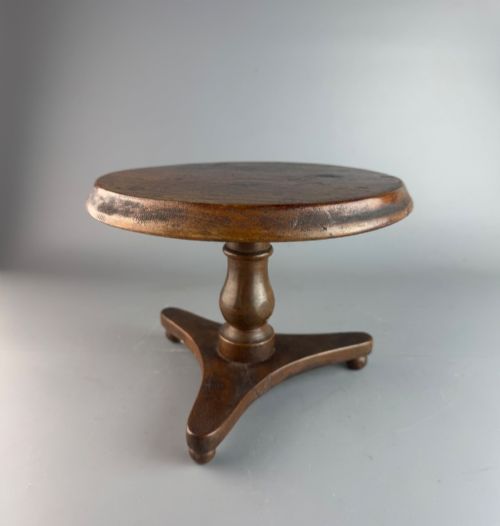
Wine tables sit lower and possess wider tops specifically proportioned for holding glasses or decanters during evening gatherings.
Where should I place a tripod stand in a room?
Tripod stands suit empty corners, beside armchairs, or framing a fireplace where their slender silhouettes add vertical interest. Their three-legged design rests securely even on older, slightly uneven floors.
Avoid high-traffic walkways if the piece is particularly tall or lightweight, ensuring the stand remains safe from accidental bumps.
How do I care for nineteenth-century wood surfaces?
Maintain the timber by applying occasional quality beeswax and buffing gently with a soft cloth to nourish the grain. Keep pieces away from direct heat sources and strong sunlight to prevent the timber from drying or cracking.
Avoid modern liquid polishes containing silicones, which can build up a cloudy residue over time and dull the historic finish.