



Victorian Wood Wall Plaque
A victorian wood wall plaque brings substantial architectural texture and deeply carved narrative scenes directly into domestic interiors.
Victorian Wood Wall Plaque
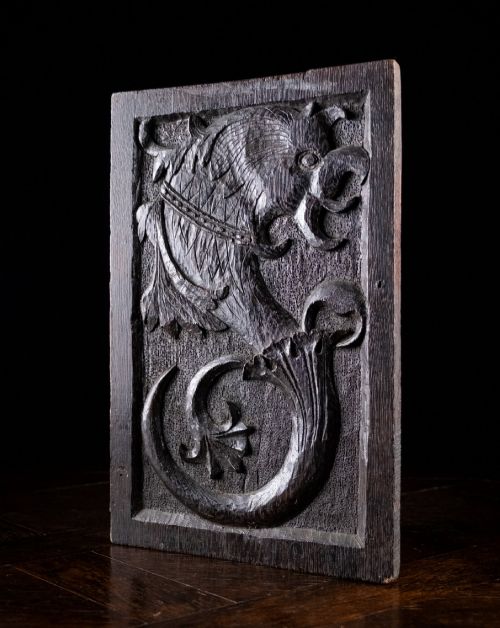
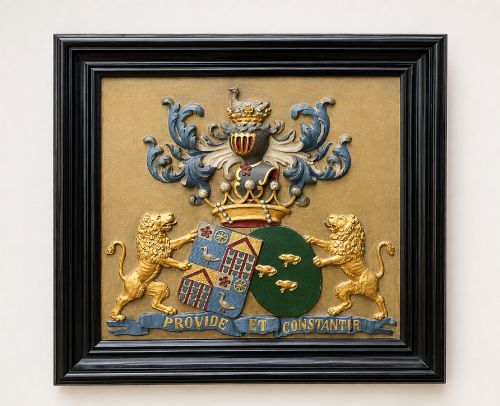
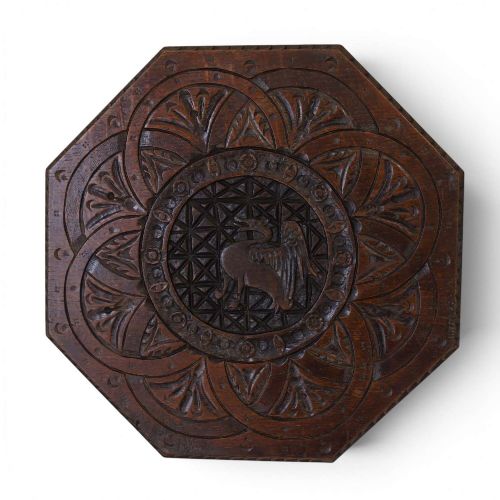
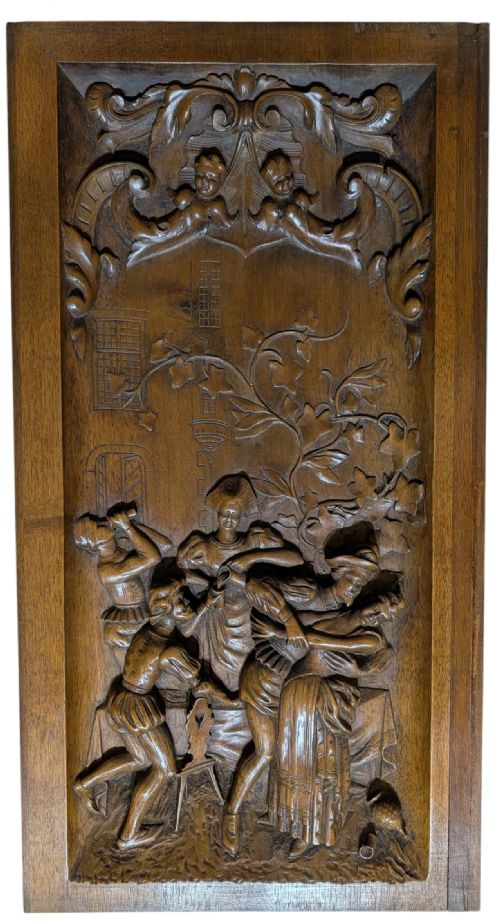
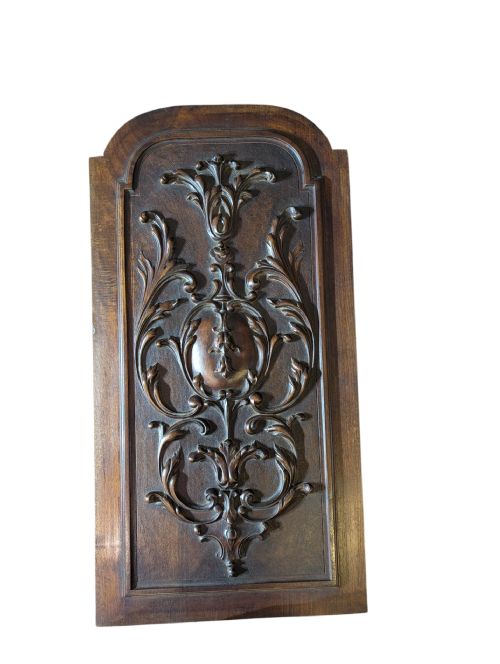
A victorian wood wall plaque encompasses carved panels, heraldic shields, hunting trophies, and architectural fragments originating predominantly across the nineteenth century. Buyers encounter dark oak reliefs, walnut armorials, and intricate Black Forest wildlife carvings depicting foxes, stags, and birds of prey.
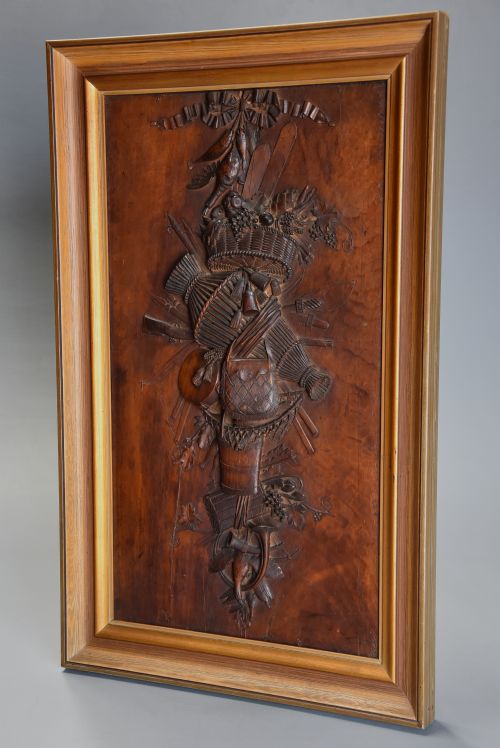
The selection frequently includes specialised forms such as Tunbridge Ware wood mosaic pictures, repurposed tabletops, and architectural salvage components. Continental fruitwood trophy carvings and British Gothic Revival portrait plaques appear alongside Dutch heraldic marriage pieces and commemorative texts.
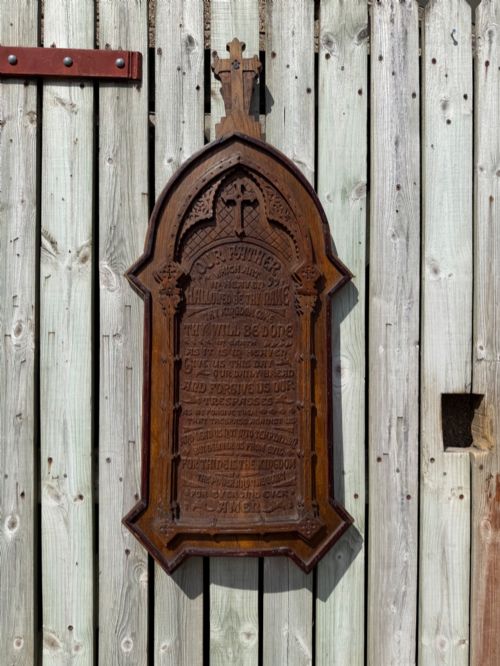
Many items derive from larger decorative schemes, including over-door panels, furniture crests, and castle salvage. These pieces range from domestic devotional panels like The Lord's Prayer to secular hunting sculptures and royal presentation badges.
Materials and Techniques
Cabinetmakers and carvers utilised dense hardwoods including oak, walnut, mahogany, and fruitwood to achieve sharp relief and lasting structural integrity. Timber selection dictated the depth of carving possible, with tiger oak and close-grained fruitwood allowing for intricate undercut foliage and animal musculature.
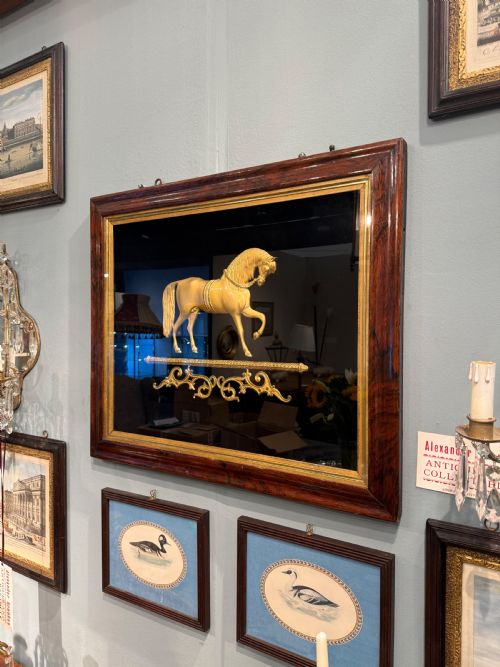
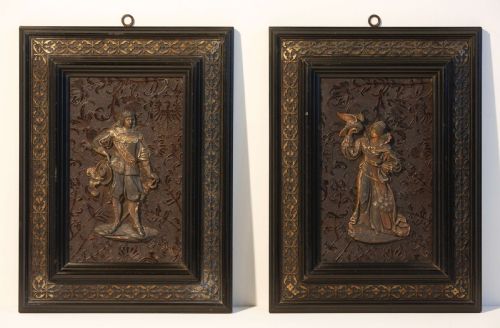
Surface treatment involved manual chiselling, gouging, and contrasting ebonised finishes to accentuate sculptural depth. Selected panels integrate applied gold leaf, brass frames, or micromosaic wood inlay techniques seen in Tunbridge Ware production.
Victorian Wood Wall Plaque Retail Price Guide 2026
Typical asking prices for victorian wood wall plaque among the pieces listed under this phrase on Sellingantiques today, from the lower quarter to the upper quarter. They describe what is for sale here now, not the wider market.
The documented forms range from Gothic Revival architectural panels to Black Forest hunting trophies.
Assessing Quality
Quality rests upon the sculptural confidence and anatomical accuracy of the hand carving rather than the mere presence of decoration. Pieces originating from exhibition-standard workshops display fluid movement in animal forms and crisp undercut detail in foliage, distinguishing them from mechanical production.
The integrity of the timber and the preservation of the original surface finish determine the lasting presence of an object. Superior examples retain their original mounting shields, un-chipped relief edges, and uncompromised joinery.
Van Rijckevorsel & Verheijen·Carlhian & Corbiere London
The Victorian Wood Wall Plaque Glossary
- Black Forest
- A regional style of wood carving originating from Switzerland and Germany, renowned for realistic animal sculptures and hunting motifs. These pieces frequently depict bears, deer, and game birds.
- Tunbridge Ware
- A form of British woodworking from Kent utilising thousands of tiny tinted wood blocks to create mosaic pictures and geometric patterns. It relies on precise joinery to form pictorial scenes.
- Armorial
- A design displaying a coat of arms or heraldic insignia carved in relief. These panels often commemorate marriages, family lineages, or institutional allegiance.
- Gothic Revival
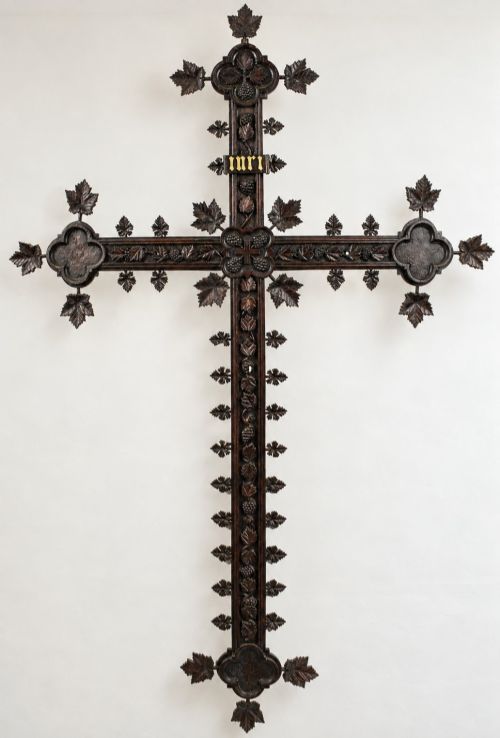
- An architectural and decorative style inspired by medieval design elements, prominent throughout the Victorian period. It utilises pointed arches, tracery, and heavy oak timbers.
- Trophy Carving
- A sculptural grouping composed of game animals, hunting implements, or musical instruments arranged symmetrically on a wooden panel. Such pieces adorned nineteenth-century lodges and dining rooms.
Victorian Wood Wall Plaque: Frequently Asked Questions
What rooms suit a wooden wall plaque?
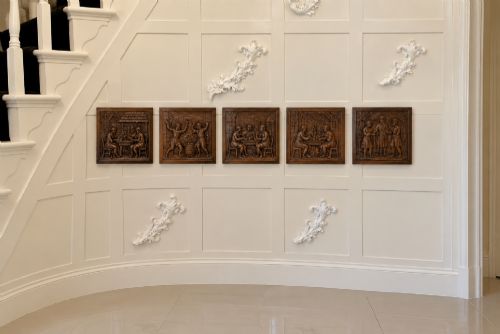
These pieces anchor spaces with high ceilings and traditional architectural proportions, functioning effectively above mantelpieces or along stairways. Their dark timber tones complement library shelving and panelled walls.
Smaller plaques integrate well into gallery walls alongside framed works on paper. Placing them away from direct sunlight preserves the natural oils in the walnut and oak timbers.
How do I hang a heavy carved panel?
Substantial wooden plaques require direct fixing into masonry wall anchors or timber studwork due to their considerable weight. Steel mirror plates or integrated rear battens provide secure support for protruding relief carvings.
Checking the stability of the original backboards ensures the timber does not warp under mounting tension. Professional installation is advisable for large architectural fragments and framed hunting trophies.
Are these plaques original to the Victorian era?
The listings span the nineteenth century, encompassing distinct stylistic phases from early Gothic Revival to late century Black Forest production. Dated examples and specific workshop labels assist in confirming precise manufacturing periods.
Stylistic markers such as tool marks, timber shrinkage, and fastener types help differentiate nineteenth-century carving from later reproductions. Oak and walnut panels often exhibit period-appropriate oxidation on exposed surfaces.
How should I clean antique wood carvings?
Maintenance requires gentle dusting with a soft, dry natural bristle brush to remove debris from deep relief crevices. Avoiding liquid polishes and silicone sprays prevents residue buildup that attracts dust over time.
Occasional application of microcrystalline wax feeds dry timber without darkening the natural grain. Environmental stability with moderate humidity prevents the old oak and walnut from splitting.