
Vintage Wooden Wall Decor
Vintage wooden wall decor covers a broad range of timber pieces, panels and mounted trophies that bring historical character straight into a room.
Vintage Wooden Wall Decor
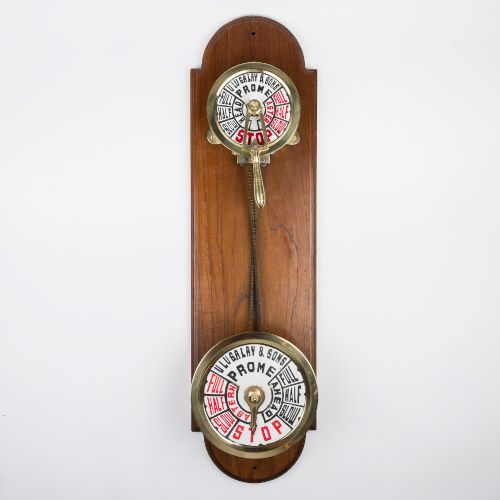
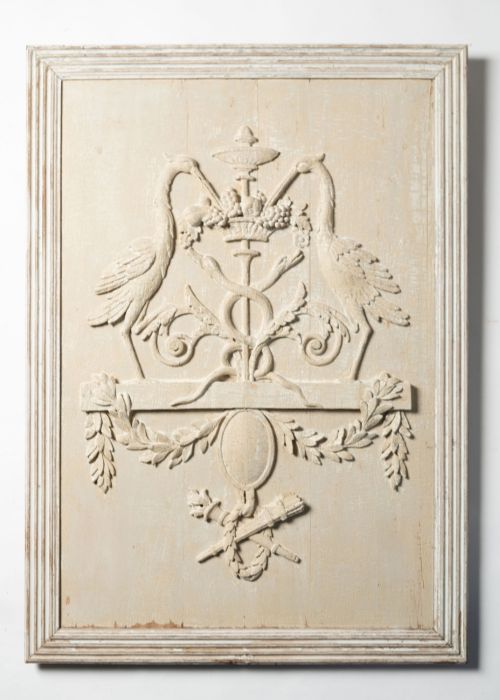
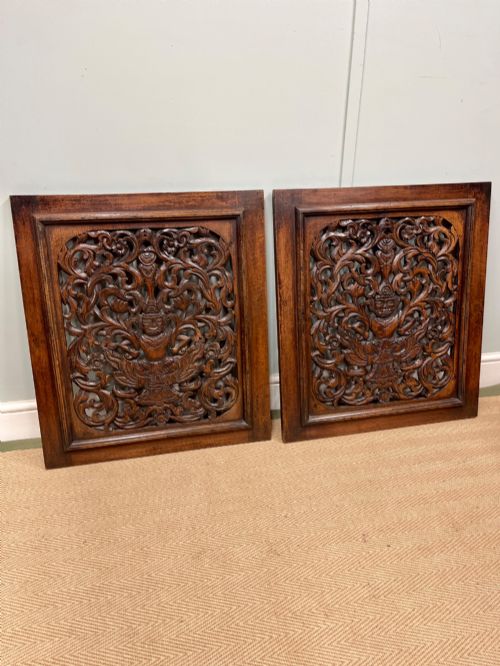
Vintage wooden wall decor encompasses an eclectic mix of functional objects, carved panels and natural specimens mounted for display. When searching this phrase, buyers encounter items ranging from 18th-century carved wood panels and Victorian barometers to early 20th-century taxidermy mounts and maritime instruments.
The selection on this page leans heavily toward solid timber items, architectural remnants, and wall-hung artefacts spanning the Victorian and Edwardian eras. Pieces often originate from domestic folk art traditions, maritime settings, or Highland lodges, reflecting utility and craftsmanship of their respective periods.
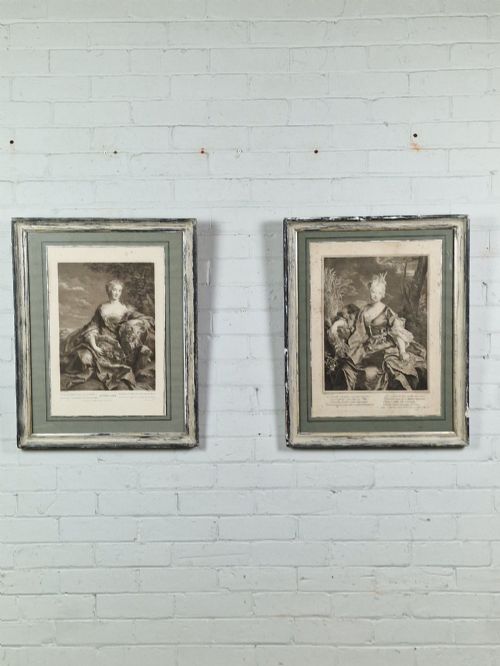
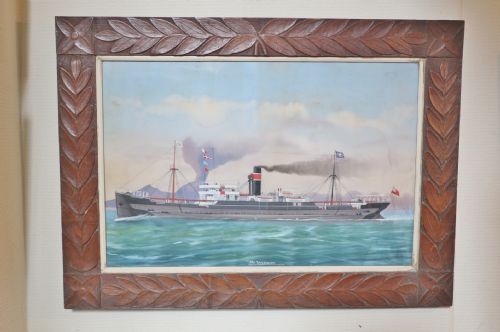
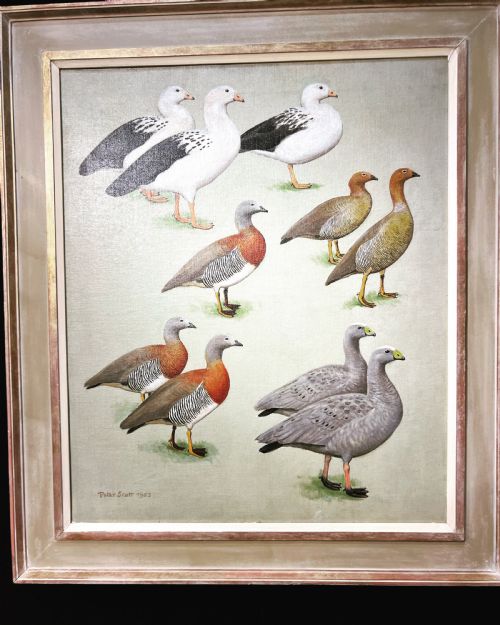
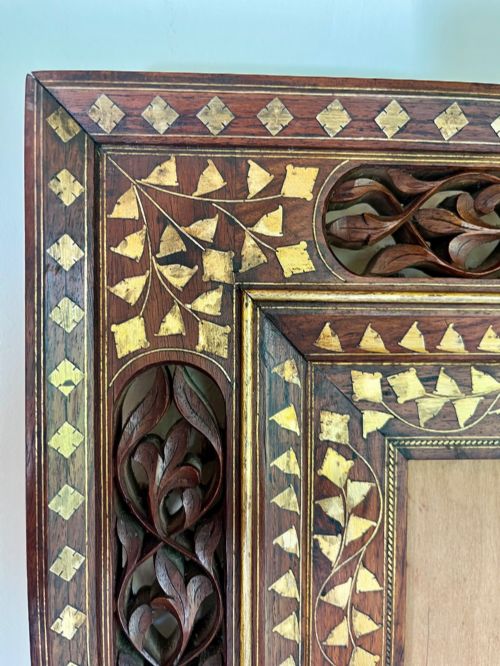
Forms include framed oil paintings, carved hardwood armorial shields, ship wheels, and antique mirrors framed in carved wood. Each object serves to anchor a room with distinct historical provenance and tactile texture.
Materials and technique
Construction relies primarily on hardwoods such as oak, ash, and burr walnut, frequently combined with secondary elements like brass, glass, and hand-applied paint. Carved panels and frames demonstrate traditional hand-chiselling and joinery techniques typical of the eighteenth, nineteenth, and early twentieth centuries.
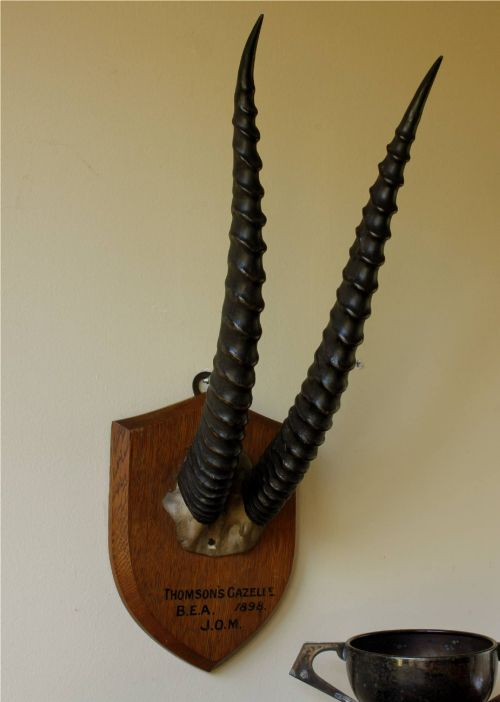
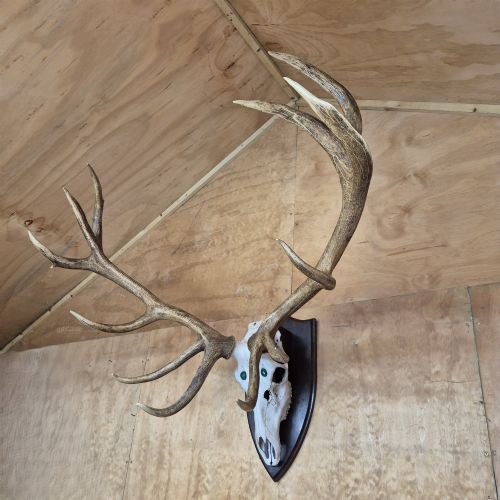
Mounted trophies and taxidermy integrate natural materials including bone, horn, and hide onto wooden shields or panels. Finished surfaces exhibit historic layers of lacquer, varnish, or original red and black paint, preserving the physical record of their manufacture and age.
What varies in quality
Quality in these wall pieces is determined by the depth and precision of hand carving, the preservation of original surfaces, and the structural integrity of the timber. Pieces retaining their untouched early finishes and crisp carved detailing stand apart from examples with modern alterations or heavy over-restoration.
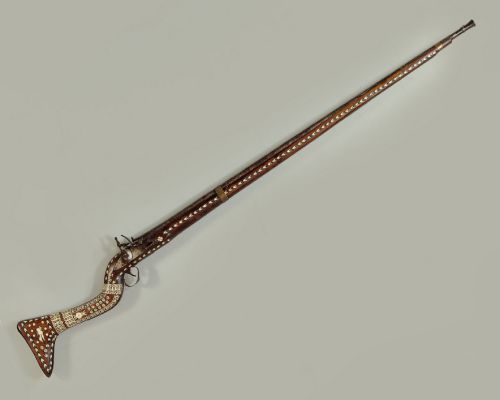
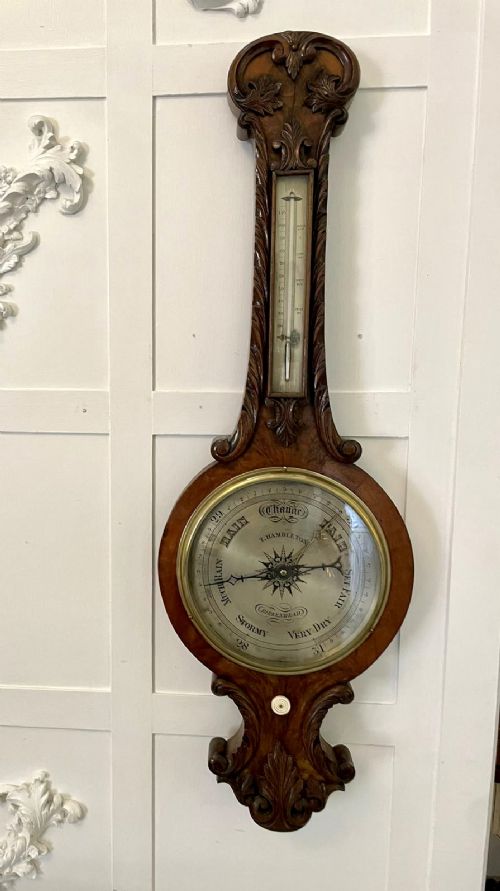
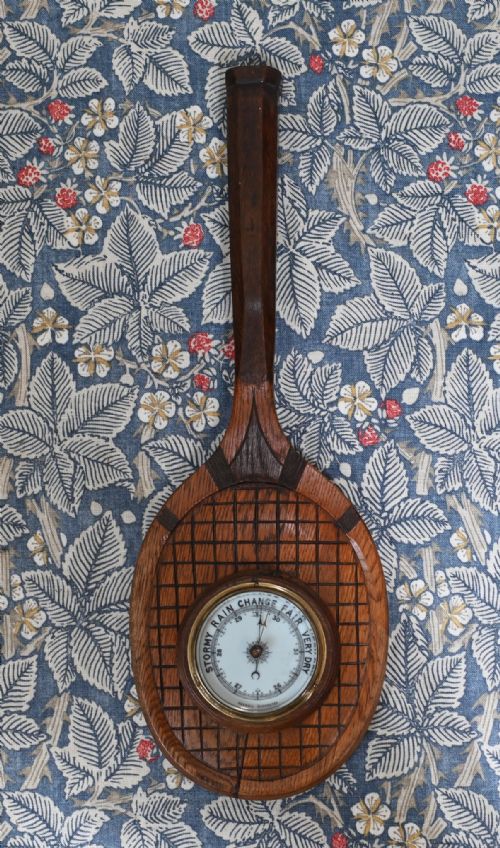
Provenance and materials also dictate distinction, such as the use of burr walnut in barometers or fine bone inlay on nineteenth-century panels. The authority of the maker or the specific historical context, whether maritime or Alpine, elevates an ordinary wall hanging to a collector piece.
Ulugary & Sons·L.H. Hagen & Co·Edward Gerrard & Sons·K & K Hof Atelier Pietzner·William Williams
The Vintage Wooden Wall Decor Glossary
- Taxidermy mount
- The preserved skin of an animal mounted over a sculpted form, often fixed to a wooden shield for wall display.
- Barometer
- An instrument used for measuring atmospheric pressure, frequently housed in highly polished wood cases like burr walnut or carved oak.
- Armorial shield
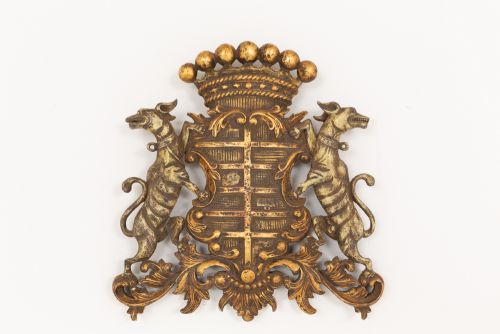
- A decorative wooden plaque displaying a coat of arms or heraldic insignia, carved in relief.
- Diorama
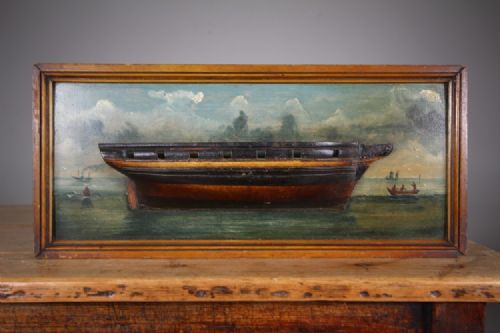
- A three-dimensional scene enclosed in a glass-fronted wooden box, often depicting maritime subjects or historical settings.
- Roundel
- A circular decorative panel or painting, sometimes lacquered or carved.
Vintage Wooden Wall Decor: Frequently Asked Questions
What is the best way to clean antique wood and taxidermy?
Dust antique wooden frames and panels gently with a dry, soft microfibre cloth to remove surface particles. Avoid using modern chemical polishes, which can strip historic wax finishes and damage dry timber.
Taxidermy elements require extra care, needing very light dusting with a soft brush. Keep both wood and taxidermy away from direct sunlight and damp environments to prevent cracking or fading.
How can I tell a Victorian barometer from an Edwardian one?
Victorian barometers often feature rich, dark woods like burr walnut with heavy, ornate carvings typical of mid-nineteenth-century taste. Edwardian examples tend to show lighter tones and cleaner lines, reflecting the shift toward simpler domestic interiors.
Examining the dial glass, bezel materials, and any presentation plaques helps narrow down the manufacturing decade. Maker signatures or registration marks on the case also provide precise dating clues.
Are these vintage wooden wall items suitable for bathrooms?
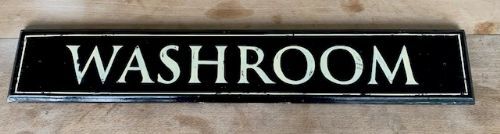
Historic timber, painted signs, and taxidermy are sensitive to moisture and humidity fluctuations. Bathrooms generate steam that can warp old wood, crack painted surfaces, and degrade natural horn or hide.
It is best to place these pieces in dry living areas, hallways, or studies where the temperature remains stable. Good ventilation is essential if a wooden wall hanging is displayed near any moisture source.