


Victorian Wood Server
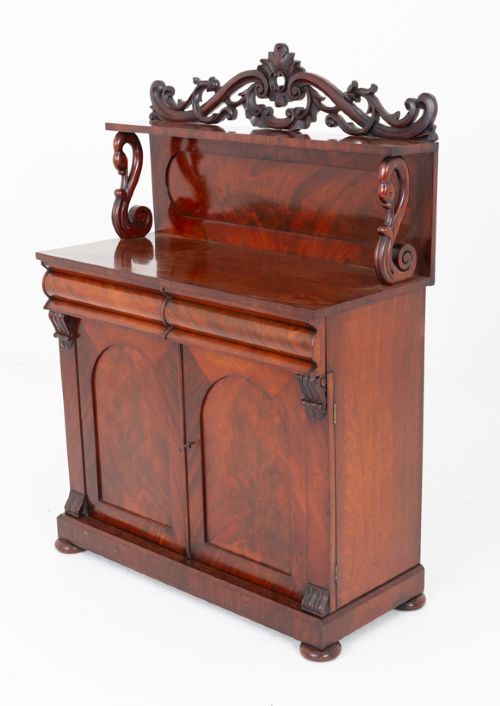
A victorian wood server provides the ideal dining room anchor, combining generous storage with the rich warmth of period timbers.
Victorian Wood Server
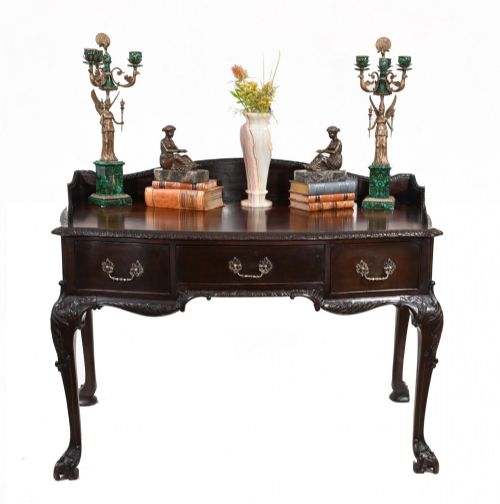
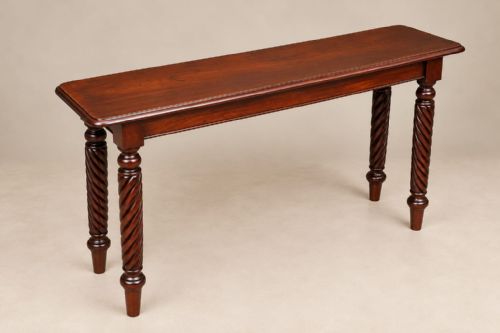
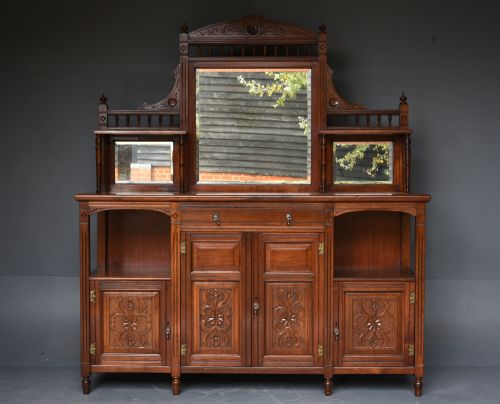
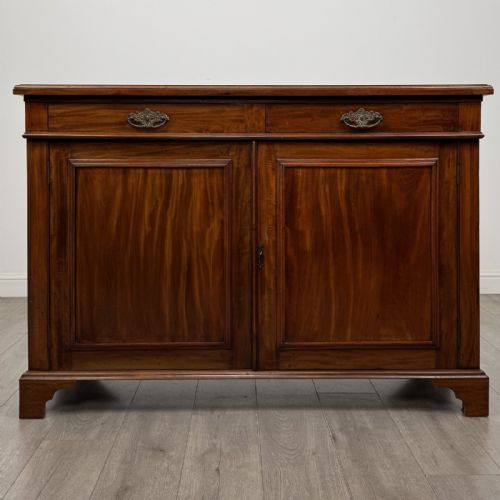
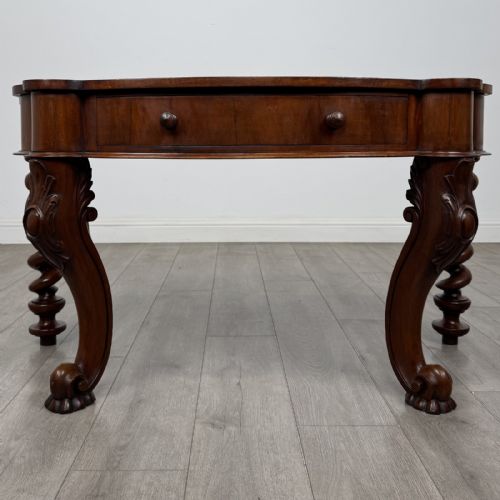
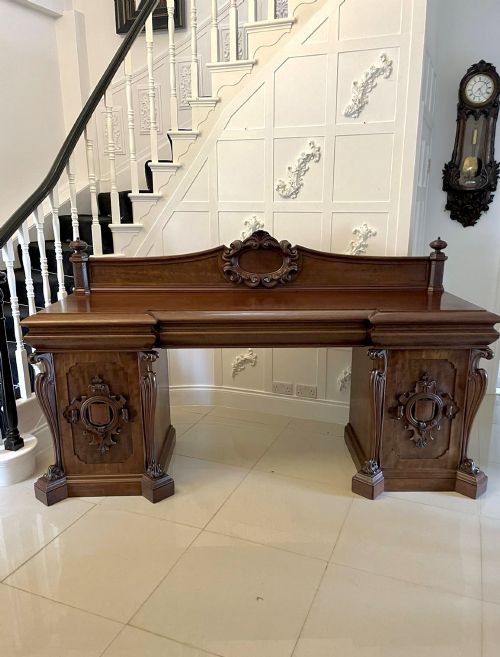
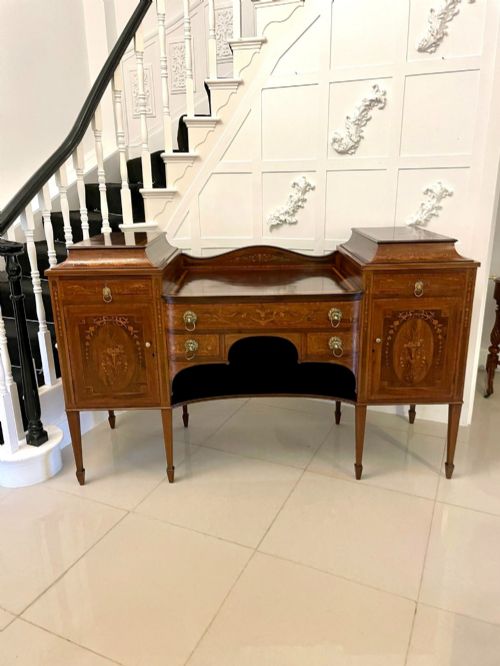
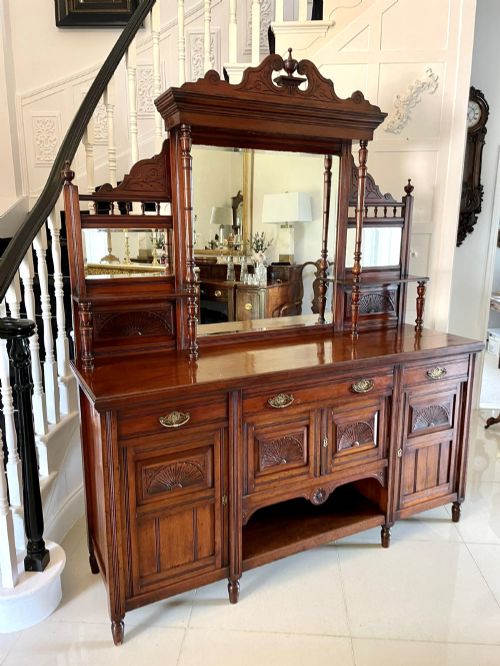
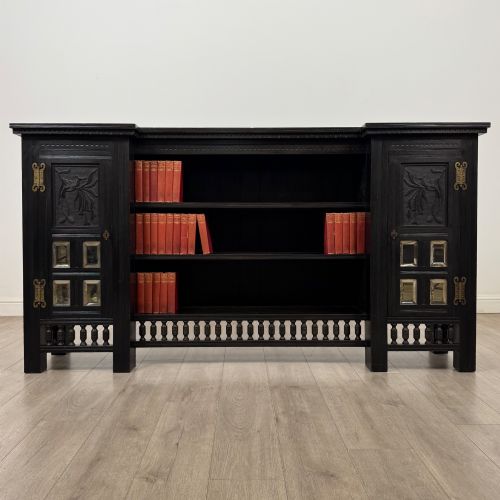
A victorian wood server appears in forms such as sideboards, console tables, buffets, and dresser bases designed for formal dining rooms. These pieces provide surface space for serving food and enclosed storage for china, linen, and glassware.
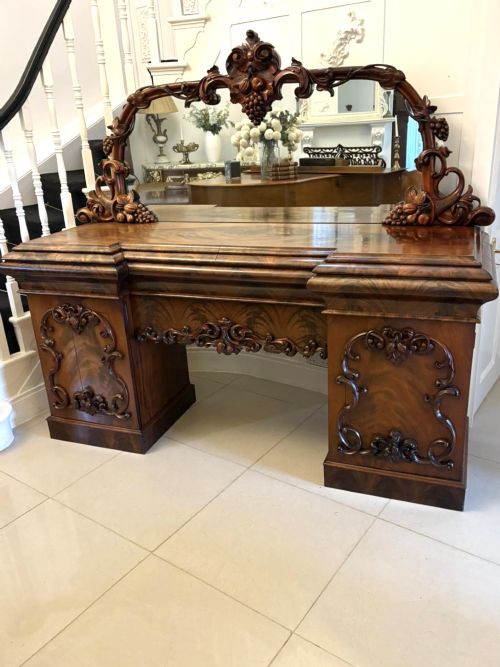
The selections span the nineteenth century, including console tables, chiffoniers with mirror backs, and heavily carved oak or mahogany sideboards. Buyers will frequently encounter mahogany and oak constructions reflecting Victorian, Gothic Revival, and Arts and Crafts styles.
Materials and construction
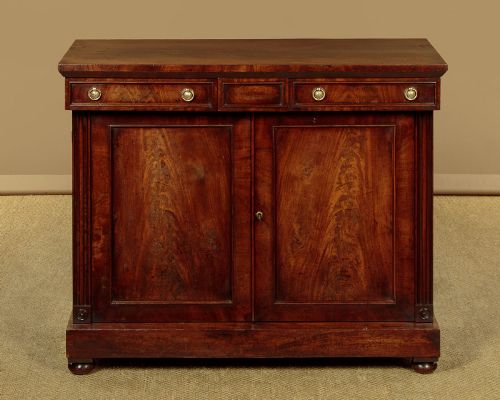
Cabinetmakers utilised dense timbers such as mahogany, oak, walnut, and pollard oak, often selecting flame mahogany veneers to create striking grain patterns on drawer fronts and cabinet doors. Brass handles, hinges, and gallery rails provide functional metal accents against the dark wood surfaces.
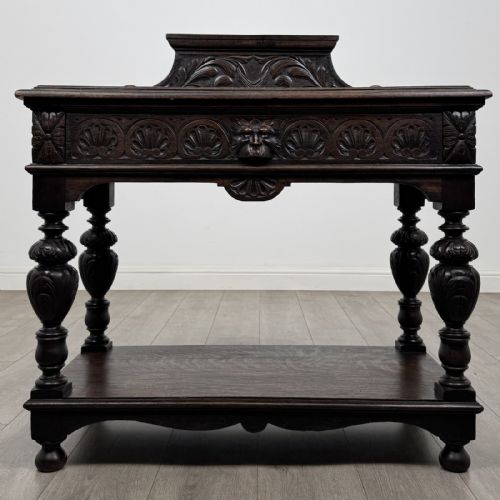
Joinery techniques relied on traditional hand-cut dovetails for drawers and mortise and tenon joints for frames. Carved elements like Green Man masks, scrollwork, and cabriole legs required skilled hand-chiselling by specialist craftsmen.
Victorian Wood Server Retail Price Guide 2026
Typical asking prices for victorian wood server among the pieces listed under this phrase on Sellingantiques today, from the lower quarter to the upper quarter. They describe what is for sale here now, not the wider market.
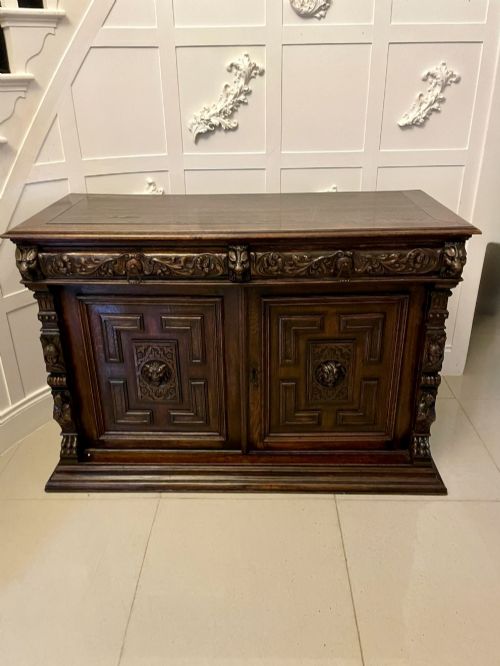
Several oak servers peer out with watchful Green Man masks carved into their wooden doors.
Quality variations in the range
The caliber of a piece rests upon the selection of timber figures, such as matched flame mahogany veneers or richly figured pollard oak, alongside the depth and crispness of hand-carved details like Green Man masks. Lesser examples feature plain timber boards and mechanical mouldings.
Structural integrity and maker attribution elevate certain items above standard production pieces. Superior examples incorporate robust secondary timbers, integrated mirror backs with bevelled glass, and documented workshop provenance.
Hewetsons London·Gillows
The Victorian Wood Server Glossary
- Chiffonier
- A compact sideboard cabinet, typically featuring a shelf superstructure or mirror back above enclosed lower cupboards. These pieces became popular during the nineteenth century for smaller dining and drawing rooms.
- Dresser base
- A low wooden unit consisting of drawers above cupboards, historically used in kitchens and dining spaces for food preparation and storage. They are constructed from sturdy timbers like oak and pine.
- Marquetry
- The art of applying decorative veneer pieces in various woods to create intricate pictorial patterns on furniture surfaces. It requires meticulous cutting and fitting by skilled artisans.
- Green Man
- A sculptural architectural ornament depicting a human face disgorged from foliage, commonly found on heavily carved Victorian oak sideboards and tables. This motif symbolises rebirth and the spirit of vegetation.
- Console table
- A table designed to stand flat against a wall, frequently supported by ornate brackets or cabriole legs. In dining rooms, these served as secondary surfaces for serving dishes.
Victorian Wood Server: Frequently Asked Questions
How do I style a victorian wood server?
Position the piece against a principal dining room wall to establish a focal point for the room.
Dress the top surface with period silver, ceramic platters, or lamps while utilising the interior cupboards for modern tableware storage.
What is the difference between a sideboard and a chiffonier?
A sideboard is typically larger, designed for expansive dining rooms to store heavy serving platters and carvery items.
A chiffonier is a more compact cabinet, often featuring a raised shelf or mirror back, suited to smaller spaces.
How do I care for nineteenth century timber?
Maintain a stable room humidity to prevent the solid wood and veneers from drying out or splitting.
Apply traditional beeswax periodically to nourish the grain, avoiding silicone-based sprays that damage antique polish.
Were these pieces used only for dining?
While primarily built for dining rooms to assist with meal service, many served dual purposes in libraries and hallways.
Library tables and console variants functioned as writing desks or display surfaces for decorative objects.