

Victorian Wood Box
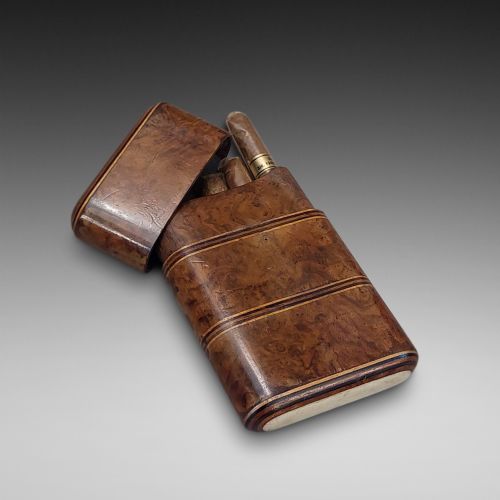
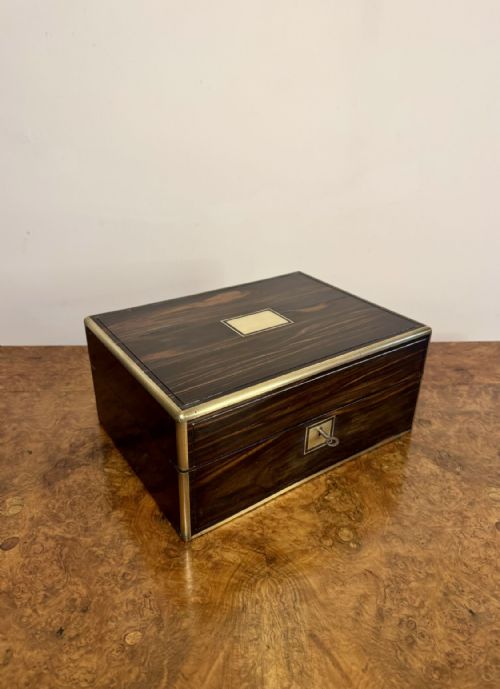
A victorian wood box holds small treasures or travel gear, bringing tactile history and honest utility into any room.
Victorian Wood Box
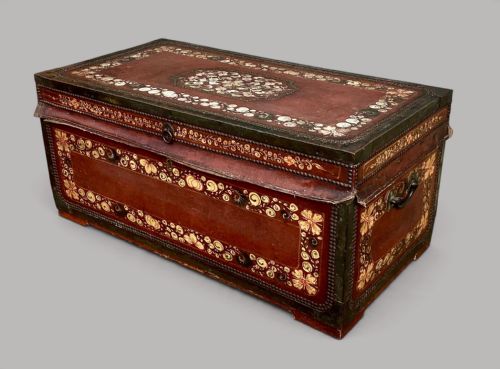
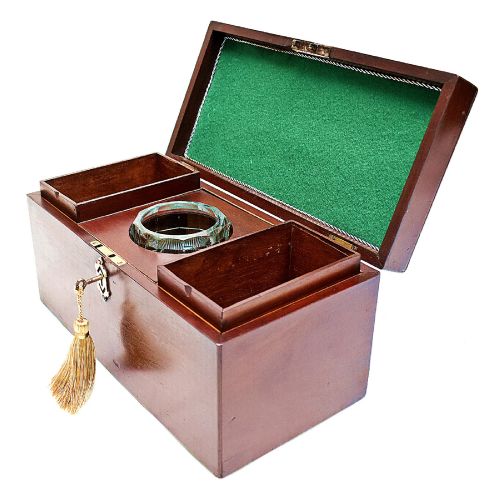
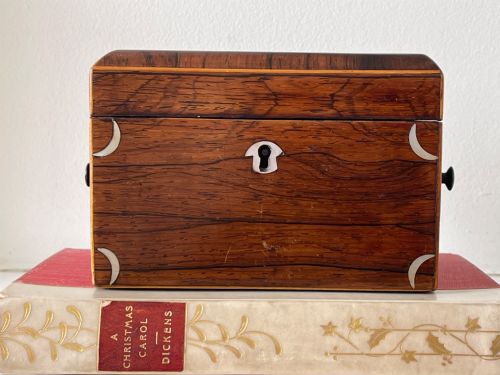
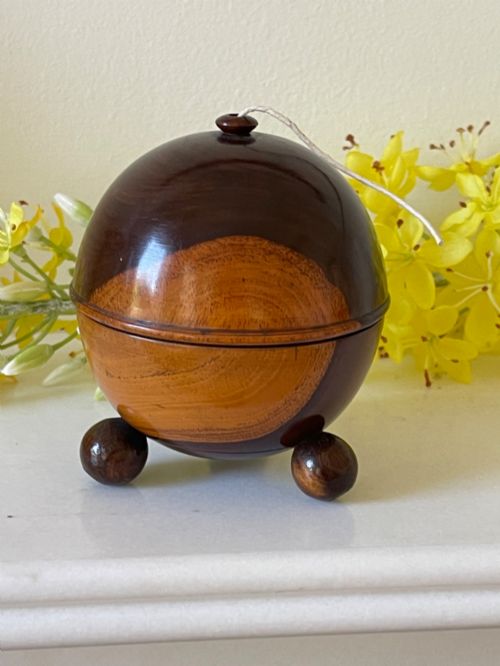
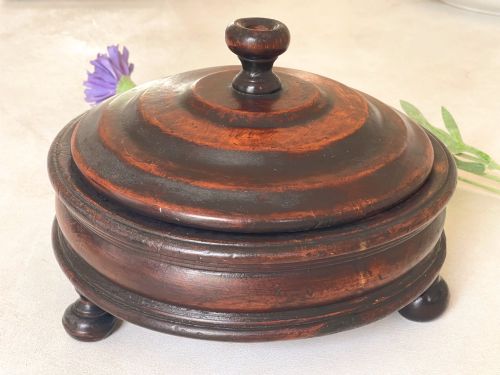
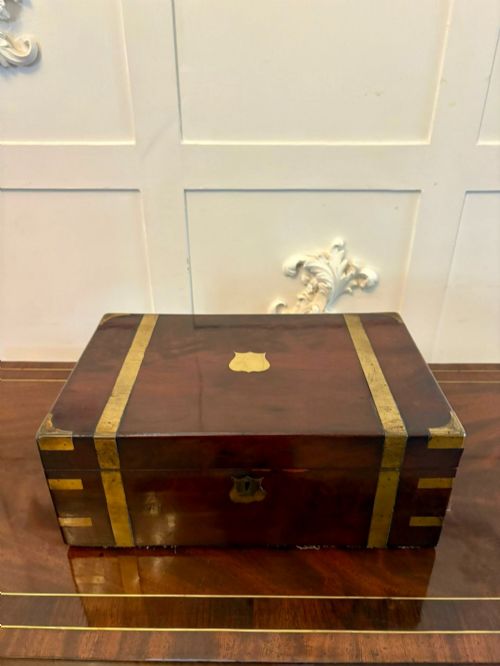
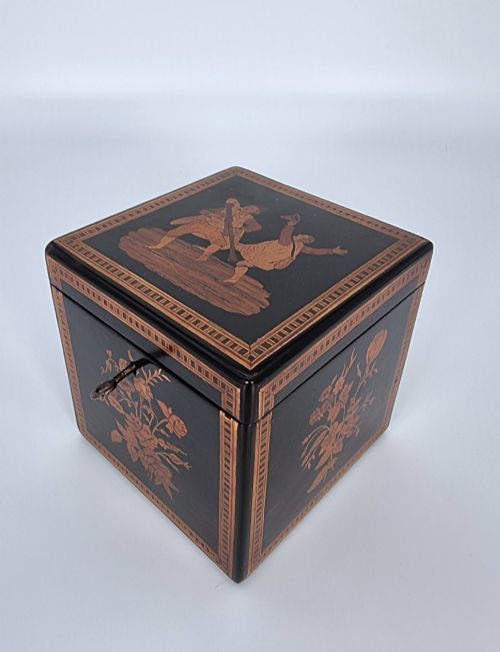
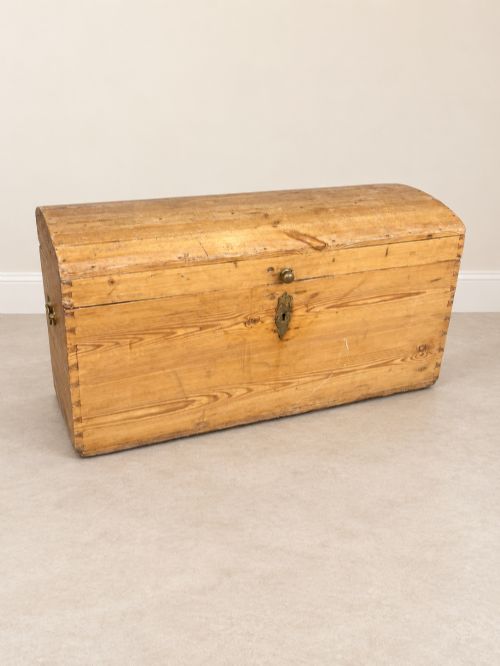
A victorian wood box encompasses a wide range of household and travel receptacles, from jewellery chests and tea caddies to heavy campaign trunks. Buyers searching for a victorian wood box most often encounter mahogany, pine, and camphor wood storage pieces dating from the nineteenth century.
The forms vary according to original purpose, including correspondence boxes, letter boxes, and small collectors cabinets in oak or walnut. Many examples reflect domestic life or travel, displaying styles such as Gothic Revival, Regency, and Victorian Country.
How they were made
Makers utilised solid timbers like mahogany, oak, and pine alongside exotic woods such as camphor wood and amboyna. Construction often involved dovetail joints for stability, particularly on travelling trunks and blanket boxes.
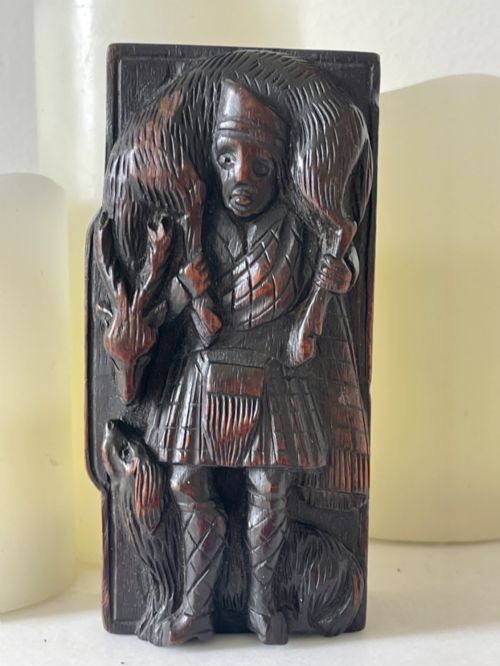
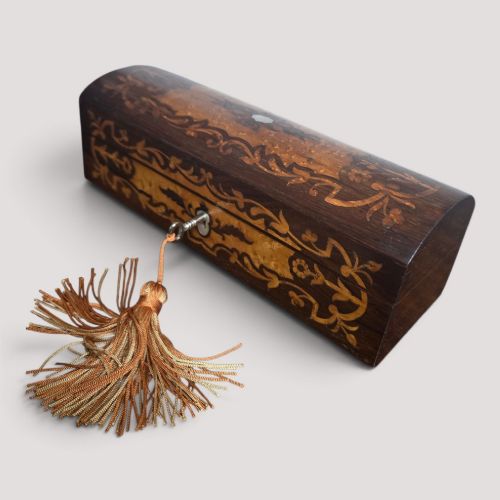
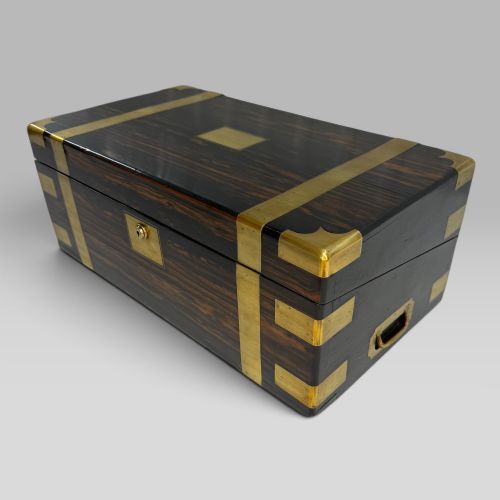
Metal reinforcement was common on transport pieces, incorporating brass corners, flush handles, and iron straps. Surface decoration included marquetry inlay, Tunbridge Ware banding, and detailed wood carving.
Victorian Wood Box Retail Price Guide 2026
Typical asking prices for victorian wood box among the pieces listed under this phrase on Sellingantiques today, from the lower quarter to the upper quarter. They describe what is for sale here now, not the wider market.
Listings feature woods including camphor wood, mahogany, oak, walnut, pine, amboyna, fruitwood, and bird's eye maple across the nineteenth century.
What varies in quality
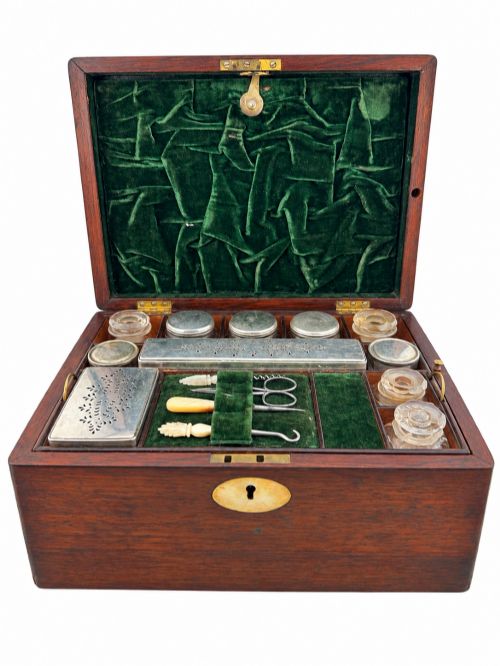
Quality rests in the selection of timber veneers, the precision of inlay work, and the integration of functional hardware like brass locks and hinges. Finer examples retain original interior velvet linings, fitted compartments, and working keys.
Plain utilitarian pine boxes rely on sturdy joinery and honest wear, whereas refined pieces depend on complex marquetry and specialised woods like bird's eye maple or burr walnut.
Edwards and Roberts·Edmund Nye
The Victorian Wood Box Glossary
- Marquetry
- The art of forming decorative patterns on a wooden surface using thin veneers of different woods. This technique defines pieces from Sorrento and Tunbridge Wells.
- Camphor wood
- An aromatic timber prized for campaign trunks because its natural oils repel insects. It provides a distinctive scent and robust durability.
- Campaign trunk
- A portable chest built in sections with recessed brass fittings for military transport. These pieces were designed to withstand harsh travel conditions.
- Treen
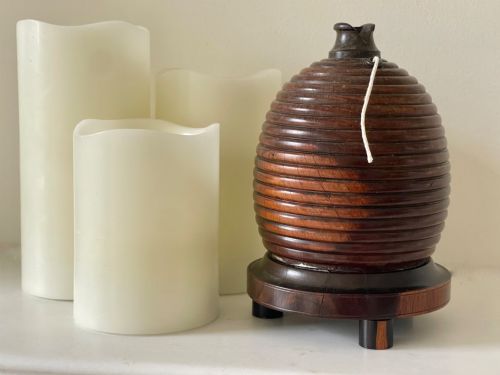
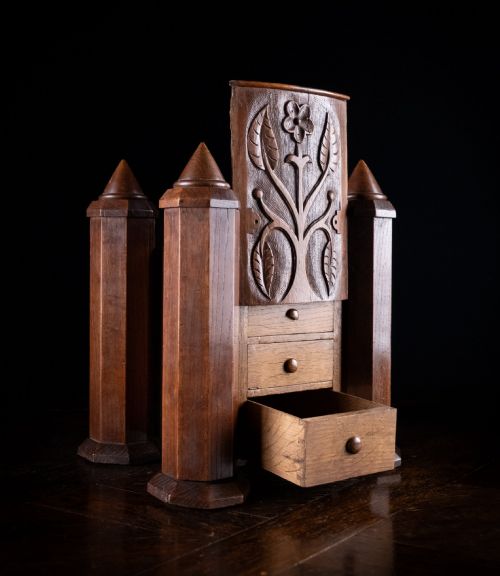
- Small handmade wooden household objects such as snuff mortars, spice towers, and string barrels. These items were turned or carved for daily domestic use.
- Caddy
- A small container originally designed for storing loose tea leaves in locked compartments. Victorian versions often include glass mixing bowls and intricate inlays.
Victorian Wood Box: Frequently Asked Questions
What were victorian wood boxes used for?
These boxes served many distinct domestic and travel functions, ranging from securing correspondence and jewellery to holding tea leaves or sewing supplies. Larger chests transported personal belongings on military campaigns or long voyages.
Smaller desk accessories kept documents organised in country houses and studies. Each interior layout reflects the specific demands of nineteenth century daily life.
How do I identify campaign boxes?
Campaign chests and trunks feature recessed brass handles, reinforced corners, and robust woods like camphor wood or mahogany. They were built to withstand frequent transport by ship or rail.
Many separate into two sections with secure side latches to ease movement. The hardware sits flush to prevent snagging during travel.
What woods were commonly used?
Cabinet makers utilised native timbers such as oak, mahogany, walnut, and pine for everyday and formal pieces. Exotic woods including camphor wood and amboyna appear frequently on travel chests and luxury containers.
Inlays often incorporate fruitwood, tulipwood, and satinwood to create contrasting geometric patterns or floral motifs.
How should I clean a wooden box?
Maintain the surface with a gentle application of bees wax and a soft cloth to nourish the historic timber. Avoid modern chemical polishes that can strip dry finishes or damage delicate veneer.
Keep wooden boxes away from direct heat sources and strong sunlight to prevent the timber from warping or splitting over time.