


Victorian Wine Jug
When you seek a victorian wine jug, you encounter silver mounted glass vessels designed for the dining table.
Victorian Wine Jug
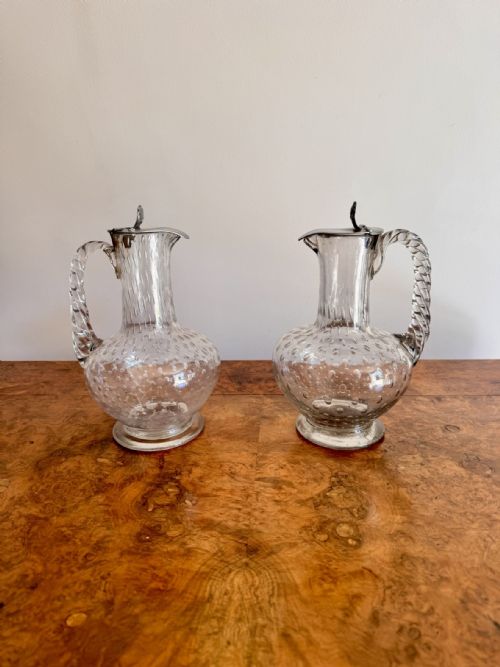
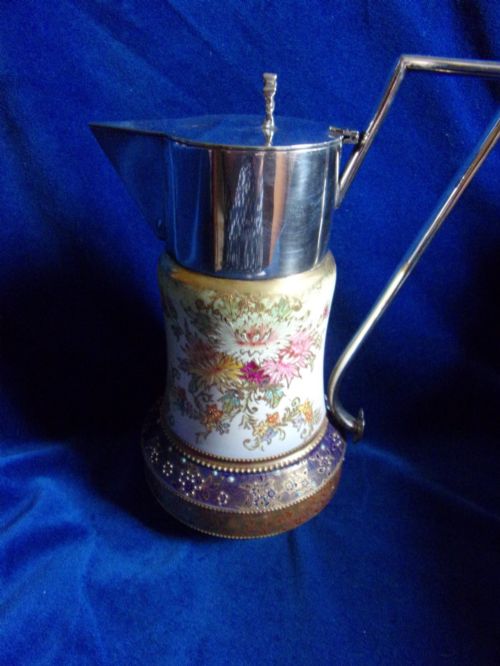
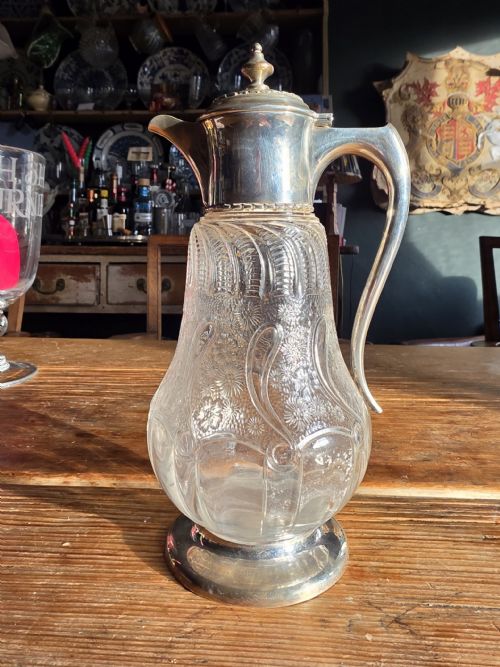
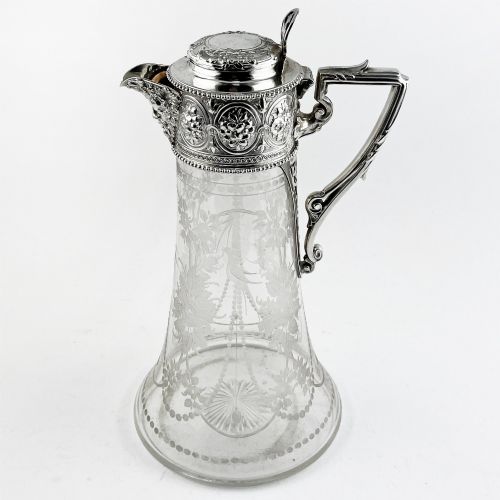
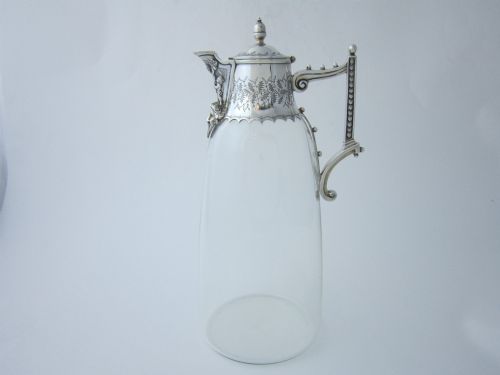
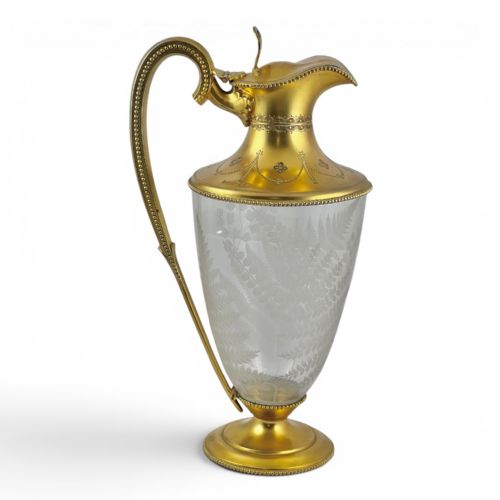
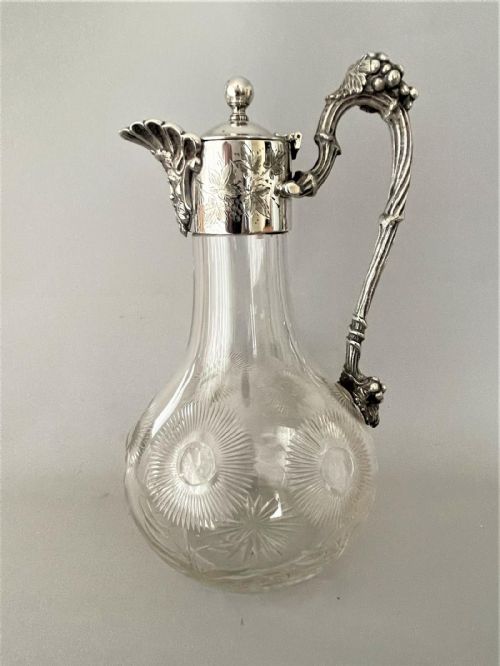
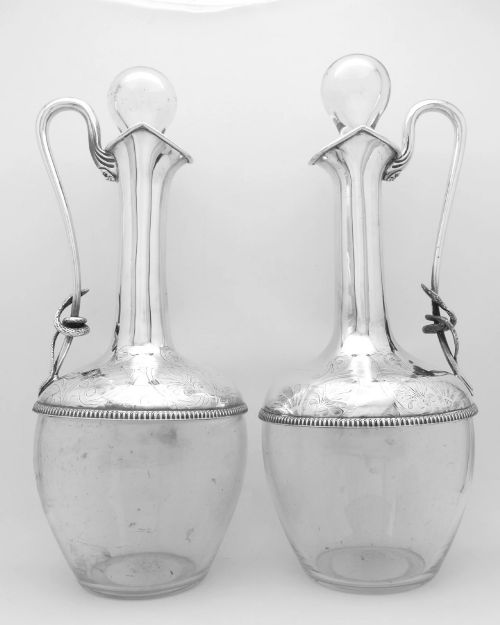
A victorian wine jug encompasses table vessels intended for serving claret and other wines during dining. Most examples on this page combine glass bodies with silver or silver plated mounts and hinged lids.
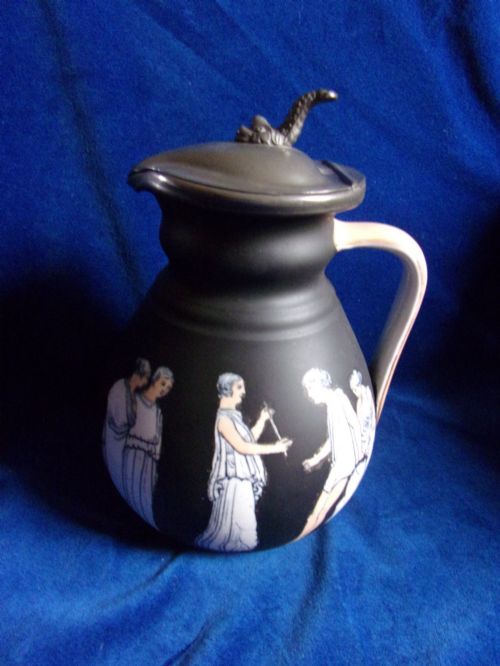
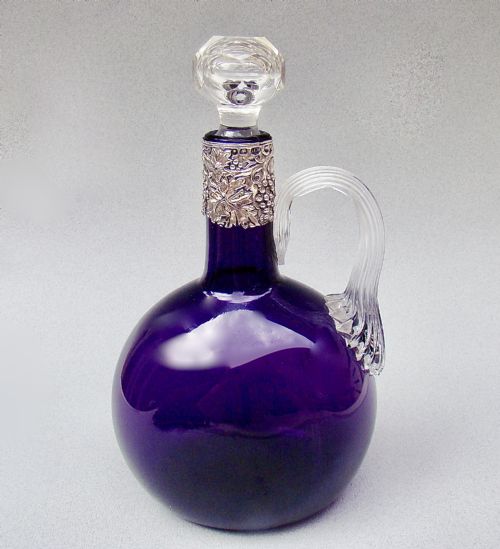
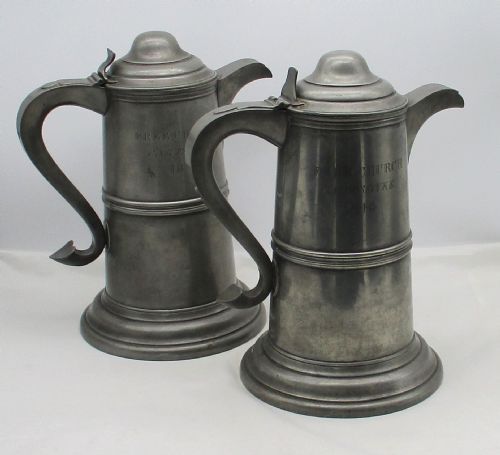
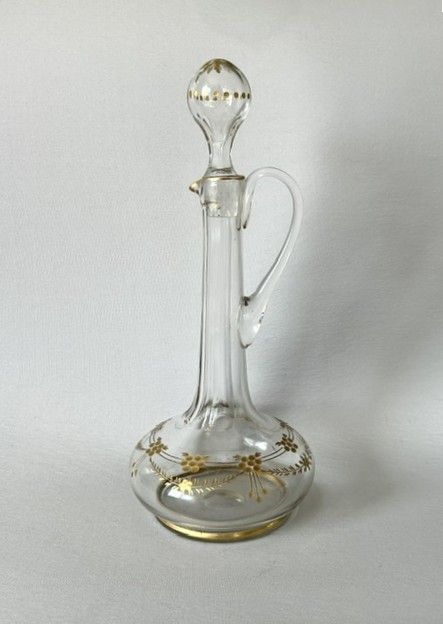
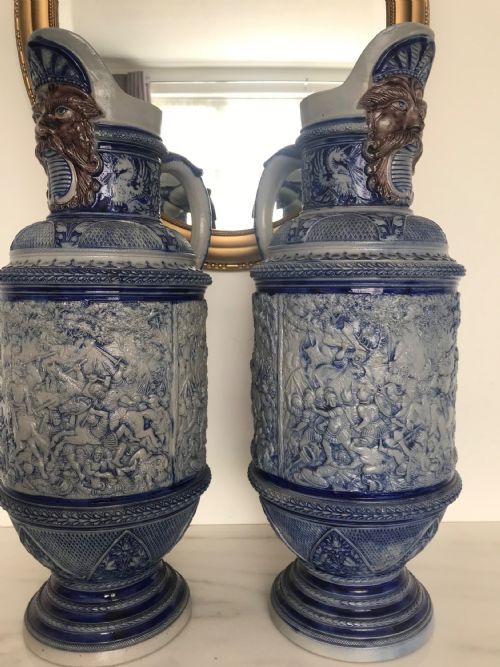
The forms range from tall cut glass ewers to coloured glass decanters and stoneware pitchers. Many incorporate naturalistic handles shaped like vines, serpents or branches.
Originating largely from British workshops and continental makers, these pieces reflect the dining customs of the nineteenth century. They served practical functions at the sideboard before the bottle was placed directly upon the table.
Materials and construction
Makers utilised clear, cut, or coloured glass alongside sterling silver and silver plate. Glass bodies were hand blown, moulded, or overlaid in contrasting colours before being wheel cut or etched.
Silversmiths cast, chased, and engraved the mounts, spouts, and handles separately. The metal mounts were then secured around the glass necks and secured with pins or collars.
Listings feature Victorian pieces spanning from the 1840s through the Edwardian era, incorporating Bohemian and French examples alongside British silver.
Assessing craftsmanship
Quality rests in the weight and clarity of the glass, alongside the crispness of the wheel cutting or engraving. Superior pieces display deep, sharp facets and intricate botanical motifs rather than shallow surface scratching.
The metalwork reveals distinct tiers of skill through the weight of the silver and the detailing of cast elements such as Bacchus masks or serpent handles. Better mounts fit the glass snugly without excessive adhesive filler.
Asprey and Co. Ltd·Henry Matthews·Simon Peter Gerz·Henry Bourne·Elkington·Edward John and William Barnard·Henry Stratford
The Victorian Wine Jug Glossary
- Claret jug
- A specialised vessel designed specifically for serving red Bordeaux wine. These typically feature elongated necks and pouring spouts.
- Silver plate
- A base metal, often copper or Britannia metal, coated with a thin layer of silver. This technique allowed makers to produce elaborate vessels at a lower cost than solid silver.
- Cut glass
- Glass decorated by holding it against a rotating abrasive wheel to carve geometric or floral patterns. Deep cutting created light refraction that appealed to Victorian dining tastes.
- Ewer
- A large jug with a wide spout and an ornate handle, derived from traditional washing vessels. In nineteenth-century dining, the term often applies to wine jugs with classical or revival silhouettes.
- Nailsea glass
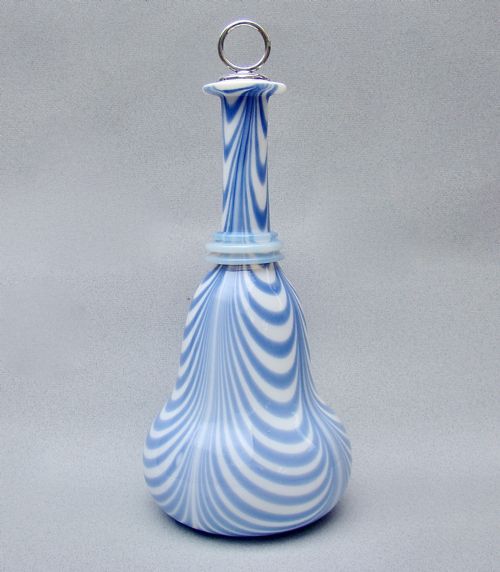
- Glassware characterised by looped or splashed coloured glass threads embedded within a clear or milky white body. The style originated from Somerset glassworks.
Victorian Wine Jug: Frequently Asked Questions
What was a victorian wine jug used for?
These vessels were brought to the dining table to serve claret, port, or other wines during formal meals. They allowed hosts to decant wine from storage bottles prior to pouring.
The hinged lids kept dust out while wine sat on the sideboard or table between courses. They also functioned as decorative centrepieces reflecting the host's social standing.
How can I tell sterling silver from silver plate?
Examine the metal mounts for British hallmarks indicating town, date letter, and maker's mark. Sterling silver carries stamps such as a lion passant indicating standard purity.
Silver plate often lacks these official assay marks or displays maker initials alongside numbers designating plating thickness. Look closely around the rim for wear where the base metal shows through.
What is the difference between cranberry glass and crystal?
Cranberry glass is a transparent red glass coloured by the addition of gold chloride during the melting process. It gained popularity for decorative decanters and tableware during the mid nineteenth century.
Crystal refers to clear glass containing lead oxide, which increases weight, brilliance, and resonance when struck. Crystal pieces are typically heavier and more refractive than standard soda-lime glass.