


Victorian Watercolour on Paper
A victorian watercolour on paper brings the nuanced palette and precise draughtsmanship of the nineteenth century directly into domestic interiors.
Victorian Watercolour on Paper
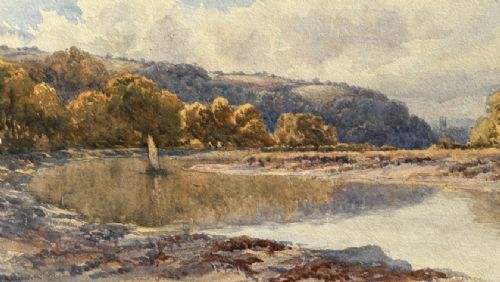
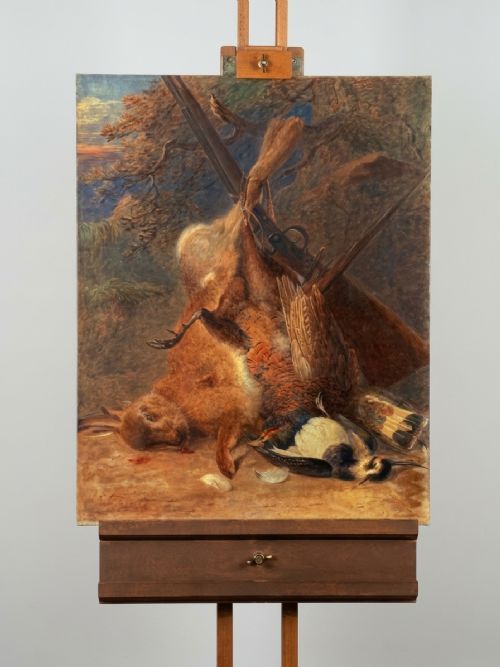
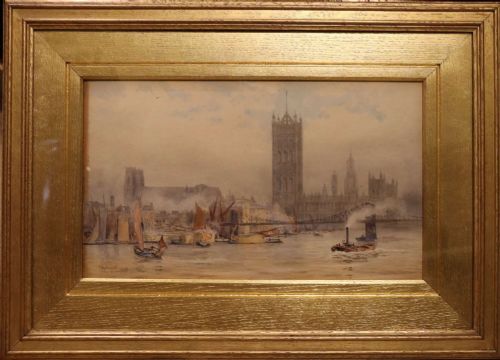
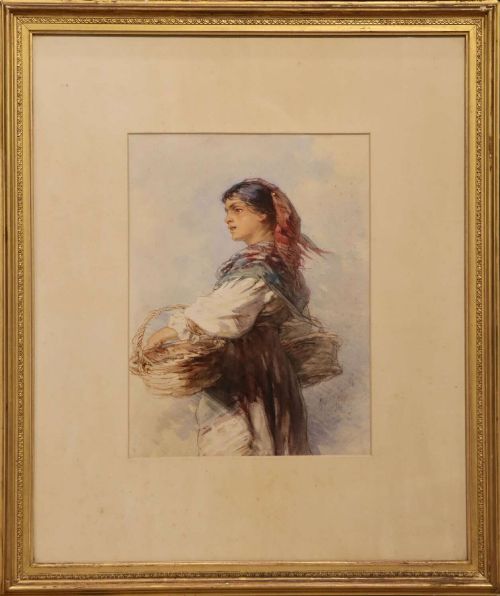
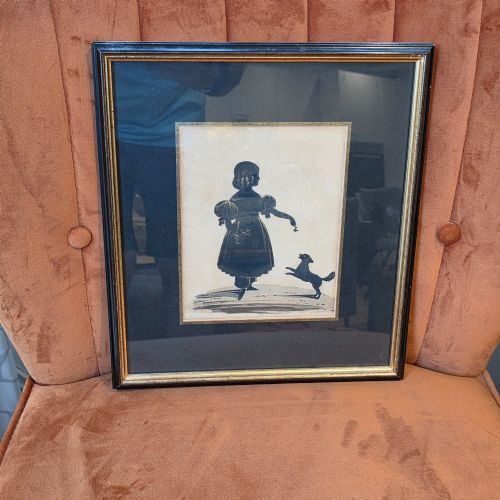
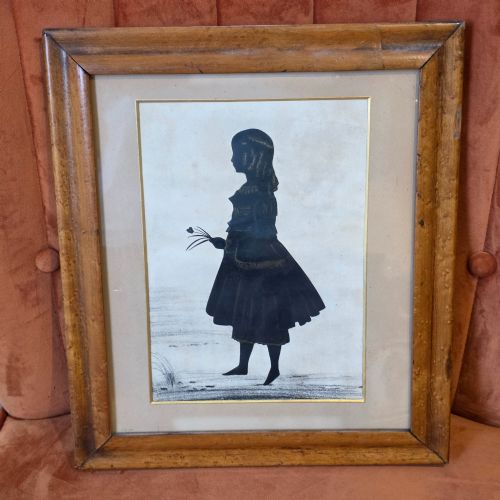
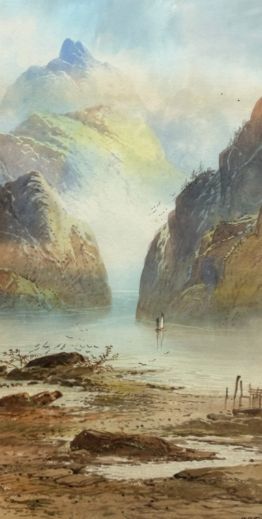
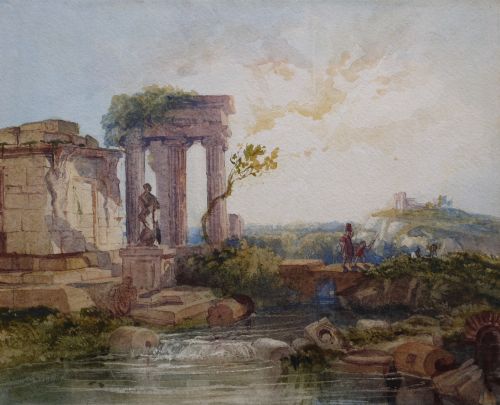
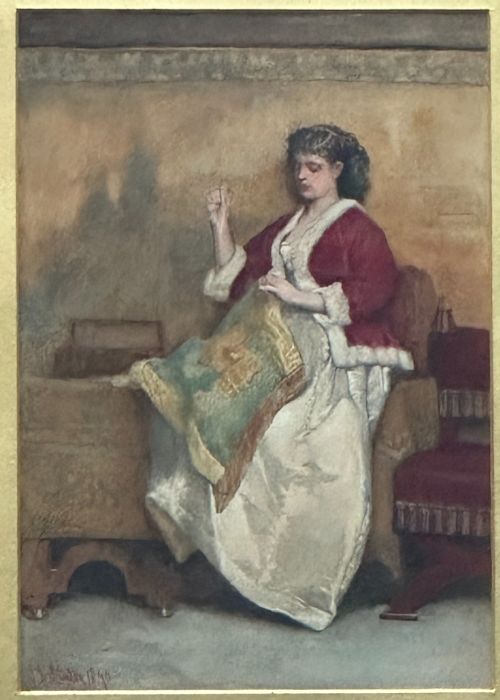
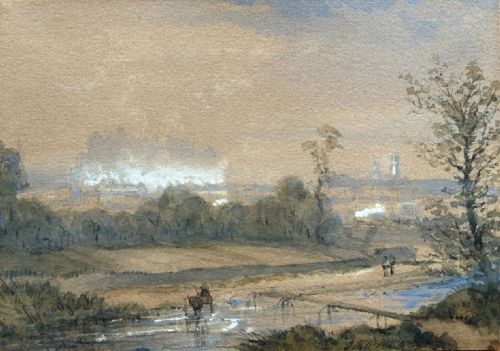
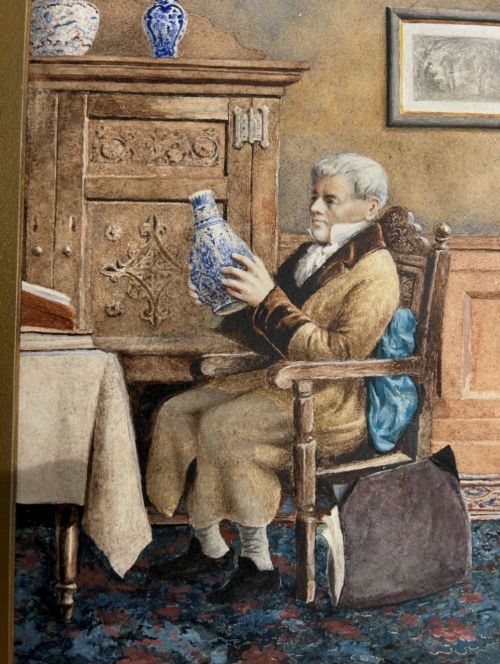
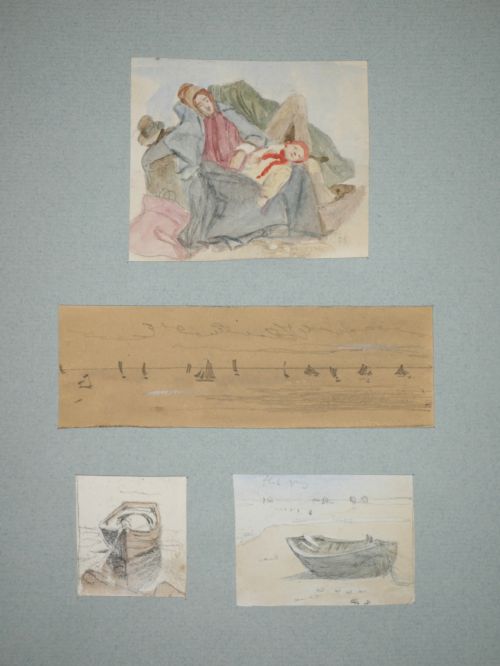
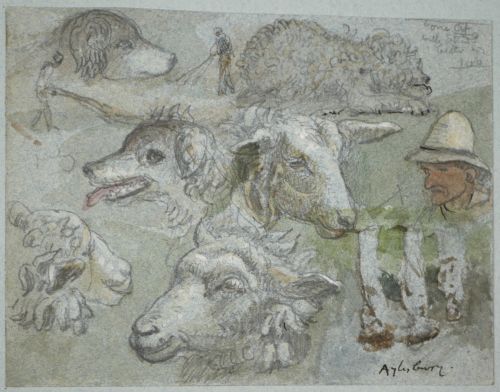
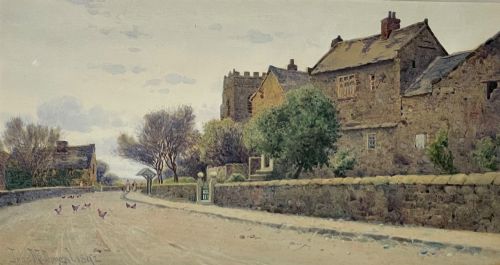
A victorian watercolour on paper encompasses a wide array of original works spanning landscapes, marine scenes, maritime shipping, portraits, and genre studies created throughout the nineteenth century. The examples met on this page range from intimate topographical sketches to exhibition-sized compositions produced by named British and international artists.
Most pieces date from the central and later decades of the nineteenth century, capturing a period of intense artistic output in watercolour mediums. These works frequently record specific locations across Britain, continental Europe, and beyond, often preserved in period frames featuring wood, glass, and occasional gold leaf details.
The subjects vary from quiet rural villages and Scottish lochs to bustling coastal harbours, literary narratives, and orientalist travel scenes. Buyers encounter both signed original paintings by listed practitioners and accomplished works by contemporary followers or unidentified schools of the era.
Materials and technique
The works rely fundamentally on water-soluble pigments applied to paper supports, often augmented with bodycolour, gouache, or ink to build opacity and sharp linear definition. Artists utilised finely ground mineral and organic pigments mixed with gum arabic, allowing for both translucent washes and richly saturated focal points.
Support papers varied from heavy wove sheets to textured artist boards, occasionally combined with cut-paper silhouette techniques or delicate pencil underdrawings. Finished paintings were commonly protected behind glass within wooden frames, safeguarding the water-soluble pigments from atmospheric moisture and handling.
Listings feature watercolours dated across the nineteenth century, utilising paper, glass, wood, gold leaf, and watercolour pigment.
Separating the ordinary from the exceptional
Quality in a victorian watercolour on paper rests upon the surety of the artist's brushwork, the stability of the pigment against fading, and the compositional balance across the sheet. Superior examples demonstrate a confident handling of light and atmospheric depth, whereas lesser works often rely on rigid, formulaic application with little tonal variation.
The preservation of the paper support and the retention of original colour vibrancy further distinguish the finest items. Works that maintain their crisp linework and unbleached paper tones without excessive damp staining command greater artistic interest.
William James Hubard·George Sydney Shepherd·James Orrock·William Henry Earp·Richard Principal Leitch·Sir James Dromgole Linton·John R Prentice·Alfred Young Nutt·Henry Stacy Marks·James Smetham·John McDougal·Henry Silkstone Hopwood·Th Thibault·Hector Caffieri·Joseph H Barnes·Carl Haag·Alfred G Morgan·Bonomi Edward Warren·Albert Ludovici Jnr·James Hayllar·Henry Barlow Carter·George Kilburne·William Frederick Settle·Thomas Cooper Moore·Philip Richard Morris
The Victorian Watercolour on Paper Glossary
- Bodycolour
- An opaque watercolour paint made by mixing white pigment with water-soluble colours to create solid, light-reflecting highlights. It was frequently used by nineteenth-century artists to add dense detail over transparent washes.
- Gouache
- A heavy, opaque water-soluble paint similar to bodycolour that dries to a matte finish. This medium allowed painters to achieve rich, velvety areas of flat colour in portraits and genre scenes.
- Wove paper
- A paper manufacturing type created on a fine wire sieve, producing a smooth surface without ribbed chain lines. It became the standard support for detailed nineteenth-century watercolours.
- Wash
- A thin, fluid layer of diluted watercolour pigment applied across the paper to create smooth background skies, water, or atmospheric gradients. Mastery of the wash defined the technical skill of the period.
Victorian Watercolour on Paper: Frequently Asked Questions
How should I hang a nineteenth-century watercolour?
Watercolours require careful placement away from direct sunlight to prevent the fugitive pigments from fading over time. Maintaining stable indoor humidity levels also protects both the paper support and the antique wooden frame.
Using modern UV-filtering glass during any necessary reframing provides an additional layer of conservation safety without altering the visual appearance of the painting.
What is the difference between watercolour and bodycolour?
Traditional watercolour relies on transparent washes where the white of the paper shines through to illuminate the colours. Bodycolour introduces an opaque white pigment into the mixture, creating solid, chalky highlights.
Artists often combined both techniques within a single sheet to give certain elements, such as clothing or water spray, greater physical presence.
Are these paintings always signed by the artist?
Many nineteenth-century works carry visible signatures, monograms, or studio inscriptions, either on the face of the painting or recorded on the reverse of the paper. However, a significant number of accomplished period watercolours remain unsigned or attributed through stylistic comparison.
Unsigned pieces often reflect the work of capable amateurs, professional illustrators, or regional artists who did not routinely sign every compositional study.
How can I tell a Victorian watercolour from a modern reproduction?
Examining the sheet under magnification reveals the irregular fibre structure of nineteenth-century paper and the physical pooling of pigment wash by hand. Modern reproductions display uniform dot patterns or flat digital ink layers under magnification.
Period framing materials, backing boards, and age-related toning of the paper further confirm the nineteenth-century origin of the work.