


Victorian Watercolour Botanical Study
A victorian watercolour botanical study captures the precision of natural science through the soft immediacy of paint on paper.
Victorian Watercolour Botanical Study
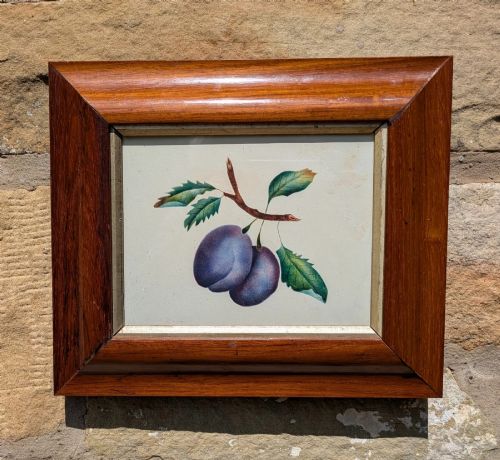
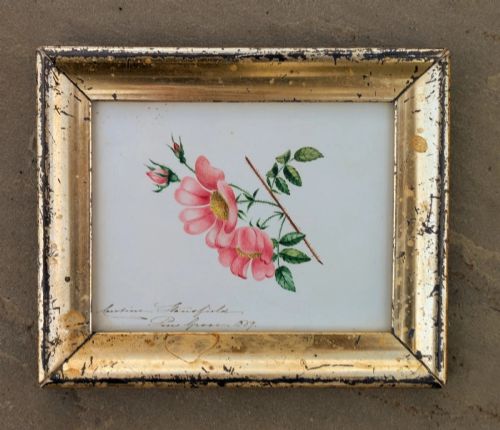
A victorian watercolour botanical study brings floral and natural subjects into domestic spaces through delicate paintings executed on paper. These works capture specific specimens like plums, fuchsias, wild roses, and azalea blooms with careful attention to detail.
Most examples found here date from the nineteenth century, including pieces from the Victorian era alongside related works from the Regency and Edwardian periods. They frequently appear framed in rosewood or gilt wood, often under glass to protect the delicate pigments.
The subjects range from single stem studies to structured still-lifes of pansies, wallflowers, and pelargoniums. Painters such as Arthur Wardle and Minnie Smythe occasionally expand the scope to include birds or fruit alongside the flora.
How they were made
These works rely on watercolour paint applied directly to paper supports, utilising the white of the ground to create luminosity within petals and leaves. Artists built up transparent washes alongside finer brushwork to render the exact structures of plants.
Framing materials typically include wood, rosewood, and gilded wood, which were chosen to complement the domestic interiors of the period. Glazing with glass preserves the fugitive water-based pigments from fading over time.
Victorian botanical painters often braved damp British gardens to capture a fleeting blossom before the petals dropped.
What varies in quality
The skill of the brushwork defines the distinction between a standard piece and a superior study, particularly in the rendering of botanical accuracy and petal texture. Hand-painted precision and compositional balance elevate individual works.
The condition of the paper and the preservation of the watercolour pigments dictate the visual strength of the piece. Original frames in rosewood or gilt wood add historical integrity to the overall object.
William Andrews Nesfield·Edith Barrow·Grace Hastie·Marian Chase·Charlotte Isa James·Arthur Wardle·Annie Mary Youngman·John Sherrin·Minnie Smythe
The Victorian Watercolour Botanical Study Glossary
- Watercolour
- A paint consisting of pigment suspended in a water-based solution. It is traditionally applied to paper to create translucent washes of colour.
- Rosewood
- A dense, heavily figured timber with a dark reddish-brown hue. It was frequently utilised for fine nineteenth-century picture frames.
- Gilt wood
- Wood that has been coated with a thin layer of gold leaf or gold paint. This finish was standard for framing formal and decorative art of the period.
- Still-life
- A painting genre focused on inanimate subject matter, such as cut flowers, fruit, or household objects. In botanical contexts, it highlights gathered specimens in a domestic arrangement.
Victorian Watercolour Botanical Study: Frequently Asked Questions
What is a victorian watercolour botanical study?
It is an original painting on paper depicting flowers, fruit, or plants, created during the nineteenth or early twentieth century. These works served both decorative purposes and the Victorian passion for natural history.
Artists used transparent watercolours to record the precise details of botanical specimens, capturing the transient beauty of blooms before they faded.
How should I frame these watercolours?
Original period frames, such as those made from rosewood or gilt wood, are often retained to preserve the historical context of the painting. Ensure any framing utilises conservation-grade materials to protect the paper.
Glass is essential to shield watercolour paint from dust, moisture, and ultraviolet light, which can degrade the pigments over time.
Where were these paintings displayed?
In Victorian homes, botanical watercolours were commonly hung in drawing rooms, parlours, and studies. They reflected the period's widespread interest in gardening, botany, and natural philosophy.
Smaller pieces were often grouped together on walls or kept in portfolio albums for close inspection by guests and family members.
How do I identify the period?
Dating relies on stylistic markers, framing materials, and the specific signatures or inscriptions found on the paper. The Regency, Victorian, and Edwardian eras each favoured distinct framing profiles and colour palettes.
Archival records, dealer notes, and artist attribution further help narrow down the decade in which the study was painted.