

Victorian Watch
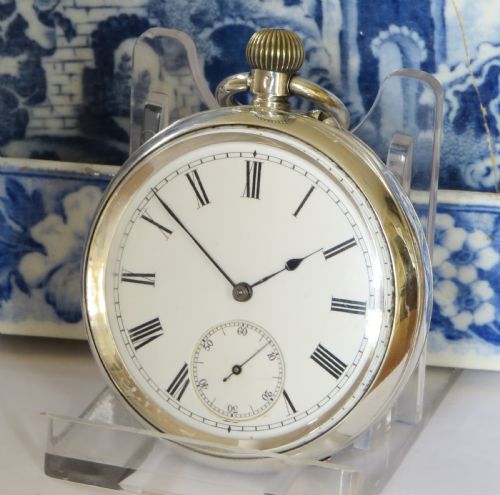
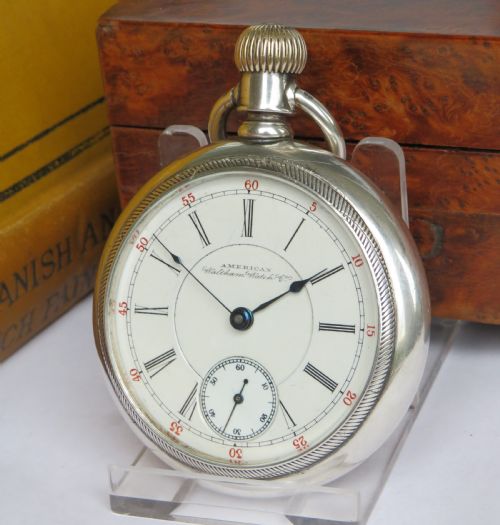
A victorian watch brings precision mechanics and wearable history together, offering functional timekeeping encased in silver, gold, or tortoiseshell.
Victorian Watch
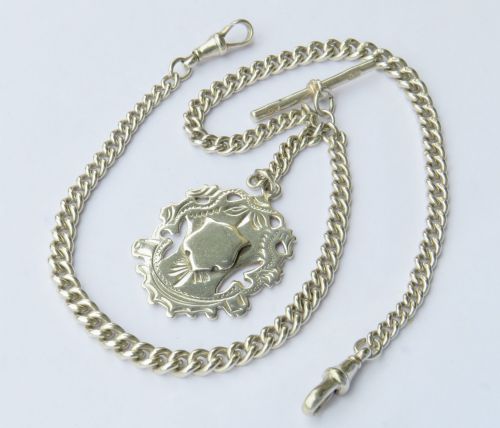
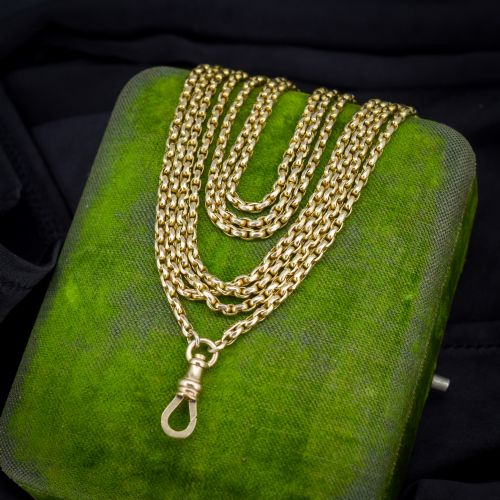
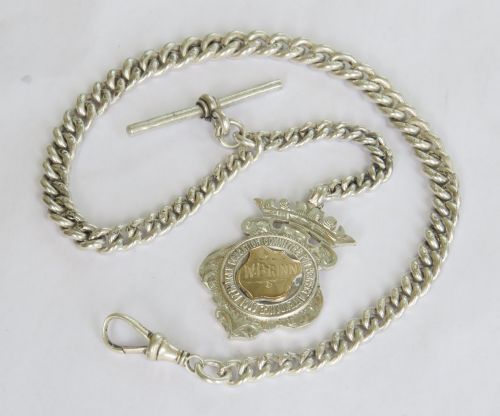
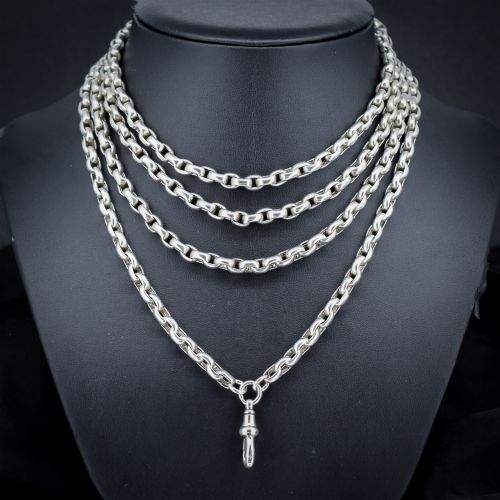
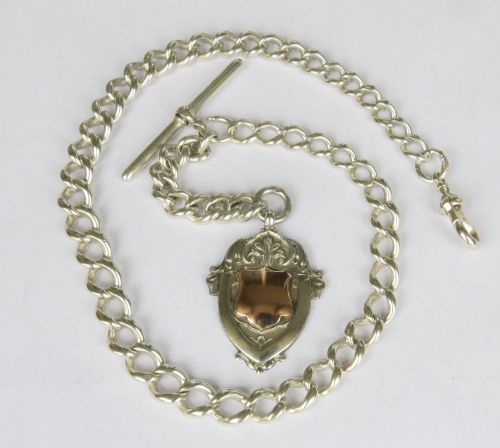
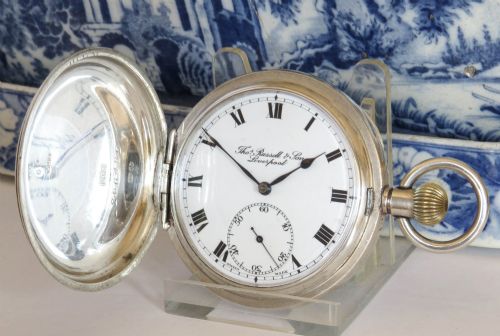
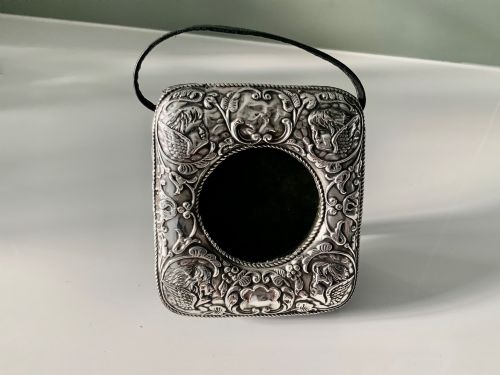
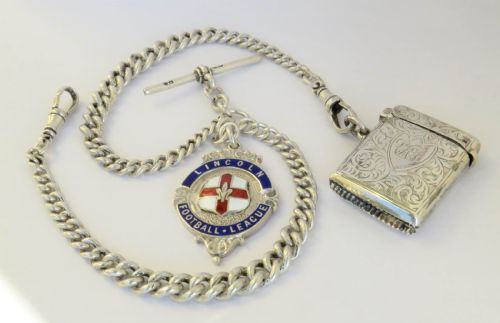
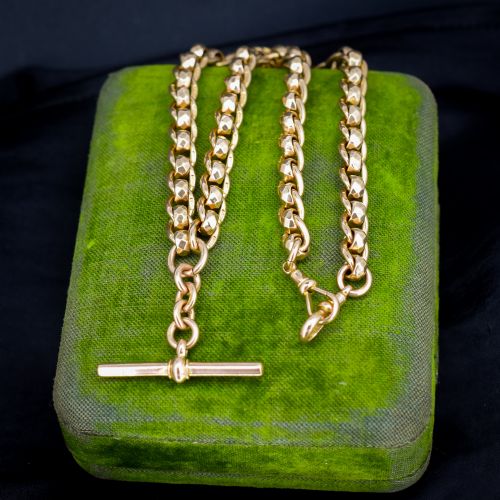
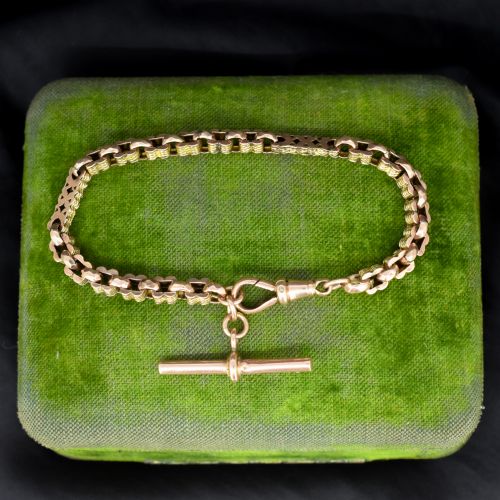
A victorian watch encompasses both personal timepieces and the associated chains, stands, and fobs used to carry them. Pocket watches dominate the selection, accompanied by long guard chains, albert chains, and desk accessories.
The objects span the nineteenth century into the Edwardian era, reflecting both industrial utility and refined personal ornamentation. Pieces range from plain silver pocket watches to gold chains fitted with dog clips and spinning fobs.
Materials and construction
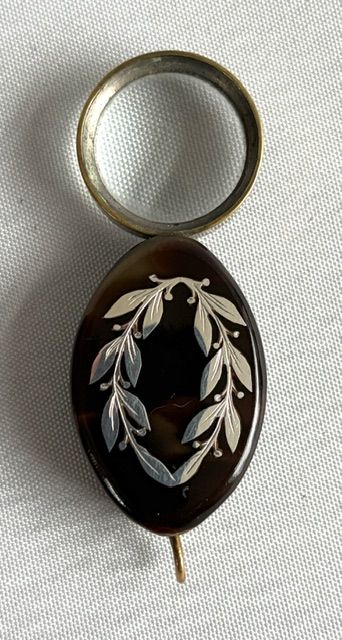
Metals form the structural core, utilising sterling silver, yellow gold, rolled gold, and brass. Components incorporate glass for crystals, alongside organic materials such as tortoiseshell and agate.
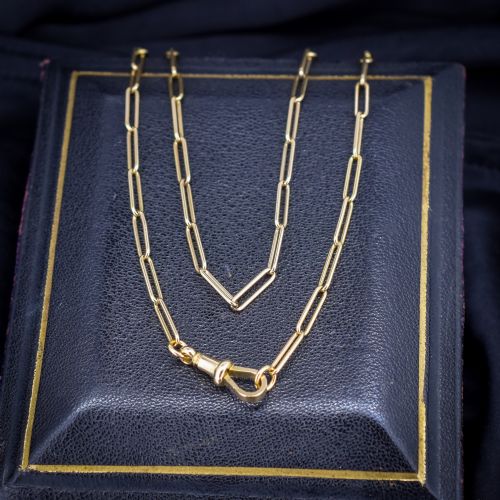
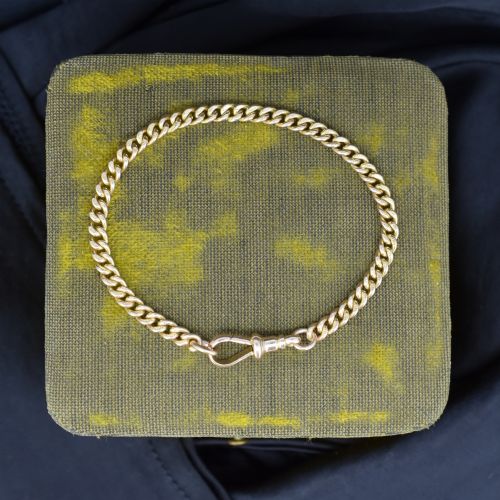
Mechanisms rely on traditional fusee and chronograph movements housed within full hunter or half hunter cases. Chains employ curb, paperlink, and rollerball configurations joined by dog clips, bolt rings, and T-bars.
Victorian Watch Retail Price Guide 2026
Typical asking prices for victorian watch among the pieces listed under this phrase on Sellingantiques today, from the lower quarter to the upper quarter. They describe what is for sale here now, not the wider market.
A specialised repairer's chest waits quietly for someone who still knows how tiny balance wheels tell their stories.
Factors of distinction
Quality rests upon the complexity of the movement and the integrity of the casing. Intricate chronographs, deck watches, and fully marked silver or gold hallmarks elevate a piece.
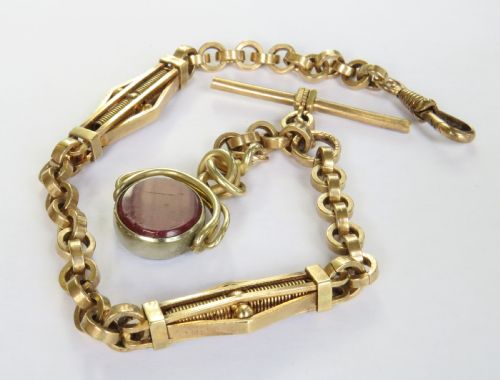
The presence of original associated elements, such as matching albert chains, spinning fobs set with bloodstone or carnelian, and specialised display stands, adds depth to individual examples.
Thomas Russell·Henry Capt·George Edward Frodsham·Mercer of London·Bickley London
The Victorian Watch Glossary
- Albert chain
- A chain attached to a pocket watch, designed to be secured through a buttonhole or worn across a waistcoat. Named after Prince Albert.
- Full hunter
- A pocket watch featuring a spring-loaded metal cover that protects the glass dial from scratches. The cover opens via a push-piece on the crown.
- Fusee
- A conical pulley used in older watch movements to maintain even tension as the mainspring unwinds. This mechanism ensures consistent timekeeping accuracy.
- Dog clip
- A spring-loaded swivel hook attached to watch chains for securing fobs or pocket watches. It allows easy fastening and removal.
- Spinning fob
- A pendant mounted on a swivel axis, often set with semi-precious stones such as bloodstone or carnelian on opposing faces.
Victorian Watch: Frequently Asked Questions
How do I wear a watch chain?
Watch chains such as albert chains secure through a buttonhole on a waistcoat or jacket, with the timepiece resting in the pocket. The remaining length hangs across the front, often adorned with a fob or T-bar.
Long guard chains slip directly over the neck as standalone necklaces. They accommodate heavier pocket watches or can be doubled for varied lengths.
How do I wind a mechanical pocket watch?
Mechanical pocket watches wind using either a dedicated key inserted into the backplate or via the crown at the top of the pendant. Care must be taken not to overwind the mainspring.
Regular gentle winding keeps the internal gear train functioning correctly. Most pieces require daily attention to maintain accuracy.
What are spinning fobs used for?
Spinning fobs serve as decorative pendants that rotate on a central pivot to display different inset stones. They hang from watch chains as personal seals or ornamental accents.
Common stones include bloodstone and carnelian, often engraved with initials or crests.