




Victorian Watch Key
These Victorian watch key items are the mechanical winders and charms of the nineteenth century that collectors wear as pendants today.
Victorian Watch Key
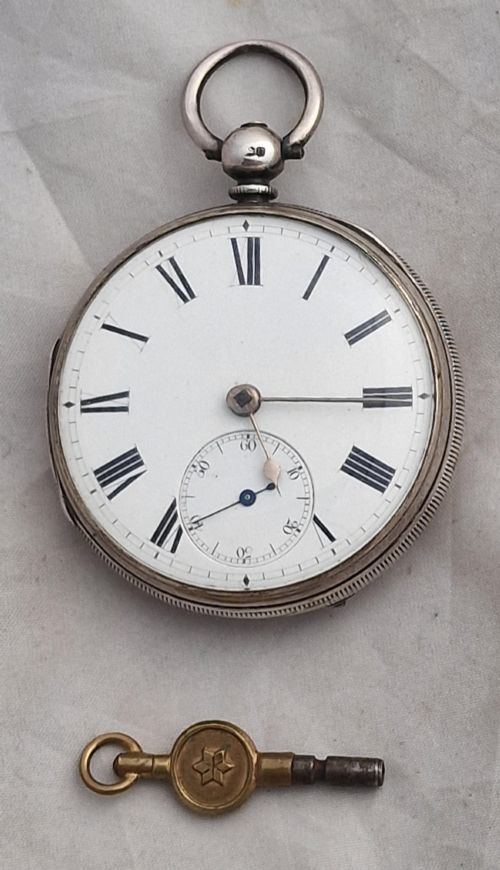
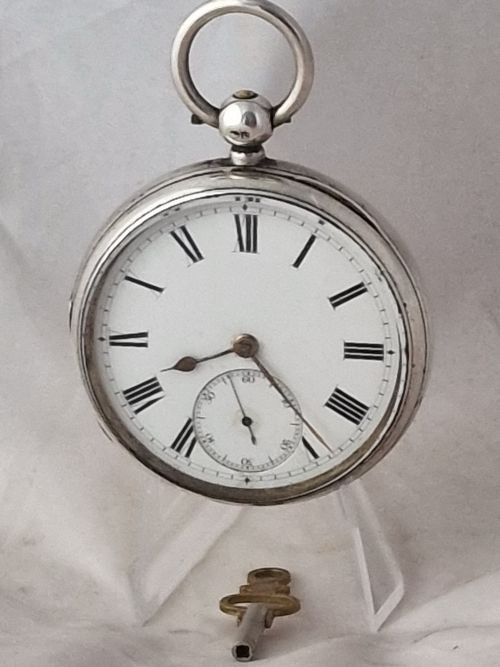
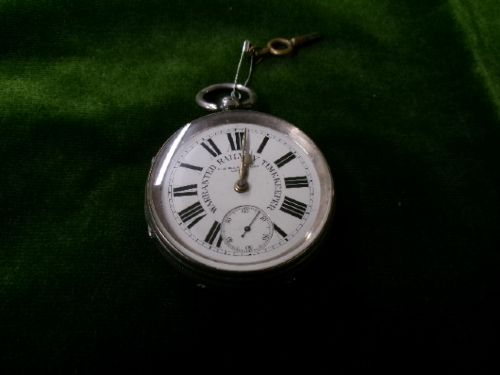
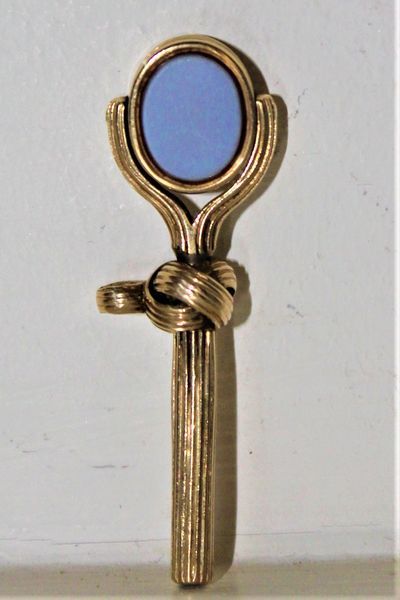
A victorian watch key is a small mechanical tool designed to wind nineteenth-century pocket watches before keyless movements took over. The listings on this page include simple functional winders alongside decorative spinning fobs set with hardstones like bloodstone and carnelian, often suspended from silver or gold watch chains.
Most examples date across the nineteenth century, from the mid-Victorian decades down to around nineteen hundred. Buyers frequently encounter them as pendants or charms, sometimes formed into unusual shapes such as pistols or combined with wax seals.
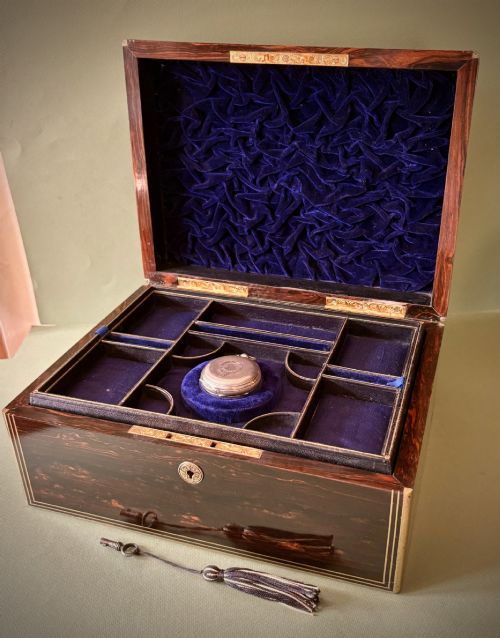
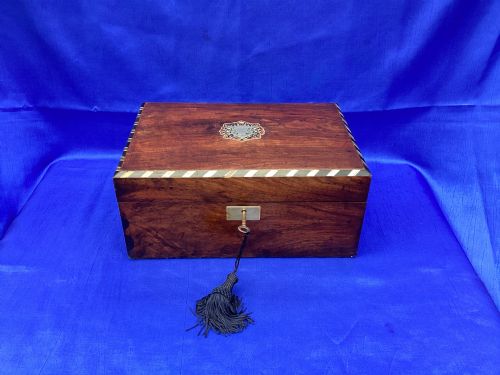
The objects span practical brass and steel tools to precious 18-karat gold and sterling silver pieces embellished with enamel and glass. Many survive attached to complete watch chains or housed alongside jewellery in fitted boxes.
Materials and construction
Metals form the core of these pieces, ranging from humble steel and brass to sterling silver and 18ct gold. Goldsmiths and silversmiths utilised casting, turning, and engraving to shape the small sockets and decorative handles.
Precious stones such as bloodstone and agate appear frequently, cut and polished into rotating swivel fobs mounted within gold or silver frames. Enamel work and coloured glass also add decorative contrast to the metal bodies of the smaller keys and seals.
Among the sliding scale of pocket accessories, at least one clever Victorian maker decided that winding time should involve a miniature firearm.
Factors of quality
Quality rests upon the crispness of the metalwork and the grade of the materials employed, distinguishing standard brass winders from solid 18ct gold pieces set with stones. Finer items display sharp hand-engraving on the metal mounts and flawless polishing on the spinning bloodstone or carnelian panels.
Unusual forms, such as the pistol-shaped winder or combined seal-keys, demand greater skill from the maker and command more attention from collectors. The inclusion of hallmarks or maker marks on silver and gold components further defines the standing of an individual piece.
The Victorian Watch Key Glossary
- Fusee
- A conical pulley inside a pocket watch that ensures even tension as the mainspring unwinds. This mechanism requires a key for winding.
- Fob
- A short chain, ribbon, or ornament attached to a pocket watch. Many watch keys double as decorative fobs to hang from an Albert chain.
- Albert chain
- A type of watch chain worn across a waistcoat or around the neck, named after Prince Albert. These chains frequently support watch keys and swivel fobs.
- Bloodstone
- A dark green chalcedony flecked with red jasper spots. It is commonly set into Victorian swivel fobs and watch keys.
Victorian Watch Key: Frequently Asked Questions
How do I wear a victorian watch key?
These pieces function well suspended from a fine gold or silver chain around the neck as a pendant. They also look appropriate attached to traditional watch chains or charm bracelets.
Because many are small and lightweight, they sit comfortably alongside other antique pendants without weighing down the chain.
Are victorian watch keys still functional?
Many of these pieces retain their original mechanical function and can still wind antique key-wind pocket watches. The internal square socket must match the winding arbor of the specific watch.
Collectors today more commonly wear them as decorative items rather than using them to wind timepieces.
What metals are used in these pieces?
The selection includes basic brass and steel alongside sterling silver and solid 18ct gold. Gold-cased versions also appear in the historical record.
Precious metal examples often feature British hallmarks that help indicate their approximate date of manufacture.