


Victorian Walnut Footrest
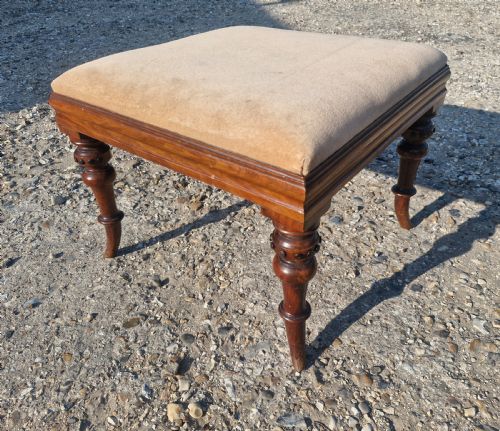
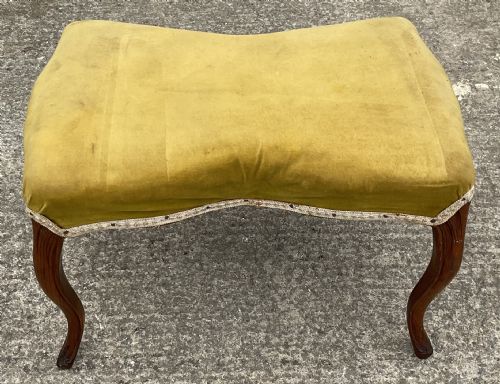
These Victorian walnut footrest pieces bring solid timber and period textiles together by the fireside, offering an authentic resting place for tired feet.
Victorian Walnut Footrest
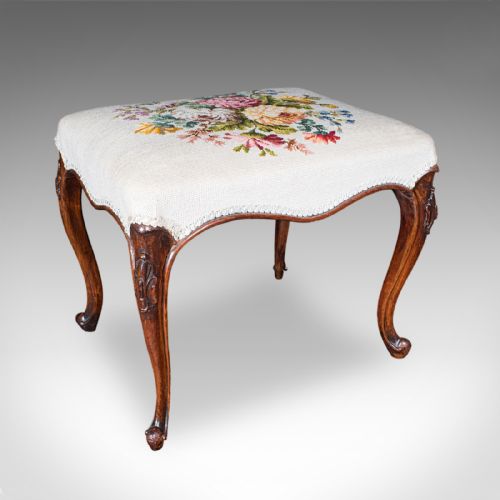
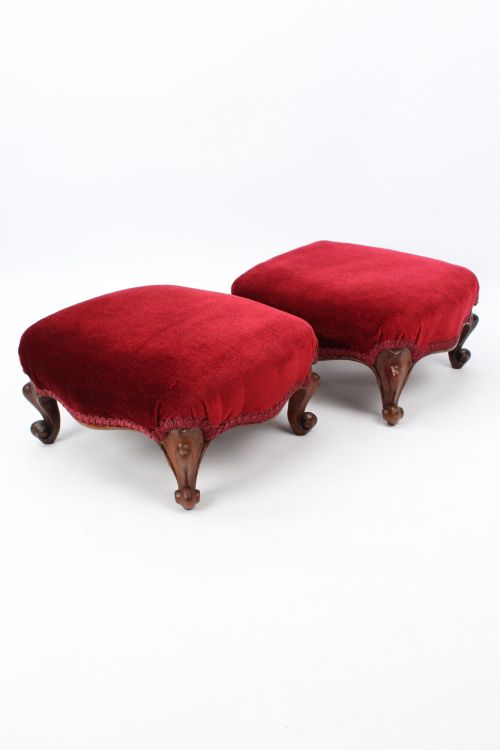
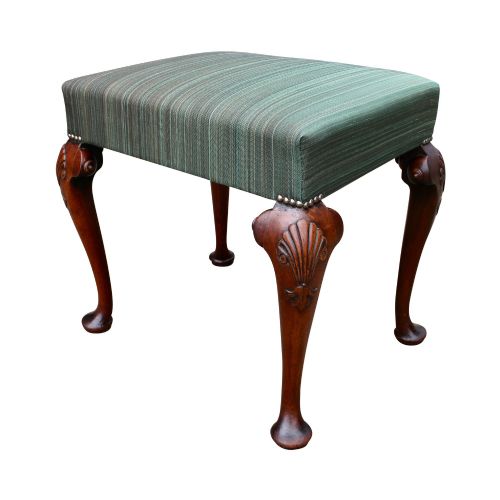
A victorian walnut footrest takes several dependable forms across the nineteenth century, most commonly appearing as low fireside stools, fender stools, and compact gout stools designed for domestic comfort. These pieces serve sitting rooms and dressing areas, ranging from simple upholstered designs to carved frames with cabriole legs.
The materials and construction reflect the broader Victorian penchant for rich timbers and tactile fabrics. Walnut forms the structural timber of the frame, paired with needlepoint, velvet, leather, or tapestry textiles secured over padding.
Materials and construction
Makers shaped solid walnut into sturdy frames, utilising carved details and cabriole leg profiles that align with Victorian Rococo Revival, Gothic Revival, and Queen Anne Revival tastes. Timber elements frequently feature carved ornamentation along the rails and legs.
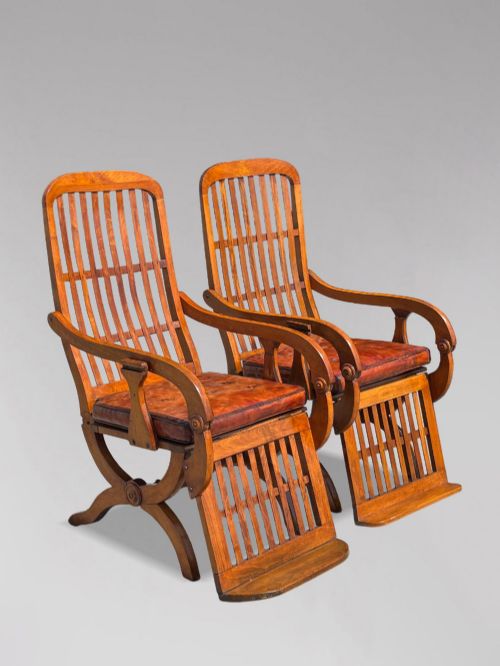
Upholstery relies on traditional stuffing methods contained beneath durable outer coverings of needlepoint, velvet, tapestry, or leather. Brass hardware sometimes appears on reclining mechanisms or structural joints in associated seating forms.
The inventory combines standard low footstools with fender stools, carriage stools, gout stools, and occasional armchairs.
Assessing quality in walnut footstools
The distinction between standard examples and the finest pieces rests in the crispness of the timber carving and the architectural weight of the walnut frame. Superior items display deeply carved flourishes and substantial solid timber scantlings rather than plain turned legs.
Original upholstery materials and the retention of period needlework or leather elevate the integrity of a piece. Finer examples maintain robust frame joinery without excessive movement, demonstrating skilled cabinetmaking from the mid nineteenth century.
The Victorian Walnut Footrest Glossary
- Fender stool
- A long, low stool designed to sit in front of the hearth fender to warm the feet. These pieces often feature extended proportions to accommodate multiple users.
- Gout stool
- An adjustable or angled footrest specifically engineered to elevate and support a foot afflicted with joint pain. These practical items often incorporate a reclining mechanism.
- Cabriole leg
- A furniture leg that curves outward and then tapers inward with a graceful arch, commonly terminating in a scrolled or plain foot. This form appears frequently on revival pieces.
- Needlepoint
- Hand-stitched canvas work utilised extensively for upholstery on nineteenth-century footstools and chairs. It provides a durable and decorative surface.
- Rococo Revival
- A mid-nineteenth-century design style drawing on eighteenth-century French motifs, characterised by flowing curves, naturalistic floral carving, and asymmetrical forms.
Victorian Walnut Footrest: Frequently Asked Questions
How were these footstools originally used?
These pieces sat near the domestic hearth or beside armchairs to elevate the feet off cold floors. They provided essential warmth and comfort in nineteenth-century drawing rooms.
Some specialised variants, such as gout stools, offered adjustable angles for individuals requiring medical leg elevation. Others served as dressing stools or long fender seats positioned along the fireplace.
Are these stools suitable for daily modern use?
Solid walnut frames and sturdy nineteenth-century construction make these footstools remarkably durable for contemporary living spaces. They function well beside modern sofas or armchairs as low occasional seating or footrests.
Buyers should assess the stability of the frame and the condition of the upholstery before heavy everyday use. Many pieces retain enough structural integrity to serve modern households reliably.
What textile types appear on these pieces?
Original and period upholstery commonly includes hand-worked needlepoint, plush velvet, woven tapestry, and durable leather. These materials were chosen for their texture and resilience under regular domestic foot traffic.
Needlepoint covers frequently display floral or geometric patterns typical of nineteenth-century needlework. Velvet and leather provide a smoother, more tailored finish on formal parlour and dressing stools.