

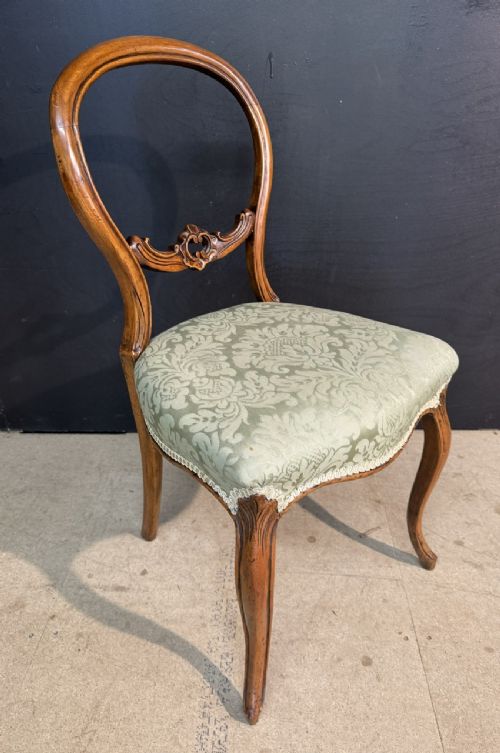


Victorian Walnut Dressing Chair
These Victorian walnut dressing chairs bring comfortable, lower seating to bedroom spaces, offering rich dark wood frames and period upholstery.
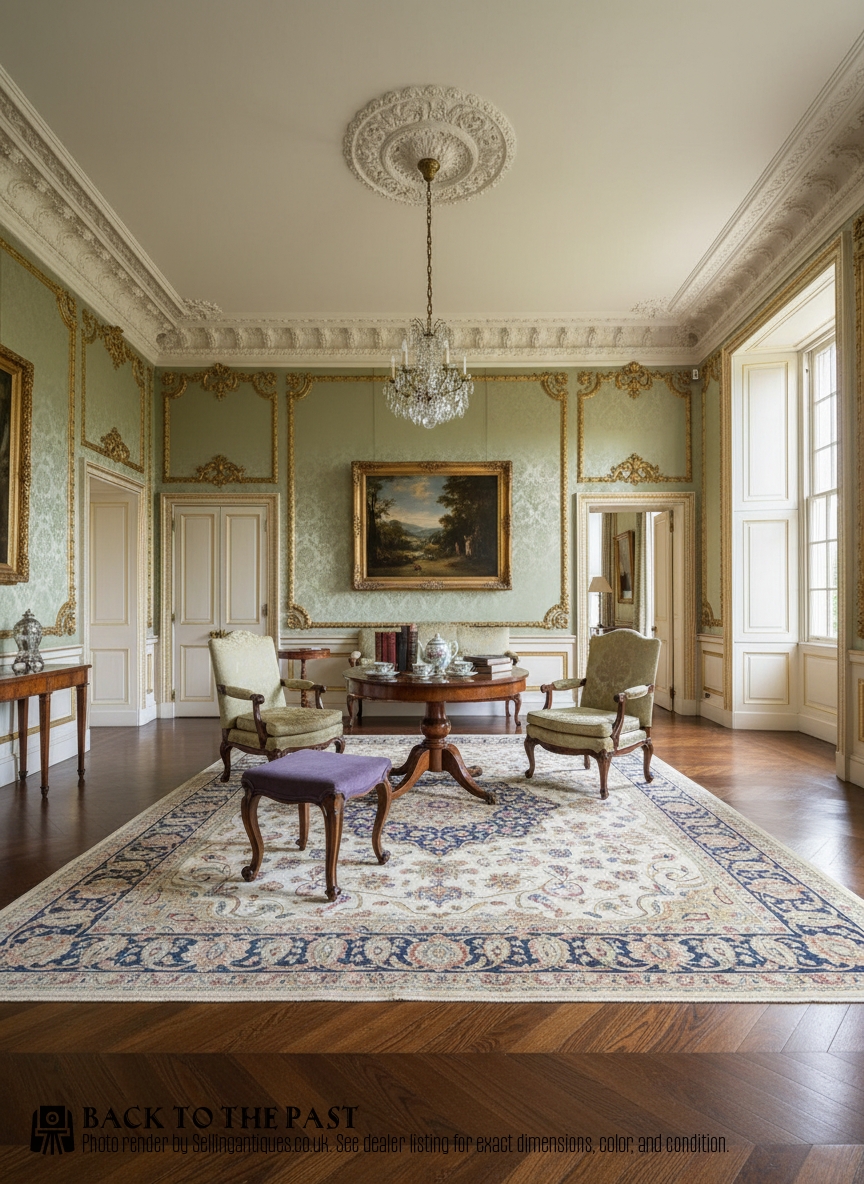
Victorian Walnut Dressing Chair
A Victorian walnut dressing chair sits lower than standard dining seats to suit dressing tables, vanities and music stools.
Most examples found here date from the nineteenth century, including specific decades from eighteen fifty to eighteen ninety.
Forms range from button balloon back nursing chairs and side chairs to X frame window stools and rise and fall music stools.
Materials and construction
Makers shaped these frames from solid walnut, often carving details into cabriole legs and supports.
Upholstery relies on traditional textiles, including damask and leather, supported by brass and metal hardware.
Victorian Walnut Dressing Chair Retail Price Guide 2026
Typical asking prices for victorian walnut dressing chair among the pieces listed under this phrase on Sellingantiques today, from the lower quarter to the upper quarter. They describe what is for sale here now, not the wider market.
Judging the standard
Quality rests on the depth of the walnut carving, the crispness of the frame lines and the integrity of any mechanical adjustments.
Restoration work and replacement covers alter the character of individual pieces, distinguishing untouched frames from heavily reworked examples.
Gillows
The Victorian Walnut Dressing Chair Glossary
- Walnut
- A dense, dark hardwood prized for furniture framing and decorative grain patterns throughout the nineteenth century.
- Cabriole leg
- A curved furniture leg featuring an outward knee and an inward ankle, common on mid-Victorian seating.
- Damask
- A reversible figured fabric often utilised for traditional upholstery and period textile coverings.
- X frame
- A structural support design crossing diagonally, seen on window stools and specialised seating forms.
Victorian Walnut Dressing Chair: Frequently Asked Questions
How do I use a dressing chair today?
These pieces fit well at modern dressing tables, writing desks or as occasional accent seating in a bedroom.
Their compact scale also suits placement beside a piano or beneath a window.
Were these chairs meant for bedrooms?
Many forms were designed specifically for use at dressing tables or in private chambers alongside nursing chairs.
Lower seats allowed individuals to sit comfortably while tending to hair and attire.
How do I spot a later nineteenth century date?
Look to the specific stylistic cues like buttoned balloon backs and cabriole leg shaping recorded across the period.
Turned elements and mechanical rise and fall actions also point towards specific decades within the Victorian era.
Are music stools and dressing stools the same?
Makers often built adjustable frames that served dual purposes for both piano playing and dressing.
Rise and fall mechanisms allowed users to alter the height depending on the exact task.