

Victorian Walnut Bureau Desk
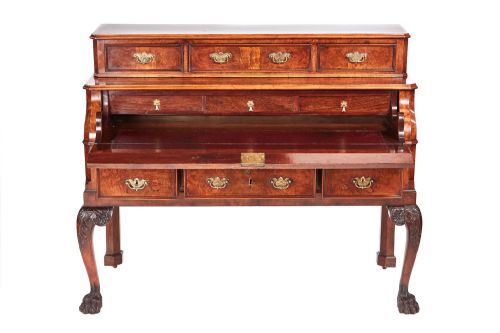
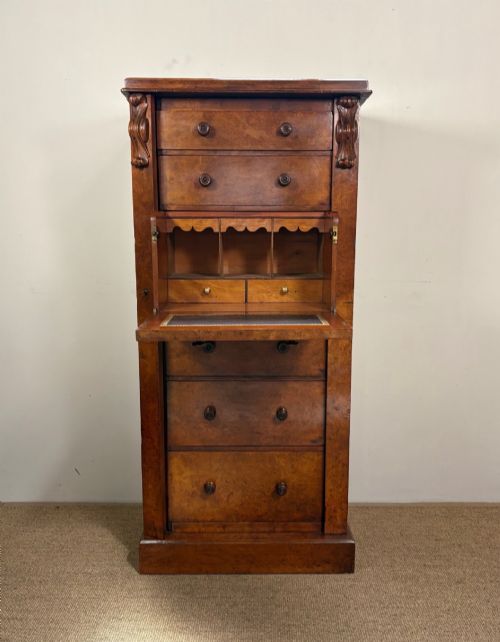
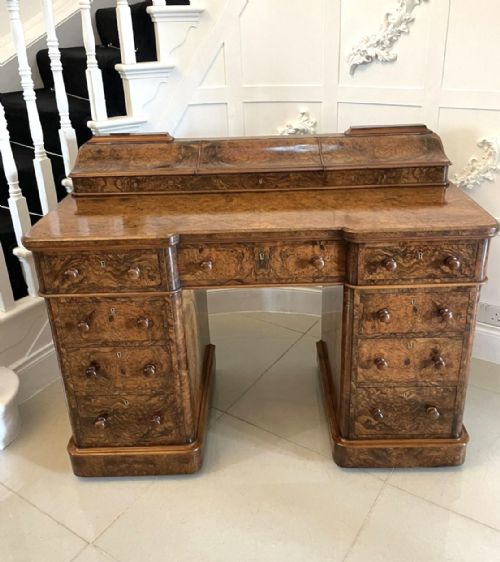
These pieces of a victorian walnut bureau desk combine figured timbers with drop-down writing slopes to create compact workspace.
Victorian Walnut Bureau Desk
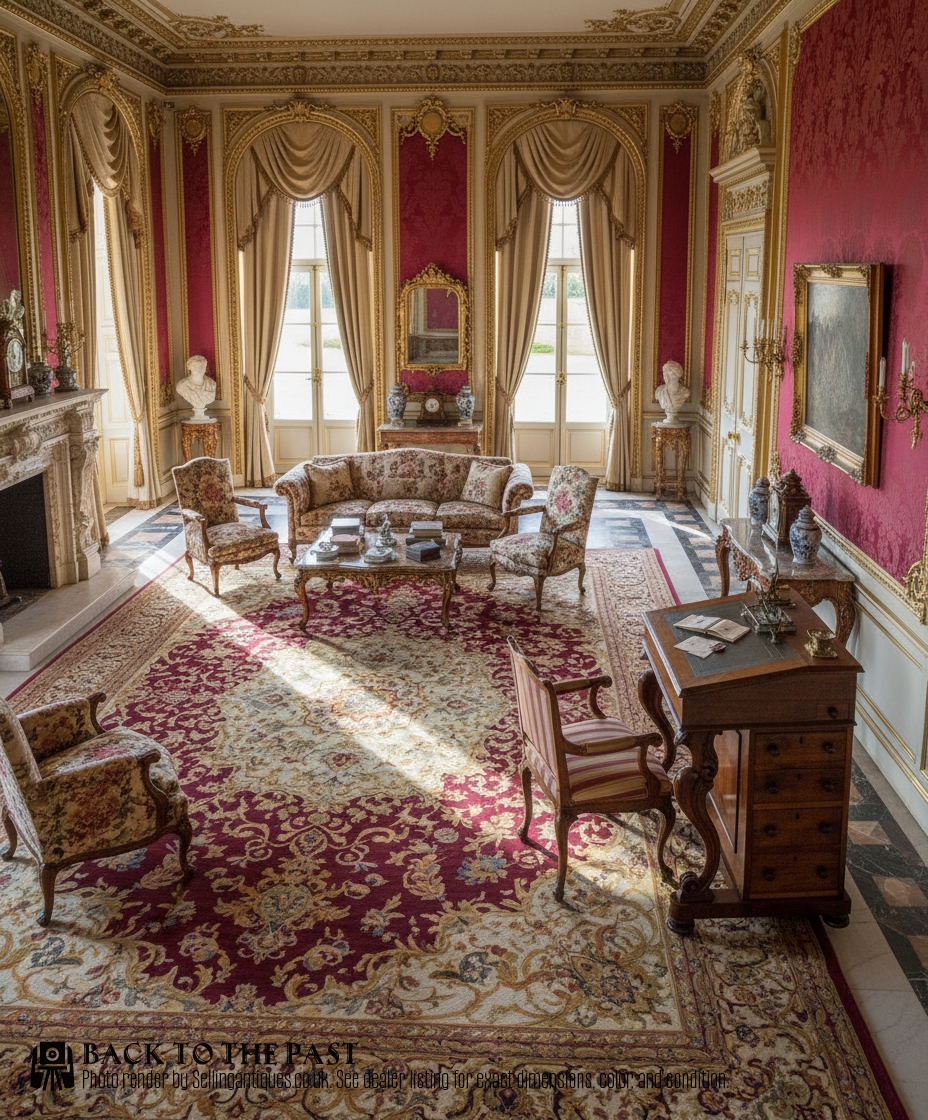
A victorian walnut bureau desk typically manifests as a Davenport desk, a secretaire bookcase, or a compact writing table originating from the nineteenth century. These forms were designed for domestic correspondence and record keeping, using walnut and burr walnut timbers throughout their construction.
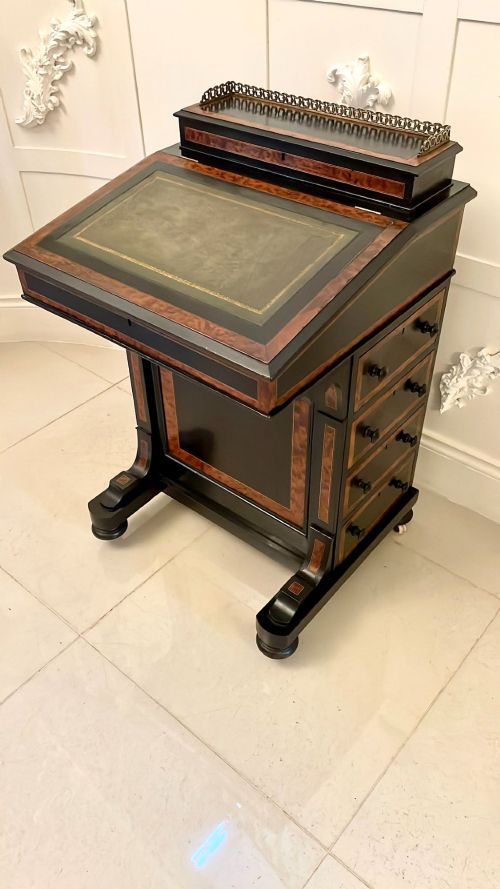
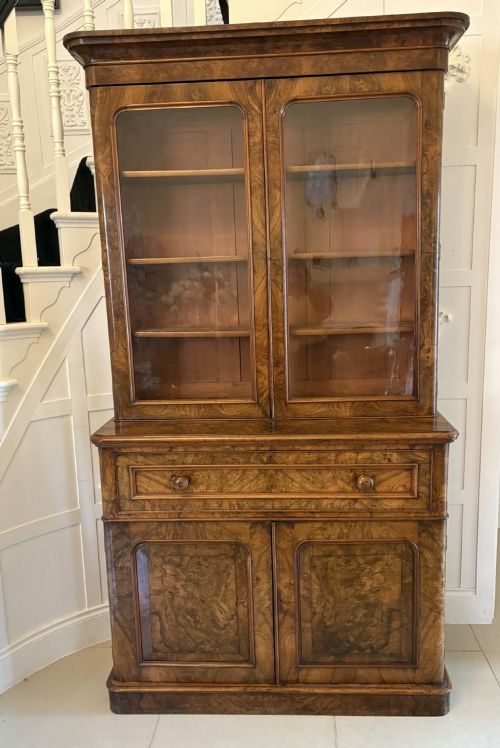
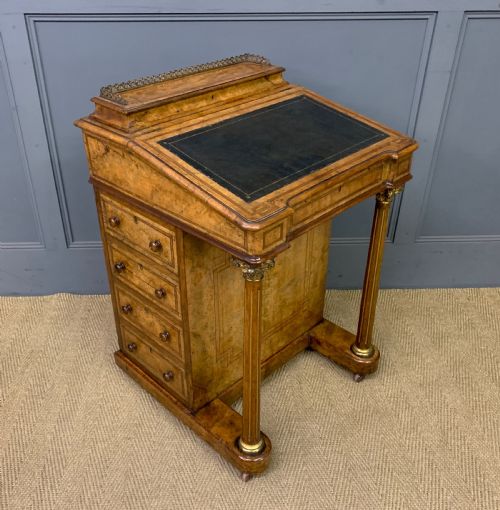
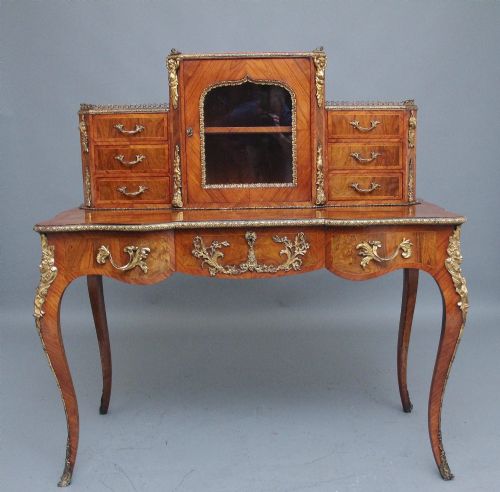
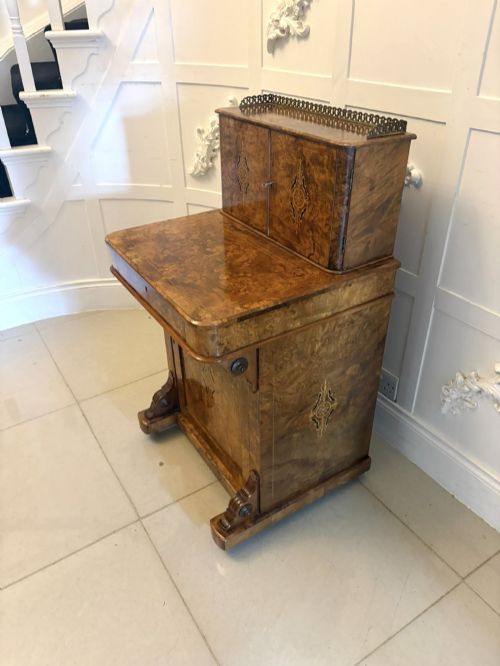
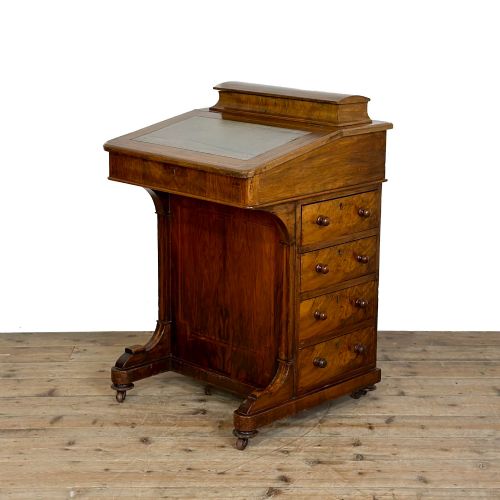
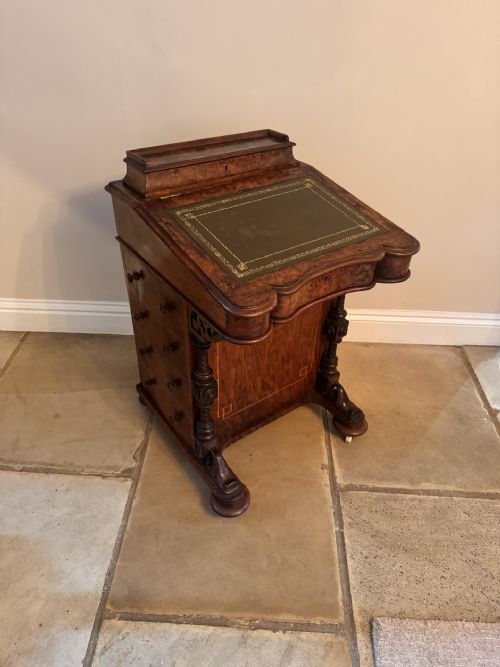
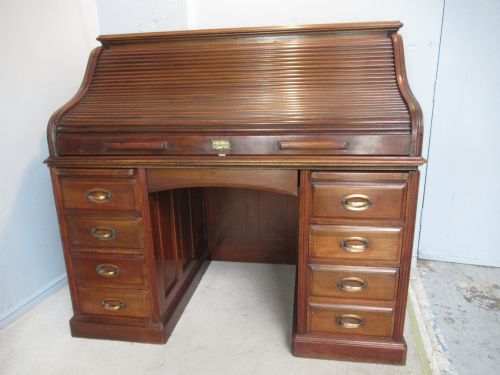
The most common incarnation on this page is the Davenport desk, a compact writing slope with internal stationery compartments and side drawers. Alongside these appear larger pedestal desks, bureau de dame items, and secretaire bookcases incorporating shelving or display space above the writing surface.
Materials and construction methods
Cabinet makers utilised solid walnut alongside decorative burr walnut veneers to cover primary surfaces, often selecting figured timber for the main writing slopes and drawer fronts. Satinwood interiors frequently provide a contrasting timber for internal small drawers and pigeonholes.
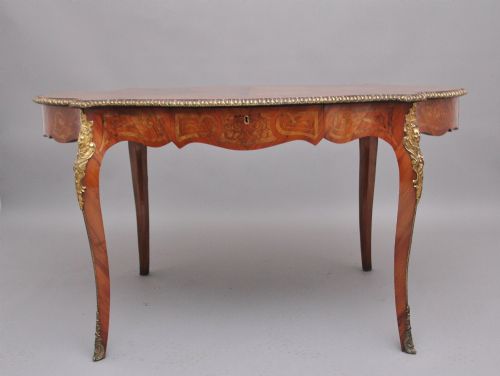
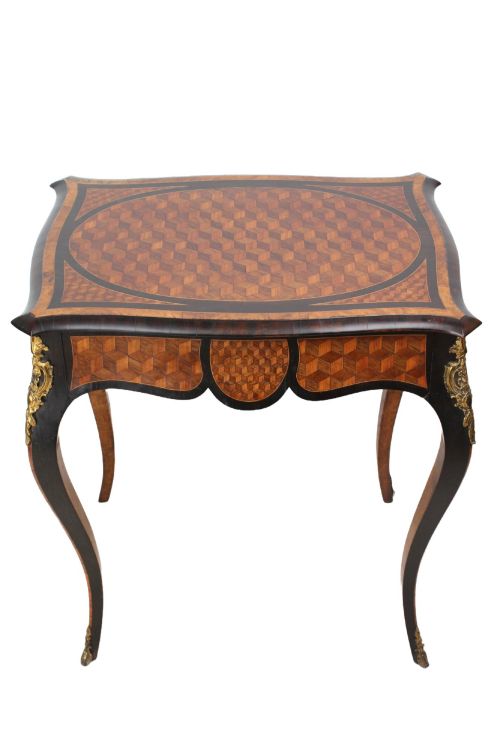
Brass hardware, mirror glass, and ormolu mounts appear alongside leather writing inserts on many examples. Inlaid brass details and marquetry decoration punctuate the timber surfaces on pieces influenced by French revival styles.
The listings here span the Victorian period from 1850 to 1910, featuring walnut, burr walnut, brass, and satinwood across multiple desk forms.
Distinctions in quality
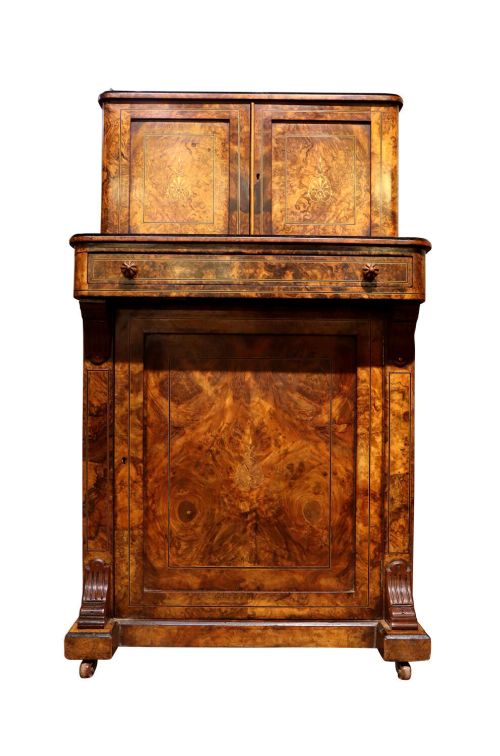
The grade of timber selection marks the primary difference across these items, with heavily figured burr walnut commanding attention over plainer grain patterns. Fine cabinet work shows in the precise alignment of marquetry, brass inlay, and the crispness of carved details such as paw feet.
Internal complexity also separates standard pieces from superior examples, particularly where satinwood fitments, secret compartments, and finely dovetailed drawer construction are present. Maker attribution, through stamps or known workshop signatures, further differentiates individual desks.
JAS Shoolbred·Maple & Co.
The Victorian Walnut Bureau Desk Glossary
- Burr walnut
- A wood harvested from the wart or burl on a walnut tree, yielding highly swirled and patterned veneer figures. Cabinet makers sliced this timber to adorn the primary display surfaces of high-status desks.
- Davenport
- A compact writing desk featuring a sloping top hinged over a pedestal of drawers. Originating in the early nineteenth century, this form remained popular throughout the Victorian period.
- Secretaire
- A piece of furniture containing a pull-out or drop-down writing drawer that conceals small pigeonholes and compartments. This term frequently applies to bookcases and tall chests that double as writing spaces.
- Bonheur du jour
- A light lady's writing desk featuring a small cabinet or superstructure with shelves and drawers above the main work surface. These items emerged during the French revival movements of the nineteenth century.
- Ormolu
- Gilded bronze mounts applied to furniture for decorative effect, often cast in scrollwork or floral motifs. This technique derives from French cabinet making traditions adopted by Victorian craftsmen.
Victorian Walnut Bureau Desk: Frequently Asked Questions
What is a Davenport desk?
A Davenport is a compact Victorian desk featuring a sloping, leather-lined writing surface that lifts to reveal storage. A pedestal of drawers sits underneath, often accessed from the side.
These pieces were built to occupy minimal floor space while providing a dedicated station for correspondence in drawing rooms or boudoirs.
How do I identify burr walnut?
Burr walnut is recognisable by its swirling, highly figured grain patterns filled with small knot formations. It comes from excrescences on the tree where the grain grew in random directions.
Cabinet makers applied thin veneers of this timber to drawer fronts and writing slopes to create striking decorative effects.
What is a bonheur du jour?
A bonheur du jour is a light writing desk topped with a small cabinet, pigeonholes, or shelving. These delicate items were designed for ladies to write letters and keep stationery.
Examples from this period frequently incorporate marquetry inlay, satinwood interiors, and ormolu mounts reflecting French revival tastes.
How were secretaire bookcases used?
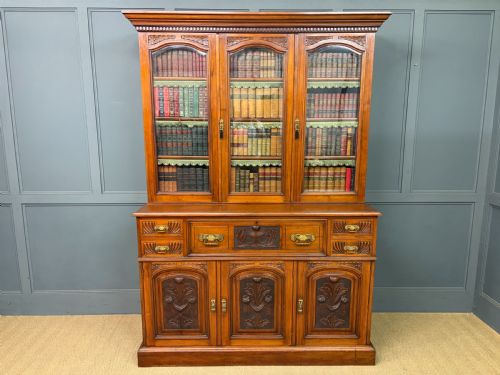
Secretaire bookcases combine a shelved upper bookcase with a lower section housing a pull-out writing drawer. The drop-front drawer conceals pigeonholes and small drawers for paperwork.
This dual-purpose design allowed owners to store a library collection and write letters at the same piece of furniture.