
Victorian Walnut Accent Chair
A victorian walnut accent chair brings warmth and carved detail to a room, offering compact seating rooted in nineteenth-century craftsmanship.
Victorian Walnut Accent Chair
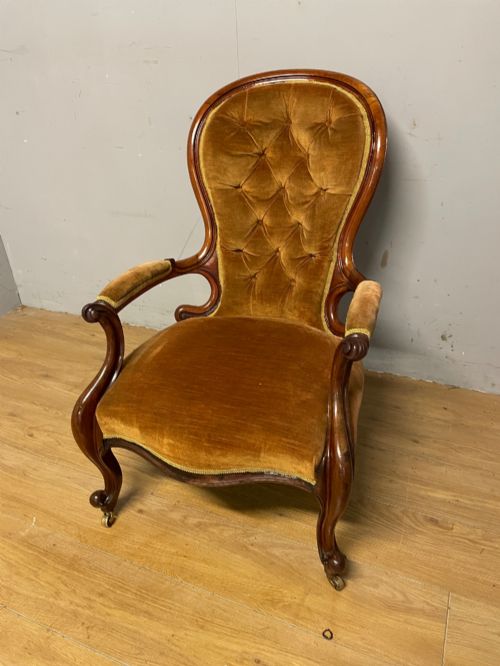
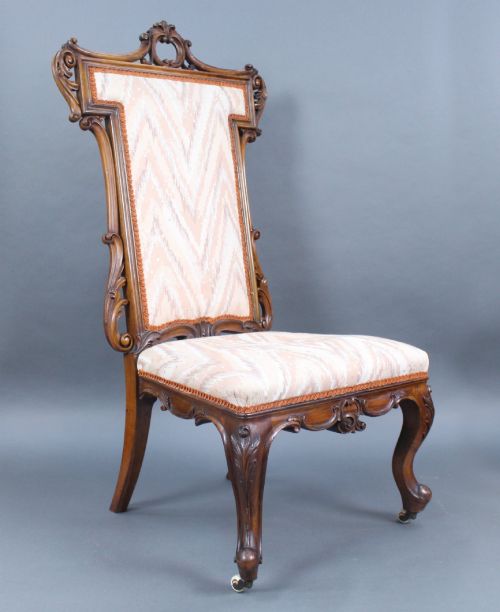
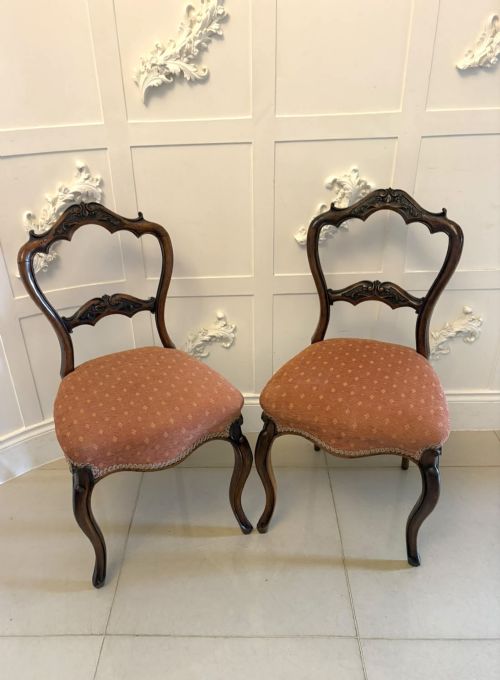
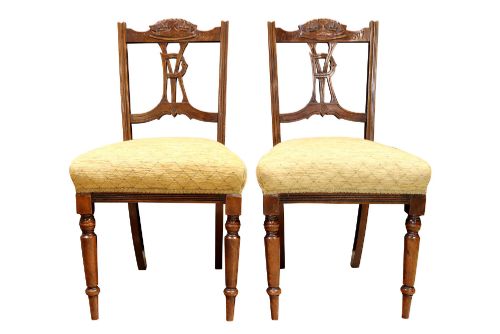
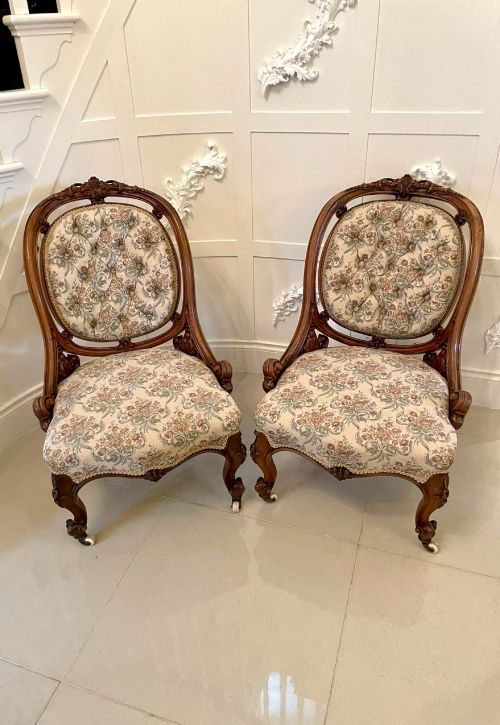
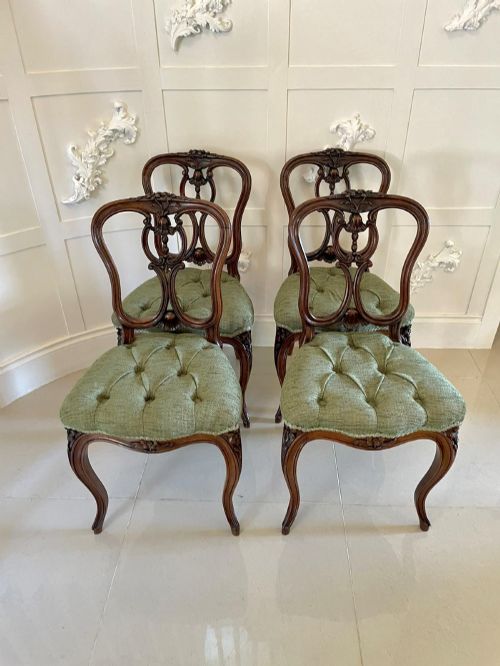
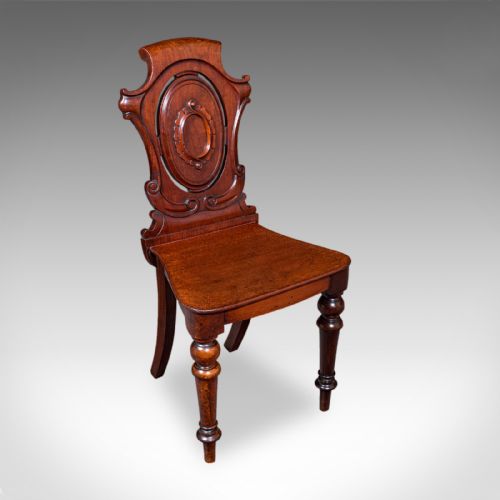
A victorian walnut accent chair encompasses various compact seating forms such as nursing chairs, salon chairs, and occasional chairs designed for domestic parlours and bedrooms. These pieces emerge predominantly from the nineteenth century, ranging from mid-century productions to later Edwardian examples.
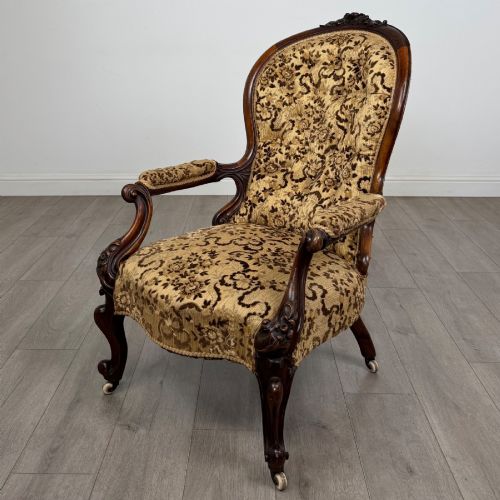
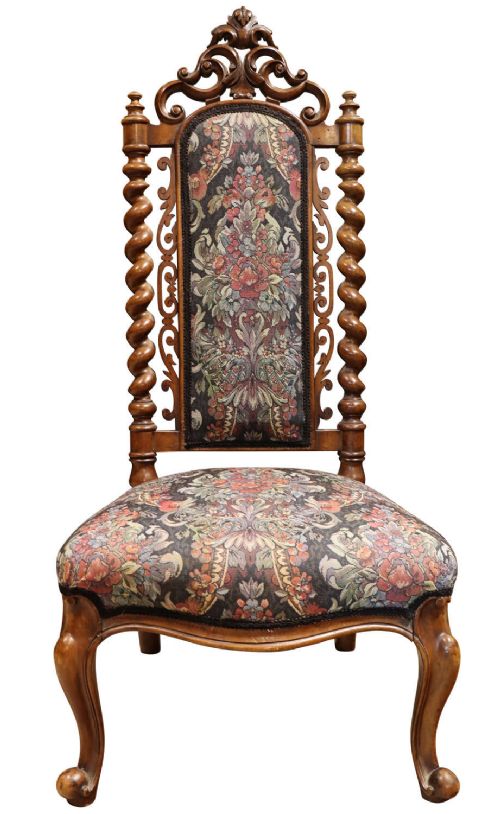
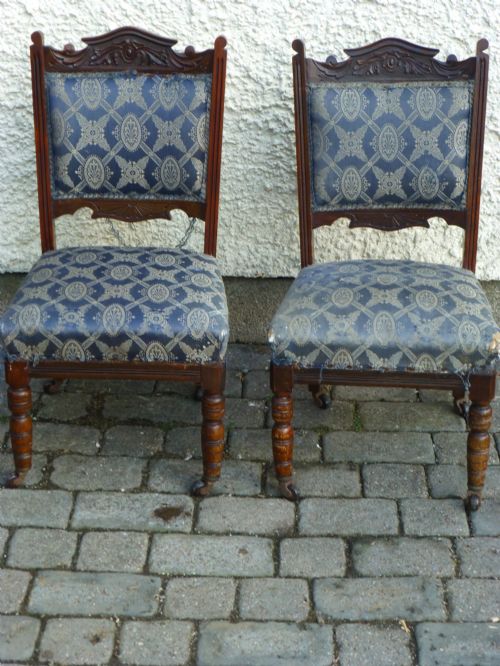
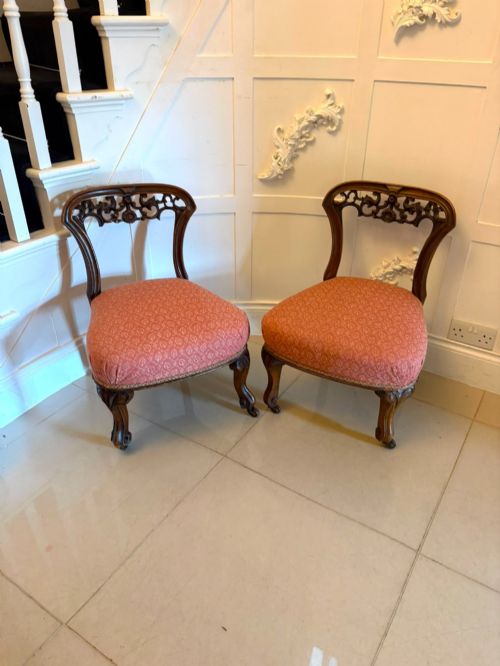
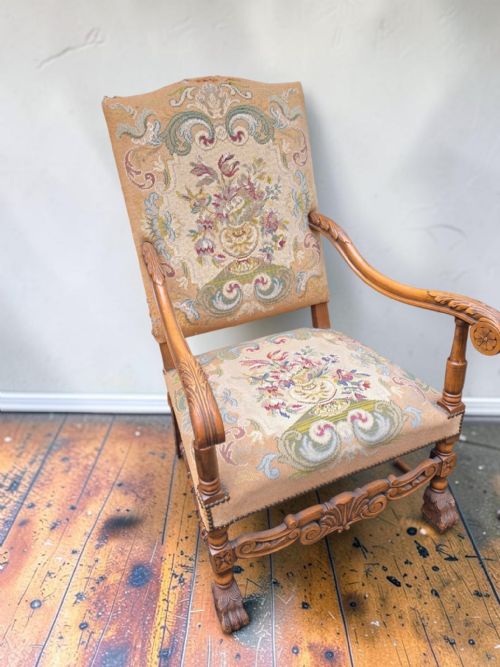
Makers utilised distinct revival styles, incorporating Renaissance, Rococo, and Queen Anne influences into the wooden frames. Buyers frequently encounter pairs or single pieces displaying intricate carvings and cabriole or barley twist legs.
Materials and construction methods
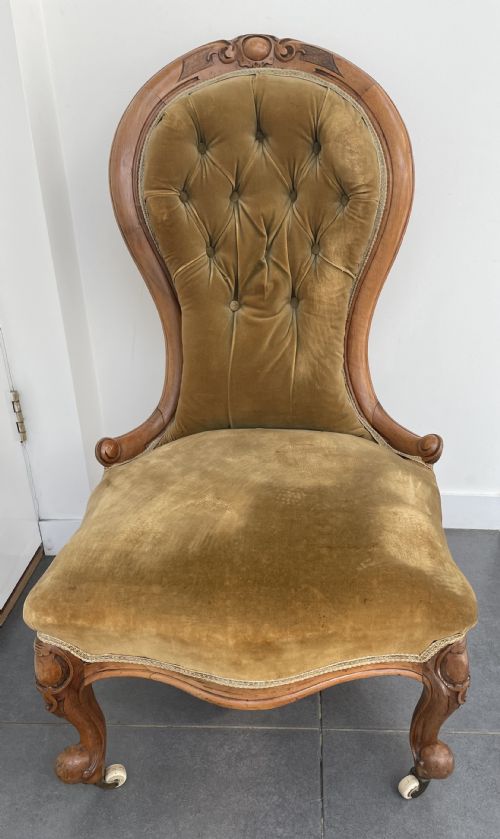
Frames are built predominantly from solid walnut, selected for its rich grain and suitability for deep, curvilinear carving. Craftsmen shaped the timber using traditional joinery, often employing steam bending to achieve characteristic spoonback and cabriole profiles.
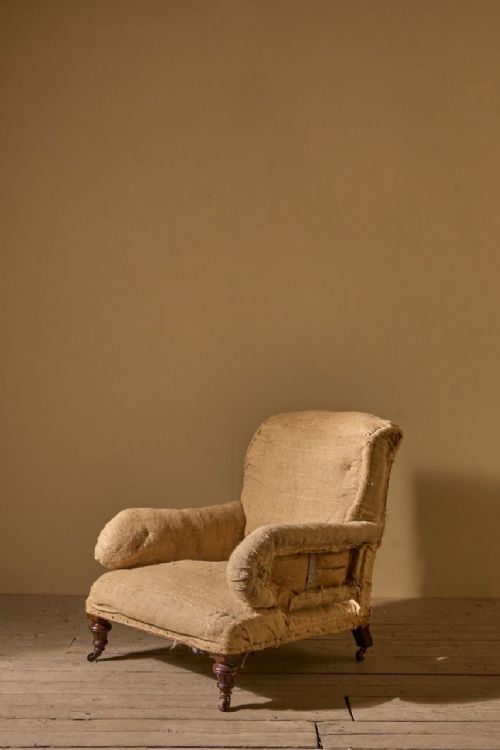
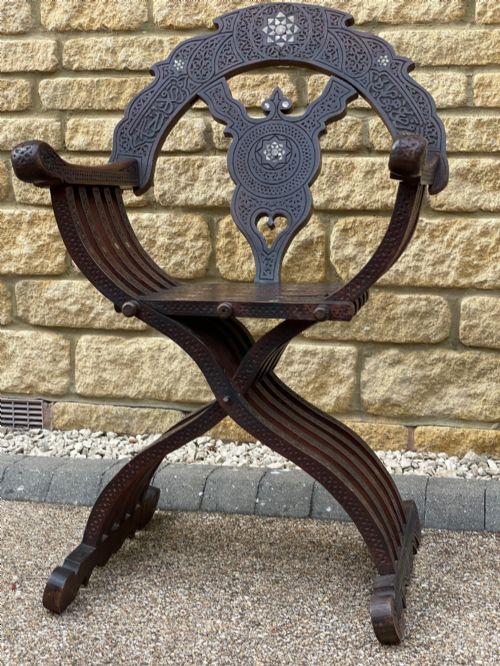
Upholstery techniques involved horsehair and textile stuffing secured over webbing or springs, finished with decorative elements like brass studs or gimp braid. Secondary materials such as ceramic castors, metal supports, and mother-of-pearl inlay occasionally appear on specific models.
Listings feature walnut frames paired with diverse textiles, including velvet, tapestry, needlework, and crewelwork upholstery.
Distinguishing quality in period seating
The definition of quality rests upon the crispness of the timber carving and the integrity of the underlying frame construction. Finer examples display deeply undercut foliage and smooth, fluid lines that integrate seamlessly into the structural joints.
Proportion and wood selection dictate upper-tier status, where dense, richly figured walnut grain enhances the aesthetic impact. Subtle details, such as well-turned barley twist supports or integrated brass hardware, elevate a piece above standard domestic production.
Howard and Sons
The Victorian Walnut Accent Chair Glossary
- Spoonback
- A chair back carved in the concave contour of a spoon to fit the human spine. This ergonomic shape became popular during the mid-nineteenth century.
- Nursing chair
- A low-seated chair historically designed for mothers nursing infants. These seats typically feature compact dimensions and low profiles.
- Cabriole leg
- A furniture leg that bends outward and then tapers downward with a pad or scroll foot. The design mimics animal limbs and appears frequently on revival pieces.
- Barley twist
- A turning technique resembling a spiral rope carved into wooden furniture legs or supports. It provides texture and structural support in nineteenth-century pieces.
- Needlework
- Hand-stitched textile art utilised as upholstery on period chair seats and backs. Crewelwork and tapestry variants frequently survive on Victorian frames.
Victorian Walnut Accent Chair: Frequently Asked Questions
What is a nursing chair?
A nursing chair is a low-seated Victorian chair originally designed to assist women with infant care by keeping them closer to the floor.
These pieces often feature upholstered backs and compact frames suited for bedrooms and sitting rooms.
How do I identify walnut timber?
Walnut is characterised by a rich brown hue, sometimes featuring darker grain patterns and a smooth natural lustre. It permitted deep carving without splintering.
In nineteenth-century seating, it presents a warmer tone than mahogany and a finer grain than oak.
Are these chairs comfortable for daily use?
Many Victorian accent chairs provide supportive seating, though older internal stuffing may feel firmer than modern upholstery. Upholstered models often feature sprung bases designed for relaxation.
Their compact proportions suit reading corners, dressing tables, and reception spaces.
What revival styles influenced these designs?
Cabinetmakers drew inspiration from earlier historical periods, incorporating Rococo curves, Renaissance motifs, and Queen Anne structural lines into Victorian frameworks.
These revivals mixed traditional proportions with contemporary manufacturing techniques.