



Victorian Wall Vase
These victorian wall vase pieces bring hanging floral displays and domestic greenery straight to vertical surfaces with distinct nineteenth-century character.
Victorian Wall Vase
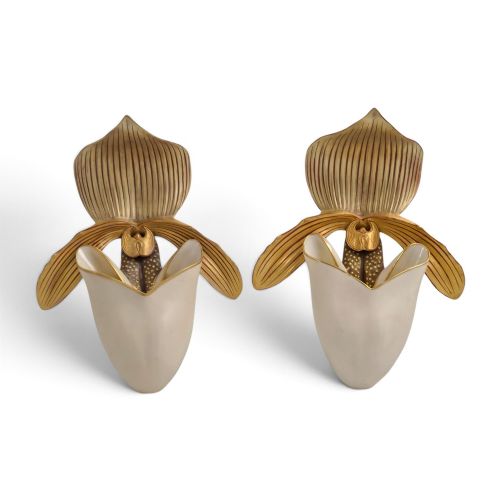
A victorian wall vase typically takes the form of a wall pocket, hanging mirror combination, or decorative receptacle designed to be mounted directly onto a wall. These items served both practical and decorative purposes in nineteenth-century interiors, holding fresh or dried botanical arrangements.
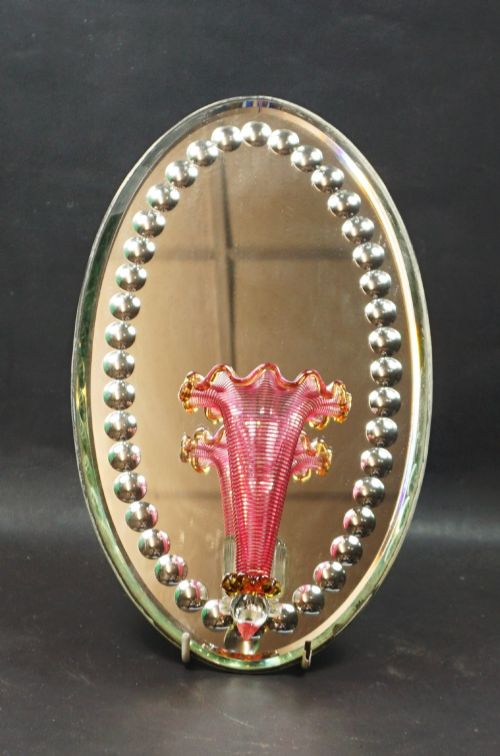
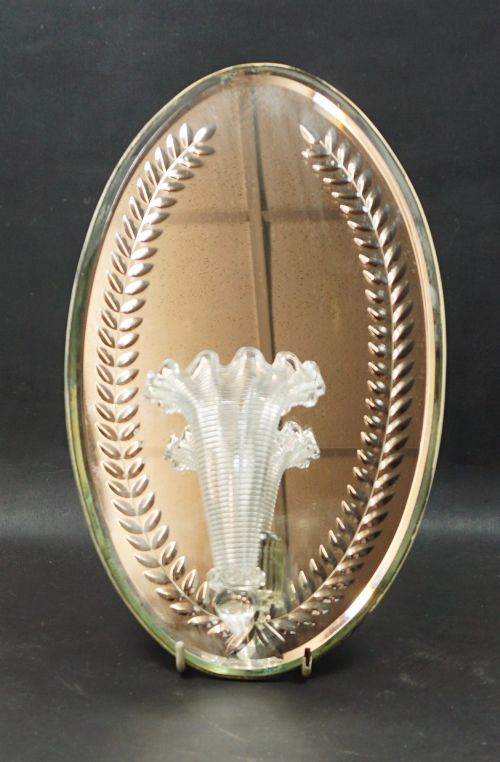
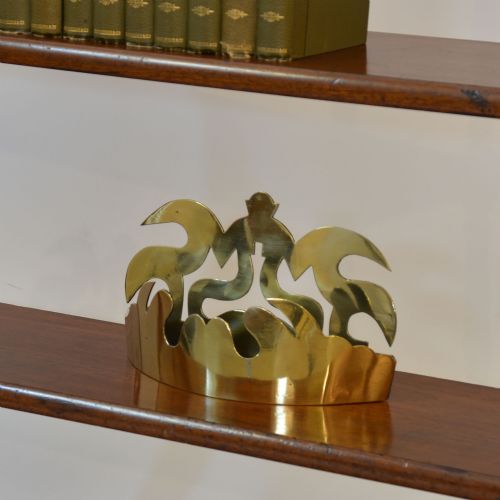
The selection ranges from ceramic vessels and brass crown pockets to hanging mirrors fitted with integral glass flower holders. One frequently encounters earthenware pieces from regional potteries alongside mirrored wall units featuring cranberry or crystal glass vases.
Makers utilised various media during the period, resulting in items that crossed boundaries between utilitarian pottery and ornamental display pieces. The core function remained consistent across these designs: bringing floral decoration off the table and onto the vertical plane.
Materials and Construction
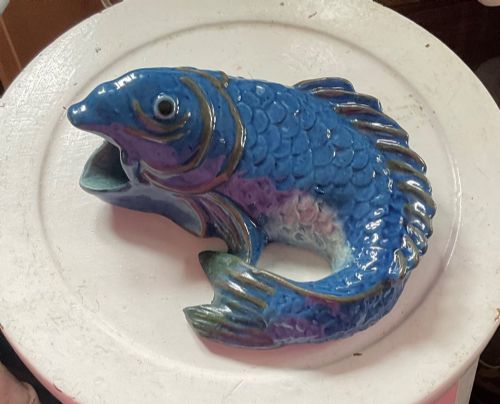
Pottery wall pockets rely on traditional earthenware or stoneware techniques, shaped into animal forms, wall pockets, or structural holders. Glazing varied from bright green double-walled finishes to local studio pottery styles produced in workshops.
Metal versions utilise brass formed into decorative silhouettes such as crown motifs, providing a durable surface for holding stems. Glass elements include blown vessels, silvered mercury glass, and fitted crystal or cranberry glass inserts designed to slide into hanging frames.
Wood and mirrored glass combine in hanging mirror pieces, where wooden backplates support glass panels alongside integrated metal or glass vase brackets. Each material dictated how the piece attached to the wall and how it managed moisture from floral displays.
Victorian Wall Vase Retail Price Guide 2026
Typical asking prices for victorian wall vase among the pieces listed under this phrase on Sellingantiques today, from the lower quarter to the upper quarter. They describe what is for sale here now, not the wider market.
Listings feature items spanning the 1860s through the 1920s, encompassing Victorian, Arts and Crafts, and Aesthetic Movement design influences.
Assessing Quality and Execution
Quality in these pieces depends upon the execution of the modelling and the integrity of the combined materials. Finer ceramic examples display crisp moulding, deliberate glaze saturation, and secure fixing points designed to bear weight when filled.
In composite pieces, such as hanging mirrors with integrated glass vases, quality rests on the retention of original components. The match between the glass receptacle and its holding bracket indicates whether elements remain together from their original production.
Subtlety in decorative detail separates standard production items from superior studio work. The handling of brass work, the clarity of mercury glass, and the weight of the ceramic body all signal the standard of the original workshop.
LAUDER POTTERY BARNSTAPLE
The Victorian Wall Vase Glossary
- Wall pocket
- A flat-backed ceramic, metal, or glass vessel designed to hang flush against a wall for holding flowers. These items gained popularity during the Victorian era for saving surface space.
- Mercury glass
- Double-walled blown glass coated on the interior with a silvering solution, creating a reflective mirror-like appearance. It was widely used for decorative vases and tableware in the nineteenth century.
- Cranberry glass
- Transparent glassware coloured with gold chloride, yielding a distinct pinkish-red hue. It often appears in Victorian hanging mirror vase combinations.
- Double-walled vase
- A vessel constructed with an inner and outer layer of material, creating an insulating air gap or a specific visual depth. This technique appears in nineteenth-century English green-glazed items.
- Earthenware
- Porous pottery fired at lower temperatures, commonly used for utilitarian and decorative wall pockets. It requires glazing to become impervious to water.
Victorian Wall Vase: Frequently Asked Questions
How were wall vases hung originally?
These pieces generally feature integrated hanging loops, wire attachments, or screw holes built directly into the backplate or ceramic body. They relied on picture hooks or wall nails capable of supporting the weight of the vessel and water.
The inclusion of flat backs ensured the pieces hung flush against plaster or wood-panelled walls without tipping forward.
Can these glass and ceramic vases hold water safely?
Many glass inserts and glazed ceramic pockets remain watertight and capable of holding fresh botanical stems. However, older mercury glass and porous earthenware require careful inspection before filling.
Using a hidden internal liner is often recommended for antique glass or unglazed sections to prevent moisture damage to the antique fabric.
Where were wall pockets displayed in the home?
Victorians placed these vessels in hallways, drawing rooms, and boudoirs where floor and table space was limited. Hanging them near windows or mirrors maximised light reflection and floral visibility.
They allowed homeowners to introduce greenery and fresh cut flowers into vertical transitional spaces throughout the house.
How do I identify a nineteenth-century piece?
Dating relies on material characteristics, manufacturing marks, and specific forms typical of the period. Glaze colours, brass patination, and mirror silvering methods provide key chronological indicators.
Registered design marks or impressed workshop stamps on ceramic bases also help confirm the era of production.