




Victorian Wall Mask
These Victorian wall mask pieces bring intense carved character and historic reflectivity to a room.
Victorian Wall Mask
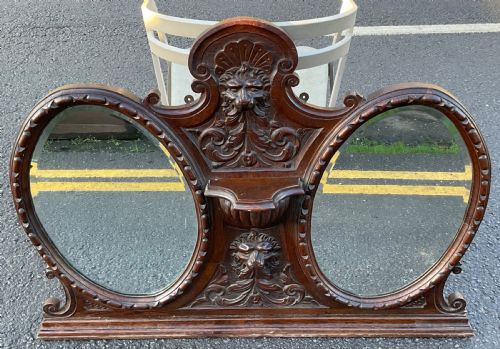
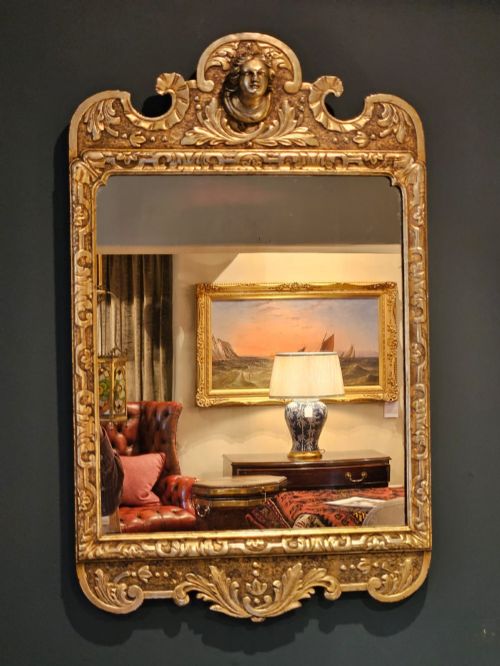
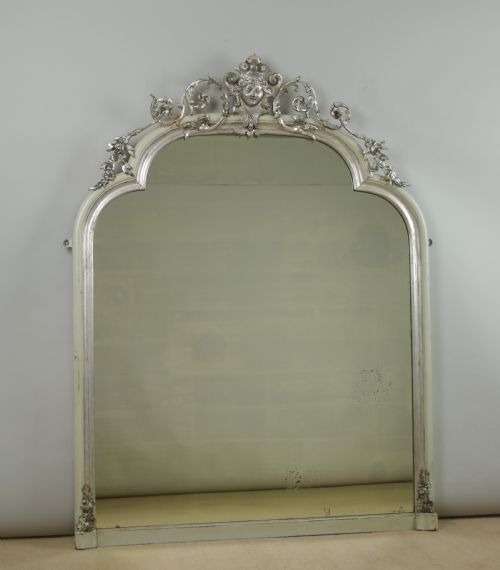
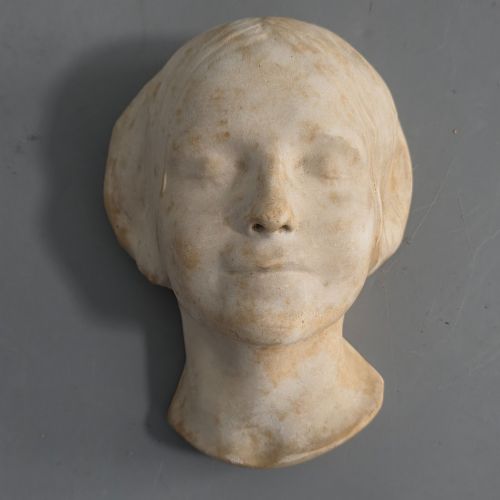
When you search for a Victorian wall mask, you are looking at an eclectic mix of carved animal heads, classical death masks, and architectural brass mirror crests. These wall-mounted decorative objects capture the 19th-century fascination with dramatic sculpture, natural history, and rich interior ornamentation.
On this page, you are most likely to meet walnut Black Forest carvings of animal heads and brass mirror frames featuring prominent mask motifs from the later decades of the century. The selection spans robust oak mirror frames, alabaster sculptural casts, and carved terracotta elements designed to mount directly onto wood-panelled or plastered walls.
The assortment reflects both domestic British interior styling and continental influences, ranging from French Rococo revival metalwork to deep German wood carvings. Each piece serves as a striking focal point, originally intended to dominate a hallway, study, or overmantel.
Materials and methods
Wood is the dominant medium, with walnut and oak shaped through deep hand-carving to produce three-dimensional animal heads and substantial architectural mirror frames. Black Forest pieces demonstrate intricate relief work that pushes the timber to its sculptural limits.
Cast metals such as brass and bronze provide the structure for reflective glass and ornate crests, utilising traditional foundry techniques to achieve fine facial detailing. Gesso, painted terracotta, and alabaster are also employed to create smooth, pale sculptural surfaces and death mask casts.
Applied finishes include silvering, gilding, and painting, which highlight the contours of cast metal and carved stone. These surface treatments work in tandem with the primary materials to catch ambient light within Victorian interiors.
Victorian Wall Mask Retail Price Guide 2026
Typical asking prices for victorian wall mask among the pieces listed under this phrase on Sellingantiques today, from the lower quarter to the upper quarter. They describe what is for sale here now, not the wider market.
A fierce carved walnut tiger head gazes across the room, reminding visitors that Victorian interior design had a delightfully wild side.
Standards of craftsmanship
The distinction between ordinary and exceptional work lies in the depth and vitality of the carving or casting. Superior walnut and oak carvings display muscular definition and fur texture that appear organic, whereas lesser examples remain stiff and shallow.
Structural integrity and the preservation of original surfaces separate enduring examples from heavily restored ones. Retaining the authentic silvering on glass or the untouched patina on aged timber preserves the historic character that collectors value.
Peter Spicer & Sons
The Victorian Wall Mask Glossary
- Black Forest
- A term for highly detailed wood carvings originating from the wooded mountain region in Germany during the 19th century. These pieces frequently depict naturalistic animal subjects.
- Overmantel mirror
- A large wall mirror specifically designed to hang above a fireplace mantelpiece. They often incorporate decorative crests and elaborate framing.
- Gesso
- A plaster-like material applied to wood or canvas as a base for gilding or painting. It allows craftsmen to model intricate low-relief ornamentation.
- Death mask
- A cast taken of a person's face after death, typically in plaster, wax, or alabaster. The 19th century saw a revival of artistic interest in these haunting sculptural records.
Victorian Wall Mask: Frequently Asked Questions
What is a Victorian wall mask?
A Victorian wall mask is a decorative sculptural element designed for display on a wall, encompassing carved wooden animal heads, cast metal mirror crests, and sculptural casts.
These pieces reflect the 19th-century penchant for dramatic interior adornment, combining natural history with skilled craftsmanship.
Where were these hung originally?
These pieces were typically hung in grand hallways, libraries, hunting lodges, and above drawing-room fireplaces. Mirrors with mask crests served both a practical reflective purpose and a decorative one.
Carved animal heads and sculptural masks acted as striking conversation pieces in formal domestic spaces.
How do I identify Black Forest carvings?
Black Forest carvings are identified by their deep, naturalistic rendering of fauna, usually carved from solid walnut. They often feature distinct subjects like lions or tigers with glass eyes.
The style originates from late 19th-century German and Swiss workshops known for virtuosic woodworking.
Are brass wall mirrors heavy?
Cast brass and bronze mirrors from the Victorian era are generally substantial in weight due to the density of the metal and the thickness of the glass. Proper wall fixings are essential for secure hanging.
The weight reflects the durable foundry methods used during the period.