



Victorian Wall Lighting
Victorian wall lighting brings weight and character to a room, casting warm illumination through brass, bronze, and copper.
Victorian Wall Lighting
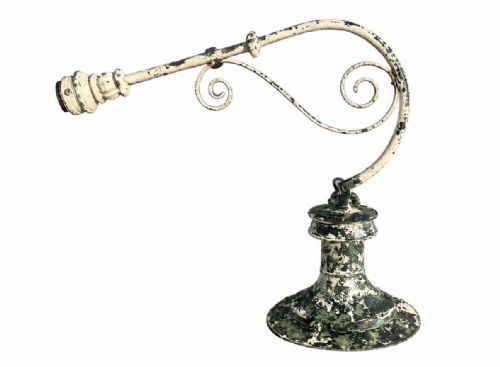
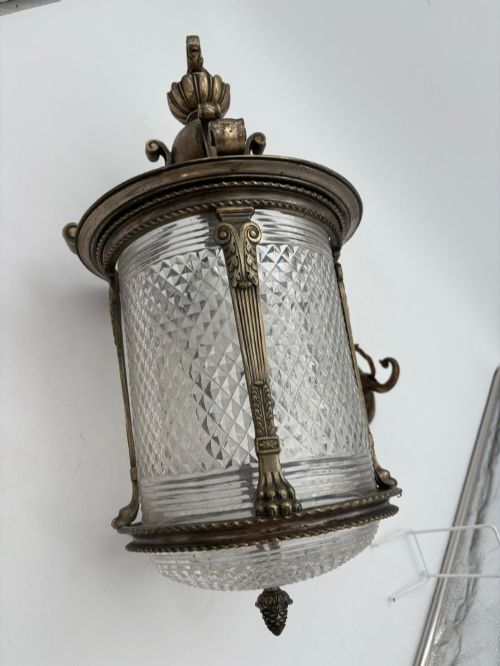
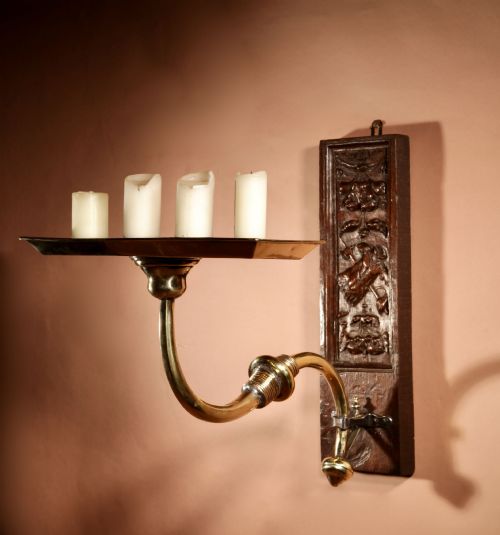
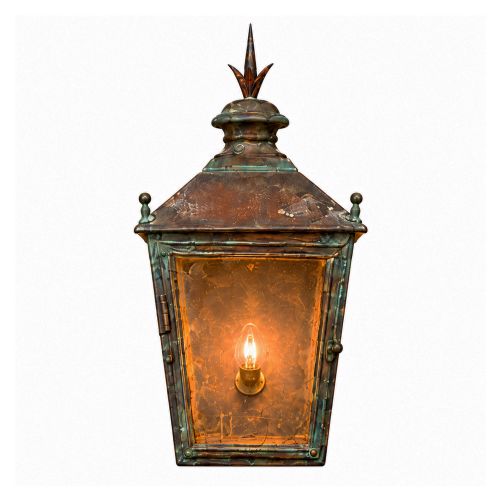
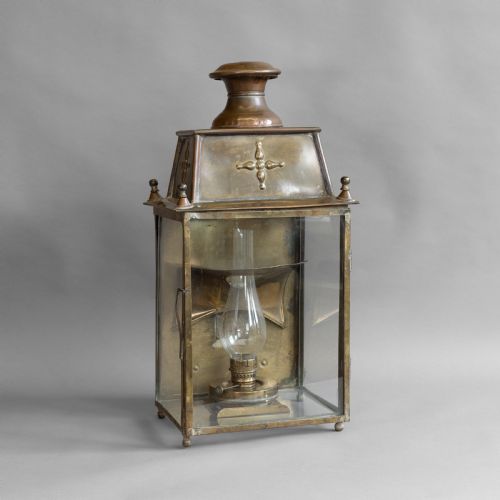
Victorian wall lighting encompasses lanterns, sconces, and candelabra designed to mount directly onto interior or exterior walls. These fixtures emerge from the nineteenth century in various forms, including gas conversions and traditional candle holders.
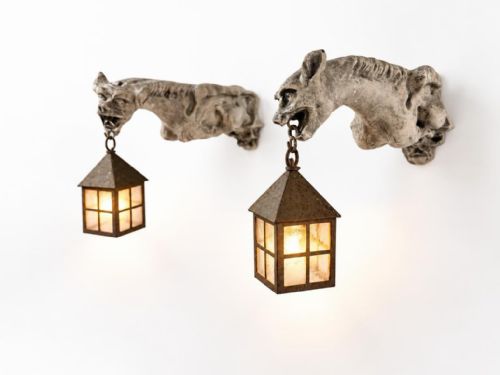
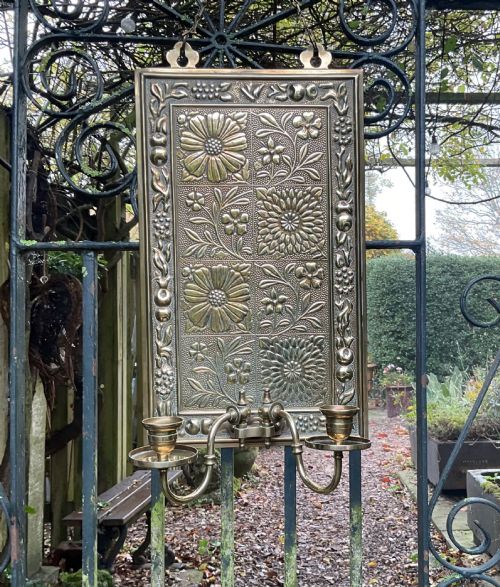
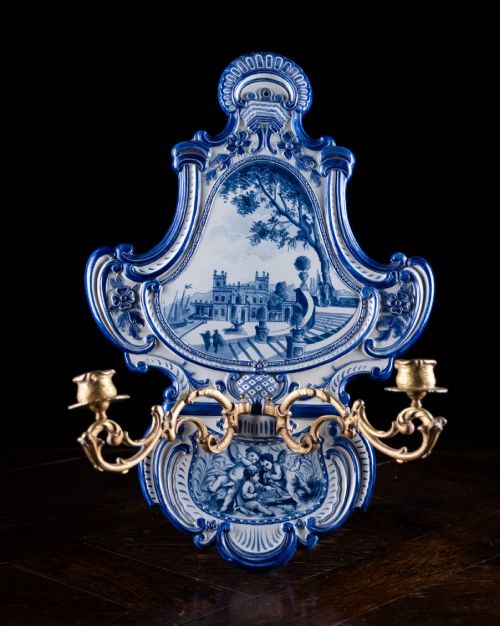
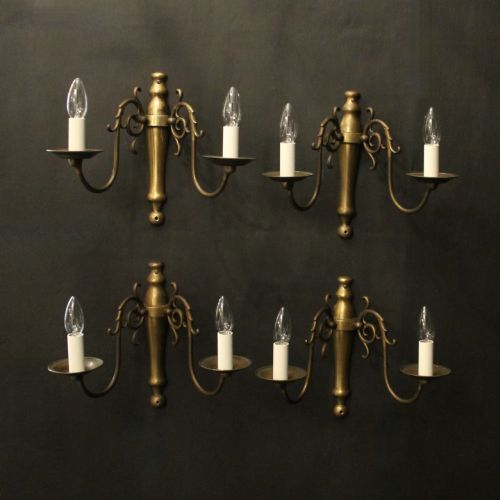
The objects on this page reflect diverse stylistic influences spanning the Victorian era, from Rococo Revival and Gothic Revival to Arts and Crafts and Art Nouveau. Brass and bronze pieces dominate the selection, often appearing alongside copper, iron, and carved wood.
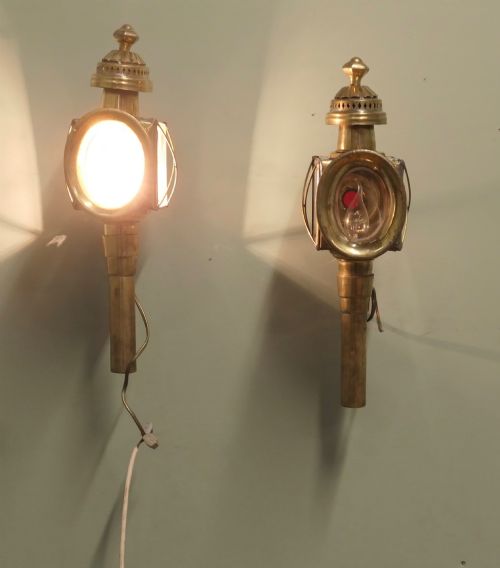
Buyers encounter matched pairs and larger sets alongside singular lanterns, utilising materials like cut glass, ormolu, and porcelain to achieve decorative depth. Form follows function through designs intended for hallways, coach houses, and principal rooms.
Materials and construction
Metalworking forms the basis of these pieces, utilising cast and patinated bronze, spun and sheet brass, and hammered copper. Wrought iron and cast iron provide structural support for heavier outdoor and coaching lanterns.
Decorative detailing incorporates applied ormolu, silvering, and giltwood frames, alongside cut glass panels and etched bohemian components. Artisans shaped these materials using period casting, smithing, and mounting techniques suited to gas and candle illumination.
Victorian Wall Lighting Retail Price Guide 2026
Typical asking prices for victorian wall lighting among the pieces listed under this phrase on Sellingantiques today, from the lower quarter to the upper quarter. They describe what is for sale here now, not the wider market.
Arts and Crafts copper sconces appear alongside Gothic bronze and Rococo Revival ormolu.
Distinctions in quality
Quality rests upon the crispness of the metal casting and the depth of the original patination, whether verdigris on copper or warm tones on polished brass. Finely chased ormolu and detailed figurative work distinguish superior examples from simpler utilitarian items.
Construction integrity separates standard production from exceptional pieces, evident in robust wall brackets, secure glass fitting, and integrated mounting hardware. Maker attribution and stylistic purity further elevate certain sconces and lanterns.
W.A.S. Benson·Bruce Talbert·Liberty·Villeroy and Boch
The Victorian Wall Lighting Glossary
- Ormolu
- Gilded bronze mounted onto decorative objects and light fittings. This technique gives metalwork a rich golden appearance.
- Girandole
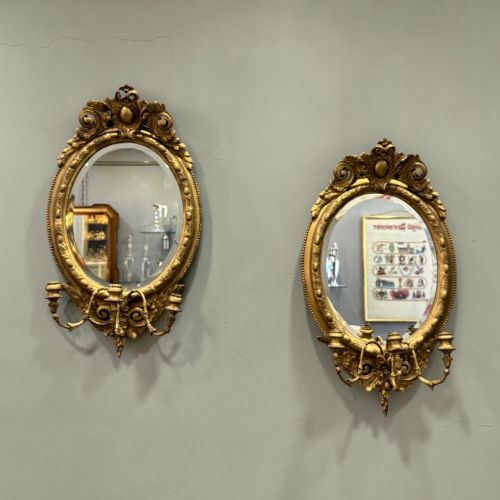
- A branched wall light incorporating a mirror or reflective backplate. It multiplies the candle or gas illumination within a room.
- Pricket
- A sharp spike on a candle holder designed to secure the base of a candle. This form appears on earlier ecclesiastical and Gothic pieces.
- Verdigris
- A green patina formed naturally on copper or bronze through atmospheric exposure. It indicates age and environmental weathering.
- Candelabra
- A branched lighting fixture holding multiple candles or light sources. These fixtures often feature intricate arm arrangements.
Victorian Wall Lighting: Frequently Asked Questions
How do I install antique wall lights?
Most electrical conversions require mounting securely to standard wall junction boxes using existing brackets or professional rewiring.
Consult a qualified electrician to ensure historic fixtures comply with modern safety standards before hanging.
Were these fixtures originally for gas or candles?
Many nineteenth-century pieces accommodated candles before transitioning to gas lighting and later electricity.
Evidence of early burners or prickets helps determine the primary fuel method used during the period of manufacture.
How should I clean patinated brass and copper?
Dust gently with a dry cloth to preserve the historic surface and accumulated patination.
Avoid abrasive polishes that strip away the aged finish and character developed over the decades.
Are outdoor lanterns suitable for exterior use?
Copper and iron coach lamps were built to withstand weather conditions on exterior walls.
Modern weatherproofing and wiring adjustments are typically necessary when placing historic street and carriage lanterns outside.