




Victorian Wall Lamp
These victorian wall lamp selections offer genuine period illumination, bringing authentic historical character and robust metalwork straight into your home.
Victorian Wall Lamp
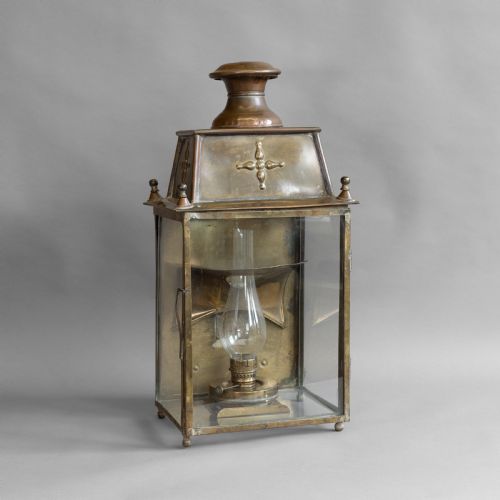
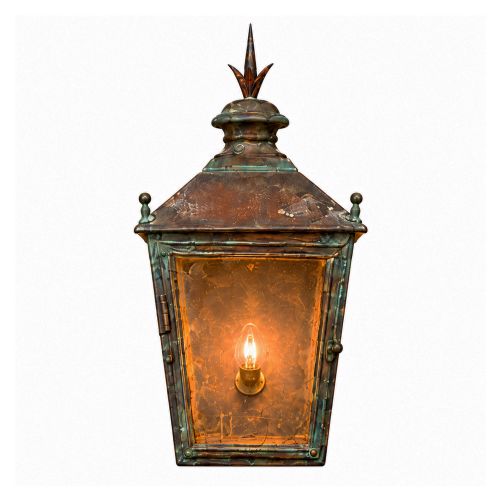
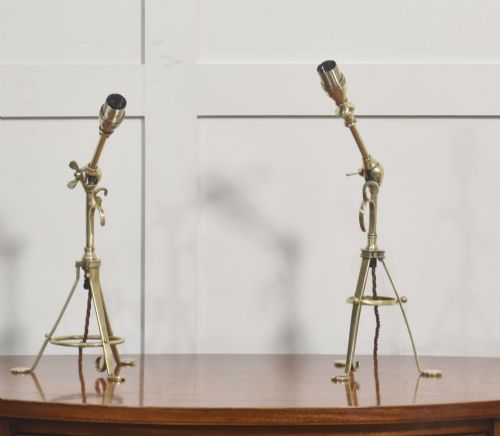
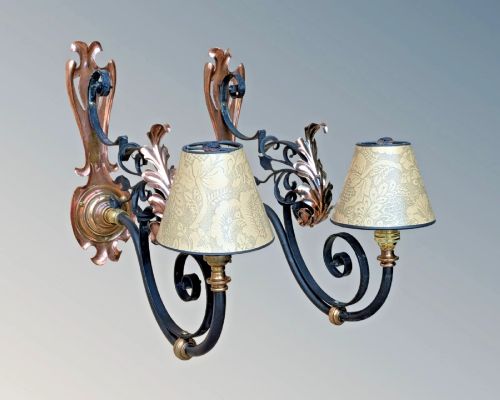
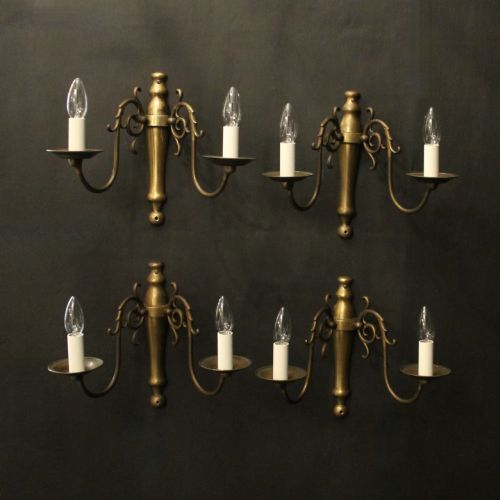
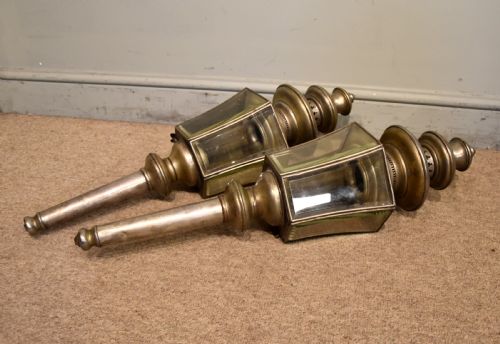
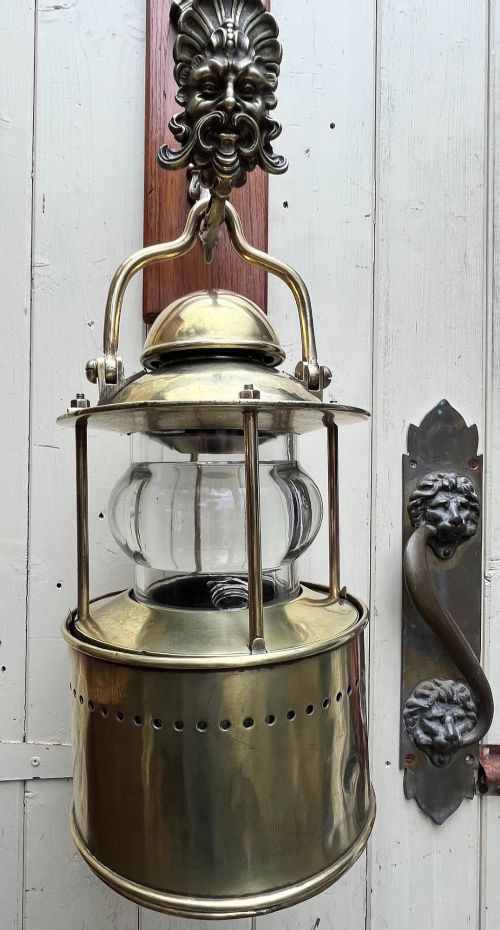
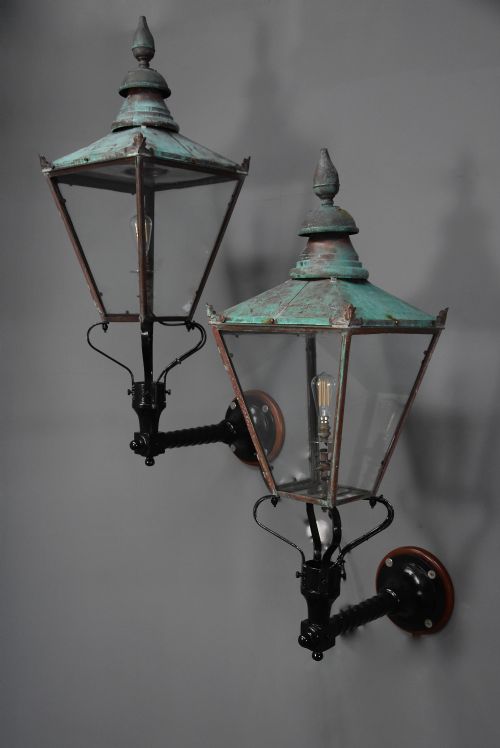
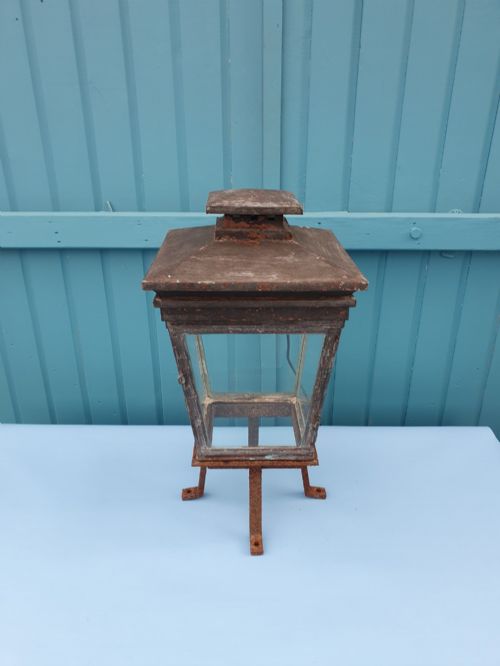
A victorian wall lamp encompasses everything from heavy cast iron exterior lanterns and brass interior sconces to copper railway and carriage lighting. You will frequently encounter robust metal brackets paired with glass shades, reflecting both domestic and utilitarian historical uses.
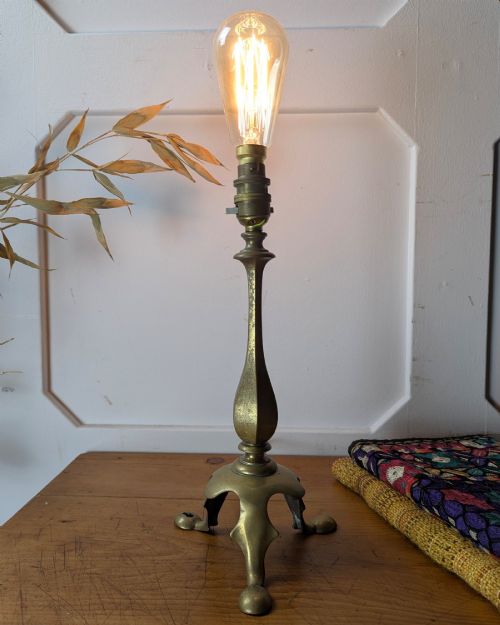
The objects span multiple decades and stylistic influences, appearing in forms such as hexagonal balusters, rustic wrought iron brackets, and converted gas or oil fittings. These pieces draw from Victorian, Arts and Crafts, and Gothic Revival traditions.
Most items on this page lean heavily into functional metalwork, utilising brass, copper, and iron to achieve their durable structures. Buyers often select these fixtures to anchor period hallways, entranceways, or exterior walls with authentic history.
Materials and construction
Makers relied on durable metals like brass, copper, and cast or wrought iron to fabricate these fixtures, ensuring they could withstand outdoor elements or heavy interior use. These materials are frequently combined with hand-blown, frosted, or ruby glass panels.
Construction techniques include casting, hammering, and riveting heavy metal components together to support extended brackets and glass lanterns. Many lighting pieces incorporate historical conversions, moving from original oil or gas burning mechanisms to modern electrical wiring.
Victorian Wall Lamp Retail Price Guide 2026
Typical asking prices for victorian wall lamp among the pieces listed under this phrase on Sellingantiques today, from the lower quarter to the upper quarter. They describe what is for sale here now, not the wider market.
Listings feature robust materials including brass, copper, wrought iron, and frosted glass across Victorian and Arts and Crafts styles.
Assessing craftsmanship
Quality rests in the weight of the metal casting, the crispness of chased or etched details on the brass and copper components, and the original integrity of the glass panels. Heavier gauge metals and sophisticated bracket twists indicate superior workshop output.
The preservation of original mounting brackets and functional hardware separates standard utility items from finer decorative examples. Subtle variations in surface patination and the retention of period conversion elements further distinguish individual pieces.
W.A.S. Benson·GLC·Hinks·Revo Tipton·GWR
The Victorian Wall Lamp Glossary
- Baluster
- A small moulded shaft or pillar, often forming the central hexagonal stem of a brass wall lamp.
- Carriage Lamp
- A specialised weather-resistant lantern originally mounted to horse-drawn vehicles or railway carriages.
- Gothic Revival
- An architectural and decorative style utilising pointed arches, heavy ironwork, and medieval motifs.
- Patina
- The surface sheen and coloration developed on metals like brass and copper through age and exposure.
- Sconce
- A wall-mounted light fixture designed to hold candles, oil, gas, or electrical components.
Victorian Wall Lamp: Frequently Asked Questions
Can these lamps be wired for electricity?
Many surviving wall lamps and lanterns have already undergone conversion from gas or oil to modern electrical wiring. It remains sensible to have a qualified electrician inspect any historical fitting before installation.
Retaining original burners or interior galleries while adapting the core for a standard bulb is a common practice among collectors who balance utility with preservation.
How do I mount a heavy iron bracket?
Due to the substantial weight of cast iron and solid brass components, secure anchoring into solid masonry or substantial wall studs is essential. Professional installation prevents strain on antique metalwork.
Using appropriate wall fixings ensures the safety and longevity of carriage lamps and large exterior lanterns when mounted outdoors or in hallways.
Are these pieces suitable for outdoor use?
Many copper and iron lanterns originate from exterior railway, street, or carriage applications, making them naturally suited to outdoor installation. Weather resistance depends on the current seal around the glass panels and the type of metal.
Unlacquered copper and brass will continue to develop a natural atmospheric patination when exposed to the elements over time.
How do I clean antique brass and copper?
Gentle dusting with a soft cloth is usually sufficient to maintain the surface without disturbing the accumulated historical patination. Harsh chemical polishes should be avoided on older metalwork.
Preserving the natural darkening and aged finish protects the character that collectors value in nineteenth-century lighting.