

Victorian Wall Art Pair
A victorian wall art pair brings symmetry and balance to a room, offering matching subjects from oil paintings to detailed engravings.
Victorian Wall Art Pair
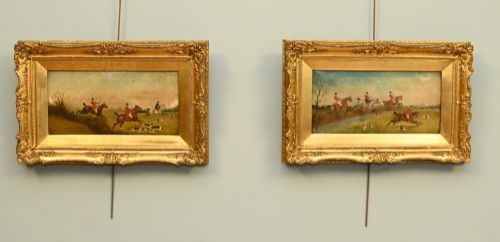
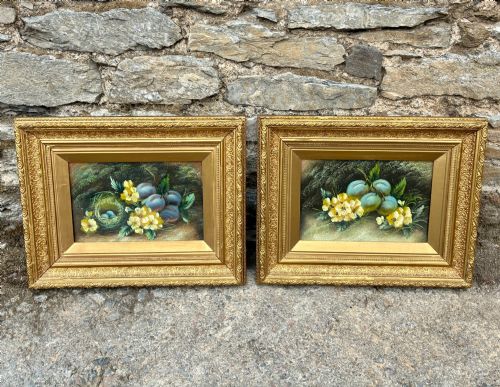
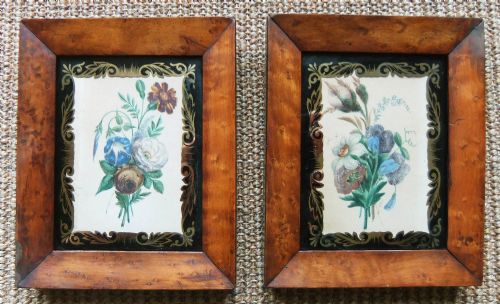
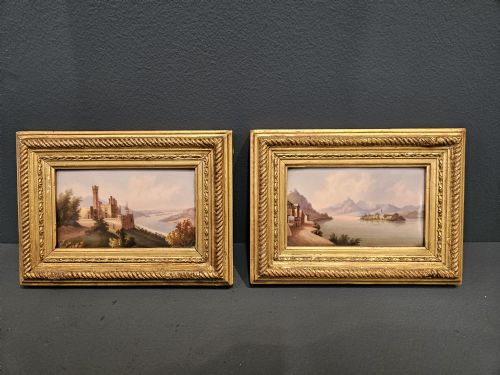
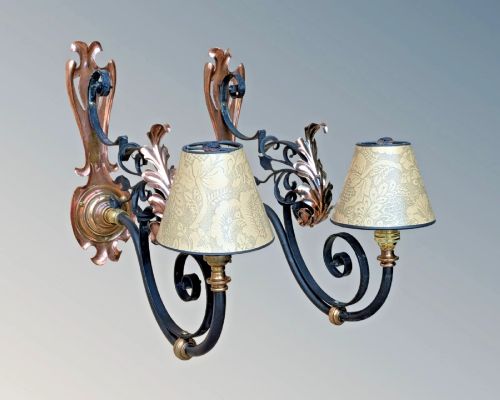
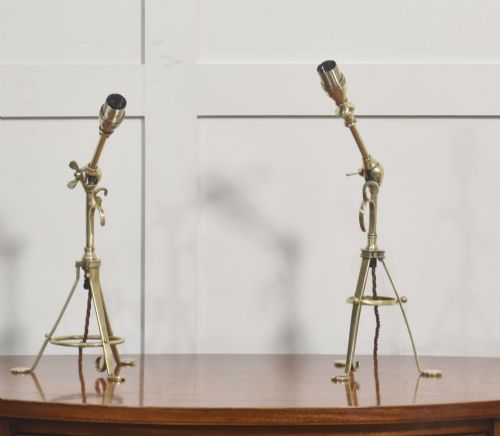
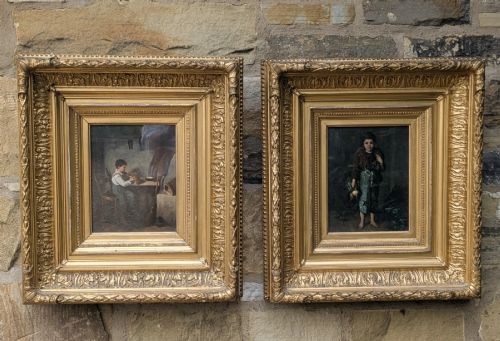
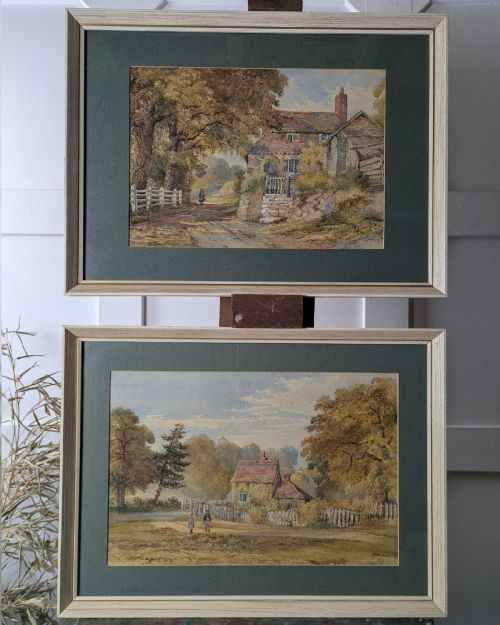
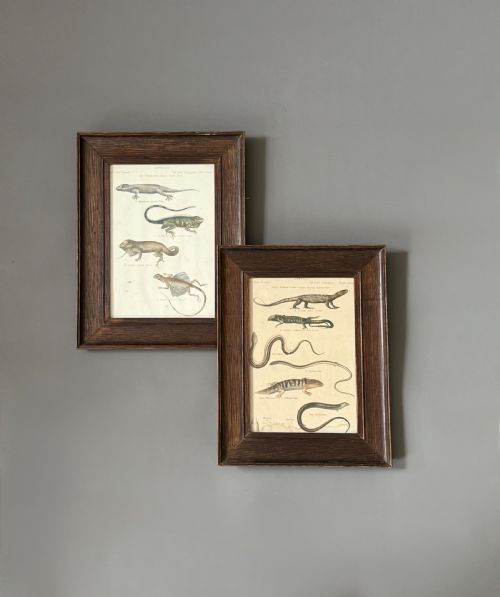
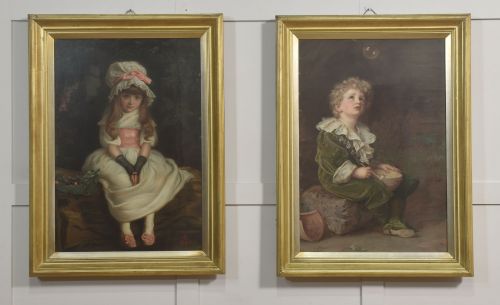
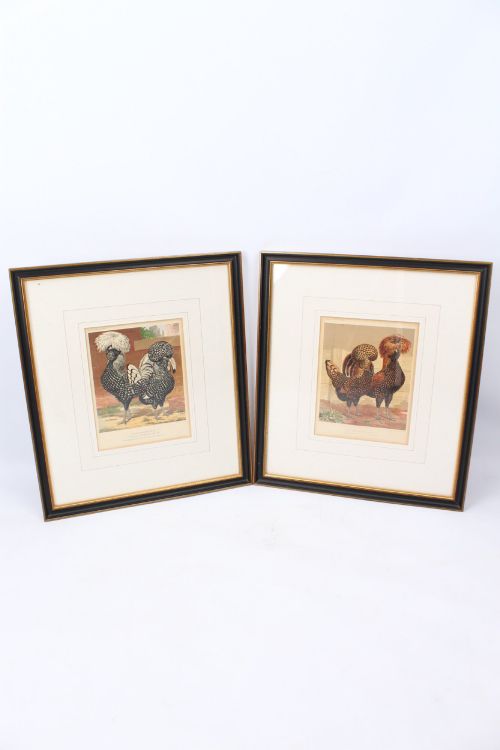
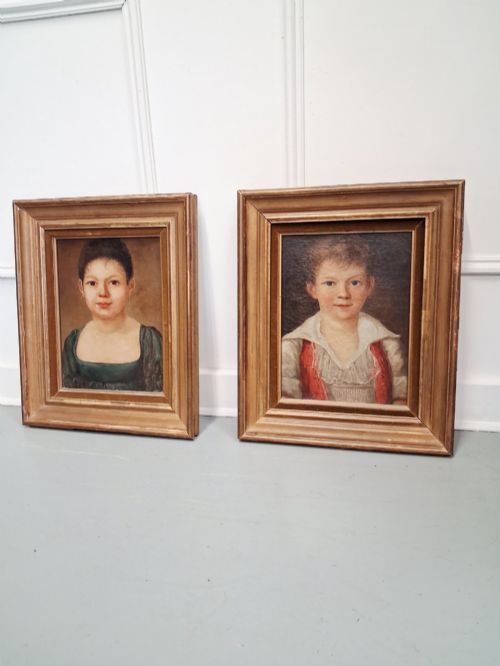
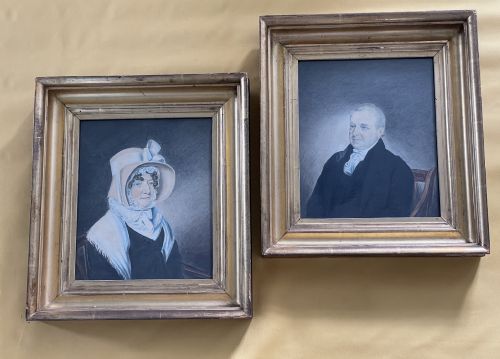
A victorian wall art pair encompasses matching decorative objects designed to hang together, creating visual harmony on a wall. The options span oil paintings on canvas, framed prints, watercolours, silk embroideries, and metal relief plaques.
The pieces on this page originate predominantly from the nineteenth century, including specific dates such as eighteen-fifty, eighteen-seventy, and eighteen-eighty. Subjects range from animal studies and landscapes to portraits and architectural scenes.
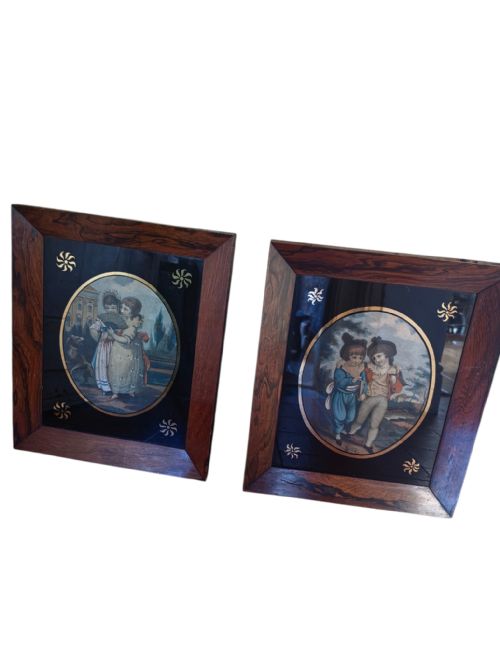
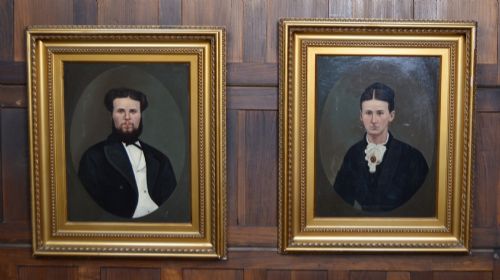
Framing plays a primary role in these matching sets, with original giltwood, gesso, rosewood, and faux tortoiseshell frames frequently accompanying the artworks. Buyers encounter both intimate watercolours and large scale historical or highland oil paintings.
How they were made
Artists and makers utilised traditional nineteenth-century techniques, applying oil paint to canvas or board, watercolour to paper, and inks for engravings and lithographs. Hand-coloured details often enhance printed works.
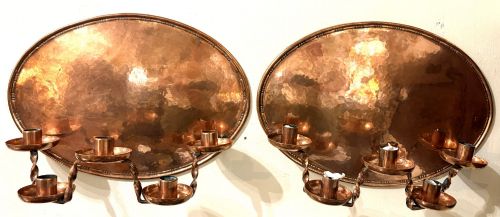
Frames and structural wall elements involve skilled craftsmanship in wood, copper, brass, and bronze. Giltwood and gesso mouldings receive careful application to complement the paired artworks.
Victorian Wall Art Pair Retail Price Guide 2026
Typical asking prices for victorian wall art pair among the pieces listed under this phrase on Sellingantiques today, from the lower quarter to the upper quarter. They describe what is for sale here now, not the wider market.
The selection includes both oil paintings and framed prints created around eighteen-hundred to nineteen-ten.
What varies in quality
The standard of an individual victorian wall art pair depends upon the precision of the artist's brushwork or the clarity of the print strike. Original frames that retain their historic gilding and structural integrity elevate the piece significantly.
Condition consistency across both items determines the overall desirability of the set. Matching provenance, unified framing, and well-preserved mediums on both panels separate standard decorative items from finer works.
William Bird MD FLS·W.A.S. Benson·Robert A. Nottingham·John Frederick Herring Snr·Louis Haghe·Abraham Hulk I·John Grenville Fennell·Alexander Rosell·Louis Wain·Evelyn Chester·Gustave De Bréanski·Franz van Severdonck·John Bell·John Frederick Herring Jnr
The Victorian Wall Art Pair Glossary
- Giltwood
- Wood carved and coated with gold leaf or a gold-coloured finish. This technique was widely applied to nineteenth-century frames to provide a reflective, ornate border.
- Lithograph
- A planographic printing process using a stone or metal plate. It enabled the mass production of detailed pictorial prints during the nineteenth century.
- Gesso
- A plaster-like material applied to wooden frames as a base for moulding and gilding. It allows intricate relief decoration before the application of gold leaf.
- Tondo
- A circular work of art, either a painting or a relief. These round pieces offer a distinct geometric contrast to standard rectangular frames.
- Engraving
- An intaglio printmaking technique where an image is incised into a metal plate. The resulting lines hold ink to produce crisp, fine details on paper.
Victorian Wall Art Pair: Frequently Asked Questions
How do I hang a pair?
Hang the two pieces at eye level with consistent spacing between them to maintain visual balance. Aligning the centre points ensures the symmetry intended by the maker is preserved on the wall.
Consider the weight of the frames when choosing wall fixings, particularly for heavier oil paintings on canvas or metal wall sconces.
Are these frames original?
Many listings specify original frames, such as giltwood, rosewood, or faux tortoiseshell housings from the nineteenth century. Examining the joinery and backing materials helps confirm period authenticity.
Matching frames that show uniform age patination indicate the pair has remained together since creation.
What subjects are common?
Common subjects include animal studies, portraits of children and historical figures, landscapes, and botanical or zoological illustrations. Artists frequently painted farmyard scenes, seascapes, and highland views as matching counterparts.
Advertising prints and decorative silk embroideries also appear among the traditional themes of the period.
How do I clean antique frames?
Dust giltwood and wooden frames gently with a soft, dry brush to remove surface particles. Avoid liquid cleaners or chemical agents that can strip fragile nineteenth-century finishes and gesso.
Glass elements on prints and watercolours can be wiped with a damp cloth while avoiding moisture contact with the surrounding frame.