



Victorian Vinaigrette
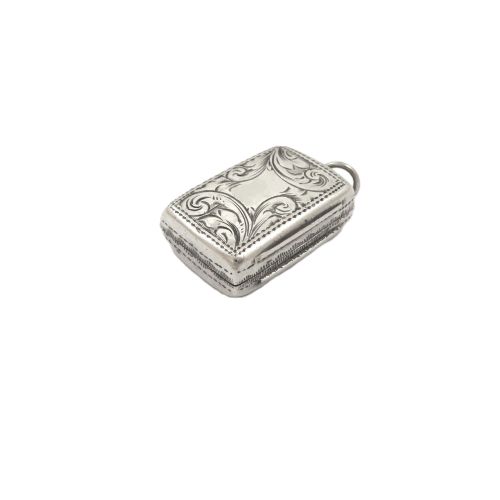
These Victorian vinaigrette boxes are miniature silver containers made to hold a fragrant sponge, offering a glimpse into nineteenth-century personal care.
Victorian Vinaigrette
When you search for a victorian vinaigrette, you encounter small personal containers designed to hold aromatic vinegars during the nineteenth century. The examples on this page span the Victorian period, originating from makers working in Birmingham, London, and Scotland.
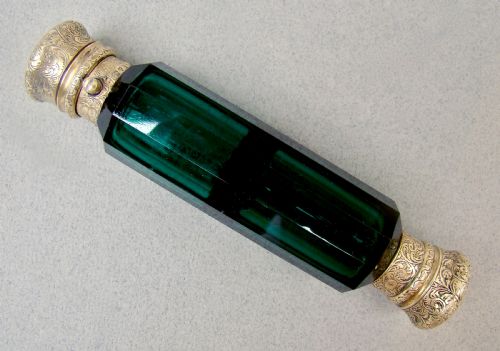
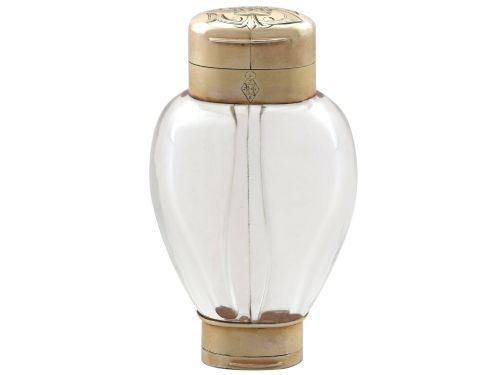
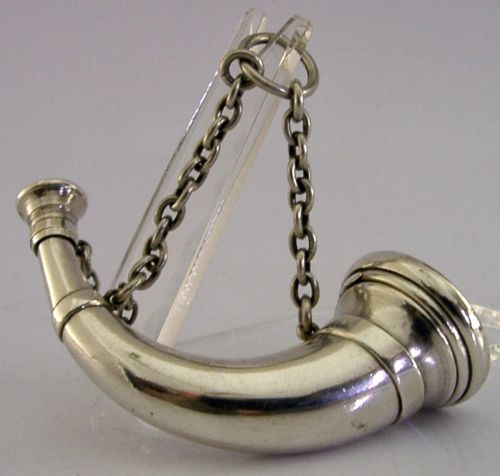
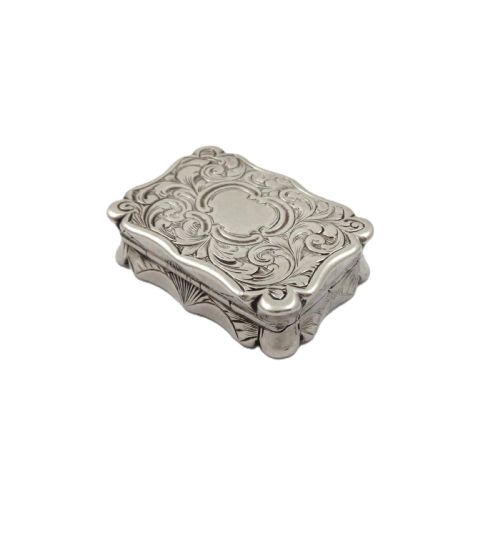
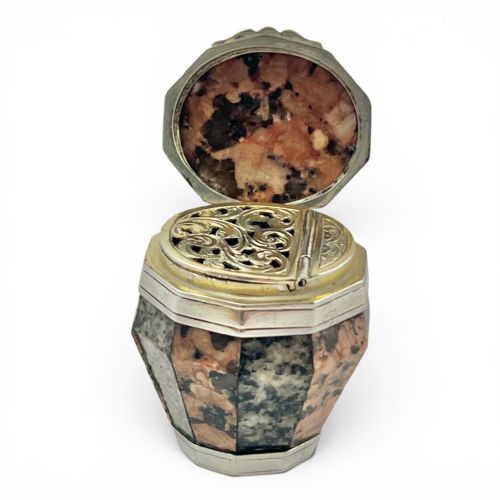
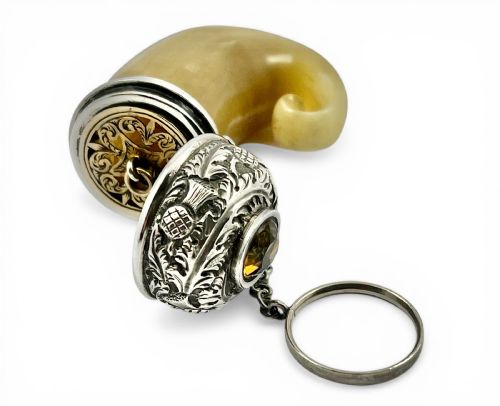
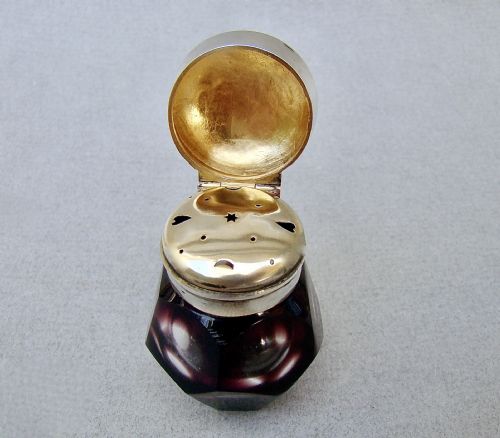
The most common forms take the shape of pocket boxes or barrels, though novelty items such as hunting horns and fish appear. Materials range from sterling silver and silver-gilt to granite, horn, and amethyst glass.
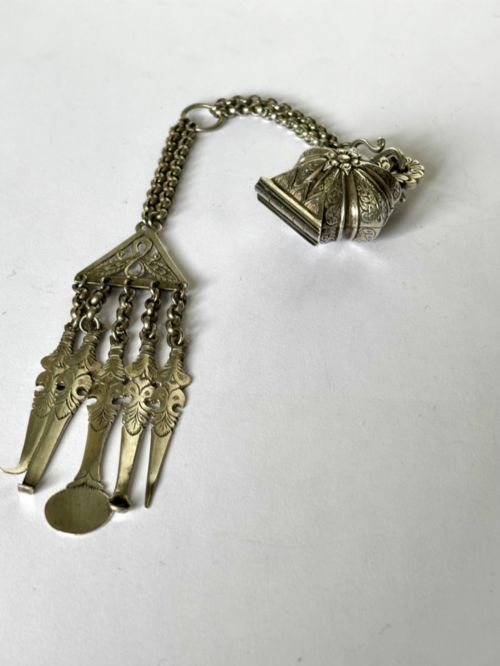
Collectors find these pieces grouped with scent bottles, snuff boxes, and chatelaine tools. They serve as tangible examples of nineteenth-century metalwork and social custom.
Materials and construction
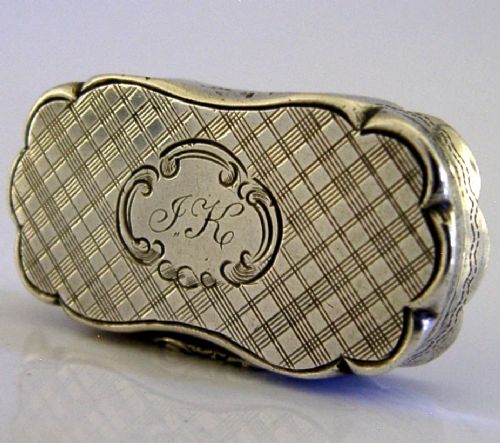
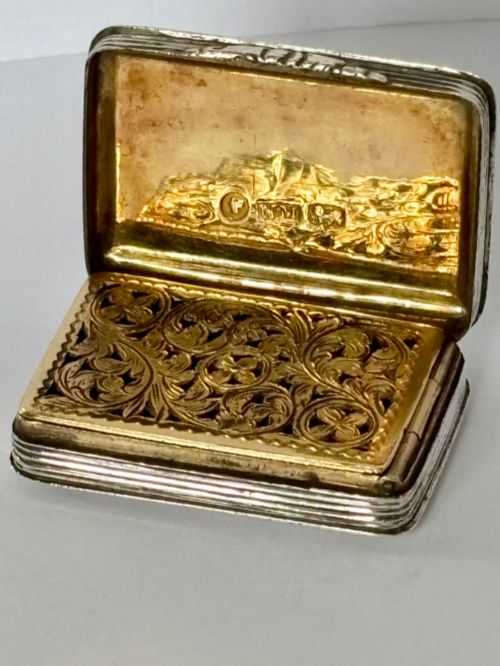
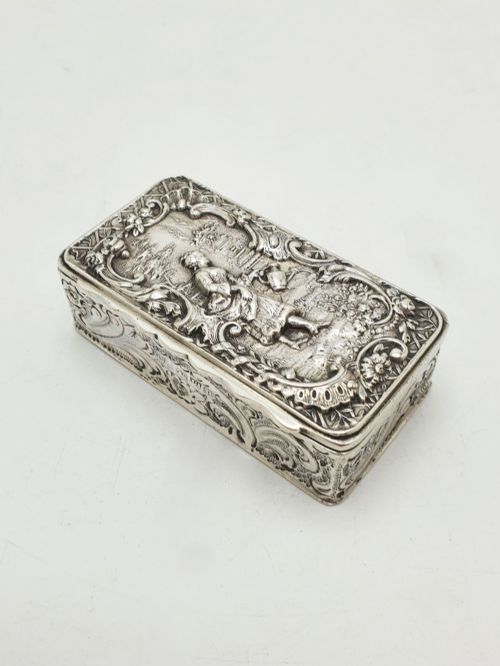
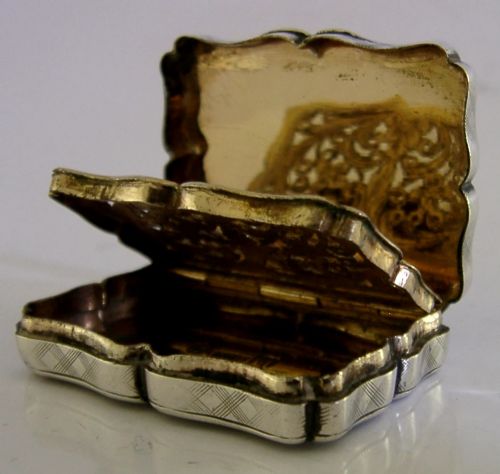
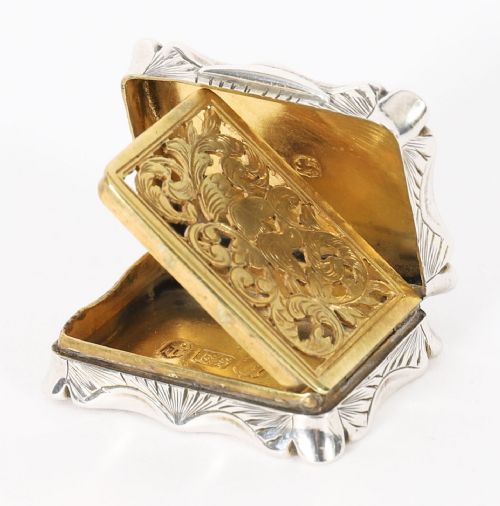
Silversmiths constructed these boxes primarily from sterling silver, frequently applying a gold gilt interior to protect the metal from corrosive vinegars. Techniques such as repoussé work, casting, and engine-turning create decorated surfaces.
Specialised variants incorporate stones such as citrine and granite, or utilise amethyst glass and white metal. Hinged lids and intricate internal pierced grilles require precision work from period craftsmen.
Victorian Vinaigrette Retail Price Guide 2026
Typical asking prices for victorian vinaigrette among the pieces listed under this phrase on Sellingantiques today, from the lower quarter to the upper quarter. They describe what is for sale here now, not the wider market.
Some Victorian owners carried novelty hunting horn vinaigrettes to social gatherings, combining scent storage with whimsical animal forms.
Factors of quality
Quality rests upon the crispness of the internal pierced grille and the weight of the silver used in the body. Finer boxes display sharp repoussé detail and securely fitted hinged elements that operate without slack.
Makers known for exceptional output, such as Nathaniel Mills or Edward Smith, command attention through superior chasing and architectural castle top designs. The integration of hardstones like Scottish granite further elevates a piece above standard production.
SAMPSON MORDAN·NATHANIEL MILLS·Edward Smith
The Victorian Vinaigrette Glossary
- Vinaigrette
- A small hinged box containing a perforated internal grille, designed to hold a sponge soaked in aromatic vinegar. It was carried in a pocket or on a chatelaine during the nineteenth century.
- Grille
- The pierced or engraved internal plate that covers the scented sponge inside a vinaigrette. It allows the scent to escape while keeping the sponge in place.
- Repoussé
- A metalworking technique where the artisan hammers the design from the reverse side to form a raised relief on the front. This ornamentation appears frequently on Victorian silver boxes.
- Castle top
- A specialised style of box lid featuring a high-relief depiction of a notable building or landmark. These architectural scenes are cast and chased with notable precision.
- Silver-gilt
- Silver that has been coated with a thin layer of gold on its surface or interior. This finish prevents the acidic vinegar from tarnishing or damaging the base silver.
Victorian Vinaigrette: Frequently Asked Questions
What is a victorian vinaigrette used for?
These small boxes held a sponge soaked in vinegar or aromatic oils to counter unpleasant odours in public spaces. People carried them in pockets or attached them to chatelaines for ready access.
The perforated internal grille allowed the scent to diffuse gradually when the lid was opened. They functioned as both practical accessories and items of personal display.
How do you open a vinaigrette box?
Most pieces feature a small thumbpiece or a discreet hinge on the side of the body. Pressing gently lifts the outer lid to reveal the pierced internal grille beneath.
A second tiny hinge often secures the grille itself, allowing access to the sponge chamber underneath. Care is required with older hinges to prevent damage to the silver.
Are all vinaigrettes made of silver?
While sterling silver is the predominant material, makers also utilised white metal, horn, glass, and granite. Gilt interiors appear frequently to protect the metal from acidic contents.
Some unusual examples combine silver with amethyst glass or incorporate hardstones like Scottish citrine. Each material combination reflects the specific workshop traditions of the nineteenth century.
How do I date a victorian vinaigrette?
Assay office hallmarks stamped on the silver provide the most reliable dating evidence. Letters correspond to specific years, while town marks indicate where the piece was tested.
Stylistic elements, such as repoussé floral motifs or architectural castle tops, help narrow the period of manufacture. Surviving pieces on this page date primarily from the middle to late nineteenth century.