



Victorian Vinaigrette Box
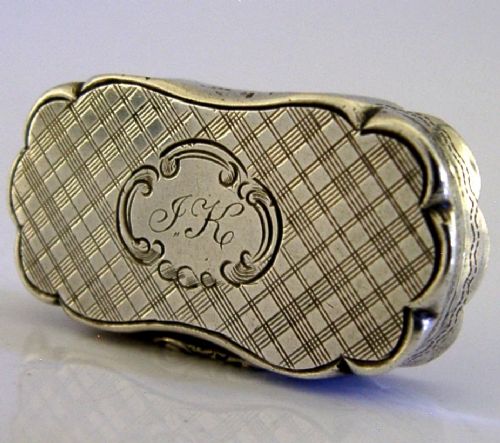
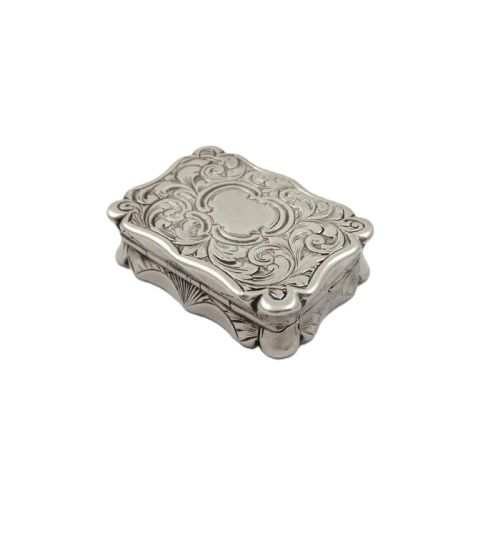
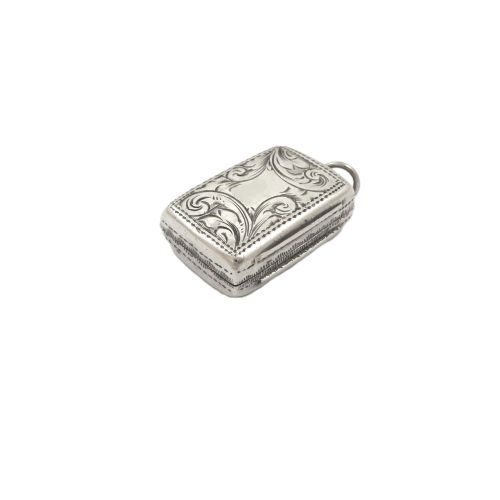
These Victorian vinaigrette box examples are small silver containers made to hold a sponge soaked in aromatic vinegar.
Victorian Vinaigrette Box
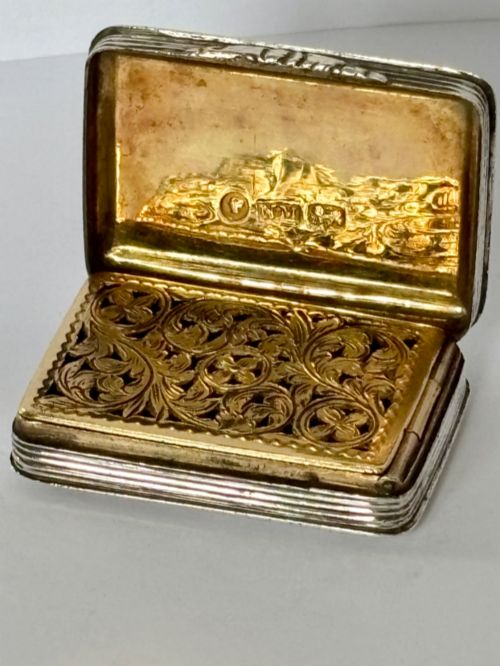
A victorian vinaigrette box is a pocket-sized container designed specifically to hold a perfumed sponge beneath a pierced internal grille. These pieces appear in forms ranging from standard rectangular boxes to novelty shapes like fish and barrels.
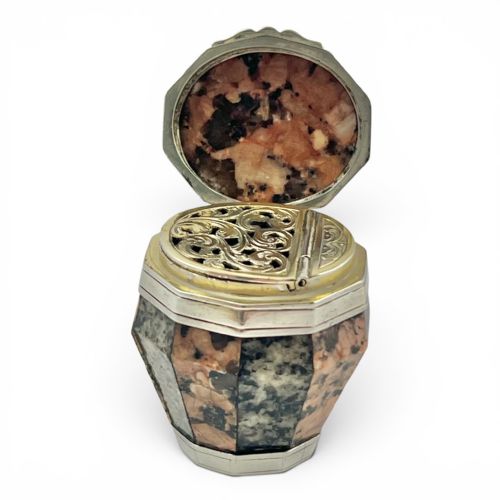
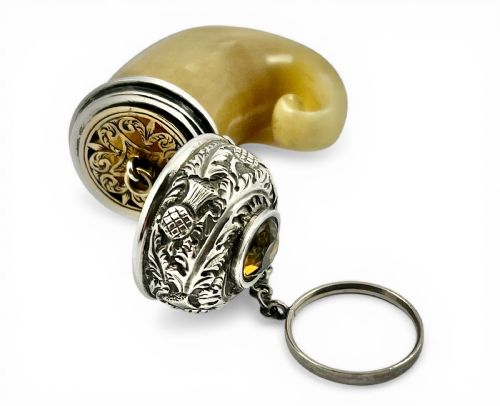
The versions most commonly met on this page date from the nineteenth century and are fashioned predominantly in sterling silver. Makers also utilised alternative materials such as Scottish granite, horn, and gold gilt.
Beyond standard geometric shapes, collectors encounter specialist designs including castle top boxes depicting specific architectural landmarks like Christchurch College, Oxford. Pomanders and snuff boxes with similar hinged construction also populate the category alongside standard vinaigrettes.
Materials and Construction
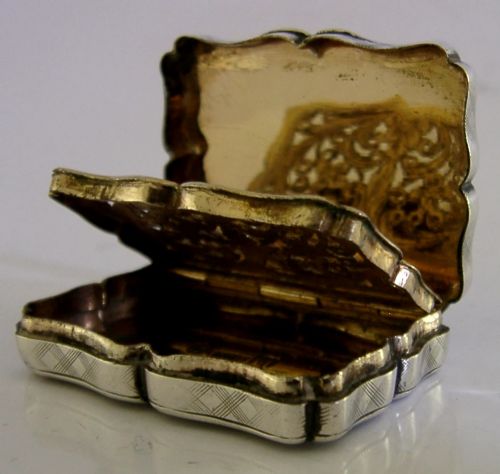
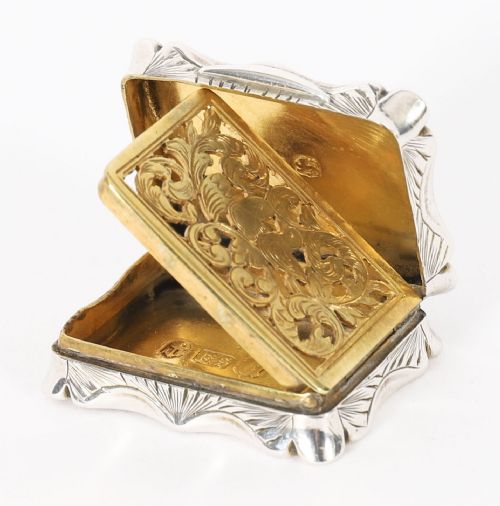
Silversmiths constructed the majority of these containers using sterling silver, frequently applying a gold gilt wash to the interior to protect the metal from the corrosive nature of vinegar. This internal gilding creates a strong visual contrast against the polished silver exterior.
Decoration techniques include intricate repoussé work, engine turning, and detailed hand engraving applied to the lids and body. Novelty pieces incorporate articulated components, such as hinged fish heads and movable segments requiring precise metalwork.
Alternative natural materials appear through the inclusion of Scottish granite and horn panels, often mounted with citrine stones. These regional pieces combine stonemasonry and horn-working traditions with traditional silversmithing.
Victorian Vinaigrette Box Retail Price Guide 2026
Typical asking prices for victorian vinaigrette box among the pieces listed under this phrase on Sellingantiques today, from the lower quarter to the upper quarter. They describe what is for sale here now, not the wider market.
Current listings feature Victorian pieces incorporating sterling silver, Scottish granite, horn, and citrine.
Distinctions in Quality
The distinction between standard examples and top-tier pieces rests on the complexity of the chasing and the precision of the internal grille piercing. Superior items feature finely pierced floral or geometric grilles that remain structurally sound and tightly hinged.
Named makers and specific topographical subjects, such as castle top scenes depicting recognisable buildings, elevate the standing of a piece. The integration of unusal materials like citrine, horn, and Scottish granite alongside crisp hallmarks also distinguishes finer specimens.
Nathaniel Mills·Edward Smith
The Victorian Vinaigrette Box Glossary
- Vinaigrette
- A small ornamental box containing a perforated grill and a sponge soaked in vinegar or aromatics. These items were carried in pockets or reticules during the nineteenth century.
- Grille
- The pierced internal plate that covers the scented sponge inside a vinaigrette. This component allows the scent to escape while holding the sponge securely in place.
- Gilt interior
- A layer of gold applied to the inside of a silver box. This process prevents the acidic vinegar from tarnishing and corroding the silver base metal.
- Repoussé
- A metalworking technique where the smith hammers the design from the reverse side to form raised relief patterns on the exterior. This method creates tactile, three-dimensional surface decoration.
- Castle top
- A style of box lid featuring a high-relief engraving or casting of a specific building or landmark. These architectural scenes represent desirable pieces for specialised collectors.
Victorian Vinaigrette Box: Frequently Asked Questions
What is a victorian vinaigrette box used for?
These boxes held a small sponge soaked in perfumed vinegar or aromatic compounds. Owners inhaled the scent to combat unpleasant odours in crowded public spaces or to revive someone feeling faint.
The pierced internal grille allowed the fragrance to diffuse when the outer lid was opened. They functioned as both personal accessories and portable scent receptacles during the nineteenth century.
How do you clean a silver vinaigrette?
Cleaning requires gentle methods to preserve the delicate hinge mechanisms and the interior gold gilt layer. Harsh dips or abrasive polishes can strip the gilding and damage fine repoussé detail.
Soft microfibre cloths and mild soap solutions remove surface tarnish safely. Professional conservation advice is recommended for pieces with horn, granite, or citrine elements.
How can you date a silver box?
English silver pieces typically feature hallmarks stamped directly onto the metal. These marks indicate the assay office, the maker's mark, and a date letter corresponding to a specific year.
Stylistic clues such as repoussé motifs and construction techniques also help narrow down the period of manufacture alongside any stamped date marks.