
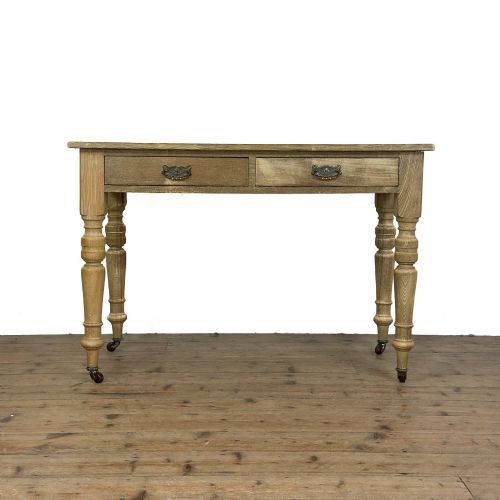


Victorian Two Drawer Server
A victorian two drawer server is a sturdy, practical utilitarian piece offering useful storage, which collectors and country house furnishers prize for everyday utility.
Victorian Two Drawer Server
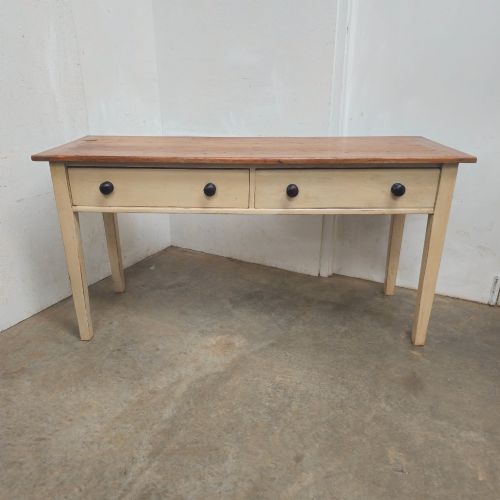
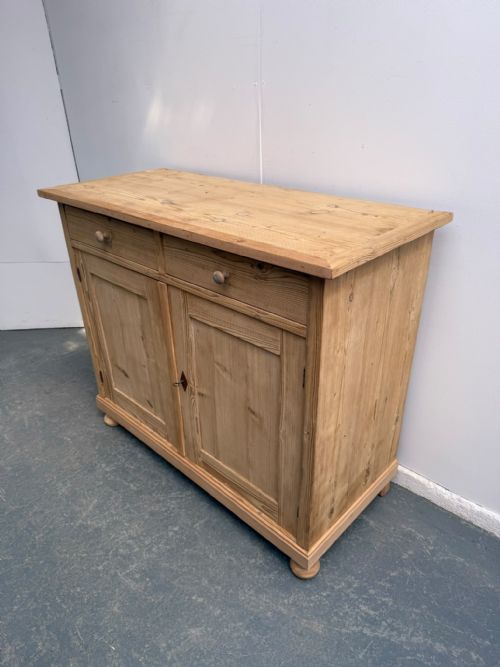
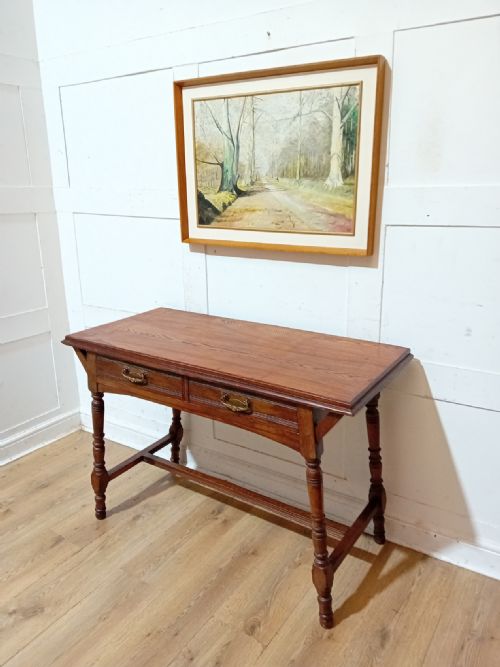
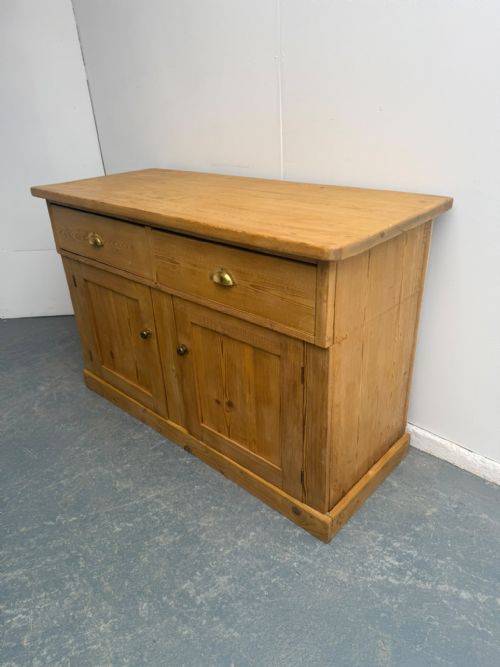
A victorian two drawer server appears across these listings primarily as a robust pine dresser base, side table, or serving buffet dating through the nineteenth century. These forms reflect the utilitarian needs of period kitchens, dining rooms, and service areas where reliable surface space and drawer storage were essential.
The material palette leans heavily towards pine, mahogany, and oak, demonstrating both country vernacular and more polished urban workshops. Most examples present a straightforward rectangular format featuring a pair of drawers above cupboards or open lower space.
Regional variations span simple rustic country pine pieces alongside finer mahogany serving tables and documented workshop productions. This mix offers a clear choice between heavy, waxed softwood furniture suited to farmhouse interiors and formal hardwood designs.
Construction and materials
Makers utilised solid native timbers such as pine, ash, and oak for domestic utility pieces, whilst employing rich mahogany for formal dining room servers. Joinery techniques relied on traditional hand-cut joints designed to withstand heavy daily use in busy households.
Surfaces show various historic finishes including plain scrubbed wood, traditional wax polish, applied paint, and decorative carving. Brass and iron hardware, from simple knobs to turned wooden pulls, complete the construction of these functional pieces.
The listings show a split between rustic pine country pieces and formal nineteenth-century mahogany serving tables.
Assessing quality and craftsmanship
Quality rests upon the selection of timber and the integrity of the original construction rather than mere decorative elaboration. Better pieces exhibit well-proportioned frames, smoothly running drawers, and timber selected for consistent grain and colour.
The distinction between a humble country workspace and a workshop-produced serving table lies in the refinement of the joinery and the choice of secondary woods. Maker attribution, visible in branded stamps or labels, elevates a utilitarian form into a documented collectible.
W Williamson And Sons Of Guildford·Maple And Co·Liberty
The Victorian Two Drawer Server Glossary
- Dresser base
- A low sideboard or cabinet with drawers, originally used in kitchens or dining rooms for food preparation and storage. It forms the lower section of a traditional kitchen dresser without the upper plate rack.
- Chiffonier
- A compact sideboard or low cupboard developed during the nineteenth century, typically featuring drawers above enclosed shelving. The term denotes a versatile piece designed for smaller reception spaces.
- Bobbin leg
- A turned furniture leg shaped with a series of rounded, spool-like swellings resembling bobbins used in textile manufacturing. This decorative turning appears frequently on nineteenth-century tables and seating.
- Secondary wood
- The hidden timber used inside a piece of furniture for drawer linings, backboards, and internal framing. Cabinet makers often used cheaper or more readily available woods for these unseen structural areas.
- Wax finish
- A traditional method of treating timber by rubbing soft wax into the grain to protect the surface and produce a soft sheen. This finish requires periodic replenishment to maintain the condition of the wood.
Victorian Two Drawer Server: Frequently Asked Questions
What is a victorian two drawer server?
A victorian two drawer server is a nineteenth-century utilitarian table or dresser base featuring two integrated drawers above a lower storage area or open frame. These pieces served practical functions in domestic dining rooms, hallways, and preparation spaces.
Today, buyers use them as sideboards, console tables, or kitchen work surfaces. Their sturdy construction and generous proportions make them adaptable for modern storage needs.
How were these servers used originally?
Period households utilised these servers for storing linens, cutlery, and serving dishes while providing a surface for food presentation. They stood in dining rooms, pantries, and kitchens as heavy-duty work furniture.
The inclusion of drawers kept small implements close at hand, while cupboards or lower shelves accommodated bulkier kitchen and dining utensils.
How do I care for a waxed pine surface?
Maintaining a waxed pine surface involves dusting with a soft, dry cloth and avoiding excess moisture or direct heat. Periodic application of quality beeswax restores the lustre and protects the timber.
Harsh chemical cleaners strip the protective wax layer, so mild soap and water applied sparingly should address any stubborn marks on the wood.
How do I distinguish country pine from formal mahogany?
Country pine pieces display a simpler aesthetic, often showing signs of heavy utility, knots in the softwood, and historic painted or waxed finishes. They originate from rural workshops and domestic settings.
Formal mahogany servers exhibit denser grain, finer joinery, polished surfaces, and details associated with urban cabinet makers. These hardwood pieces suited refined dining rooms rather than working kitchens.