



Victorian Turquoise Ceramic
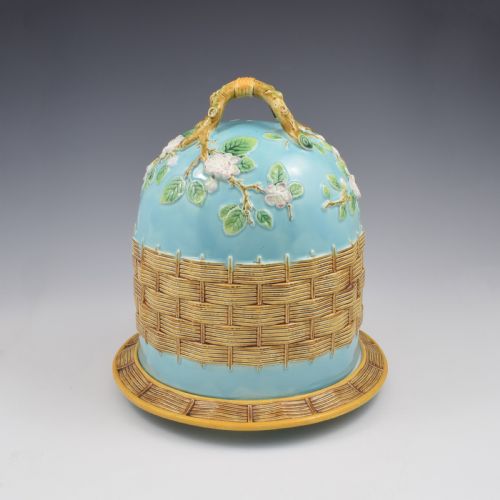
Victorian turquoise ceramic brings together rich alkaline glazes and diverse nineteenth-century forms, from majolica jardinieres to delicate cabinet plates.
Victorian Turquoise Ceramic
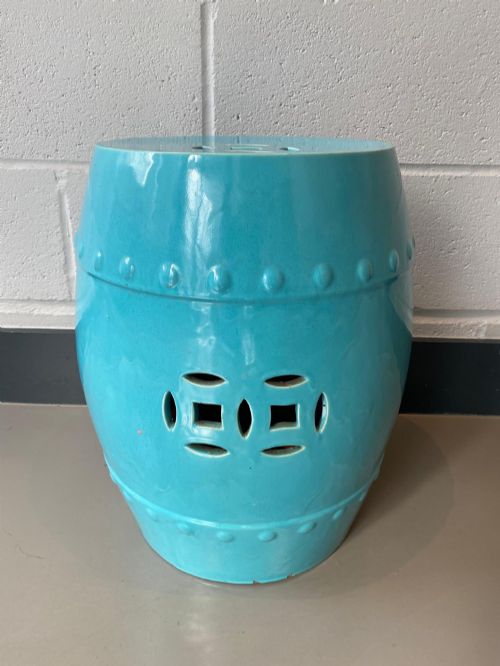
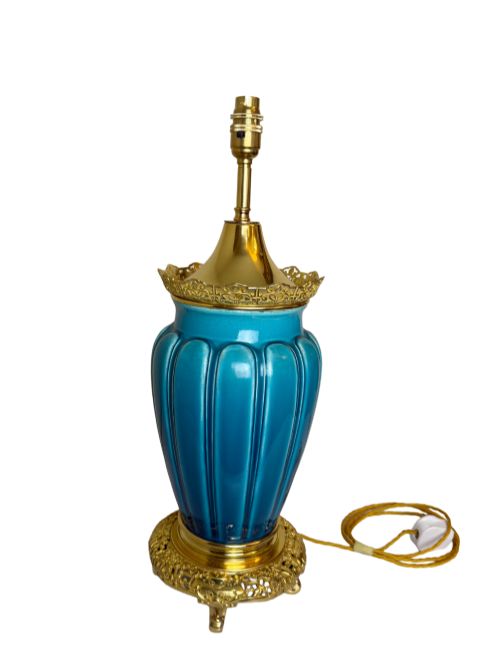
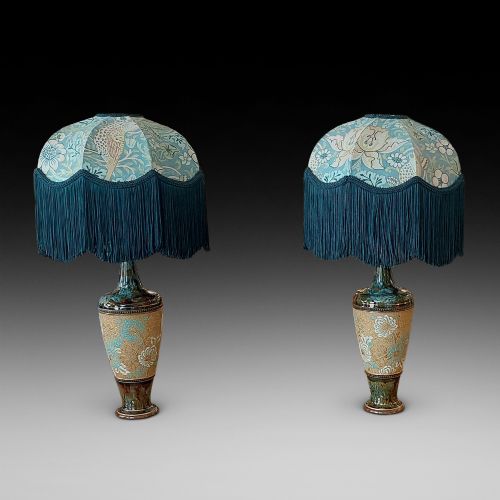
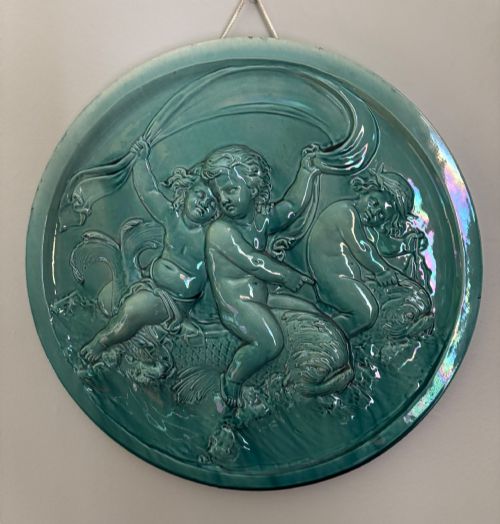
When you search for Victorian turquoise ceramic, you encounter a varied assortment of nineteenth-century decorative and functional objects. The selections span from large garden seats and umbrella stands to smaller table lamps, vases, and cabinet plates.
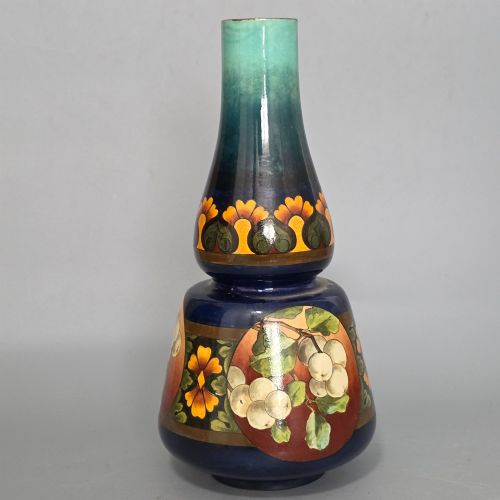
Most pieces date from the mid-nineteenth century through to the early twentieth century, incorporating styles such as Rococo Revival, Arts and Crafts, and the Aesthetic Movement. British potteries and continental makers alike utilised this vibrant hue to accent detailed mouldings and hand-painted scenes.
Materials and production
Makers shaped these items from earthenware, porcelain, and stoneware, applying specialised glazes to achieve the characteristic blue-green surface. Some pieces integrate gilt bronze trim, silver plate, or gold leaf alongside the primary ceramic body.
Potteries relied on moulded blanks, hand-thrown forms, and detailed faience techniques to prepare surfaces for rich colour application. Firing methods dictated the depth and gloss of the final finish, bonding the glaze securely to the underlying clay.
Victorian Turquoise Ceramic Retail Price Guide 2026
Typical asking prices for victorian turquoise ceramic among the pieces listed under this phrase on Sellingantiques today, from the lower quarter to the upper quarter. They describe what is for sale here now, not the wider market.
Listings feature items spanning from 1840 to 1910, covering earthenware, porcelain, and stoneware.
Judging quality and execution
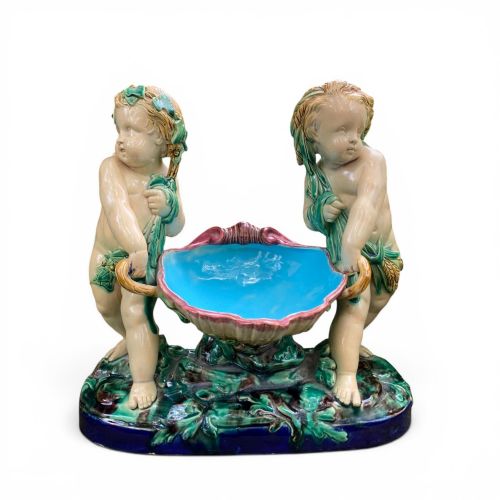
The distinction between standard production and top-tier pieces rests on the crispness of the moulding and the depth of the glaze. Master potteries achieved even coverage and sharp relief work that preserved fine details without pooling or running.
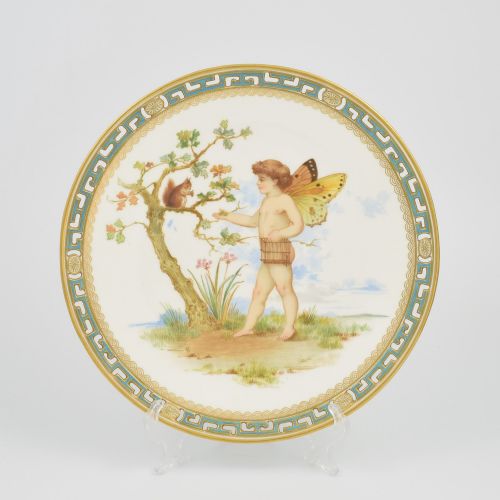
Hand-painted elements, such as figurative scenes or delicate foliage, demonstrate the skill of individual artists. Superior examples maintain balance between the vibrant turquoise ground and secondary decorative motifs like gilt highlights or contrasting slips.
Minton·Burmantofts Faience·Royal Doulton·George Jones·Clement Massier
The Victorian Turquoise Ceramic Glossary
- Majolica
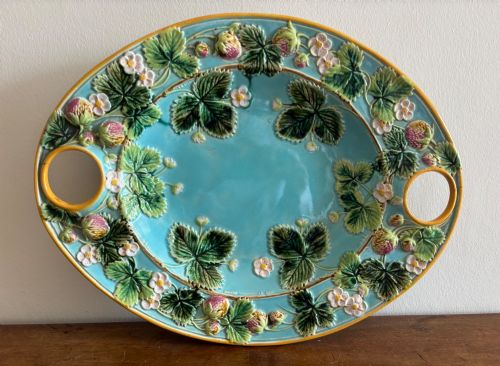
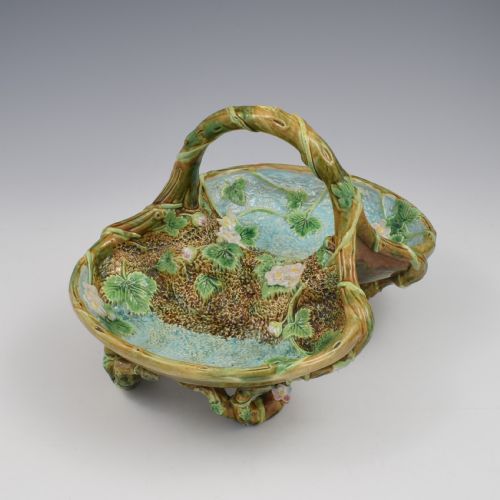
- A type of colourful lead-glazed earthenware popular during the nineteenth century. It frequently employs vibrant turquoise and green tones over moulded plant or animal forms.
- Faience
- Tin-glazed earthenware or art pottery produced by various European and British kilns. It often provides a smooth base for rich coloured glazes.
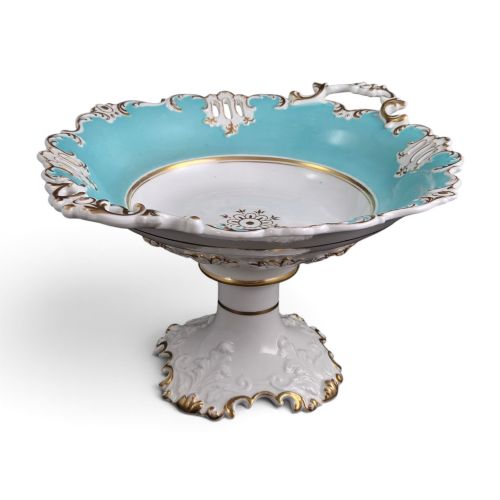
- Tazza
- A shallow ornamental cup or plate mounted on a stem and foot. These pieces served as decorative display items on Victorian tables.
- Jardiniere
- An ornamental pot or stand designed to hold large plants or floral arrangements. They were standard fixtures in nineteenth-century drawing rooms and conservatories.
Victorian Turquoise Ceramic: Frequently Asked Questions
What is Victorian turquoise ceramic?
These items comprise nineteenth-century pottery, porcelain, and earthenware finished in distinctive blue-green glazes. They encompass functional vessels and decorative display objects.
Potteries across Britain and Europe produced them using various moulding and glazing techniques, aligning with prevailing historical revival and aesthetic movements.
How were these ceramics used?
Many served practical household roles as jardinieres, umbrella stands, salad bowls, and table lamps. Others functioned purely as ornamental cabinet plates and mantel vases.
Larger pieces like garden seats furnished conservatories and hallways, while smaller painted wares decorated formal reception rooms.
How do I style them at home?
Their strong colour allows them to act as focal points on wooden sideboards, mantels, or open shelving. Pairing them with neutral backgrounds highlights the intensity of the glaze.
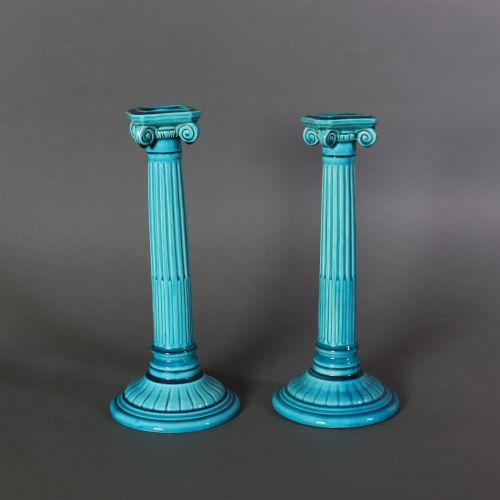
Matching pairs of candlesticks or vases work well symmetrically on side tables, while larger jardinieres suit floor placements.
How do I tell periods apart?
Mid-nineteenth-century items often lean toward ornate Rococo Revival or classical styles with heavy moulding. Later pieces from the 1880s and 1890s frequently reflect Arts and Crafts or Aesthetic Movement sensibilities.
Maker marks, registration numbers, and body types help narrow down the exact decade of manufacture.