
Victorian Turned Leg
When you search for a victorian turned leg, you find the robust joinery and lathe-shaped supports characteristic of nineteenth-century seating, tables, and upholstery.
Victorian Turned Leg
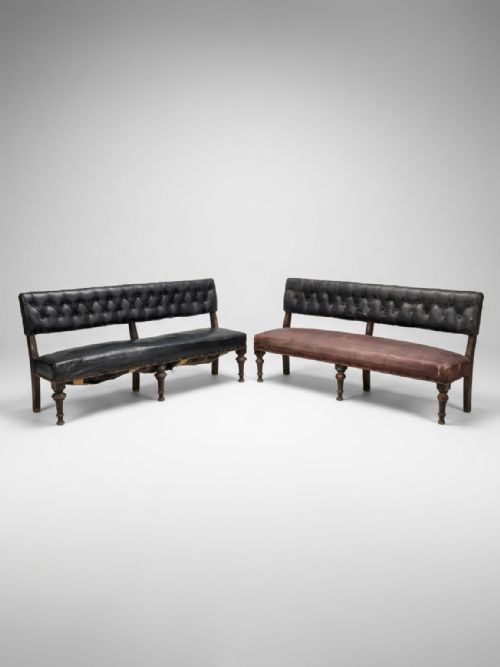
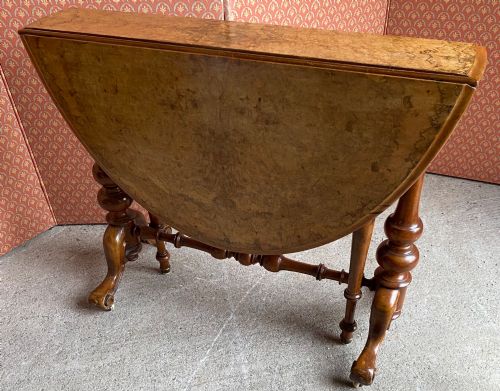
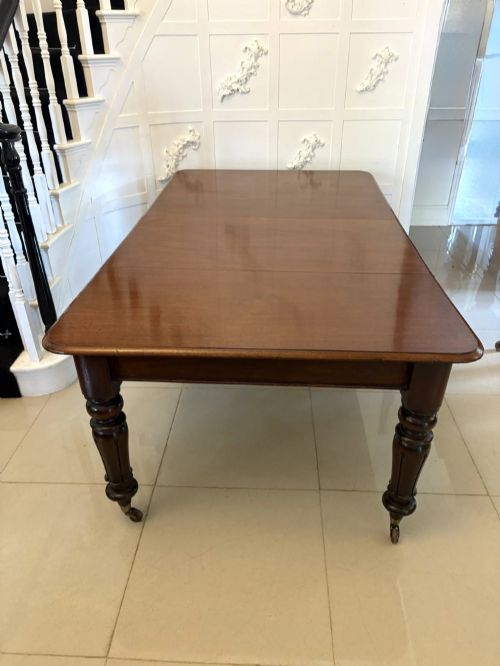
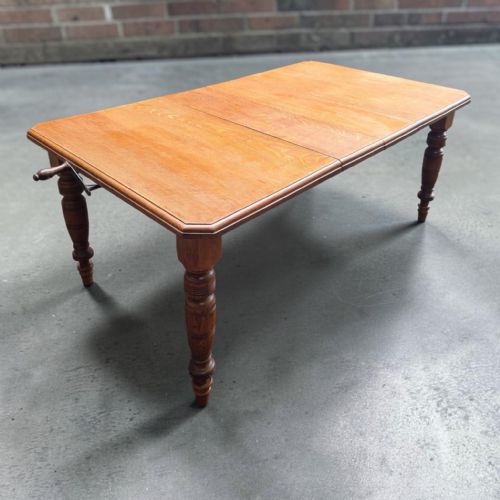
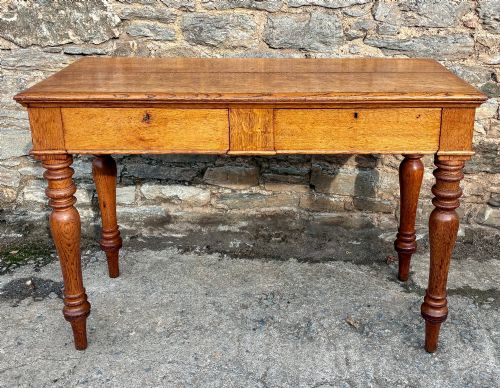
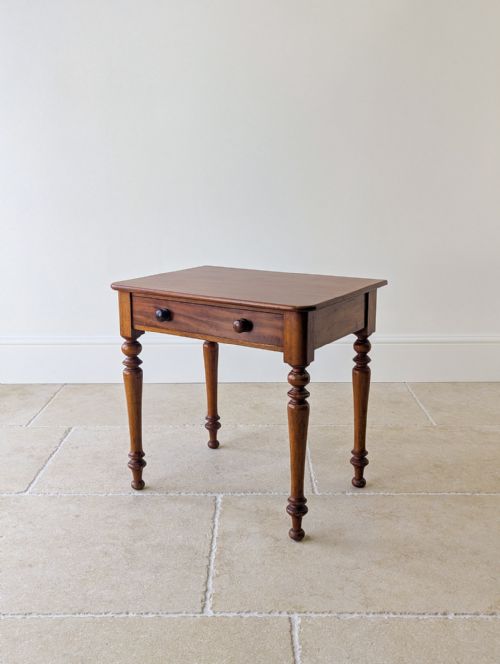
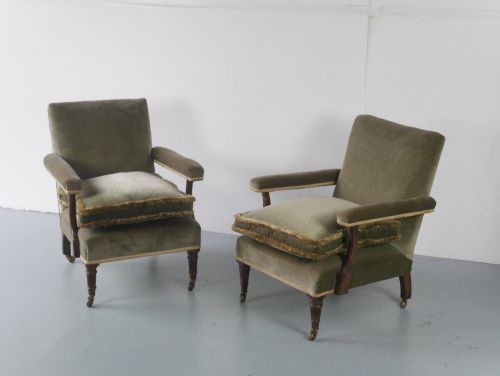
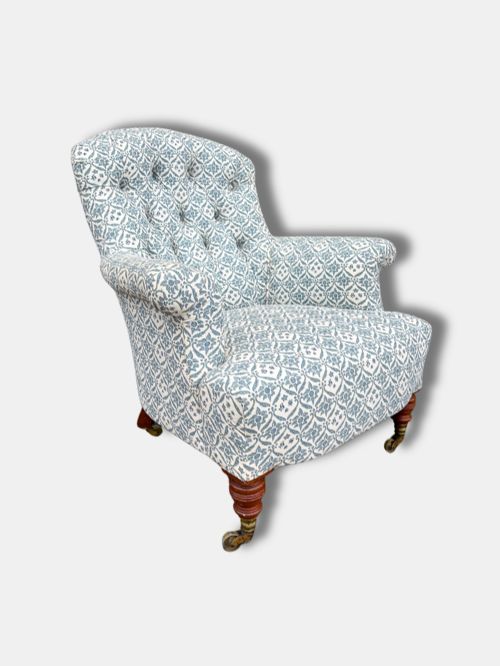
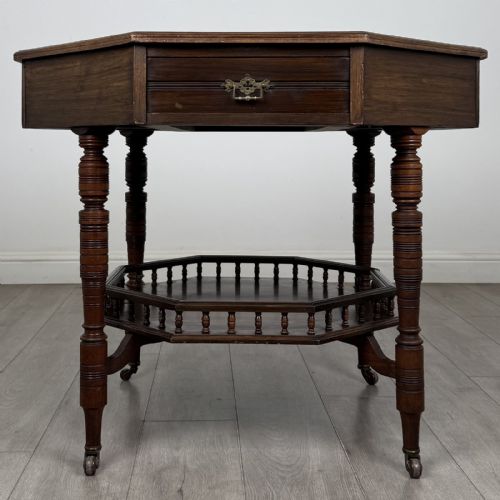
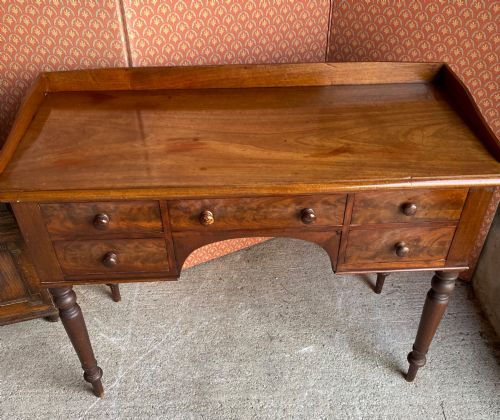
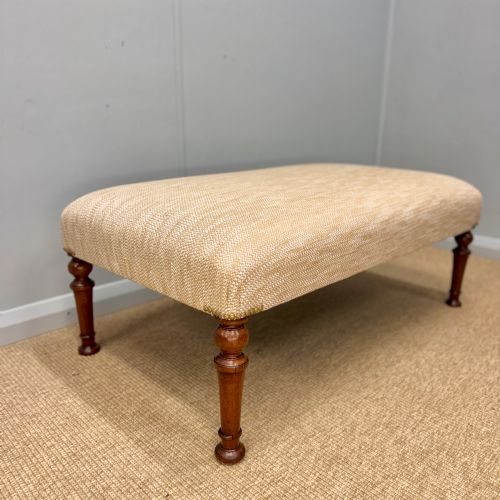
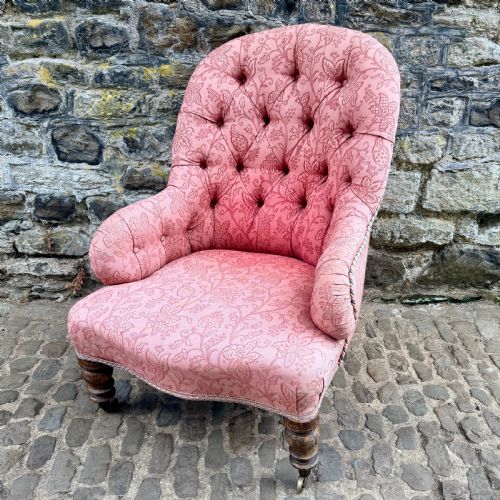
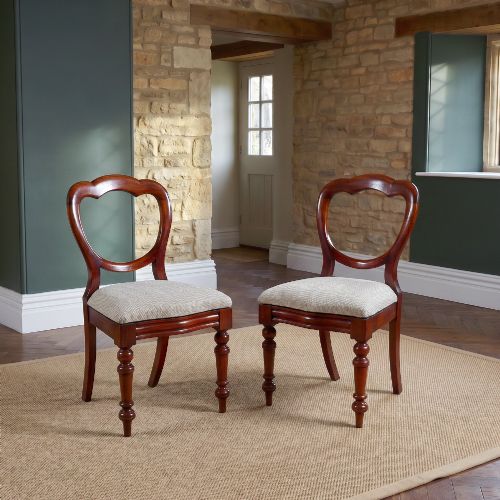
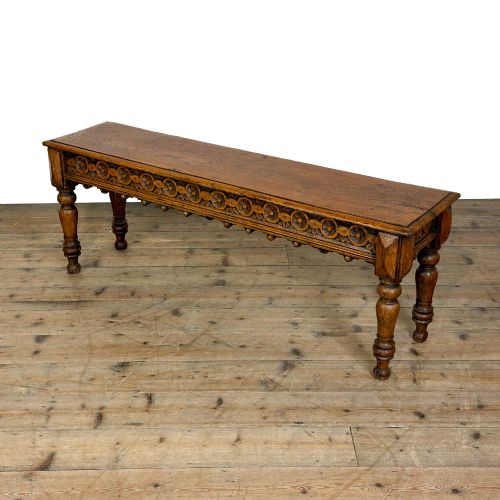
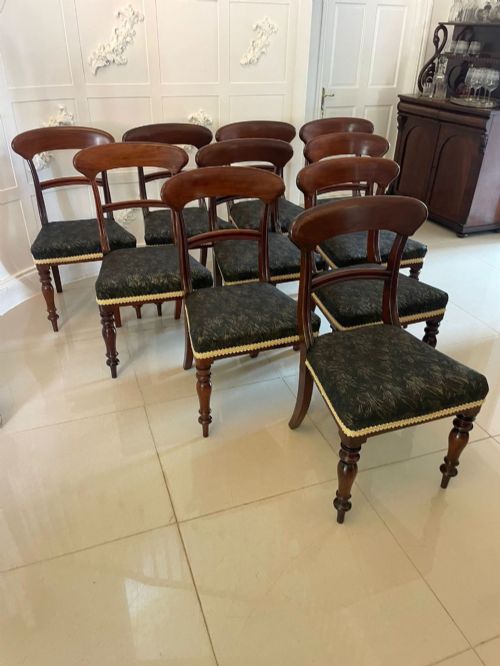
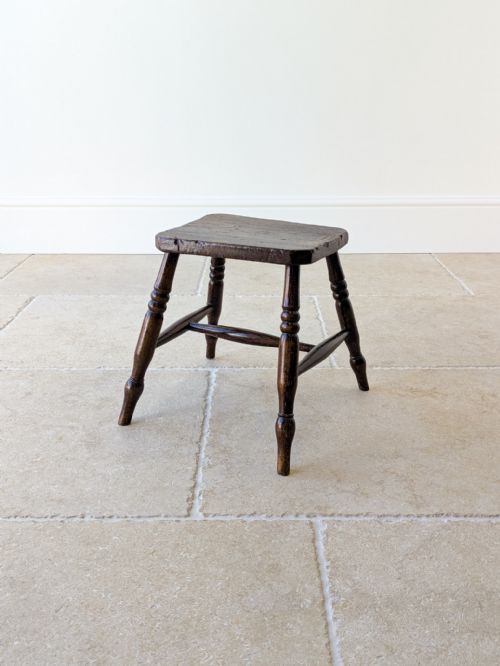
A victorian turned leg designation encompasses a wide variety of domestic furniture ranging from heavy pine kitchen tables and mahogany dining suites to button-backed armchairs, day beds, and footstools resting upon cylindrical or reeded vertical supports. These pieces emerge predominantly from the nineteenth century, reflecting both rustic farmhouse traditions and formal English country house aesthetics.
The objects span utility and display, grouping together functional items like writing desks, commodes, and chest of drawers alongside upholstered chaise longues and window seats. Buyers meet these items in diverse timbers, with robust utilitarian pine and rich hardwoods forming the bulk of the domestic inventory.
How They Were Made
Craftsmen shaped these supports using a lathe to produce uniform cylindrical, ring-top, or reeded profiles from dense hardwoods and softer domestic timbers. Furniture makers paired these turned members with scrubbed pine tops, flame grain mahogany veneers, or solid oak framing.
Joinery relied on traditional methods such as mortise and tenon joints for structural stability in tables and chairs, while seating often incorporated turned spindles or bow backs. Castors in brass frequently completed the base of heavier tables and day beds to aid mobility across heavy carpets.
Listings feature items built from elm, mahogany, oak, brass, beech, pine, ash, and general wood across the nineteenth century.
What Varies in Quality
Quality rests upon the choice of timber and the crispness of the lathe work, where sharp reeding and well-defined turnings signal superior craftsmanship compared to soft or worn profiles. The integrity of the original timber grain, whether flame mahogany or figured walnut, dictates the visual weight of the piece.
Proportion and structural survival also separate ordinary utility items from finer examples, noting particularly whether bases retain their original castors, finish, and uncompromised joinery without excessive replacement parts.
Holland and Sons·Heal and Son
The Victorian Turned Leg Glossary
- Turned leg
- A vertical support shaped on a lathe to create cylindrical, tapered, or decorative ringed profiles. This feature provides structural elevation for tables, chairs, and upholstered seating.
- Scrub top
- A bare wooden table surface, usually pine, designed to be scrubbed clean with water and sand. It forms a durable working top on domestic kitchen and farmhouse tables.
- Reeded
- A decorative surface carved with parallel convex mouldings resembling bundled reeds. This technique adds texture to table legs and occasional furniture edges.
- Windsor chair
- A wooden seating form featuring legs and back spindles socketed directly into a solid carved seat. Regional variations include low-back, high-back, and layback styles.
- Chaise longue
- An upholstered couch with an end headrest designed for reclining. Nineteenth-century examples frequently feature turned wooden forelegs and scrolled frames.
Victorian Turned Leg: Frequently Asked Questions
What pieces feature turned legs?
Turned supports appear across a broad spectrum of nineteenth-century furniture, most notably on pine farmhouse tables, mahogany dining suites, chests of drawers, and side tables. Upholstered pieces such as day beds, footstools, and nursing chairs also frequently incorporate this classic turning.
Dining and writing desks utilise these shaped uprights to provide stable foundations while adding subtle decorative detail to otherwise utilitarian forms.
How are pine tables used today?
Original scrub-top pine tables function well as central kitchen islands, dining surfaces, or robust desks in modern interiors. Their durable surfaces and single-drawer storage accommodate contemporary daily use while retaining rustic character.
Pairing these tables with Windsor or ladder-back chairs creates an authentic country aesthetic suitable for both traditional and eclectic modern dining spaces.
How do I identify a Victorian piece?
Nineteenth-century construction is identifiable through timber selection, hand-cut joinery, and characteristic hardware such as brass castors or turned wooden knobs. Mahogany, walnut, oak, and solid pine predominate in these builds.
Stylistic markers like button-backed upholstery, flame grain veneers, and specific turning profiles help narrow the date of manufacture within the broader nineteenth-century period.
Are castors original on these tables?
Brass castors frequently accompany nineteenth-century dining tables, reading chairs, and day beds to facilitate movement across heavy floor coverings. Inspecting the fixture points reveals whether the metal fittings correspond to the age of the timber base.
Retaining original castors adds historical integrity to library steps, side tables, and extending dining furniture.