
Victorian Tripod Pedestal Stand
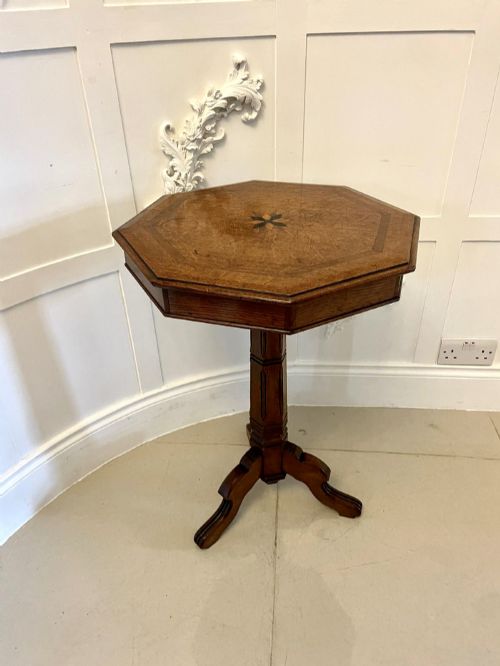
A victorian tripod pedestal stand serves practical purposes around the home while introducing rich timber grain and classic silhouettes.
Victorian Tripod Pedestal Stand
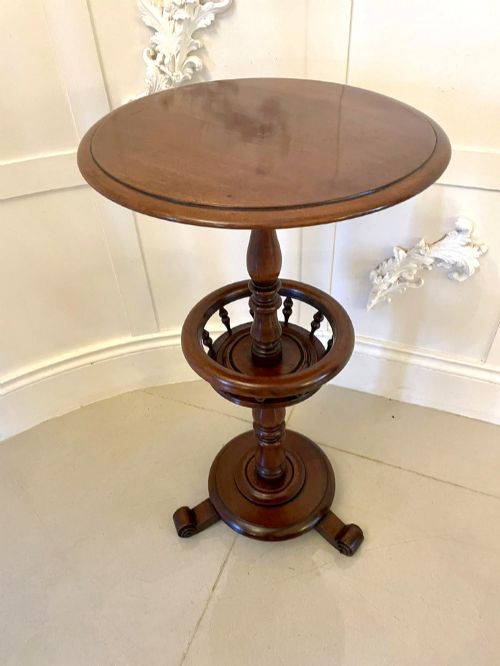
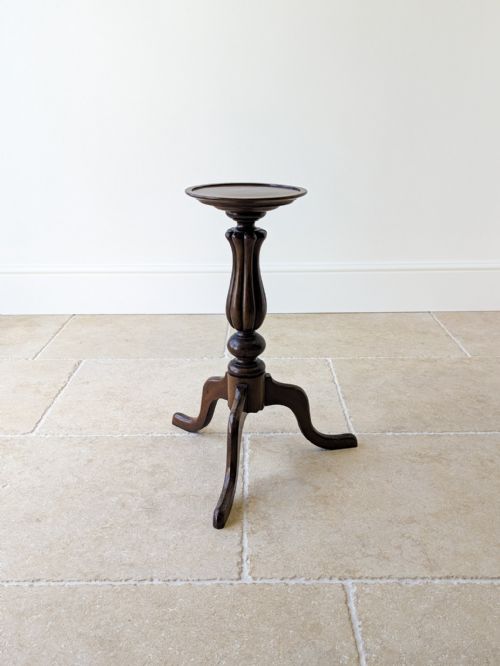
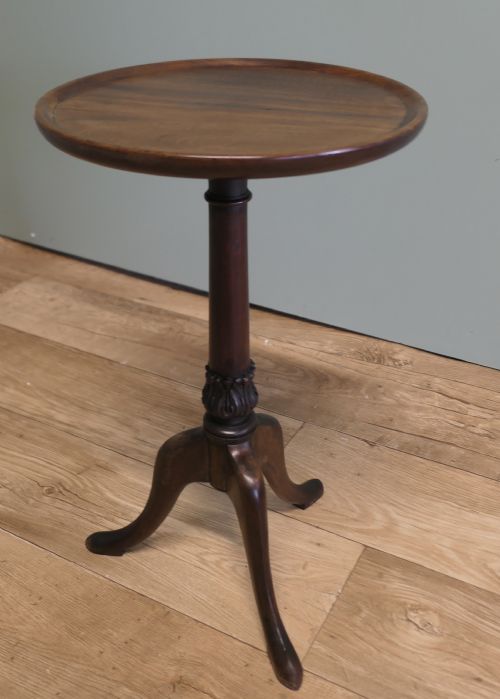
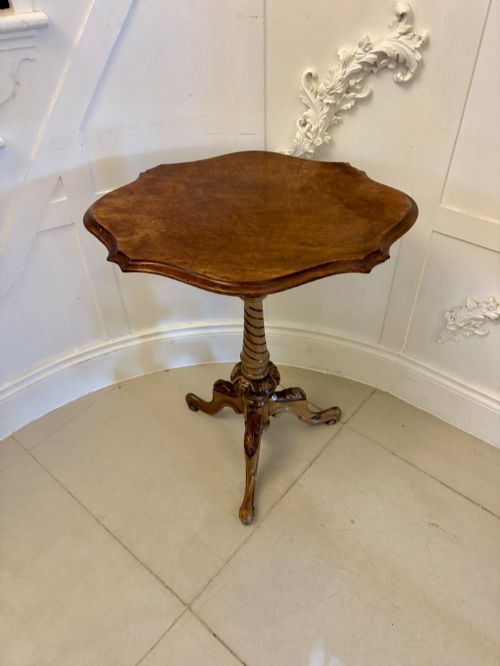
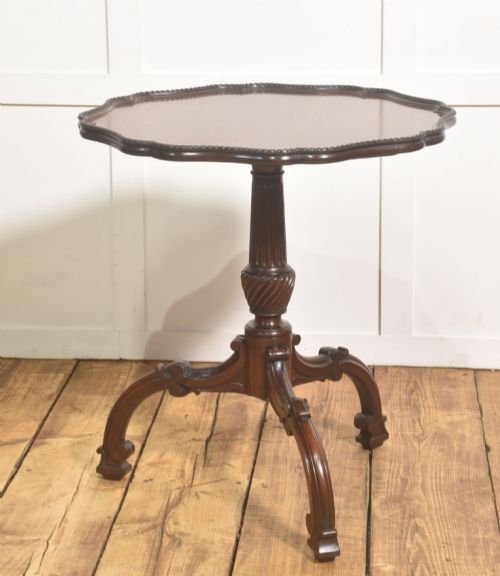
A victorian tripod pedestal stand encompasses a variety of compact circular or occasional furniture designed for specific domestic tasks. The selection available on this page spans the nineteenth century alongside related revival movements and earlier influences.
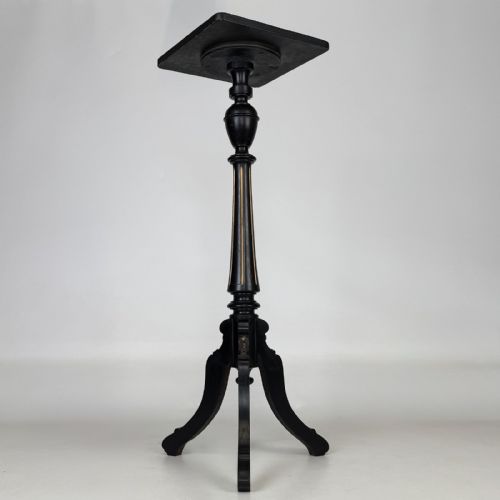
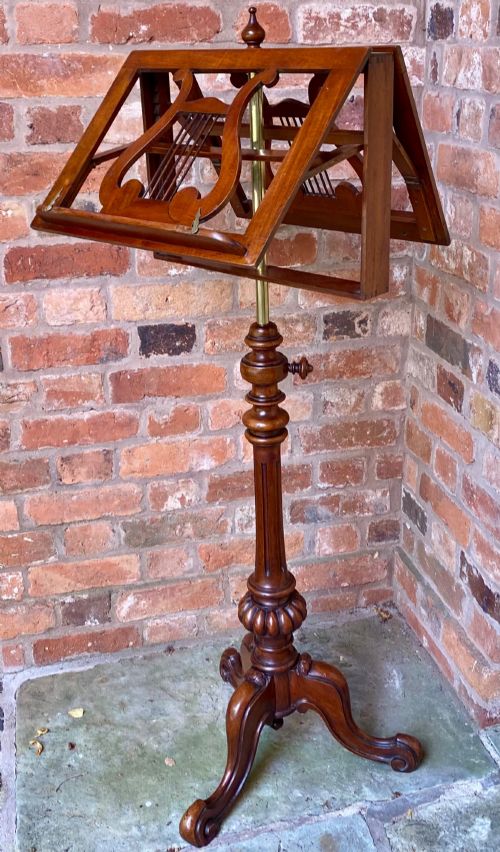
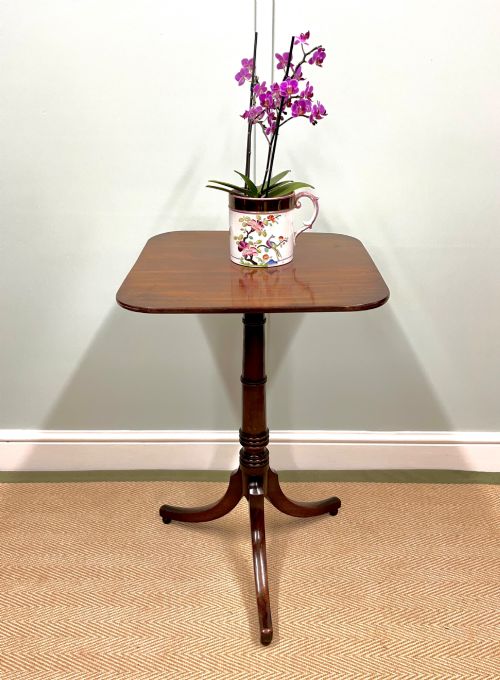
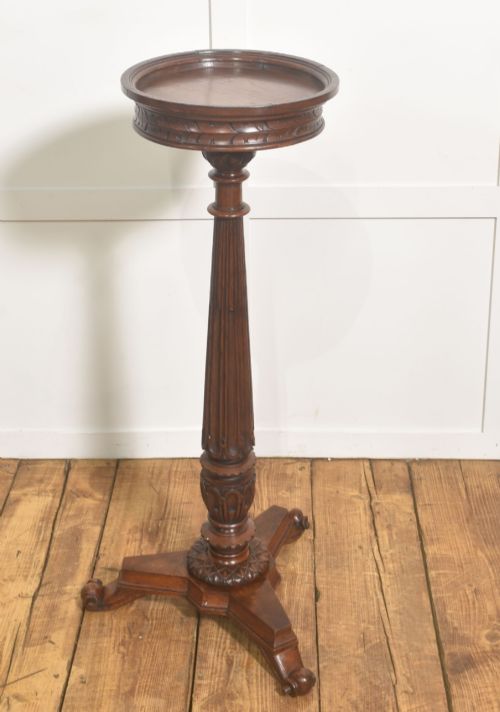
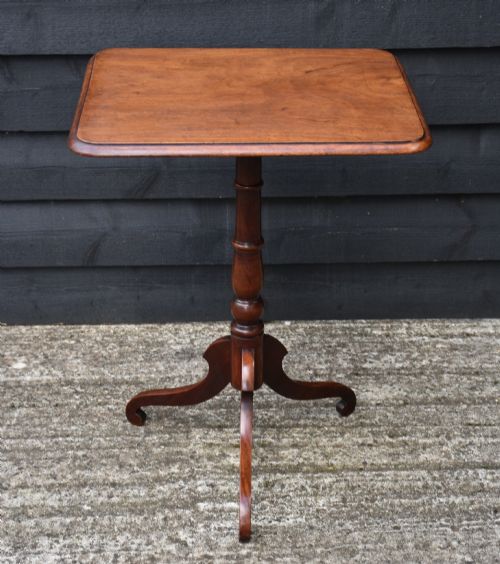
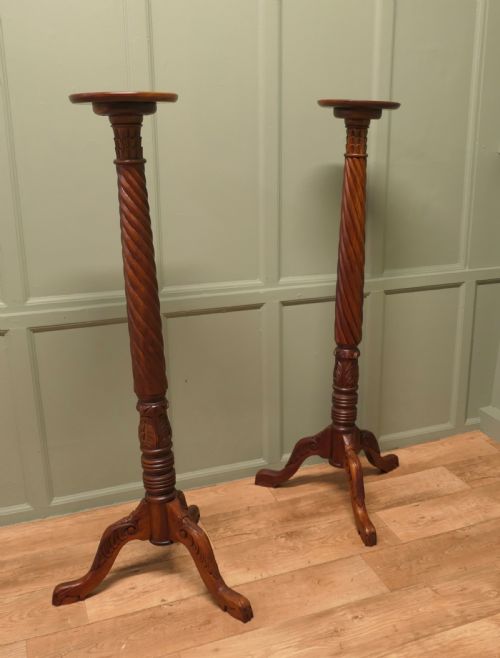
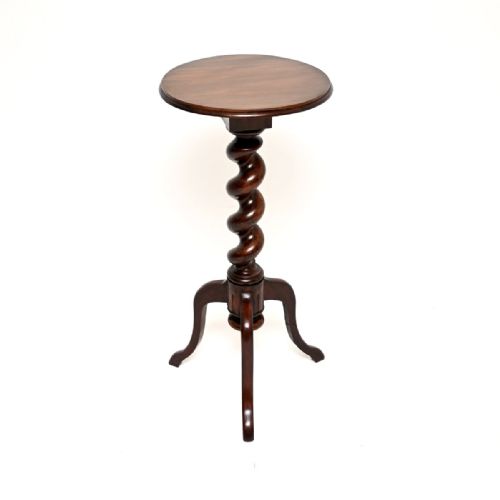
Buyers encounter numerous wine tables, lamp tables, and plant stands supported by three-legged pedestals. Formations range from tilt-top examples and adjustable display pieces to specialised shaving stands and torchere columns.
Materials and construction
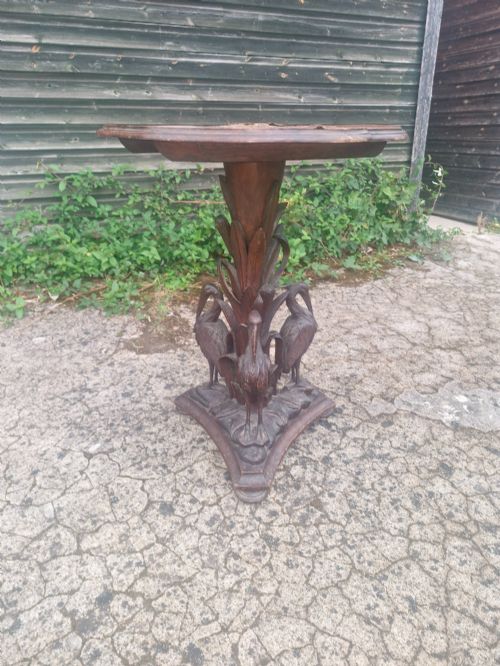
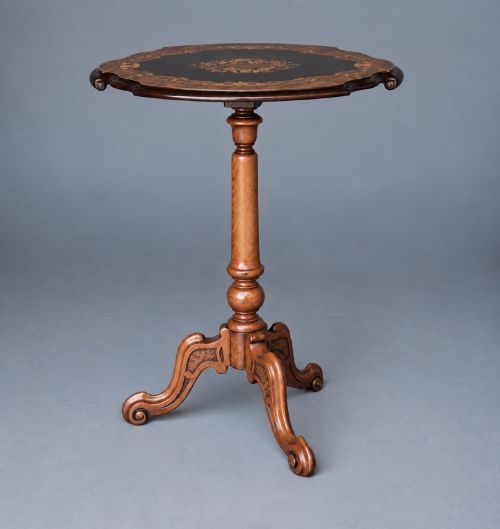
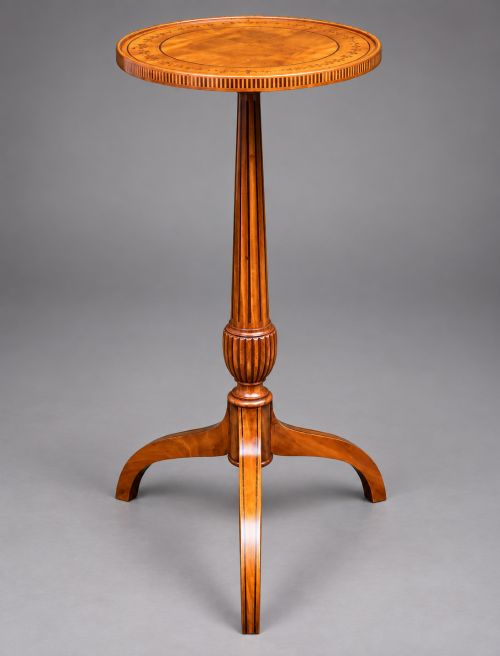
Cabinetmakers utilised dense hardwoods such as mahogany, walnut, and rosewood to ensure stability across the central pillar and splayed legs. Decorative elements often include burr wood veneers, satinwood inlay, fruitwood accents, and carved detailing.
Functional mechanisms such as tilt-top catches, brass adjustments, and bobbin galleries demonstrate period engineering. Certain pieces incorporate secondary materials like marble inserts, glass backs, and painted wooden components.
Distinguishing quality
Excellence in a victorian tripod pedestal stand rests upon the selection of figured timber and the crispness of carved enrichment on the pillar and feet. Superior examples display harmonious proportions between the top and the supporting tripod base.
The integrity of the central joint and the smooth operation of mechanical adjustments, such as tilt-top mechanisms, separate finer workshop production from standard utility items.
Gillows
The Victorian Tripod Pedestal Stand Glossary
- Tripod base
- A three-legged support structure that provides stability for a central pedestal column. This arrangement allows the stand to sit level on uneven floors.
- Tilt-top
- A hinged tabletop mechanism that enables the surface to fold vertical when not in use. It allows the stand to be stored flat against a wall.
- Torchere
- A tall decorative stand or pedestal originally intended to hold a candle or lamp. These vertical supports frequently feature carved columns.
- Wine table
- A small occasional table designed to hold glasses or bottles during social gatherings. They often feature circular tops mounted on pillar bases.
- Inlay
- A decorative technique where contrasting woods or materials are embedded into the primary surface. Satinwood is frequently utilised for this contrasting detail.
Victorian Tripod Pedestal Stand: Frequently Asked Questions
What were victorian tripod pedestal stands used for?
These versatile stands served multiple domestic functions including holding lamps, displaying plants, or supporting drinks during evening gatherings. Specialised versions accommodated shaving basins or musical scores.
Their compact footprint allowed them to sit easily beside armchairs or in corners where larger furniture would not fit.
Where should I place a pedestal stand at home?
These stands fit naturally beside seating areas to hold reading lamps, small decorative objects, or cups. Taller torchere columns work effectively in empty corners or framing doorways.
Their narrow footprint ensures they add architectural interest without cluttering floor space in smaller rooms.
Are these stands sturdy enough for daily use?
Solid hardwood construction and three-legged pedestal designs provide inherent stability for everyday placement. The weight of dense timbers like mahogany and walnut keeps the base grounded.
Care should be taken with tilt-top mechanisms and adjustable heights to ensure locking components remain secure.