




Victorian Trinket Tray
A victorian trinket tray is a small receptacle for personal valuables, combining functional utility with the decorative tastes of the nineteenth century.
Victorian Trinket Tray
A victorian trinket tray encompasses a diverse group of small receptacles designed to hold rings, pins, and personal valuables on a dressing table or desk. These objects appear in forms ranging from simple shell dishes and heart-shaped containers to fitted jewellery boxes with internal trays.
Most examples originate from the nineteenth century, with specific pieces bearing hallmarked dates spanning from the 1850s through the Edwardian transition. Buyers will encounter both standalone dishes and cased pairs created for daily use in domestic bedchambers and drawing rooms.
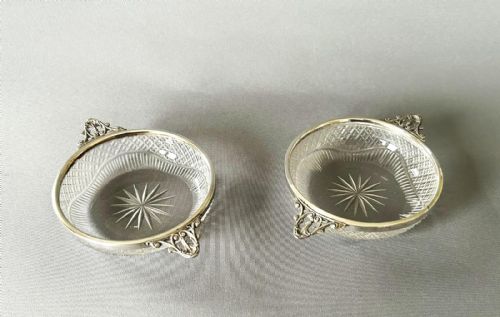
The material vocabulary of these items is exceptionally broad, encompassing precious metals, ceramics, glass, and wood. Makers utilised sterling silver, silver plate, brass, porcelain, and glass alongside papier-mâché and specialised woodwork like Tunbridge ware.
How they were made
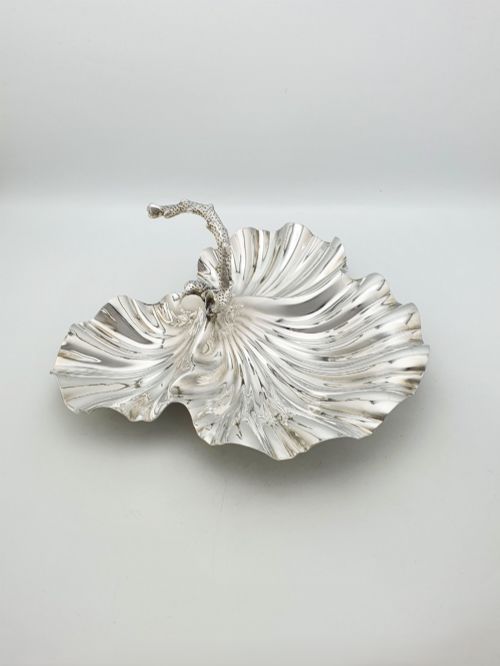
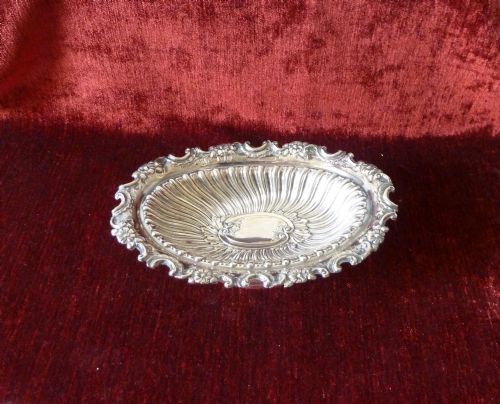
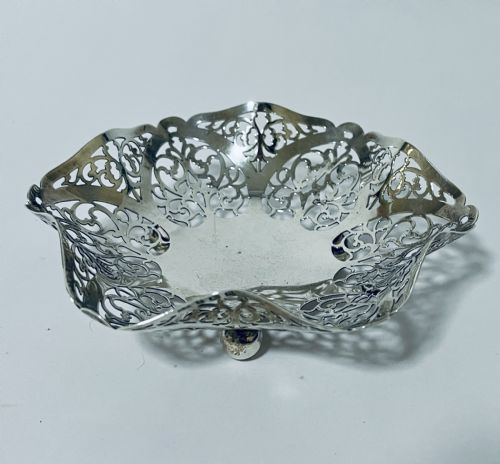
Silversmiths shaped sterling silver and silver plate through techniques of casting, repoussé, and piercing to produce naturalistic shell and leaf forms. Many metal examples bear hallmarks from London and Birmingham alongside the stamps of specialised makers.
Ceramic trays from factories such as Royal Worcester, Royal Crown Derby, and Dresden rely on slip casting and hand-painted decoration enhanced with gold leaf and gilt edges. Glass dishes utilise cut glass, green opaline, and Mary Gregory enamelling.
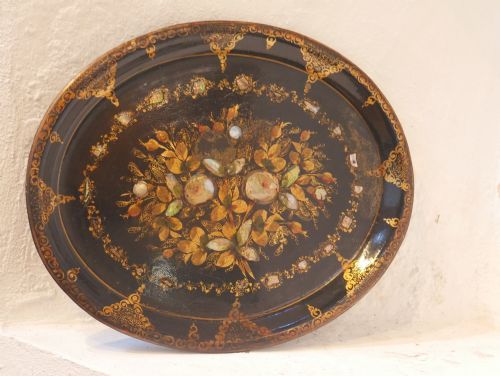
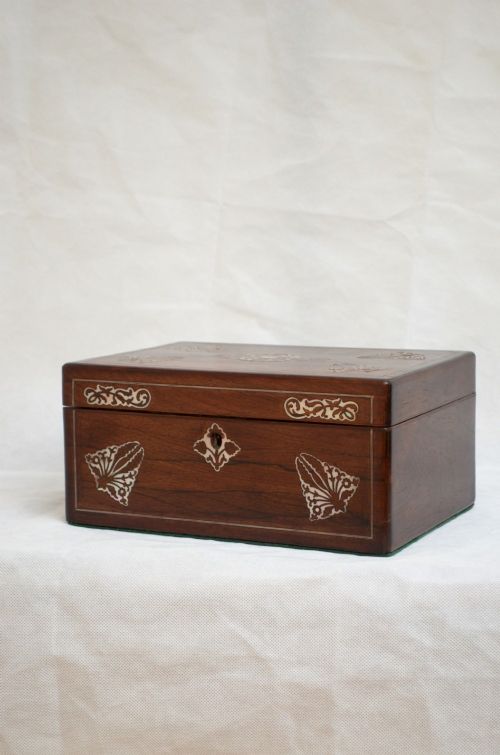
Wooden and papier-mâché objects incorporate lacquer, rosewood construction, and intricate decorative inlays. Brass items often feature applied agate cabochons and structural castings characteristic of mid-nineteenth-century metalworking.
Cobras appear as handles on Indian trays, proving that Victorian desk accessories occasionally possessed a rather dramatic bite.
What varies in quality
The distinction between standard domestic wares and superior examples rests upon the identity of the maker and the precision of the ornamentation. Pieces produced by recognised silversmiths or established porcelain potteries display greater sculptural refinement in details such as handles and raised borders.
Material substance and surface preservation dictate the standing of an individual piece within its category. Heavy gauge sterling silver, crisp gilding on porcelain, and intact surface inlays on wooden boxes elevate the character of the object.
William Comyns·Carlton Ware·Royal Worcester·Royal Crown Derby·Helena Wolfsohn·William Padley·James Hennell
The Victorian Trinket Tray Glossary
- Hallmark
- An official stamp applied to precious metals indicating the standard of purity, the assay office, and the date letter. These marks allow collectors to date silver trays precisely.
- Repoussé
- A metalworking technique where the artisan hammers the design from the reverse side to form a raised relief on the front. This method creates the characteristic floral and scroll patterns found on silver dishes.
- Bonbon dish
- A small ornamental container originally intended to hold sweets or confections. In practice, these open vessels function equally well as trinket receptacles on dressing tables.
- Agate cabochon
- A polished, convex gemstone without facets, set flush into a metal mount. These stones frequently appear on mid-nineteenth-century brass desk sets and trays.
- Toleware
- Lacquered or enamelled metalware produced in England and Europe. These pieces exhibit durable painted surfaces often paired with functional trays and boxes.
Victorian Trinket Tray: Frequently Asked Questions
What were these trays used for originally?
These small dishes and boxes served to hold daily personal items such as rings, pins, and small accessories in the Victorian bedchamber or dressing room. They kept delicate valuables organised and accessible on dressing tables and desks.
Larger versions functioned as serving trays or centrepieces in the drawing room, accommodating calling cards or sweetmeats during social calls.
How do I date a silver tray?
Dating relies primarily on the assay office hallmarks stamped directly onto the metal surface. These official marks include date letters that correspond to specific years of production.
Stylistic indicators such as naturalistic floral motifs or Art Nouveau sinuous lines provide a secondary guide when hallmarks are absent or rubbed.
Are porcelain and glass trays fragile?
Porcelain, opaline glass, and cut glass pieces require careful handling due to their brittle nature. Displaying them away from high-traffic edges prevents accidental impacts.
Regular dusting with a soft cloth keeps the glazed surfaces and gilt edges clean without risking abrasion to the hand-painted details.
What is the difference between silver and silver plate?
Solid silver objects consist entirely of precious metal throughout their structure, usually conforming to sterling standards. These pieces bear complete hallmark strikes indicating the metal purity and assay office.
Silver-plated items feature a base metal core, such as brass or copper, covered with a thin external layer of silver applied through manufacturing processes.
How do I care for wooden and papier-mâché trays?
Wooden boxes and papier-mâché items need stable environmental conditions away from direct sunlight and excessive humidity. Extreme temperature shifts can cause wood to warp and lacquered surfaces to crack.
Gentle cleaning with a dry or barely damp cloth preserves the delicate inlays and painted finishes found on these pieces.