



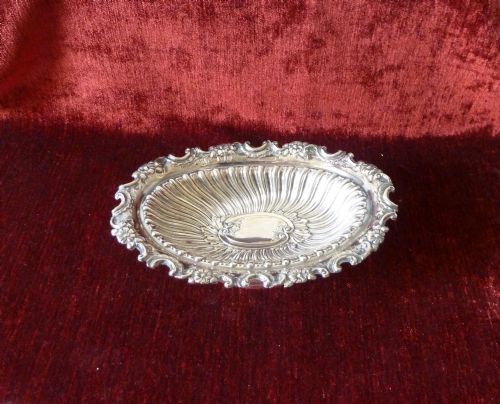
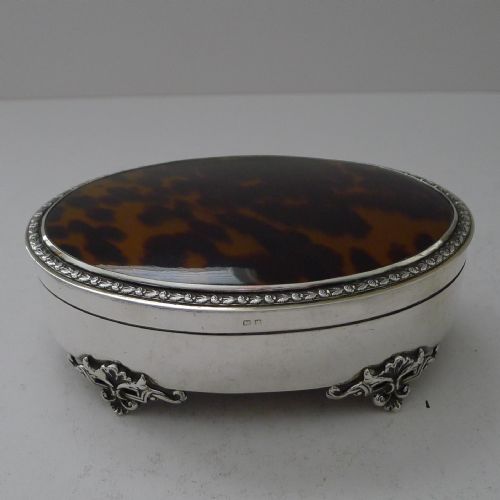
Victorian Trinket Dish
A victorian trinket dish is a compact receptacle for small personal valuables, offering a tangible glimpse into nineteenth-century dressing table customs.
Victorian Trinket Dish
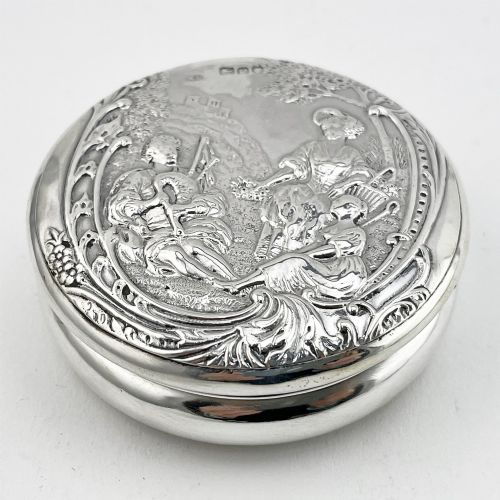
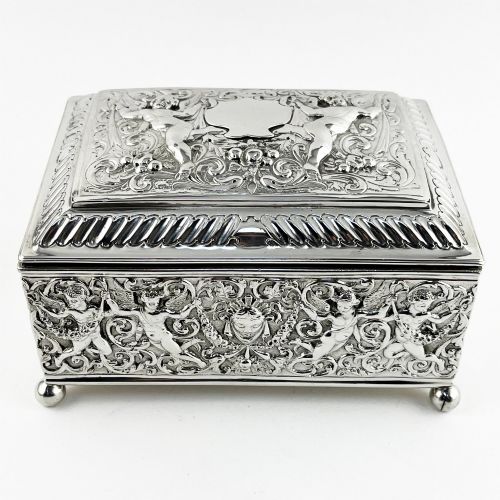
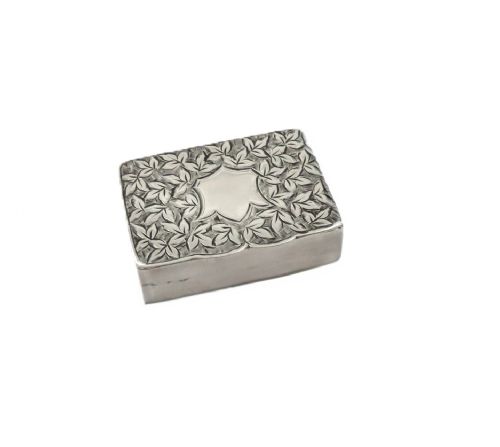
When searching for a victorian trinket dish, collectors encounter a diverse group of small receptacles designed to hold pins, rings, and coins. The items on this page span the Victorian and Edwardian periods, stretching from the eighteen sixties into the early twentieth century.
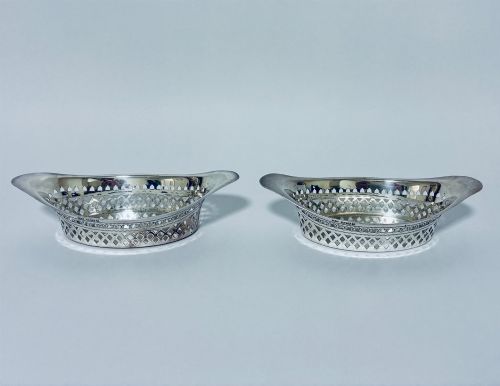
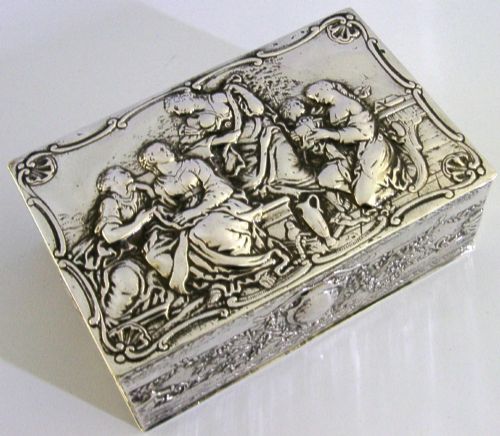
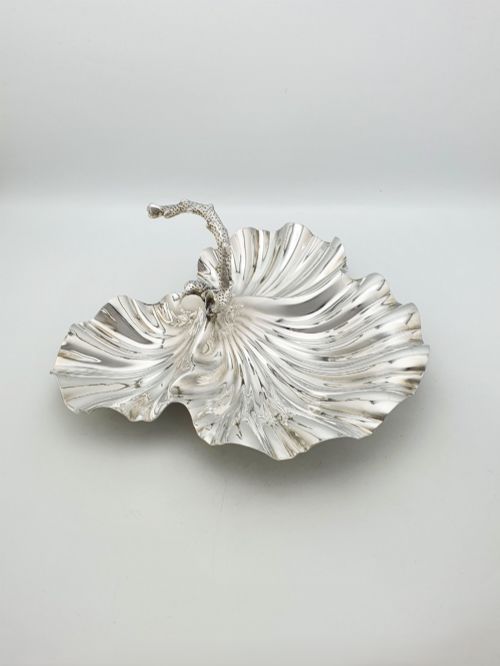
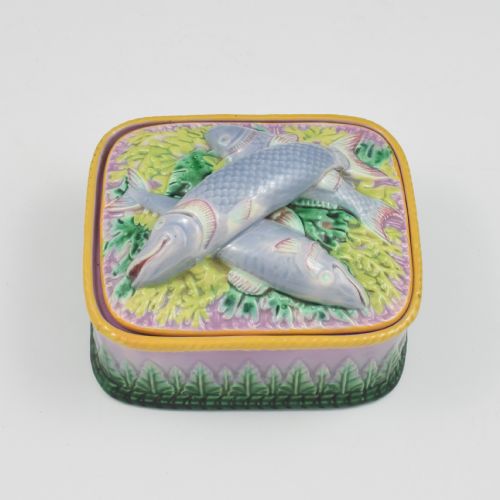
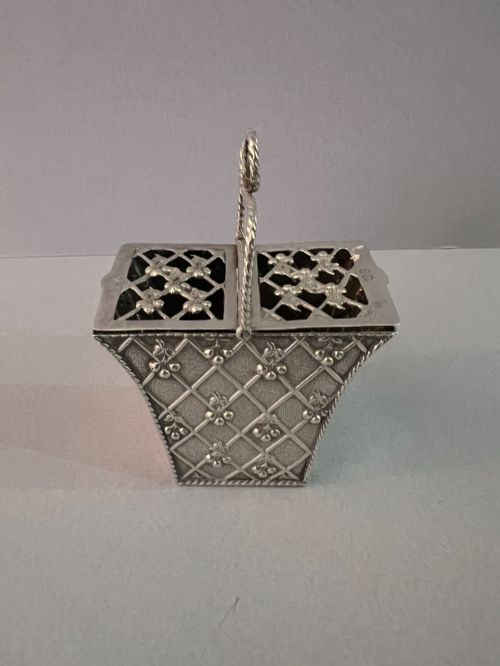
Forms include dedicated trinket boxes, bonbon dishes, shallow porcelain baskets, and silver shell dishes. Many examples merge British manufacture with continental influences such as Dutch Revival, Neo-Rococo, and French Rococo styles.
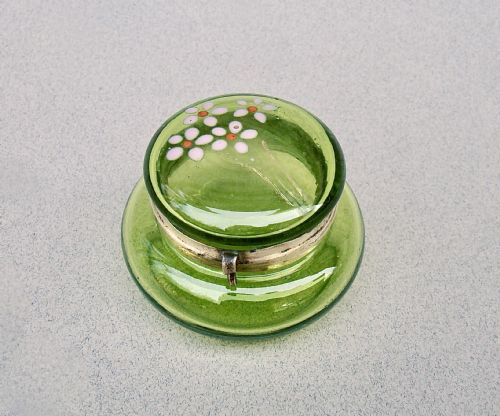
The materials range widely across sterling silver, silver plate, enamel, and glass, alongside ceramic bodies like majolica and porcelain. Buyers frequently meet pieces combining cut glass with silver lids or gilt brass mounts.
How they were made
Metalsmiths utilised sterling silver and solid silver through casting, repoussé, and piercing techniques to create decorative boxes and baskets. Silver-plated items and gilt brass structures provided durable alternatives for dressing table wares.
Glassmakers produced Bristol blue, green opaline, and cut glass vessels, frequently pairing them with hinged metal lids or painted enamel details. Ceramic pieces relied on moulded porcelain and earthenware bodies finished with hand-painted floral motifs and gilding.
Victorian Trinket Dish Retail Price Guide 2026
Typical asking prices for victorian trinket dish among the pieces listed under this phrase on Sellingantiques today, from the lower quarter to the upper quarter. They describe what is for sale here now, not the wider market.
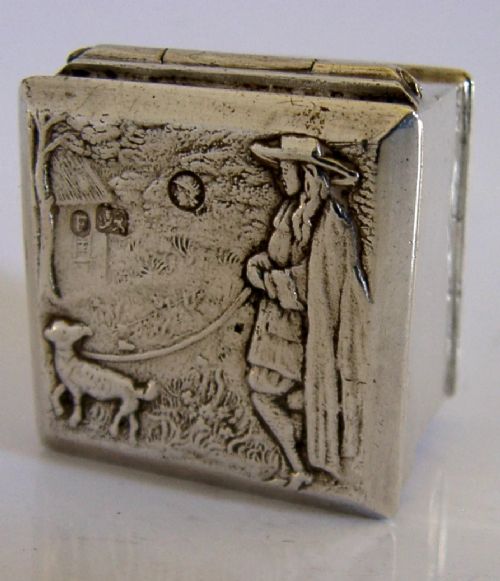
Dogs walking and cobra snakes appear unexpectedly as handles and motifs on nineteenth-century silver boxes.
What varies in quality
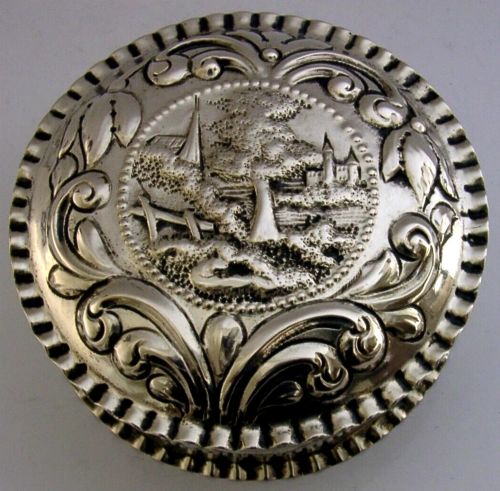
The standard of execution separates everyday vanity items from exceptional desk and dressing table pieces. Crispness of cast detail, particularly on picture castle top boxes and chased floral motifs, indicates the maker's skill.
Weight and structural integrity also define quality, observed in heavy gauge silver vessels and thick cut glass bases. The precision of hinged lids and the fineness of hand-painted porcelain or enamel work further distinguish superior examples.
William Comyns·A & J Zimmerman Ltd·James Hennell·Wang Hing & Company·Helena Wolfsohn
The Victorian Trinket Dish Glossary
- Castle top
- A style of metal box featuring a detailed architectural engraving of a famous building or landmark on the lid. These are typically executed in high relief silver.
- Bonbon dish
- A small open vessel intended to hold confectionery or sweetmeats. They often feature pierced silver walls or delicate handled forms.
- Majolica
- A type of colourful lead-glazed earthenware popular during the nineteenth century. It is known for vibrant tones like pink, lilac, and green.
- Repoussé
- A metalworking technique where the artisan hammers the design from the reverse side to form a raised pattern in relief. This method defines many Victorian silver dishes.
- Jasper dip
- A fine stoneware developed by Wedgwood, characterised by a coloured matte body contrasted with white moulded neoclassical reliefs. Blue is the most common shade encountered.
Victorian Trinket Dish: Frequently Asked Questions
What were victorian trinket dishes used for?
These small receptacles held personal items on bedroom dressing tables and drawing room desks. Owners stored rings, pins, buttons, and calling cards inside them.
They also served decorative purposes during the late nineteenth century, reflecting the owner's taste and wealth. Some specific forms, such as bonbon dishes, were designed to hold small sweets during afternoon tea.
How do I date a victorian trinket dish?
Dating relies primarily on silver hallmarks stamped onto metal components. These marks identify the assay office, the year letter, and the maker.
For non-metal items such as porcelain or glass, dating depends on registration marks, base stamps, and stylistic cues like enamel colours. Comparing the decorative style to known production periods provides a reliable estimate.
Are silver trinket boxes marked?
British silver boxes typically bear a series of punch marks including a lion passant for sterling standard, a city mark, and a date letter. Makers stamp their initials alongside these standard control marks.
Unmarked pieces do occur, particularly in foreign export silver or items made from gold and brass. Continental items often display alternative national silver standard marks.
How do I clean antique silver dishes?
Silver dishes require gentle cleaning with a soft cloth and specialised silver polish to remove tarnish without harming the metal. Harsh abrasive cleaners should be avoided to preserve delicate surface details.
Items with enamel, glass inserts, or tortoiseshell panels need extra care to keep moisture away from vulnerable joints. Professional advice is recommended for pieces with fragile glued components or aged gilding.
What is the difference between a box and a dish?
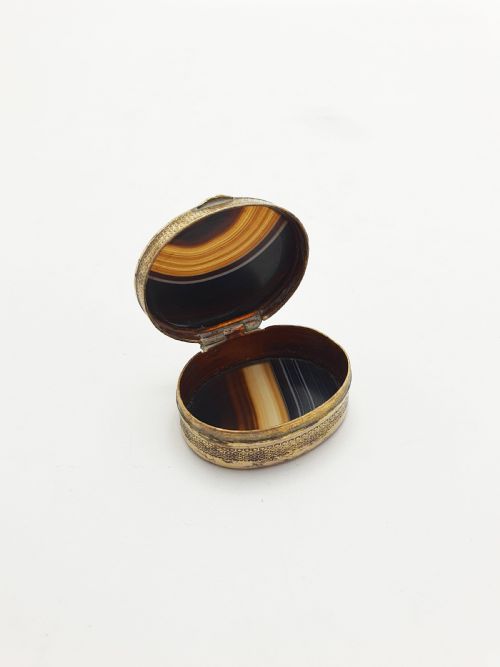
Trinket boxes feature hinged or lift-off lids designed to enclose and protect their contents from dust. They are commonly lined with silk, velvet, or gilt metal.
Dishes and baskets remain open at the top for immediate access to small items. They are generally shallower and focus on visual display rather than secure storage.