





Victorian Treen Carving
Victorian treen carving gathers small, functional domestic objects shaped by hand from dense timber for everyday utility and personal tokens.
Victorian Treen Carving
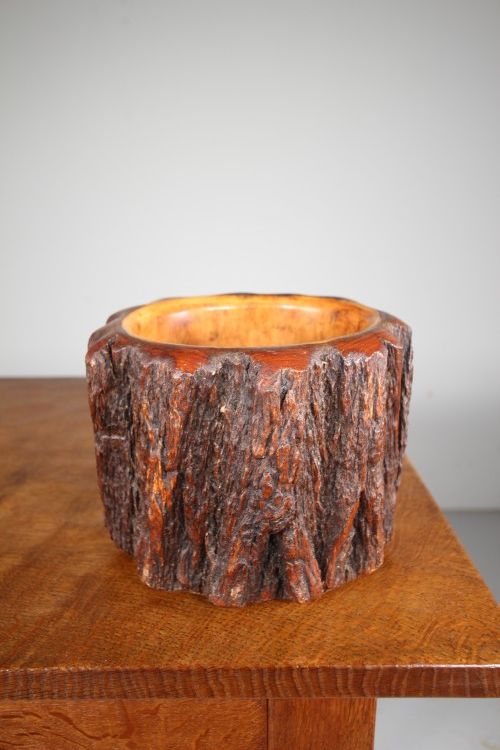
Victorian treen carving encompasses small wooden objects made for domestic, personal and social use during the nineteenth century. These pieces range from utilitarian dairy bowls and butter prints to personal items such as snuff boxes, knitting sheaths and nutcrackers.
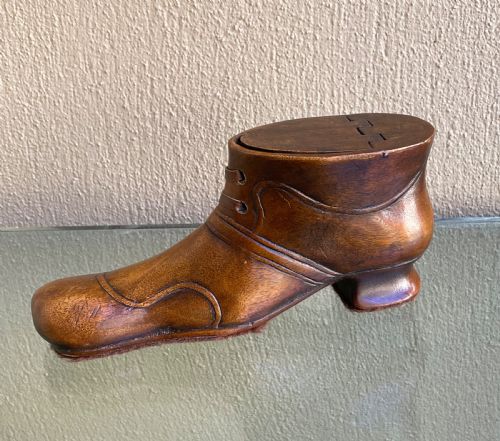
The objects frequently display folk art traditions and novelty shapes, including shoes, hands, animals and fruit. Many serve as personal tokens or love gifts, incorporating carved initials, dates and symbolic motifs like hearts.
How they were made
Makers utilised dense hardwoods such as fruitwood, sycamore, walnut, boxwood and lignum vitae, selected for stability and fine grain under the chisel. These timbers were shaped through a combination of lathe turning and hand carving with gouges and knives.
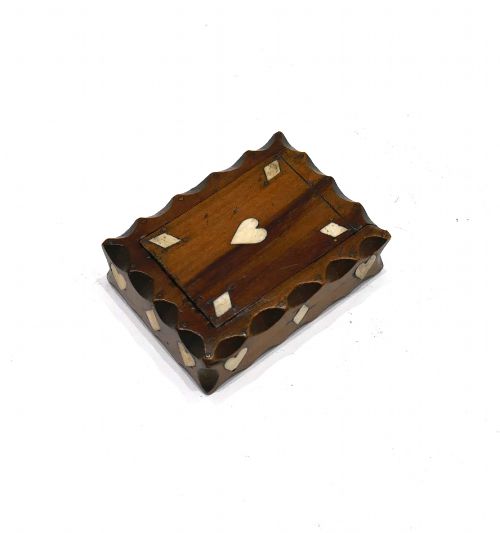
Decoration relied on direct incision, chip carving and occasional inlay using bone or contrasting woods. Surfaces were finished through handling and friction rather than heavy varnishing, retaining the natural texture of the timber.
Victorian Treen Carving Retail Price Guide 2026
Typical asking prices for victorian treen carving among the pieces listed under this phrase on Sellingantiques today, from the lower quarter to the upper quarter. They describe what is for sale here now, not the wider market.
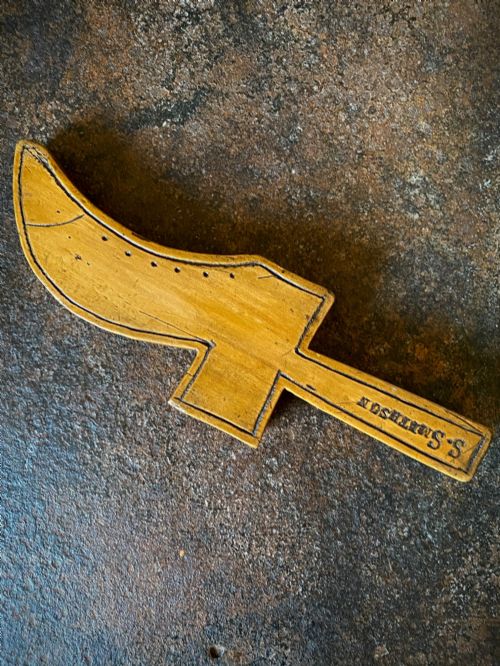
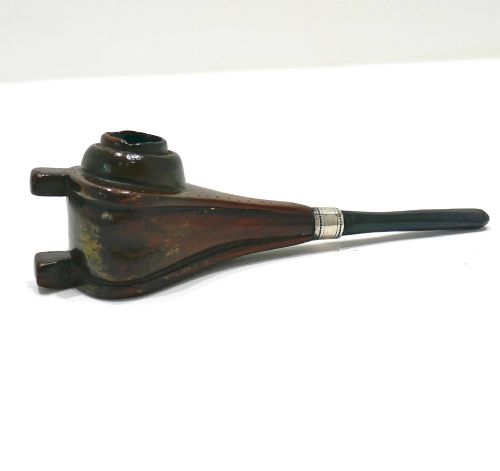
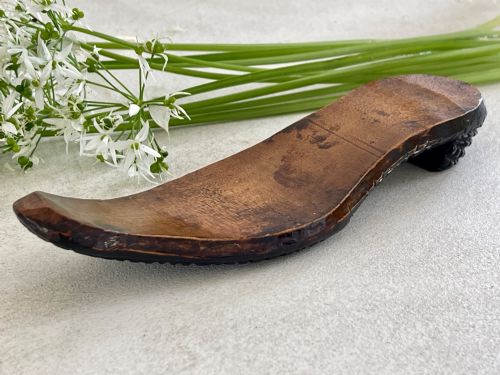
Cardinals and card players alike needed walnut shoes to hold their snuff.
What varies in quality
The merit of a carved wooden object rests upon the decisiveness of the tool work and the economy of the shaping. Confident, crisp detailing in difficult timbers like fruitwood or lignum vitae marks out superior execution.
Proportion and the intelligent use of natural grain patterns distinguish skilled vernacular work from mechanical production. Surface patina resulting from age and handling further defines the appeal of individual items.
The Victorian Treen Carving Glossary
- Treen
- Small handmade wooden objects for domestic use. The term derives from the old English word for tree.
- Knitting sheath
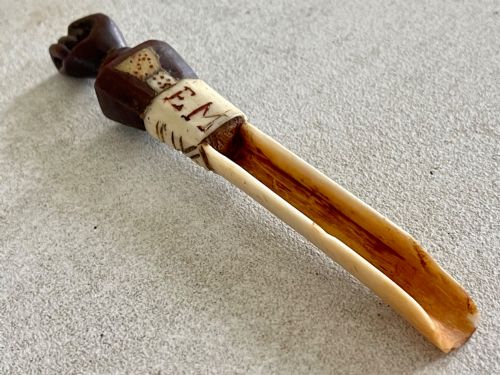
- A carved wooden holder tucked into a belt or apron to support one knitting needle during hand wool work. These often bear carved initials and dates.
- Snuff box
- A small container for holding ground tobacco taken by the nose. Many examples take whimsical forms such as shoes, books or hands.
- Lovespoon
- A decorative wooden spoon carved as a token of affection. These often incorporate intricate motifs like vines and hearts.
- Quaich
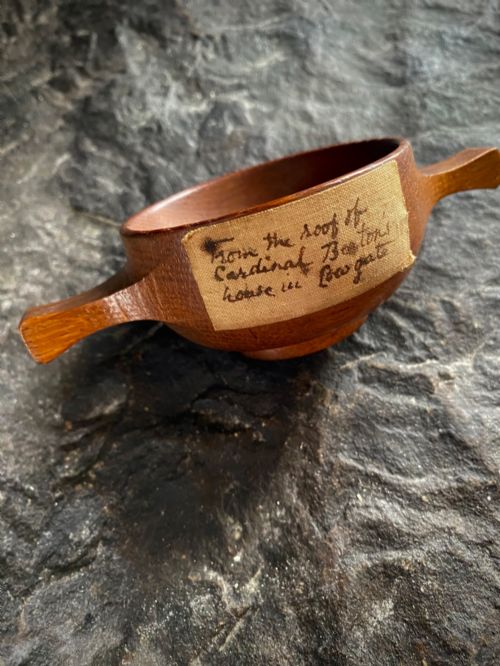
- A traditional drinking vessel with two or more handles, used for sharing spirits. Examples may incorporate historic associations or inscribed labels.
Victorian Treen Carving: Frequently Asked Questions
What is treen carving?
Treen carving refers to small, handmade wooden household and personal objects produced before the dominance of mass manufacturing.
These pieces include items designed for kitchen work, tobacco use, textile production and personal adornment.
How were wooden snuff boxes used?
Wooden snuff boxes held dry powdered tobacco that Victorians consumed by pinching small amounts into the nose.
Carvers shaped these containers into pocket-sized forms, frequently disguising them as shoes, books or clenched fists.
What are knitting sheaths?
Knitting sheaths were practical tools tucked into a waist belt to hold one needle steady during cottage wool production.
Craftsmen and suitors often carved these items with personal names, dates and naive symbols as gifts.
How do you date carved treen?
Dating relies on timber selection, tool marks, wear patterns and contemporary inscriptions or dated owner names.
Stylistic comparisons with documented vernacular pieces and traditional regional forms also help place items within the nineteenth century.