
Victorian Travel Case
When you search for a victorian travel case, you enter a world of portable luxury made for the long journeys of the nineteenth century.
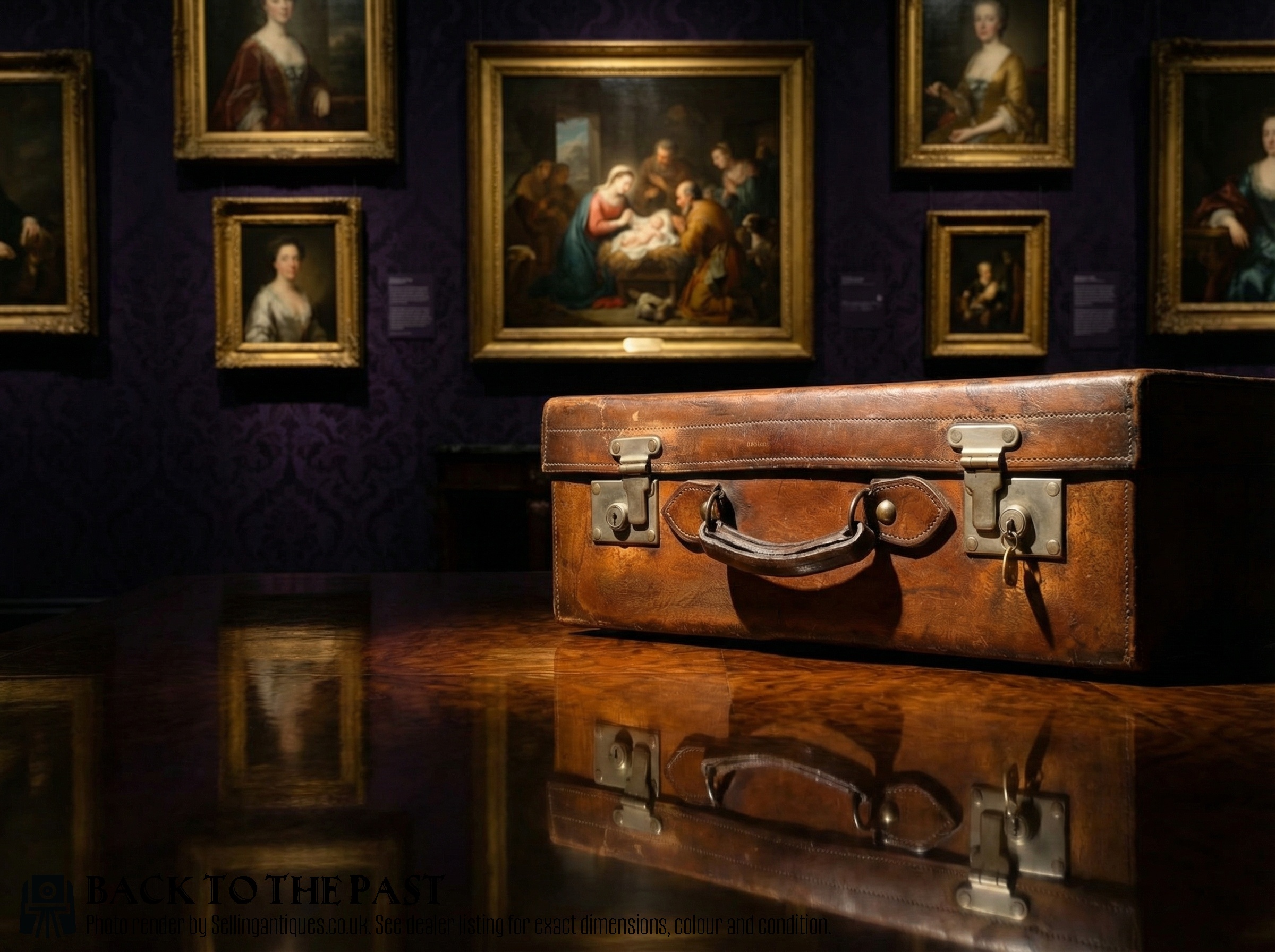
Victorian Travel Case
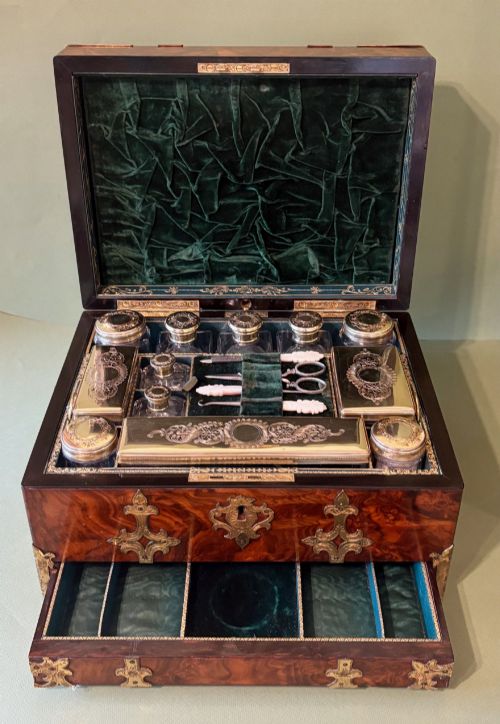
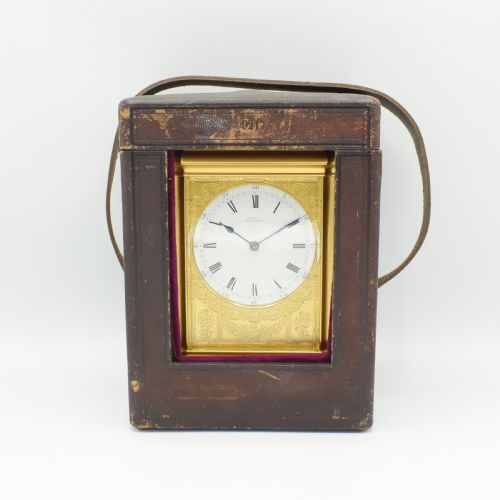
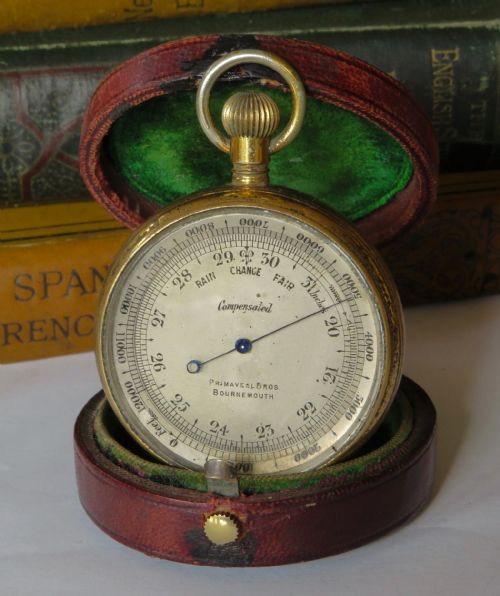
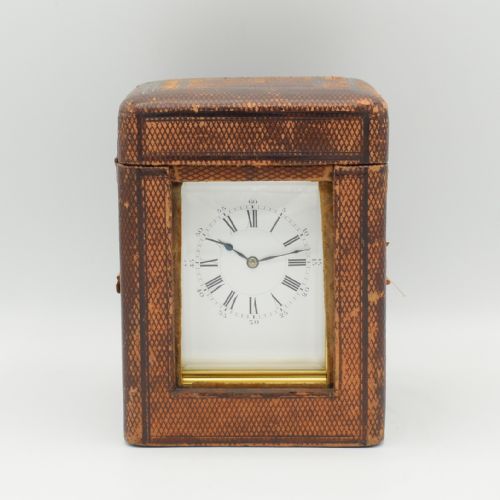
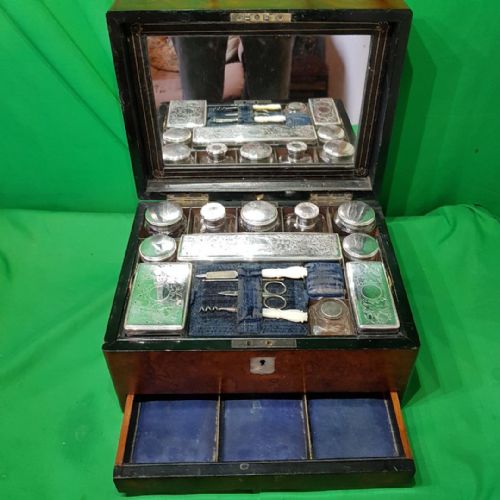
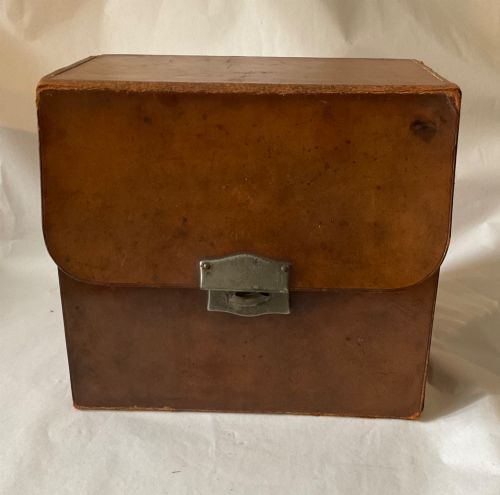
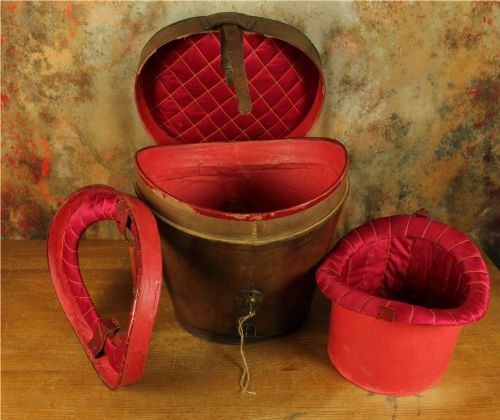
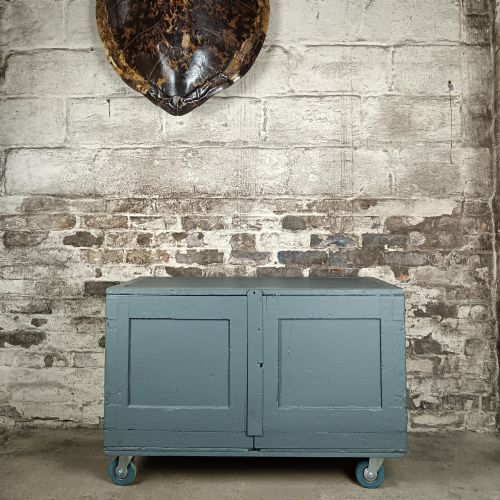
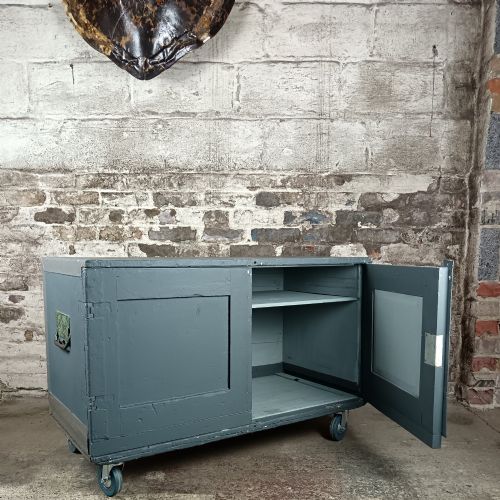
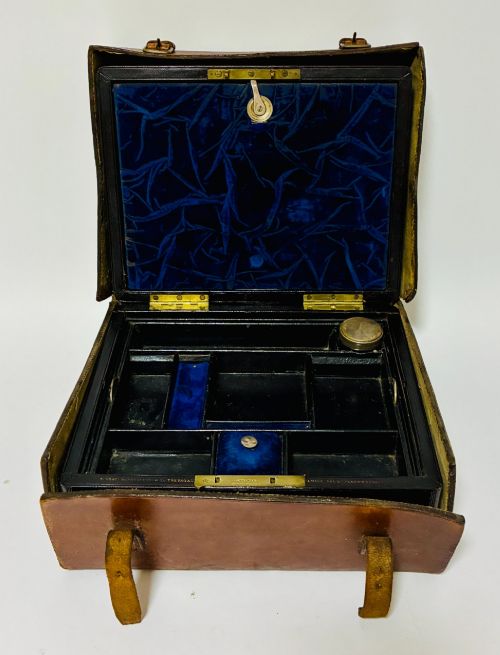
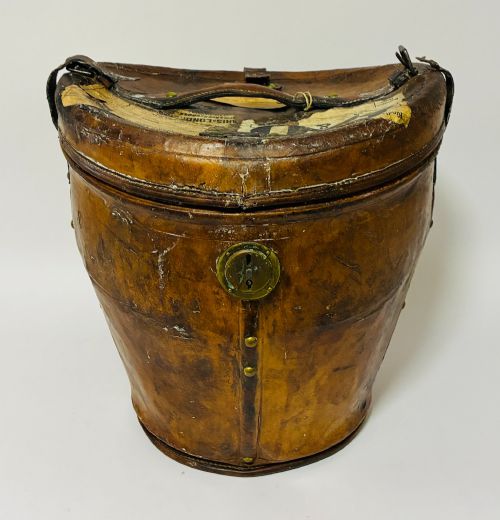
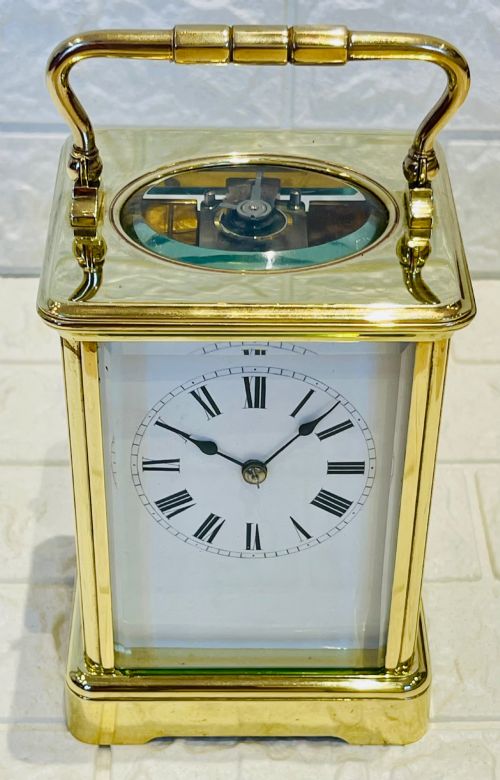
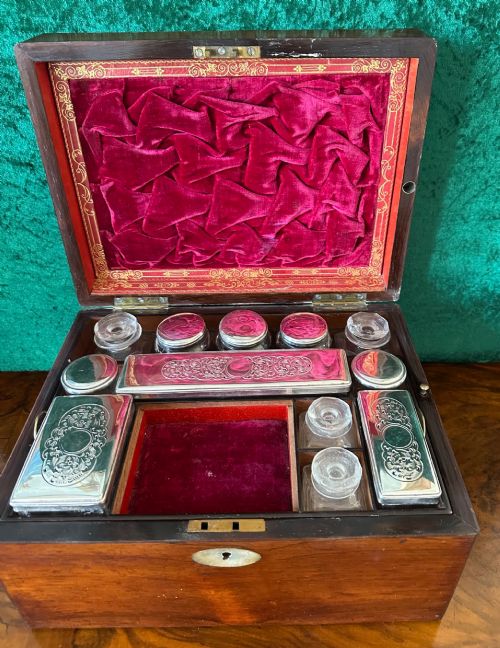
A victorian travel case encompasses a diverse range of portable containers designed to transport personal belongings securely across land and sea during the nineteenth century and into the early twentieth century. These objects include fitted dressing and vanity boxes, rugged campaign chests, leather hat boxes, and robust outer cases made specifically to protect delicate items like carriage clocks and barometers.
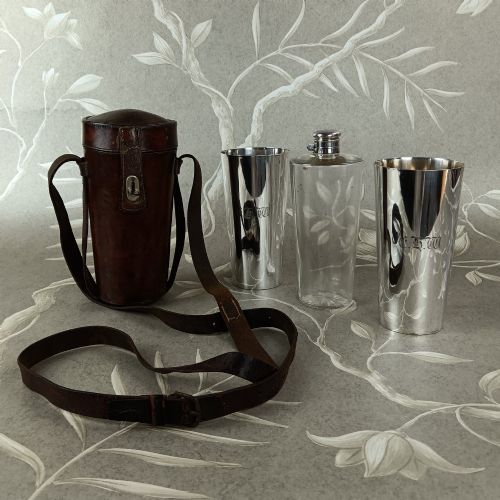
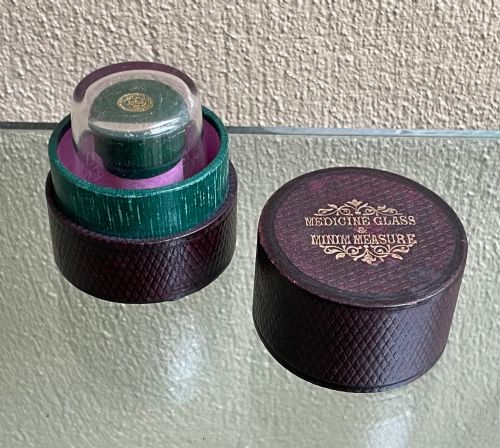
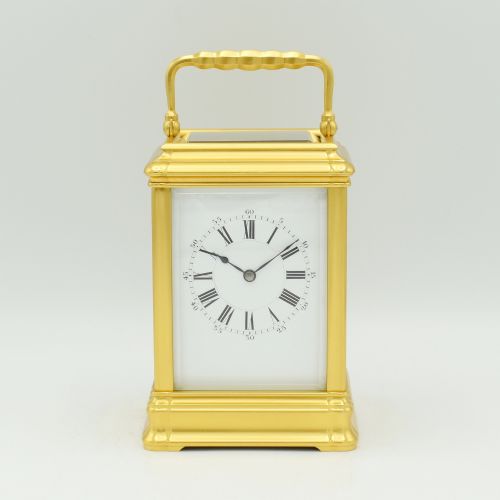
On this page, you are most likely to encounter leather storage boxes, fitted wooden vanity cases lined with velvet, and brass-framed carriage clocks complete with their original travel cases. Form follows function closely here, ranging from small medicine glass holders and spirit sets to large trunks and multi-top hat cases.
The periods represented span the nineteenth century, with strong representation from the Victorian era alongside Edwardian and French examples. Makers utilised durable materials to ensure these items survived the rigours of transit while maintaining an air of elegance upon arrival at a destination.
How they were made
Makers constructed these pieces using a combination of sturdy structural woods like mahogany, burr walnut, and coromandel, heavily reinforced with brass hardware, locks, and corner brackets to withstand transit. Outer layers of thick leather protected delicate interiors while inner fittings of velvet, silk, and leather securely cradled glass bottles, silver flasks, and precision timepieces.
Metalwork played a vital role, featuring cast brass, silver plate, and sterling silver for internal instruments, spirit flasks, and mechanical clock movements housed within gilt brass gorge cases. Craftsmanship relied on precise joinery, custom compartments, and specialised leather stitching to ensure every portable item remained firmly in place during movement.
Listings feature items spanning the Victorian period, Edwardian era, and Georgian times, constructed from brass, glass, leather, and silver plate.
What varies in quality
The degree of internal completeness largely separates ordinary utility pieces from the finest examples, particularly when original glass bottles, silver tops, and matching cutlery sets remain intact within a fitted box. The sophistication of the mechanism and casing, such as fully engraved gilt brass clock movements or intricate coromandel and parquetry veneer work, also dictates the upper tier of the range.
Maker reputation introduces another layer of distinction, as pieces bearing signatures from established houses like Henri Jacot, James Dixon & Sons, or F. West command greater appreciation for their superior finish and precision engineering. The survival of original outer protective leather travel cases for carriage clocks adds considerable integrity to a piece.
Henri Jacot·James Dixon And Sons·F. West·Pickford Of London·Drocourt Paris·Antoine Redier·Margaine·Jane Brownett Alexander Jones·S. Maw Son And Thompson·Asprey·Mappin Brothers·Lincoln Bennett
The Victorian Travel Case Glossary
- Campaign case
- A portable container or chest designed for military officers on active service, featuring recessed brass handles and robust construction for field transport.
- Carriage clock
- A small, spring-driven clock made for travelling during the nineteenth century, frequently housed in a brass and glass case with a carrying handle.
- Dressing case
- A fitted box containing compartments for grooming tools, perfume bottles, and vanity accessories, often lined with velvet or leather.
- Gorge case
- A stepped brass frame characteristic of better quality nineteenth-century carriage clocks.
- Parquetry
- Geometric mosaic woodwork used to decorate the exterior surfaces of luxury boxes and vanity cases.
Victorian Travel Case: Frequently Asked Questions
How were travel cases used?
These cases served to protect and organise personal possessions while moving between residences, hotels, or during military campaigns. Gentlemen and ladies relied on them to transport clothing, writing materials, medicines, and grooming apparatus in an orderly fashion.
Clocks and barometers featured dedicated travel cases to shield delicate movements from the vibrations of carriages and trains. Upon arrival, the cases functioned as portable bureaus or vanity stations.
How do I care for antique leather?
Antique leather requires gentle cleaning and protection from direct sunlight and excessive dryness to prevent cracking over time. Natural leather balms help maintain the suppleness of nineteenth-century hides without altering their historic patina.
Internal velvet and silk linings benefit from careful dusting with soft brushes rather than liquid cleaners. Keeping these pieces in stable indoor environments preserves both the leather and the wooden structures beneath.
How do I identify a campaign piece?
Campaign pieces are identified by utilitarian design elements aimed at efficient packing, transport, and field use. Look for flush-fitting brass handles, reinforced corners, and modular construction that allowed large chests to separate into manageable sections.
Materials were chosen for durability against moisture and rough handling, distinguishing them from domestic furniture and standard stationary boxes.