





Victorian Tobacco Container
A victorian tobacco container is a solid, tactile piece designed to preserve leaf, twist or cut.
Victorian Tobacco Container
When you search for a victorian tobacco container, you encounter an array of utilitarian vessels designed for personal indulgence during the nineteenth century. These items encompass carved linden wood humidor jars, pottery figures, and smaller pocket or table receptacles meant for leaf and twist.
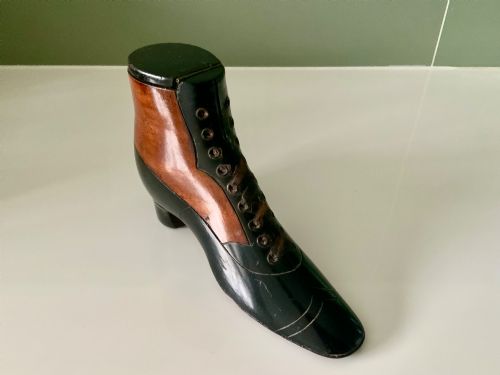
The selection here draws heavily from nineteenth century styles, featuring Black Forest linden wood animal carvings, Staffordshire pottery vessels, and turned mahogany or amboyna boxes. Makers across England, Scotland, and Germany shaped these receptacles from local timber, horn, and metal to suit the smoking habits of the period.
Materials and Techniques
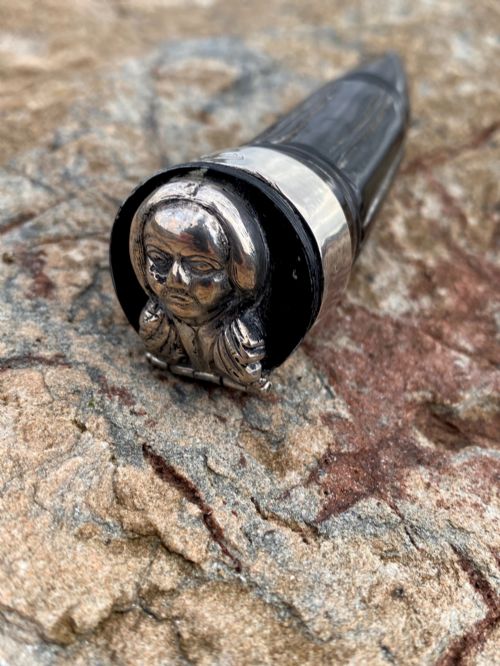
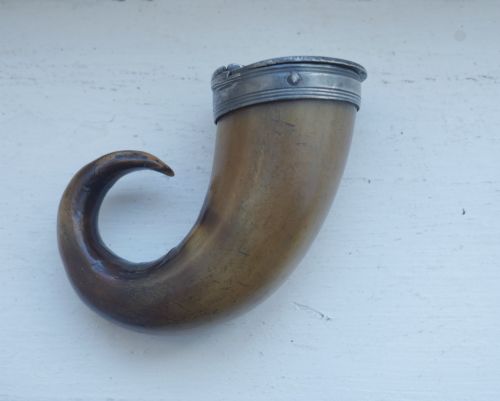
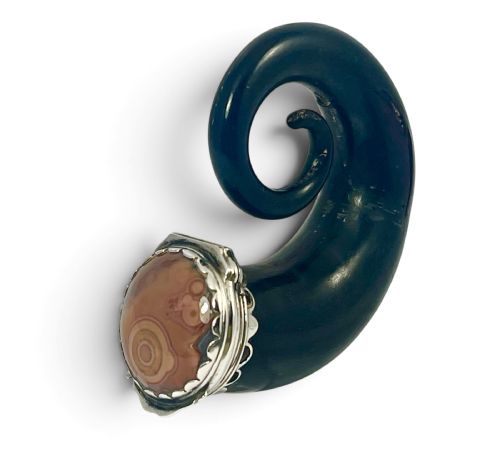
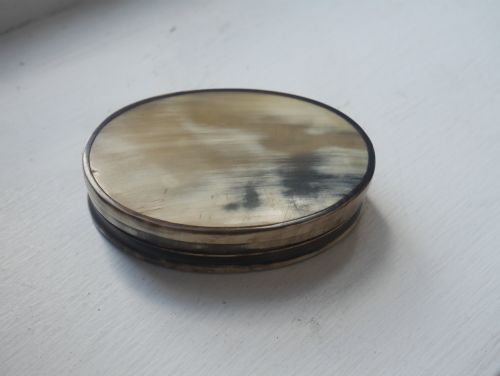
Craftsmen utilised organic materials such as horn, tortoiseshell, coquilla nut, and hardwoods like mahogany and amboyna, often turning them on a lathe or carving them by hand. Animal horn was heated and pressed into moulds or shaped into Scottish mulls mounted with sterling silver.
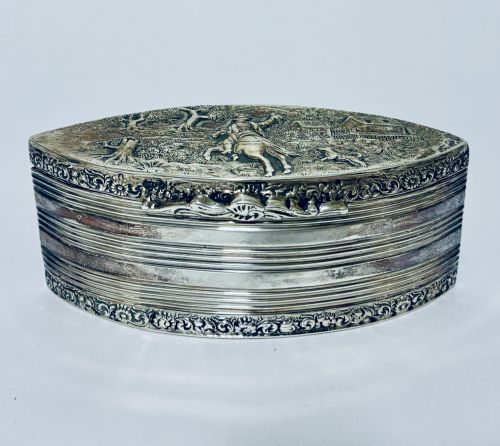
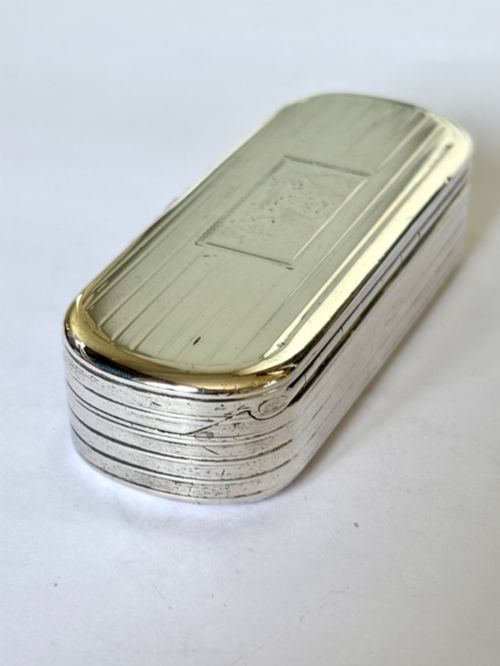
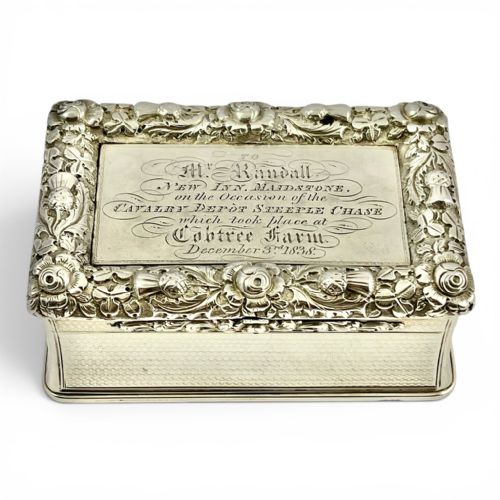
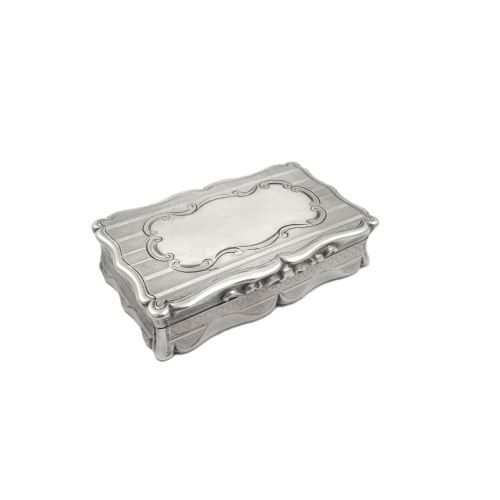
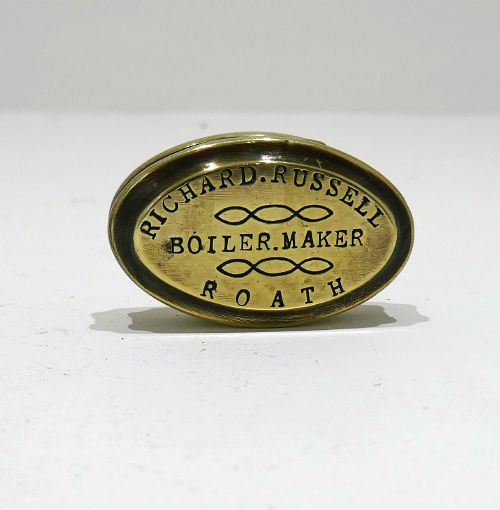
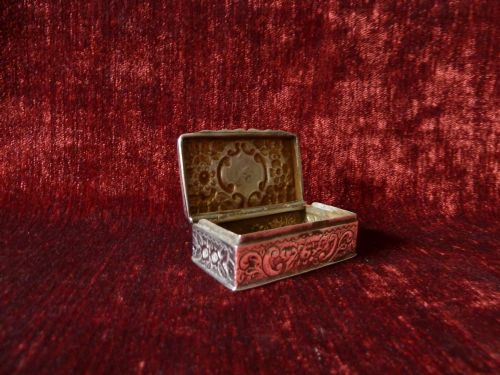
Metal containers rely on silver, brass, and pewter, frequently embellished through engraving, silver gilding, or repoussé work. Potters and ceramicists shaped earthenware and porcelain into figural jars and covers, adding hand-painted decoration to complete the piece.
Victorian Tobacco Container Retail Price Guide 2026
Typical asking prices for victorian tobacco container among the pieces listed under this phrase on Sellingantiques today, from the lower quarter to the upper quarter. They describe what is for sale here now, not the wider market.
One wooden box is carved in the literal shape of a hand holding a pinch of tobacco.
Judging Quality
Quality rests upon the crispness of the carving, the integrity of the hinges and lids, and the depth of the material's natural patina. A finely detailed Black Forest bear or a sharply engraved silver box displays superior handwork compared to a plain production piece.
The choice of materials also dictates standing, with precious metals, tortoiseshell, and multi-wood inlay demanding greater skill from the maker. Wear should look natural to the age of the object, preserving the texture and character of the wood or metal.
Nathaniel Mills·Robert Thornton·Wright and Davies·Frederick Mason
The Victorian Tobacco Container Glossary
- Snuff Mull
- A receptacle for holding powdered tobacco, typically fashioned from animal horn and mounted with silver.
- Humidor
- A moisture-controlled box or jar designed to keep cigars and tobacco leaf in optimal condition for smoking.
- Treen
- Small domestic wooden objects made by turning or carving, valued for their tactile quality and historical grain.
- Pique work
- A decorative technique involving tiny points of gold or brass inlaid into tortoiseshell or horn.
- Silver Gilt
- Silver objects that have been coated with a thin layer of gold on the surface, adding a rich tone.
Victorian Tobacco Container: Frequently Asked Questions
What is a victorian tobacco container used for?
These vessels served to store leaf, twist, or cut tobacco, keeping the contents dry and ready for a pipe or cigar.
Many designs sat on a desk or table for everyday use, while smaller pocket versions accompanied the owner outdoors.
How do I care for wooden tobacco containers?
Keep wooden and treen pieces away from direct heat sources and extreme changes in humidity to prevent splitting.
Apply a light microcrystalline wax occasionally to protect the patina without building up a heavy residue.
Are horn containers fragile?
Scottish horn and tortoiseshell are resilient materials, but they remain sensitive to dry atmospheres and harsh sunlight.
Handle them with care to avoid cracking the silver mounts or the delicate edges of the horn.
How do I know if silver boxes are genuine Victorian?
Examine the piece for British hallmarks, which typically include a city mark, a standard mark, and a date letter.
Matching the maker's mark against historical records confirms the exact decade and workshop of origin.