





Victorian Timekeeper
A victorian timekeeper marks the hours in brass, mahogany, and enamel, bringing mechanical precision and distinct period design to a room.
Victorian Timekeeper
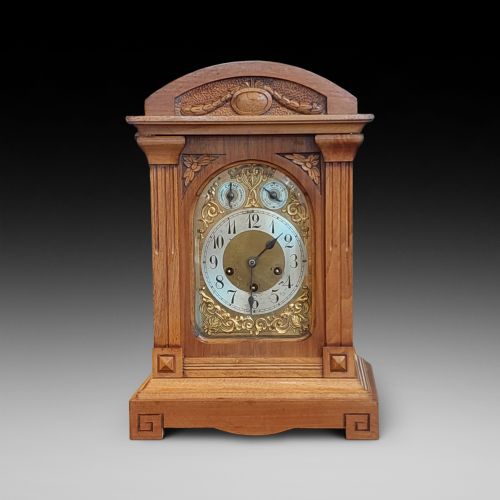
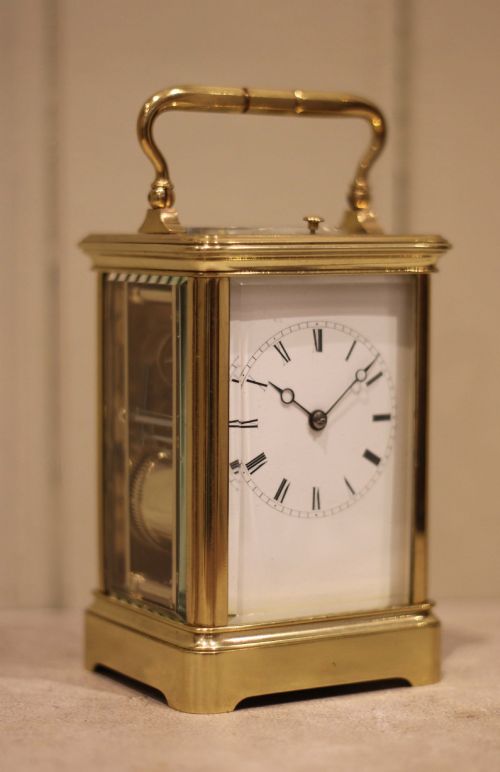
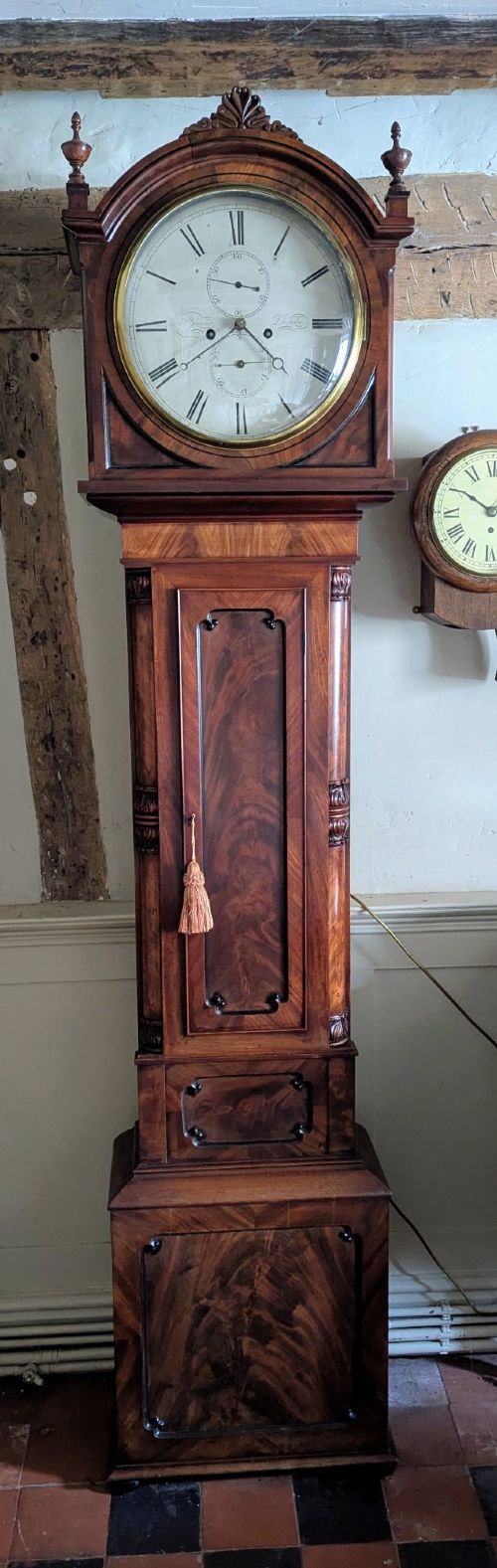
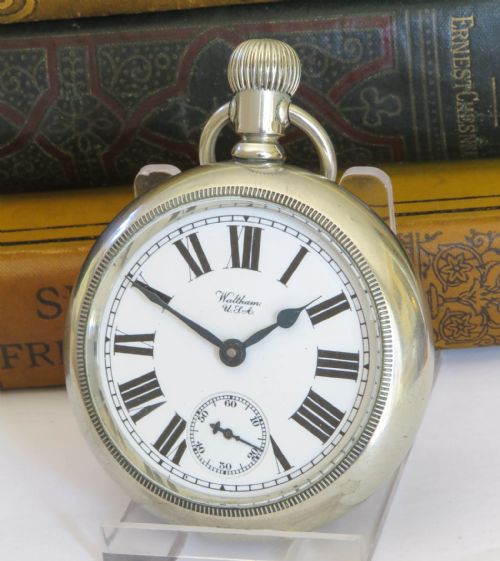
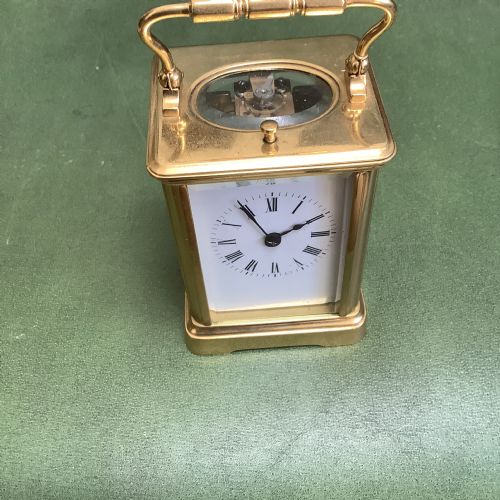
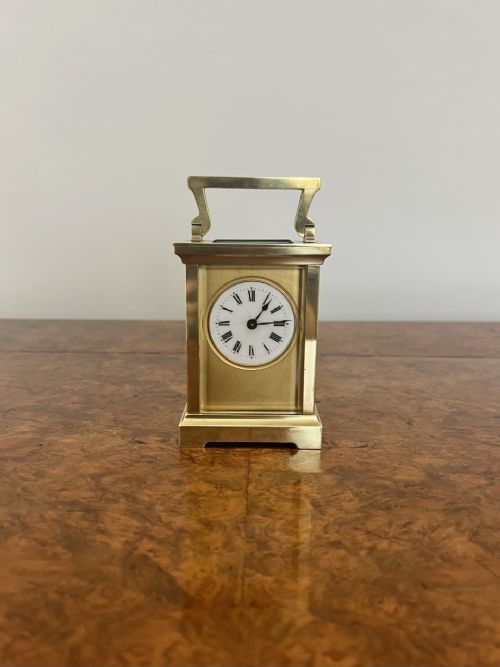
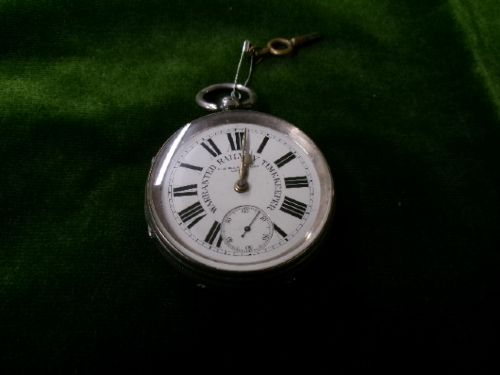
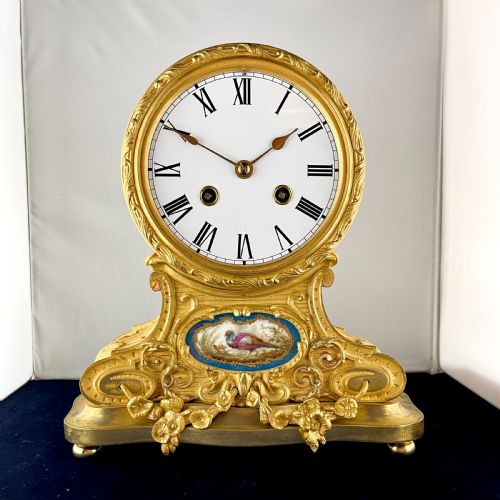
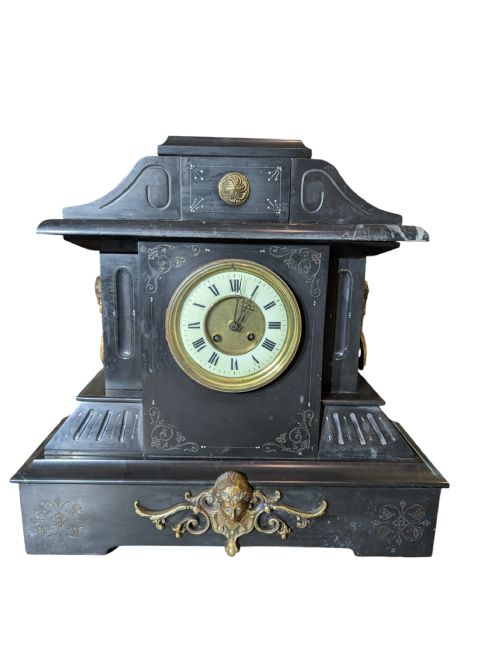
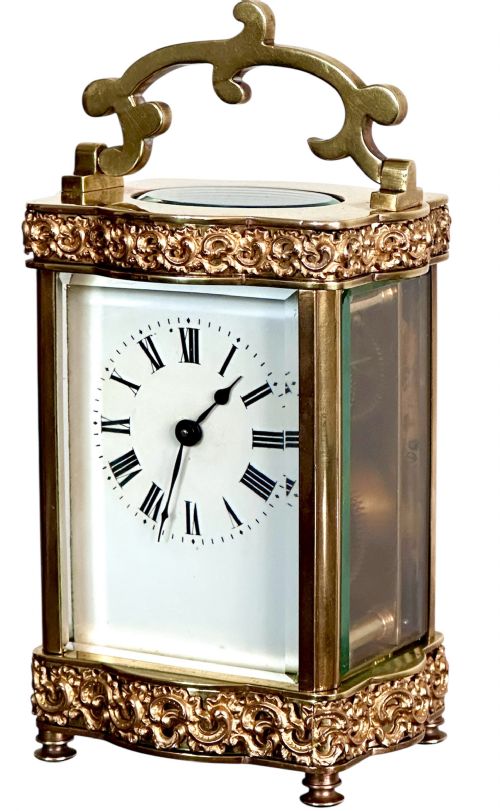
A victorian timekeeper encompasses a diverse selection of mechanical horology, ranging from portable pocket watches to substantial longcase and wall clocks. These objects served essential domestic and professional functions in the nineteenth century, recording time through pendulum movements, fusee mechanisms, and escapements. Buyers searching for a victorian timekeeper frequently encounter carriage clocks housed in brass gorge cases alongside domestic mantel clocks and railway timekeepers.
The selection on this page draws heavily from British and French workshops active across the nineteenth century. Mantel clocks and wall clocks appear in mahogany, walnut, and oak casings, while travel pieces utilise gilt brass, bronze, and glass panels. Whether domestic or portable, each piece reflects the prevailing styles of the era, including French rococo revival and Louis XVI revival alongside utilitarian railway designs.
Materials and construction methods
Horologists built these pieces using durable metals for internal gear trains, housing them in timber casings or cast metal frames. Brass, steel, and gilt bronze formed the mechanical hearts and external mounts of carriage clocks and mantel timekeepers, while timber such as mahogany, walnut, and oak provided sturdy housings for wall and bracket clocks.
Dials frequently incorporated white enamel with Roman numerals, protected behind bevelled glass panes. Cases featured precision engraving, fire gilding, and marble inserts, combining heavy structural metals with delicate decorative finishes.
Victorian Timekeeper Retail Price Guide 2026
Typical asking prices for victorian timekeeper among the pieces listed under this phrase on Sellingantiques today, from the lower quarter to the upper quarter. They describe what is for sale here now, not the wider market.
Listings for a victorian timekeeper span materials from walnut and mahogany to gilt bronze, brass, and white enamel.
Distinguishing quality and execution
Quality in a victorian timekeeper is evident in the execution of the movement and the crispness of the case work. Finer examples feature signed movements with striking or repeating complications, housed in heavy gilt brass or finely carved timber cabinets rather than plain mass-produced casings.
The degree of hand-engraving on carriage clock cases and the integration of enamel panels separate standard production pieces from workshop highlights. Superior execution extends to the weight of the metal components and the refinement of the dial layout.
Pickford of London·Drocourt Paris·Margaine Of France·Brunelot·Duverdrey and Bloquel·J Batson and Son·Piggin Norwich·Bishop Bournemouth·Samuel Marti·J Lyndsey·Dent of London
The Victorian Timekeeper Glossary
- Carriage clock
- A portable spring-driven timepiece designed for travel, typically fitted with a swing handle and glass panels. These clocks emerged in France during the nineteenth century and often feature brass gorge cases.
- Fusee
- A conical pulley used in mechanical clocks and watches to maintain even force on the gear train as the mainspring unwinds. This mechanism ensures consistent timekeeping throughout the power reserve.
- Mantel clock
- A clock designed to sit on a fireplace mantel or shelf, housed in marble, bronze, or timber. These pieces often incorporate striking mechanisms to mark the hours.
- Pocket watch
- A portable watch designed to be carried in a pocket, frequently secured with a chain. Examples from this era include railway timekeepers and full hunter gold cases.
- Striking and repeating
- A complication that sounds the hours and sometimes the quarters automatically, or repeats the last struck hour upon pressing a button. This mechanism requires intricate gear trains within the movement.
Victorian Timekeeper: Frequently Asked Questions
How do I wind a carriage clock?
Insert the key into the winding arbor located on the underside or backplate of the movement. Turn it gently clockwise until you feel resistance, taking care not to over-wind the mainspring.
Most nineteenth-century portable clocks operate on an eight-day movement and require attention once a week. Keep the regulating lever in its neutral position to maintain accurate timekeeping.
What is a fusee movement?
A fusee is a conical pulley connected to the mainspring via a fine chain or cord. As the spring unwinds and loses power, the chain moves to a wider part of the cone, maintaining constant torque on the escapement.
This system corrects for the drop in power inherent in coiled springs, resulting in superior timekeeping accuracy across the duration of the wind.
Where should I place a marble mantel clock?
Position these heavy stone timepieces on a stable, level surface such as a heavy sideboard or a dedicated mantel shelf. Marble and slate housings provide a solid foundation for pendulum movements but require solid support due to their weight.
Avoid placing them in areas subject to direct sunlight or damp conditions, which can affect the metal components and dial enamel over time.
How do I identify a railway pocket watch?
Railway timekeepers feature clear white enamel dials with bold Arabic or Roman numerals designed for rapid legibility. Inscriptions on the dial or movement often reference railway companies or bear government assay marks.
These watches were built to strict standards for timekeeping reliability under demanding operational conditions.