



Victorian Tilt Mirror
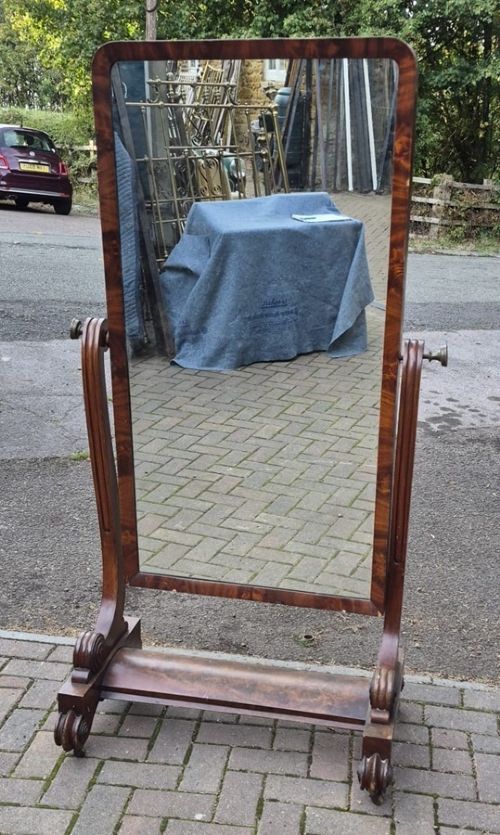
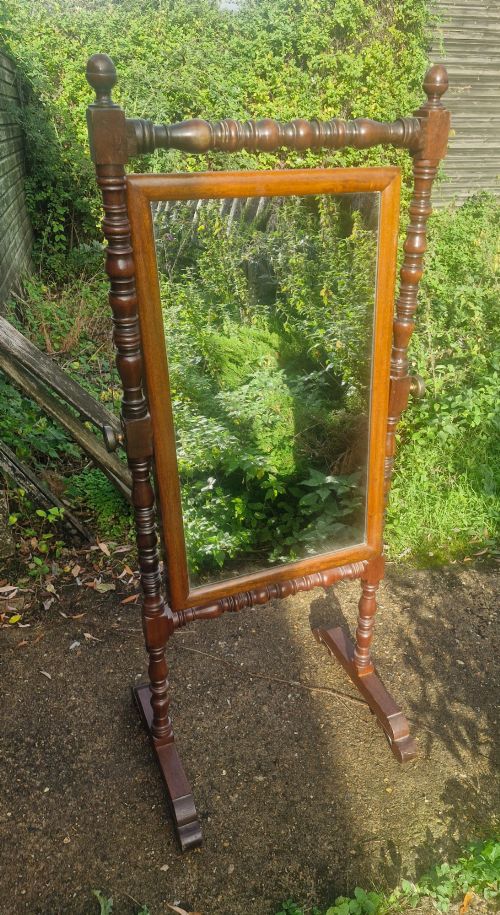
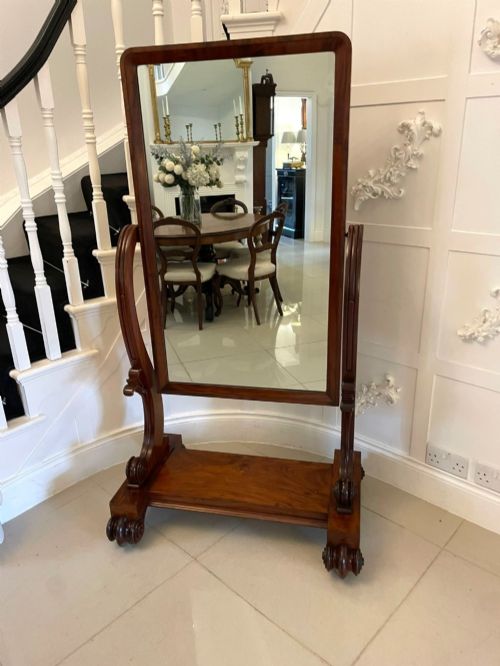
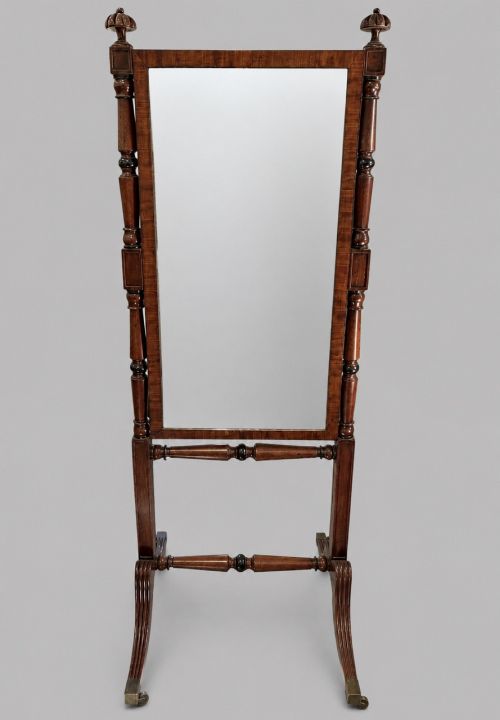
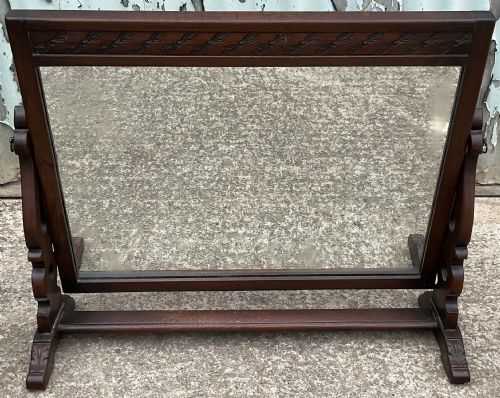
These victorian tilt mirror pieces are substantial floor-standing or table-top dressing glasses designed to adjust angle, bringing functional elegance to period bedrooms.
Victorian Tilt Mirror
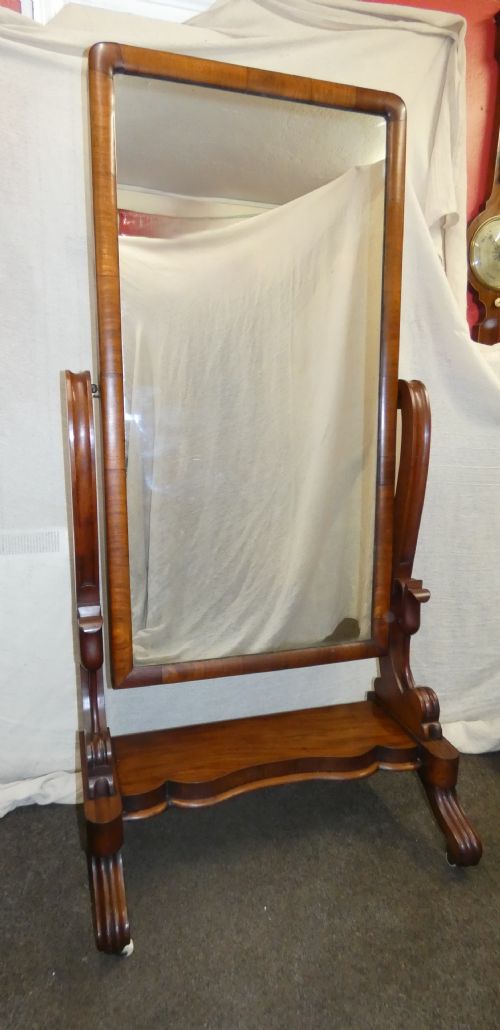
A victorian tilt mirror is primarily represented on this page by large floor-standing cheval mirrors and table-top dressing glasses that pivot within a frame. These pieces originate from the 19th century, Victorian, Regency, and Edwardian periods, with occasional variations spanning into the 1920s and 1930s.
The dominant material format you are likely to meet is mahogany, including flame mahogany, alongside examples in oak, pitch pine, and brass fittings. Forms range from full-length cheval dressing mirrors to adjustable toilet mirrors designed for placement on dressing tables.
How they were made
Construction relies heavily on timber framing, predominantly utilising solid and veneered mahogany, oak, and pitch pine to support the central glass plate. Frames are frequently mounted on upright standards with pivot mechanisms that allow the mirror to tilt.
Metal components such as brass sabots, castors, and adjustable screws are integrated to facilitate movement and mobility. Glass plates are set within swing frames, supported by sabre legs or turned floor-standing bases.
Victorian Tilt Mirror Retail Price Guide 2026
Typical asking prices for victorian tilt mirror among the pieces listed under this phrase on Sellingantiques today, from the lower quarter to the upper quarter. They describe what is for sale here now, not the wider market.
Periods represented span from Regency and William IV through Victorian to Edwardian and the 1930s.
What varies in quality
Quality separates through the selection of timber figure, such as the depth of grain seen in flame mahogany versus standard mahogany or oak. The sophistication of the base construction, including sabre legs with brass sabots and castors, distinguishes finer workshop output.
Proportion and scale also define the hierarchy, ranging from neat Regency formats to large, bespoke floor-standing swing mirrors. The integration of solid oak or pitch pine structures versus simpler framing indicates the intended grade of the original commission.
The Victorian Tilt Mirror Glossary
- Cheval mirror
- A large floor-standing swing mirror supported by four legs or a frame. These tall glasses allow a full-length view.
- Tilt mirror
- A mirror plate mounted on pivots that lets the user adjust the angle of reflection. This mechanism sits within a static frame.
- Flame mahogany
- A veneer cut from the branch junction of the mahogany tree, showing a distinctive flickering flame pattern. Cabinet makers used this for decorative impact on primary surfaces.
- Sabot
- A metal sleeve or cap fitted to the foot of a furniture leg. Brass examples often incorporate castors for mobility.
Victorian Tilt Mirror: Frequently Asked Questions
What is a cheval mirror?
A cheval mirror is a full-length floor-standing swing mirror that pivots within a vertical frame. It allows a person to view their entire outfit.
These pieces were traditionally used in bedrooms and dressing rooms during the nineteenth and early twentieth centuries.
How do tilt mirrors work?
Tilt mirrors operate on a pivot system, usually with thumbscrews or pins on either side of the glass frame. This allows the user to angle the mirror forward or backward.
The mechanism requires steady side posts to hold the glass at the chosen angle.
Where were these mirrors placed?
Larger cheval mirrors stood directly on the floor in bedrooms or dressing areas. Smaller versions, often called toilet mirrors, sat on top of dressing tables.
Floor-standing models frequently featured castors to make repositioning easier.
How do I identify a Victorian mirror?
Victorian mirrors often feature mahogany framing, turned uprights, and specific period joinery. Stylistic markers from this era include sturdy floor-standing bases and rich timber finishes.
Comparing the wood type and foot style helps distinguish Victorian pieces from Regency or Edwardian examples.