



Victorian Tiles
These Victorian tiles bring decorative ceramic art into daily use, forming robust focal points within washstands, hall furniture and framed panels.
Victorian Tiles
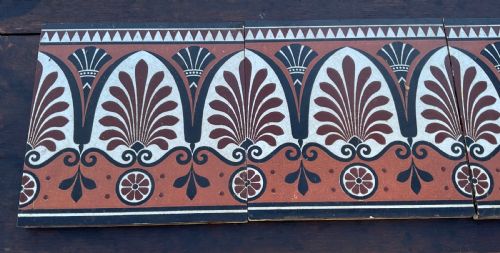
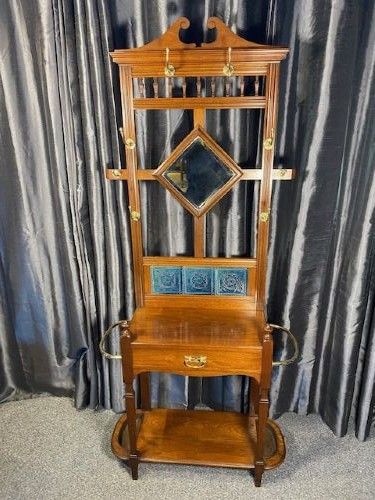
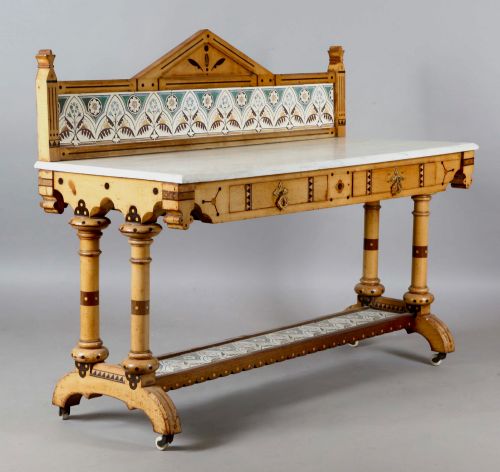
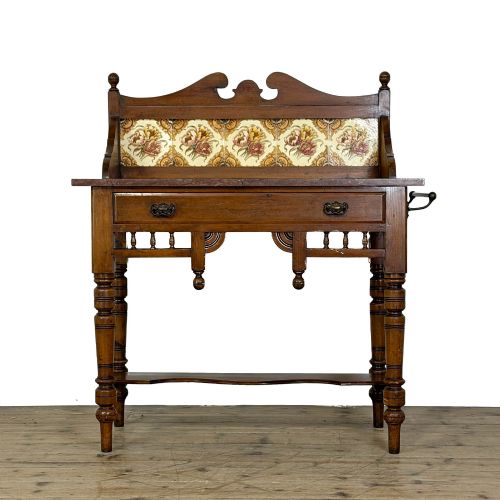
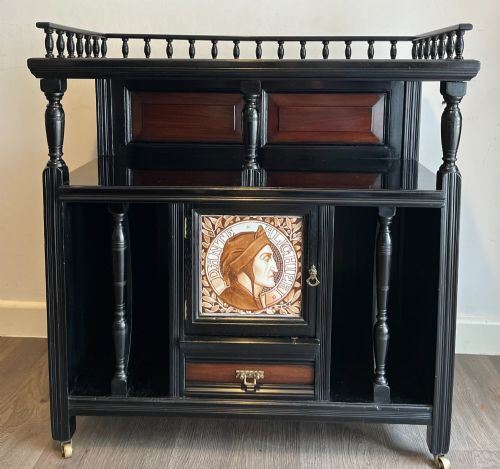
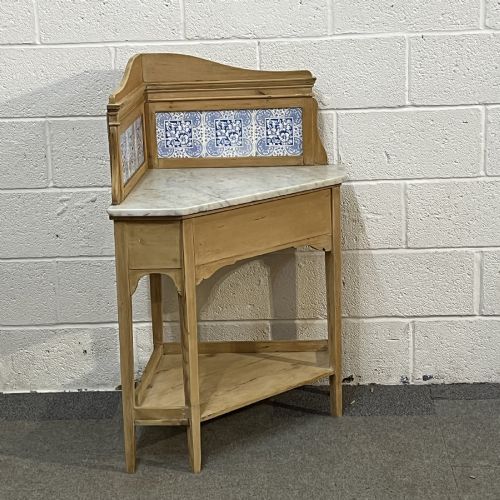
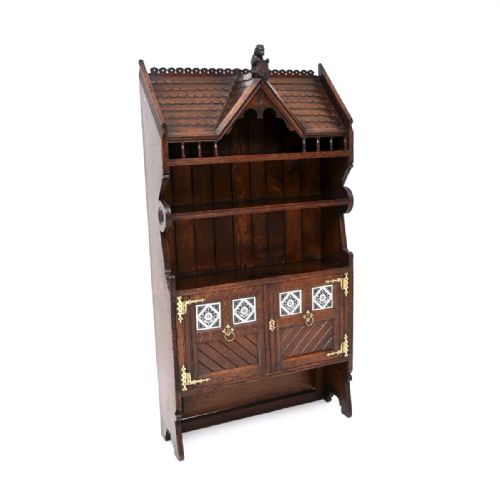
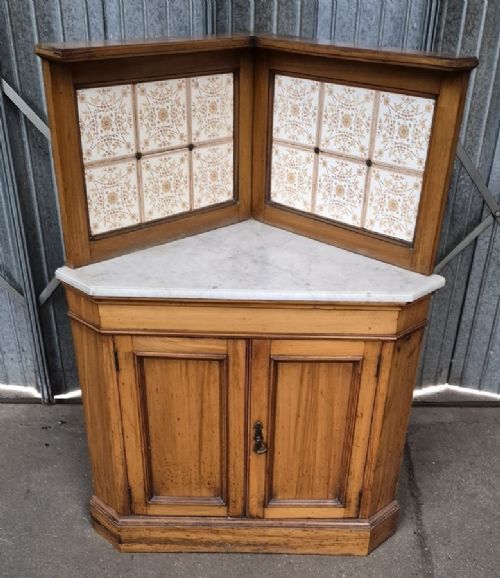
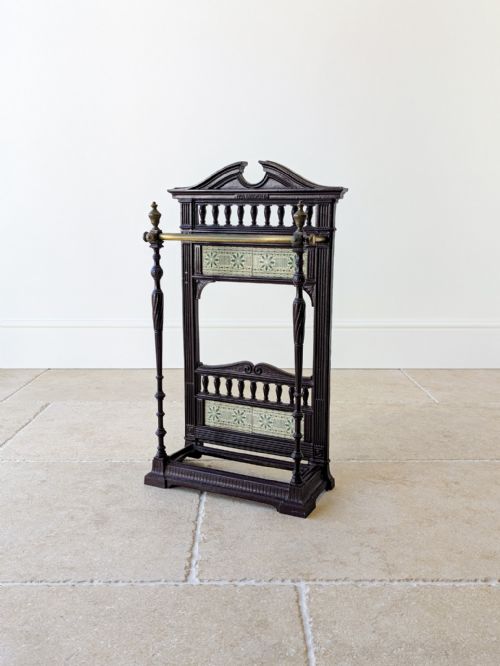
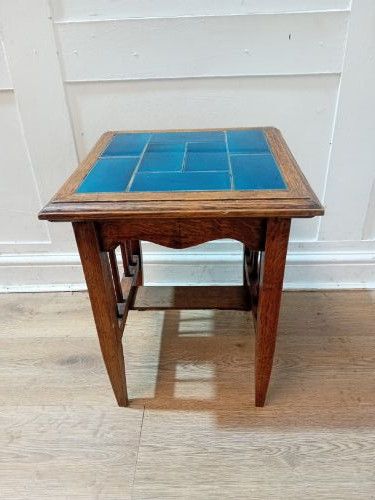
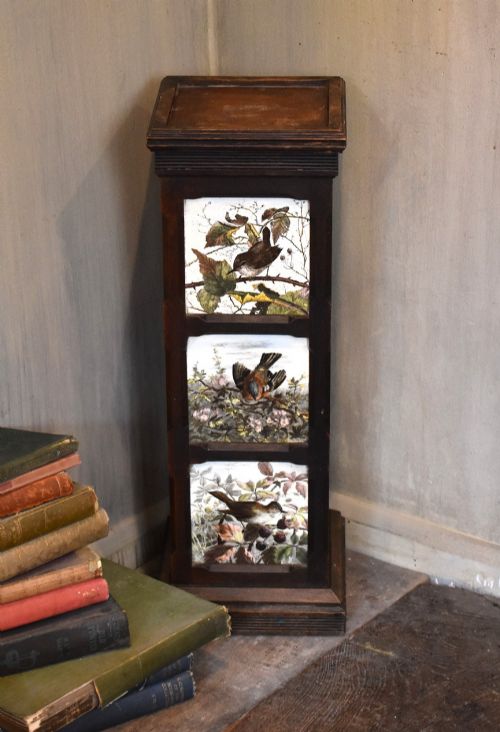
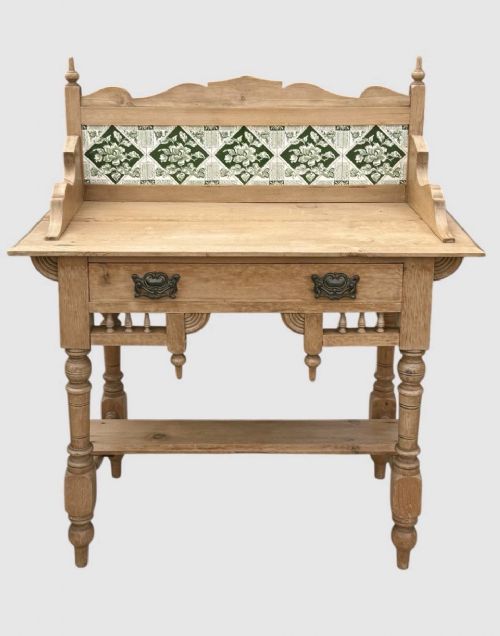
Victorian tiles appear across this page embedded in functional furniture such as washstands, hall stands and side tables, or mounted directly as wall art. The selections range from straightforward utility pieces to elaborate aesthetic designs produced during the nineteenth century and the Edwardian era.
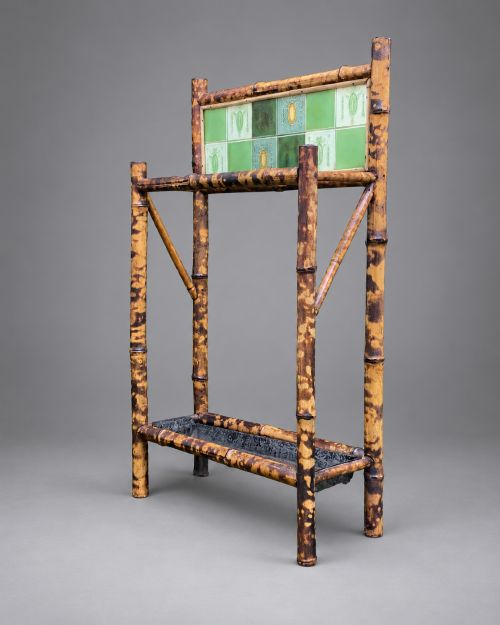
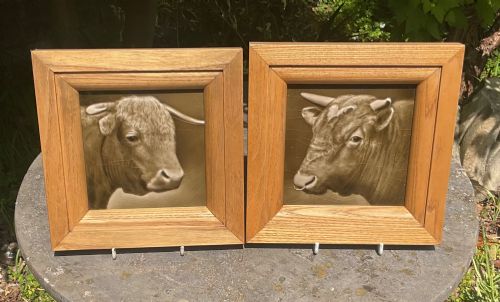
Ceramic forms dominate the evidence, featuring prominently alongside marble tops, oak frames, and mahogany structures. Buyers encounter these decorative panels integrated into umbrella stands and jardinieres, as well as presented independently as framed pairs or boxed calendars.
Stylistic influences stretch from Reformed Gothic and Aesthetic Movement compositions to Arts and Crafts creations. These groupings demonstrate how durable ceramic panels served to elevate domestic utility furniture through printed or painted imagery.
Materials and production
Potteries utilised durable ceramic bases finished with rich glazes, including Majolica techniques that produced deep, reflective colour surfaces. These tiles were then set within solid timber surrounds like oak, walnut and mahogany, or mounted into cast iron stands.
Makers applied varied artistic methods, combining transfer printing with hand-painted details to render figures, animals and botanical motifs. The resulting ceramic panels were secured into washstands, side tables and wall frames using traditional joinery and brass fittings.
Victorian Tiles Retail Price Guide 2026
Typical asking prices for victorian tiles among the pieces listed under this phrase on Sellingantiques today, from the lower quarter to the upper quarter. They describe what is for sale here now, not the wider market.
Listings feature items spanning the Victorian, Edwardian, and 19th Century periods, constructed from ceramic, brass, marble, oak, mahogany, glass, metal, and glaze.
Standards of execution
Quality rests upon the clarity of the ceramic transfer or the precision of the hand-painted glaze work. Stronger examples display crisp lines, balanced palettes and detailed figural subjects that remain clear beneath their protective glaze.
The degree of integration between the ceramic tile and its host object also separates standard production from finer work. Superior pieces unite specialised pottery panels with well-figured timbers, cast iron or marble, maintaining structural integrity alongside artistic ambition.
Charles Bevan·John Moyr Smith·Coalbrookdale·Walker And Sons·Sherwin And Cotton·Minton Hollins·Eugene Battaille·Ellen E Houghton
The Victorian Tiles Glossary
- Aesthetic Movement
- A late nineteenth-century design style that emphasised visual beauty over narrative subject matter, often incorporating Japanese motifs and stylised natural forms. It frequently appeared on tiles and decorative arts of this period.
- Majolica
- A type of pottery glaze known for its vibrant, opaque colours and glossy finish over a tin-glazed earthenware body. These panels were used to add colour to jardinieres and decorative furniture.
- Reformed Gothic
- An architectural and decorative style from the Victorian era that reinterpreted medieval forms with geometric simplicity and linear patterns. It often informed the structural framework of washstands and hall furniture.
- Arts and Crafts
- A design movement valuing traditional craftsmanship, simple forms and natural materials over mass production. It influenced the construction of oak furniture and tile-topped side tables.
- Washstand
- A domestic piece of furniture designed to hold a basin, jug and toilet accessories, frequently incorporating marble tops and ceramic tiles to protect against water splashes.
Victorian Tiles: Frequently Asked Questions
How were these tiles used?
These ceramic pieces functioned primarily as protective, decorative splashbacks on washstands and hall stands where water or dampness occurred. They also served as standalone wall art, table inserts and fireplace panel decorations.
Makers integrated them into furniture to combine everyday domestic utility with colourful artistic expression. Over time, many tiles outlived their original wooden mounts or remained fixtures within surviving Victorian furniture.
How do I clean tile furniture?
Maintain the ceramic surfaces using a soft cloth dampened with mild soapy water, avoiding harsh abrasives that might scratch the glaze. Keep timber frames nourished with appropriate furniture wax applied sparingly.
Ensure moisture does not linger around the edges where the tile meets the wood or marble surround. Gentle care preserves both the original glaze and the surrounding Victorian timber structure.
How do I identify periods?
Dating relies on stylistic clues, construction methods and registered patent marks found on the pottery or ironwork. Aesthetic Movement and Reformed Gothic pieces typically date from the late nineteenth century, whilst Edwardian examples show lighter woods and different floral motifs.
Maker stamps on the reverse or front of the tiles provide precise attribution to potteries active during specific decades. Comparing timber types and hardware details further clarifies the manufacturing era.
Can I replace a broken tile?
Sourcing an exact period replacement requires matching the specific size, maker, and glaze technique of the original installation. Because many designs were proprietary to particular potteries like Minton or Sherwin and Cotton, exact matches are uncommon.
Most collectors prefer to preserve pieces in their original condition rather than introducing modern replacements. The historical integrity of a washstand or framed panel depends upon its period components remaining intact.