



Victorian Tiered Side Cabinet
These Victorian tiered side cabinet pieces combine display and storage, bringing nineteen-century timberwork and multi-tier utility into your rooms.
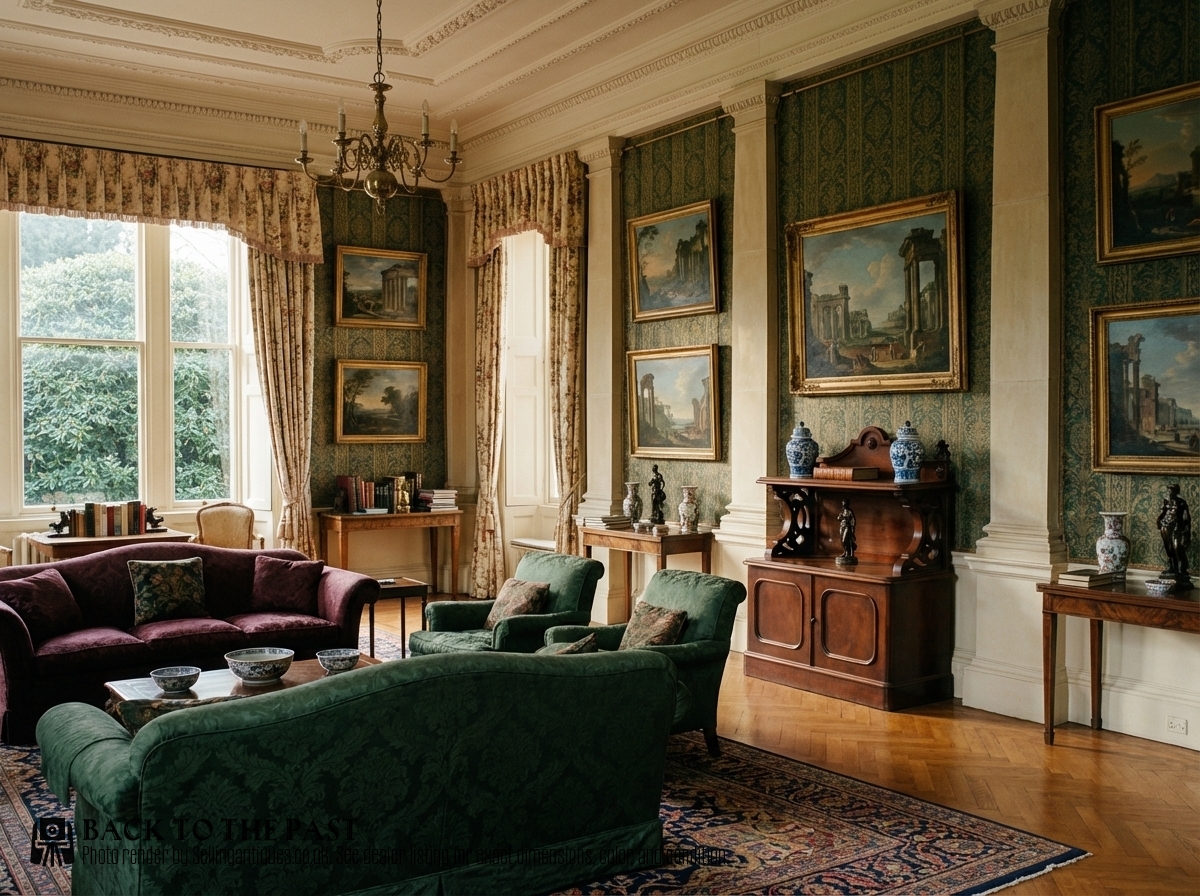
Victorian Tiered Side Cabinet
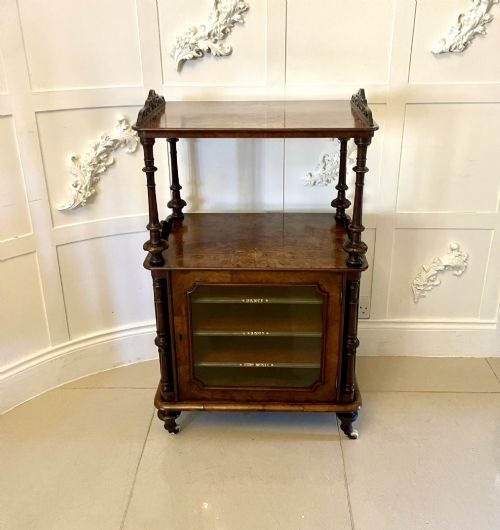
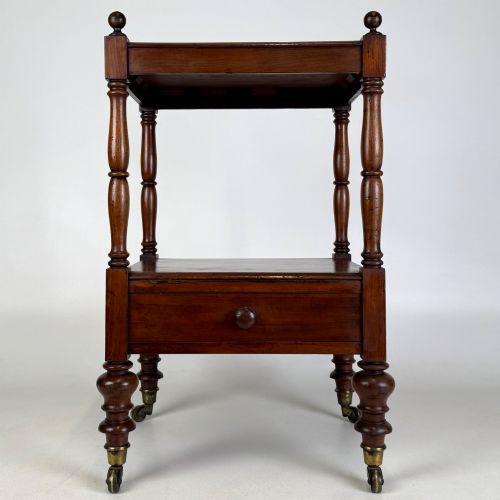
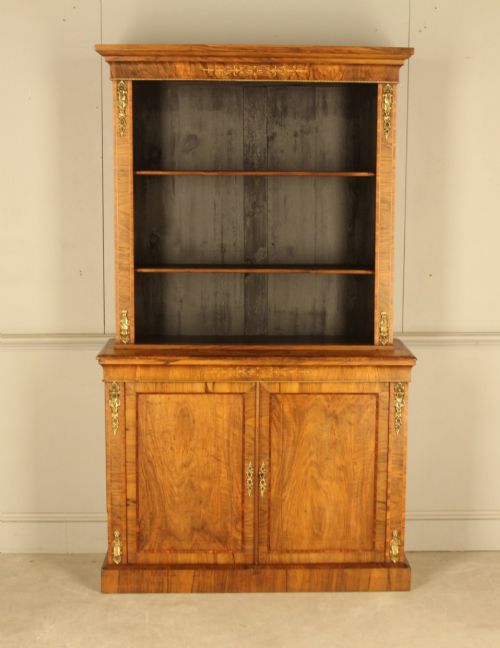
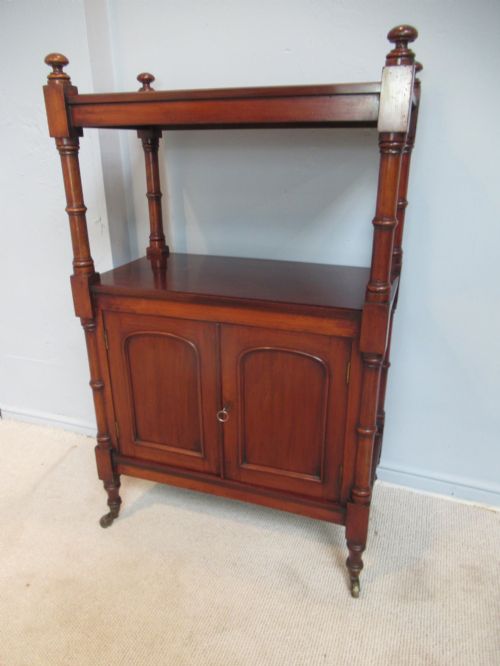
When you search for a victorian tiered side cabinet, you are looking at multi-level furniture designed to hold books, sheet music, display items, or general household goods. These pieces bridge the gap between open shelving and enclosed storage, offering shelves or tiers above a lower cabinet or drawer section.
The versions you meet most frequently on this page span the nineteenth century, including specific decades from the eighteen-sixties through the eighteen-nineties. They take various forms such as whatnots, music cabinets, chiffoniers, and two-tier occasional tables.
Makers and designers of the period utilised styles ranging from the Aesthetic Movement and Japonisme to French Revival and Arts and Crafts. This variety ensures that whether you need a tall display piece or a compact bedside surface, the fundamental tiered layout remains practical.
How they were made
Cabinet makers constructed these pieces primarily from timbers such as mahogany, walnut, burr walnut, rosewood, and satinwood, often accentuating the grain with polished finishes. Inward elements sometimes incorporated tiger bamboo or lacquered surfaces for specific stylistic movements.
Decoration relied heavily on marquetry inlay, ebony stringing, and gilt mounts or ormolu details to elevate the visual weight of the timber. Metalwork in brass supported handles, hinges, and occasional tier supports, combining structural strength with decorative contrast.
Among the tiered options sits a solid walnut coal purdonium built in a distinct Puginesque style.
What varies in quality
Quality rests in the selection of veneer and timber, particularly where burr walnut or figured mahogany displays complex grain patterns across large flat surfaces. Superior examples demonstrate precision in the execution of marquetry inlay and the neat alignment of ebony stringing.
The joinery of the tiers, uprights, and internal drawers determines the structural integrity of the piece over time. Refined execution shows in the stability of multi-tier assemblies and the careful fitting of doors, handles, and brass mounts.
Gabriel Viardot·Liberty and Co·E W Godwin
The Victorian Tiered Side Cabinet Glossary
- Whatnot
- An open set of shelves for displaying ornaments, books, or bric-a-brac, often built with multiple tiers supported by slender columns.
- Chiffonier
- A low sideboard or cabinet with a cupboard base and frequently a small shelf or tier superstructure above.
- Marquetry
- Decorative woodwork where pieces of contrasting veneer are fitted into a timber ground to form geometric or pictorial patterns.
- Purdonium
- A specialised coal cabinet or box designed to hold fuel for domestic hearths, often styled to match reception room furniture.
- Japonisme
- A late nineteenth-century design influence reflecting the popularity of Japanese art and motifs in European decorative arts.
Victorian Tiered Side Cabinet: Frequently Asked Questions
What is a tiered side cabinet used for?
These cabinets served multiple functions in nineteenth-century interiors, from holding sheet music and books to displaying decorative ornaments on upper tiers. The enclosed lower sections provided storage for household items out of sight.
Today, they adapt easily to modern rooms as lamp tables, bedside storage, or display surfaces in hallways and living spaces.
How do I identify a Victorian piece?
Identification relies on observing characteristic timbers such as mahogany, walnut, and rosewood, alongside construction methods typical of the nineteenth century. Stylistic clues include aesthetic movement lines, marquetry inlay, and gilt brass mounts.
Date markers often emerge from specific design revivals, such as Japonisme influences or Arts and Crafts simplicity.
What is the difference between a whatnot and a side cabinet?
A whatnot consists primarily of open tiered shelves designed specifically for display, though some examples incorporate a small drawer or cupboard space. A side cabinet prioritises enclosed storage behind doors, sometimes topped with a smaller tier or shelf.
Many nineteenth-century pieces combine both forms, featuring multi-tiered display structures positioned directly above a cupboard or base.
How do I care for antique timber furniture?
Protect the polished wood surfaces by keeping them away from direct sunlight and sudden temperature changes, which can dry out veneers. Regular dusting with a soft, dry cloth maintains the finish without chemical buildup.
Condition the timber occasionally with appropriate wax polish to preserve the depth of the grain and protect the antique finish.