

Victorian Tiered Lamp
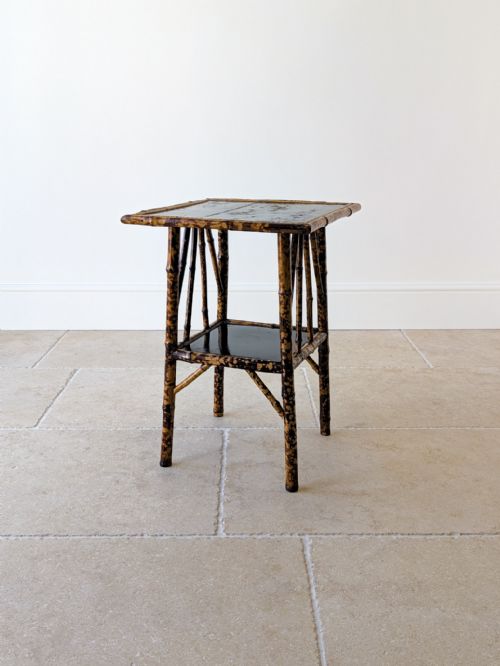
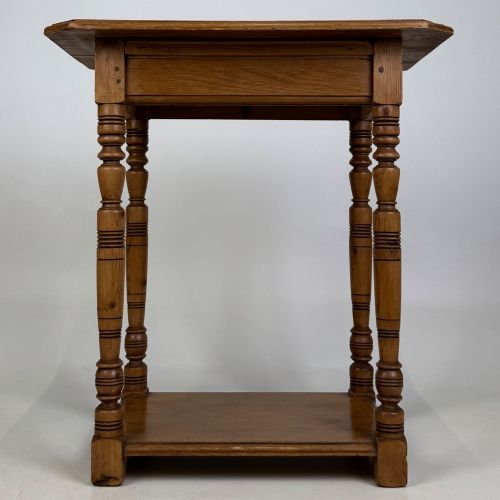
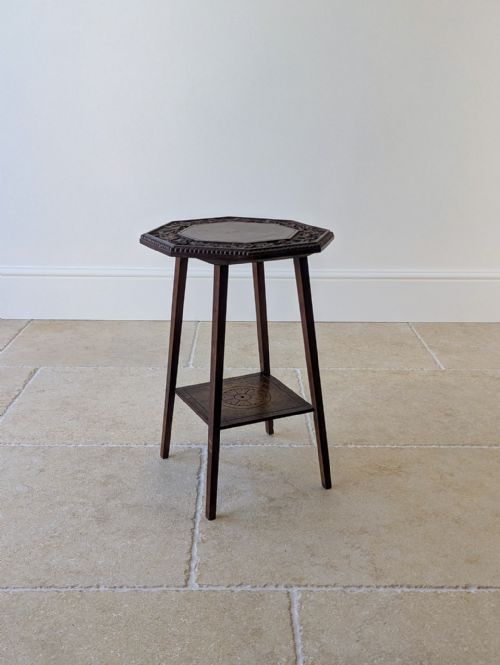
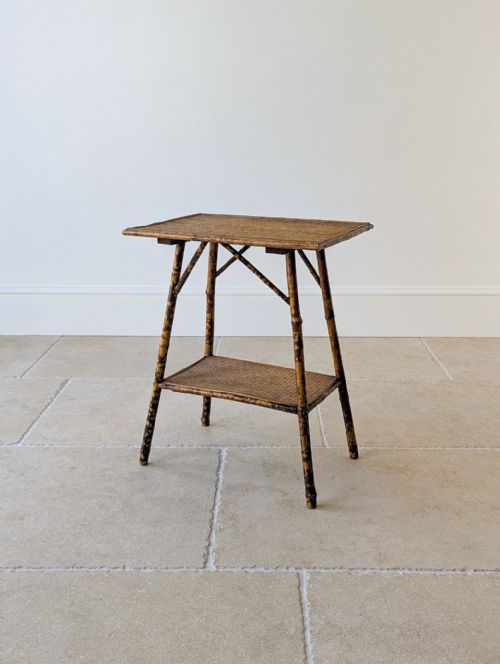
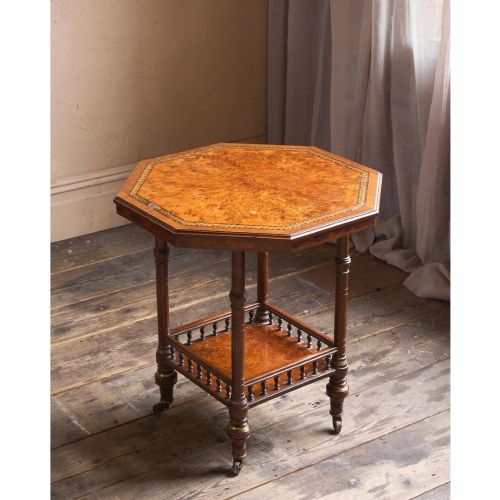
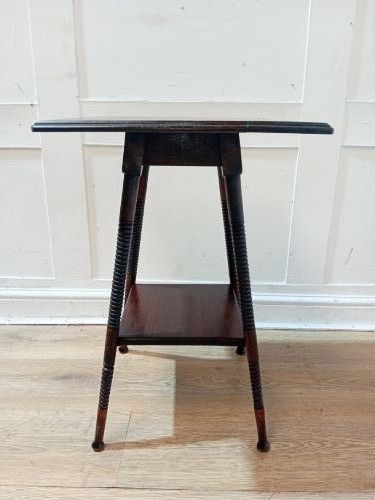
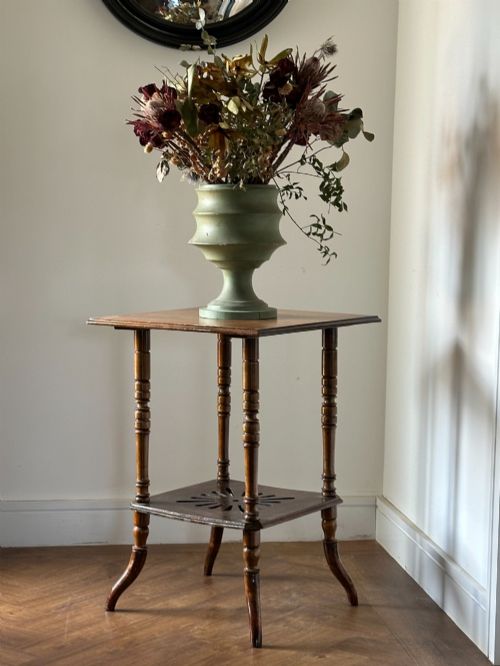
These Victorian tiered lamp pieces are multi-level timber stands designed to hold lighting and small objects, combining utility with distinct nineteenth-century decorative character.
Victorian Tiered Lamp
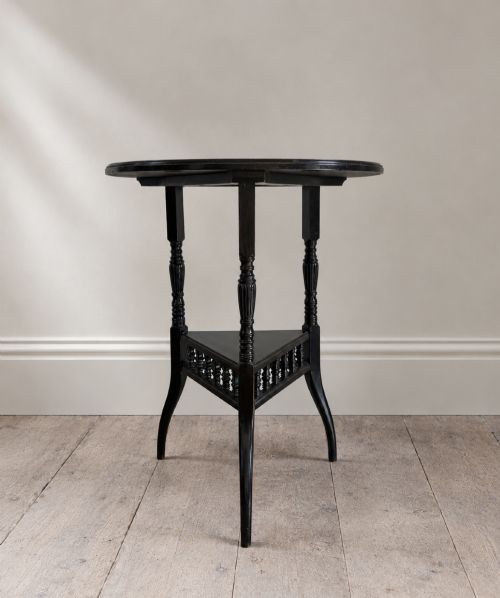
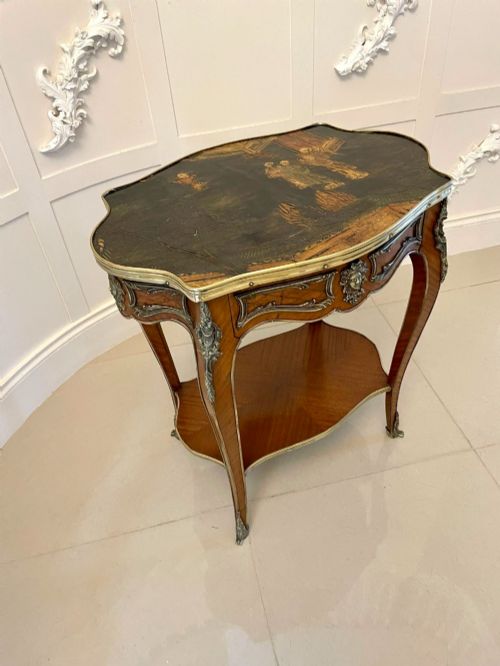
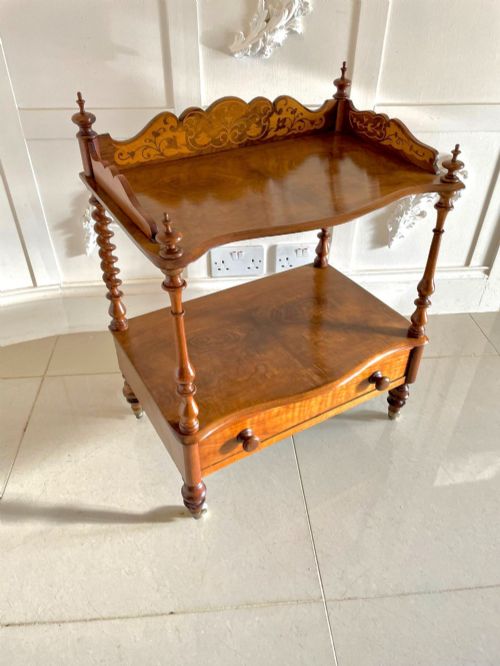
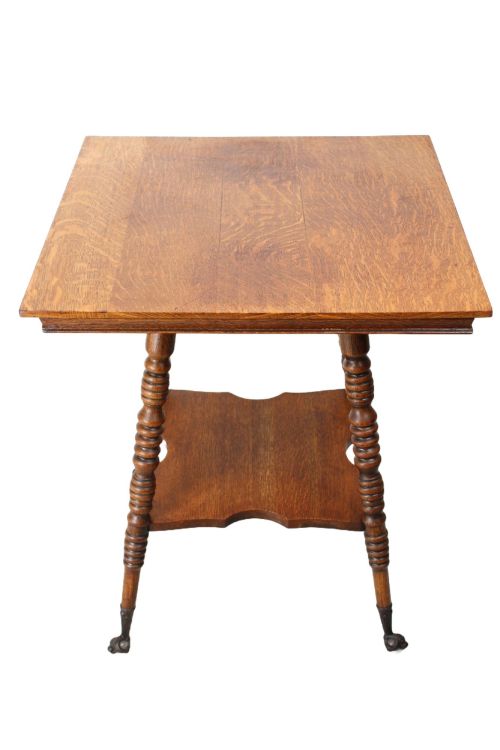
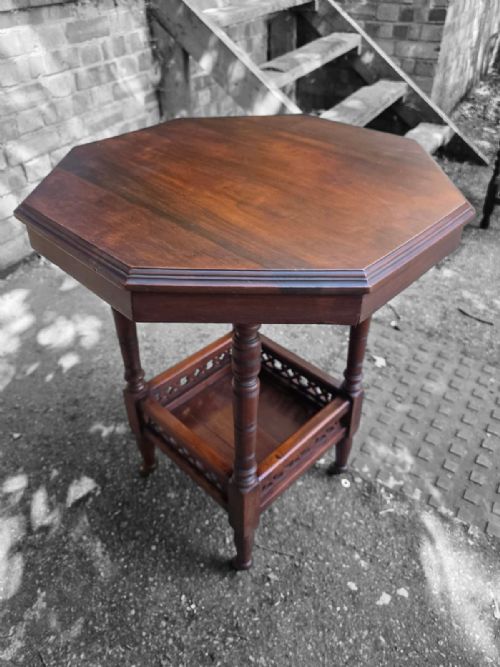
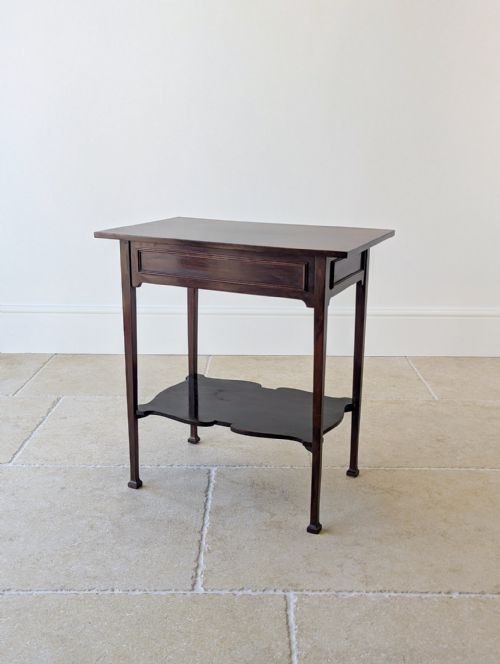
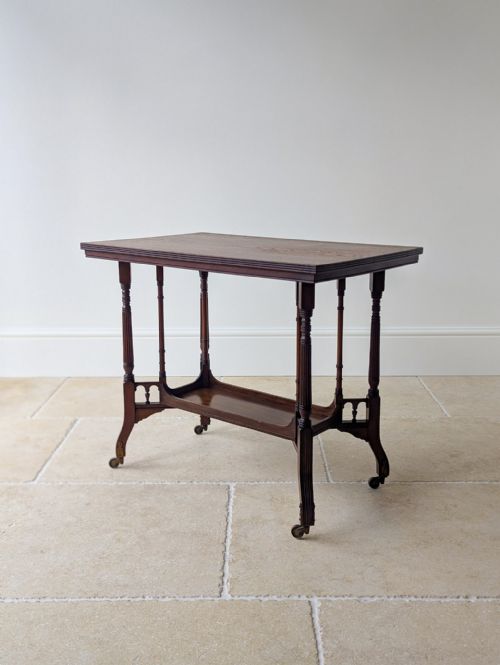
A victorian tiered lamp takes the form of small occasional, side, or lamp tables built with multiple surfaces to hold lighting and decorative items. These timber stands emerge from the nineteenth century, spanning periods from the eighteen-sixties through to nineteen-hundred.
Buyers look for these tables to place beside seating or in corners where a compact footprint is required. Their multiple shelves or tiers offer functional display space without dominating a room.
Materials and Construction
Makers utilised a variety of solid timbers and veneers, predominantly mahogany, walnut, and oak, often enriched with exotic woods like rosewood, amboyna, or kingwood. Ebonised hardwood and bamboo also appear frequently, reflecting the eclectic material palette of the period.
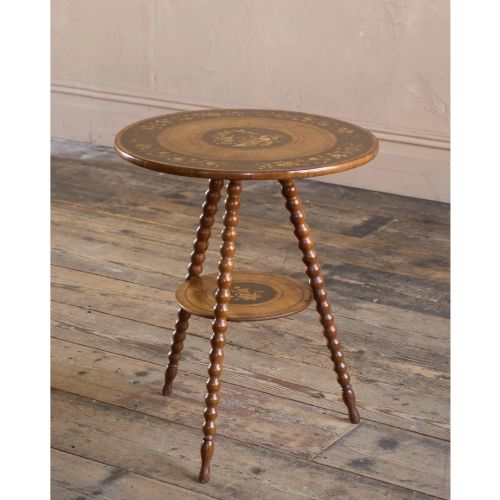
Joinery techniques combined traditional cabinet-making methods with decorative turning, bobbin legs, or ormolu mounts. Surfaces frequently incorporated marquetry inlay or hand-painted details to satisfy contemporary tastes for artistic and revivalist design.
Listings feature oak, mahogany, walnut, and bamboo alongside ebonised hardwood, spanning the Victorian and Edwardian eras.
Indicators of Excellence
Superior examples distinguish themselves through the choice of timber figure, such as burr walnut or figured mahogany, paired with meticulous marquetry or fine inlay work. The reputation of the maker, whether a known London firm or a notable workshop, elevates the standing of a piece.
Construction rigidity and the crispness of turned or carved elements separate workshop production from mass output. Finer tables exhibit balanced proportions, tight joinery, and thoughtful integration of secondary tiers that remain stable under weight.
Gregory and Co·Gillows·Liberty of London·William Birch·Collingson and Lock
The Victorian Tiered Lamp Glossary
- Aesthetic Movement
- A late nineteenth-century design style emphasising visual beauty over narrative content, often drawing inspiration from Japanese art and employing ebonised finishes.
- Occasional Table
- A small, movable table designed for a specific, non-central function in a room, such as holding a lamp or book.
- Tiered Table
- A multi-level piece of furniture featuring stacked platforms or shelves supported by columns or legs to increase usable surface area.
- Marquetry
- Decorative veneer work arranged in geometric or pictorial patterns on the surface of a piece of furniture.
- Ebonised
- Timber treated with a dark finish to imitate expensive ebony wood, commonly seen in Aesthetic Movement furniture.
Victorian Tiered Lamp: Frequently Asked Questions
What is a victorian tiered lamp table used for?
These tables provide a sturdy, elevated surface for placing oil lamps or electric lights while offering additional lower shelves for books or small decorative objects.
Their compact dimensions make them suited for placement beside armchairs or in hallways where floor space is limited.
How do I identify an Aesthetic Movement piece?
Look for ebonised wood finishes, simple geometric lines, and design motifs influenced by Japanese art and craftsmanship.
Many of these examples incorporate bamboo or contrasting wood inlays that depart from heavy Victorian revival styles.
Are bamboo tables genuinely Victorian?
Yes, bamboo furniture enjoyed immense popularity during the late nineteenth century as part of the craze for Anglo-Japanese interiors.
Makers combined bamboo frames with leather tops or lacquer panels to create lightweight occasional stands.
How do I care for wood surfaces?
Keep wooden furniture away from direct heat sources and strong sunlight to prevent the timber and veneers from drying out or splitting.
Dust regularly with a dry cloth and apply occasional wax polish suited to antique furniture to maintain the finish.