

Victorian Three Over Three
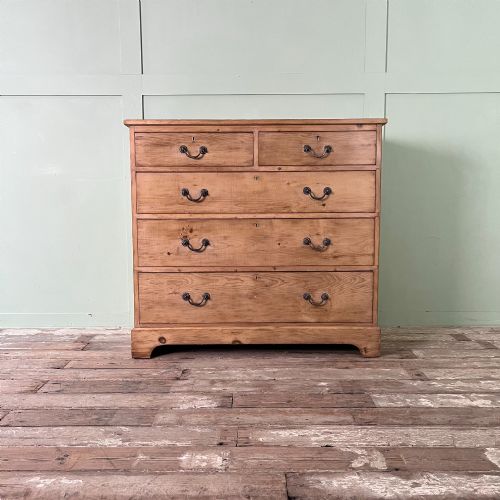
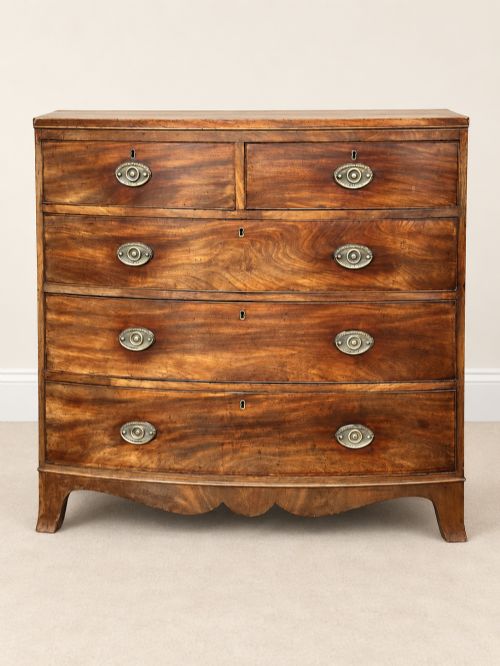
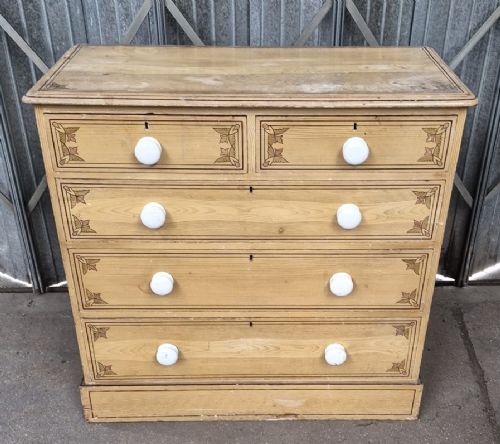
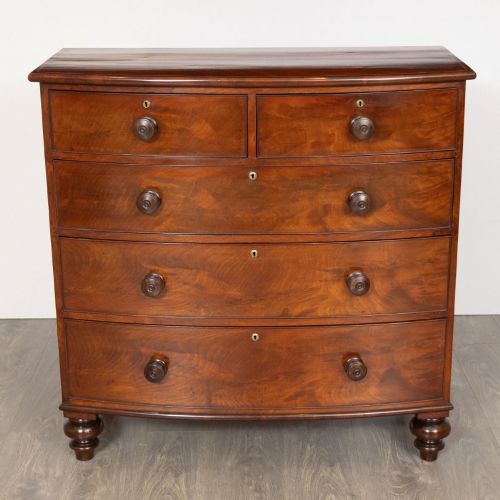
When you search for victorian three over three, you encounter sturdy chests of drawers built for daily bedroom storage during the nineteenth century.
Victorian Three Over Three
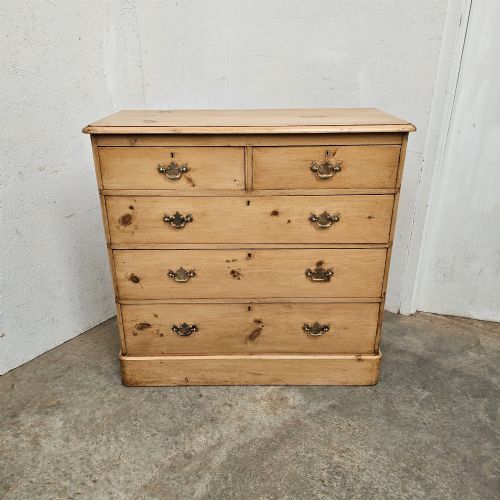
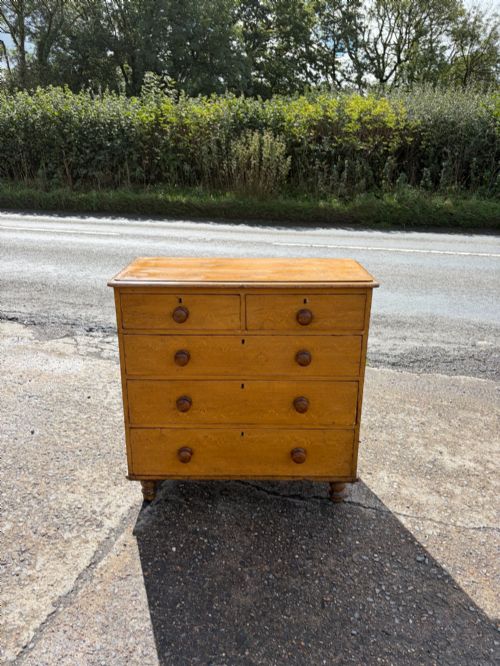
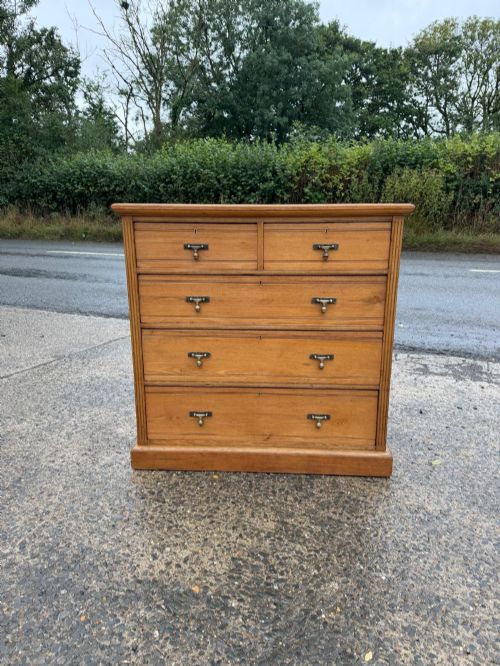
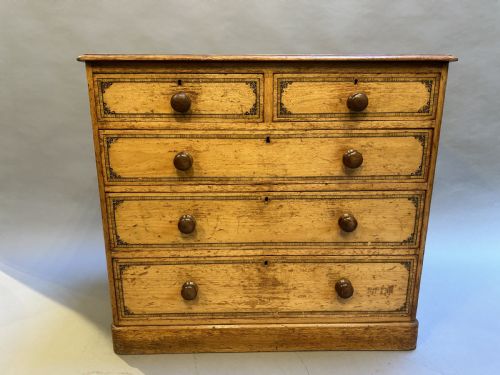
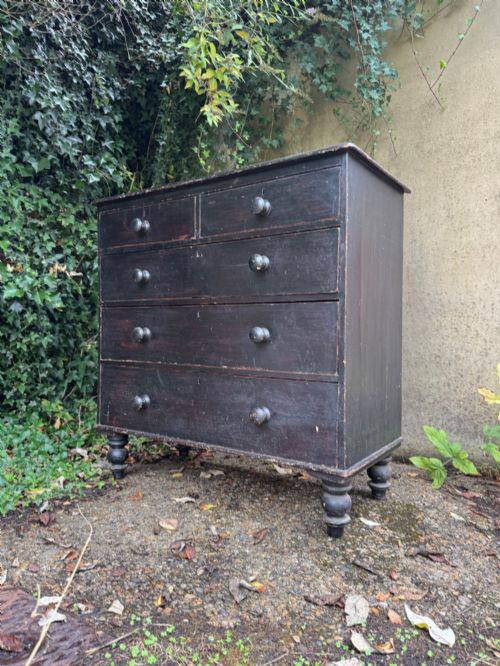
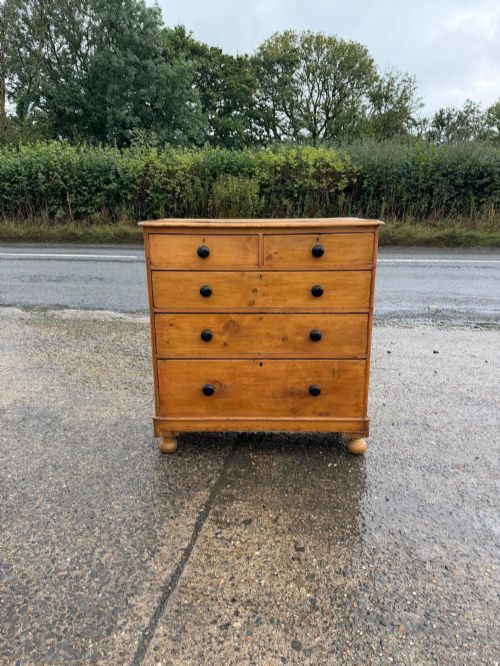
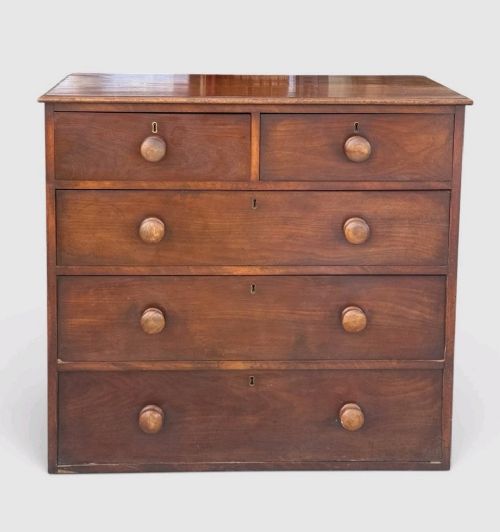
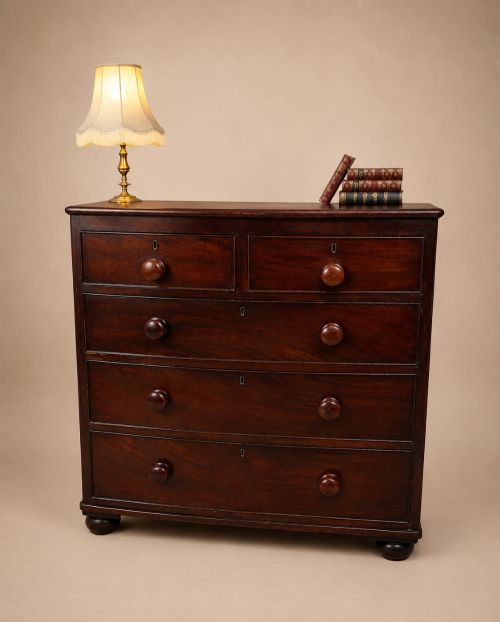
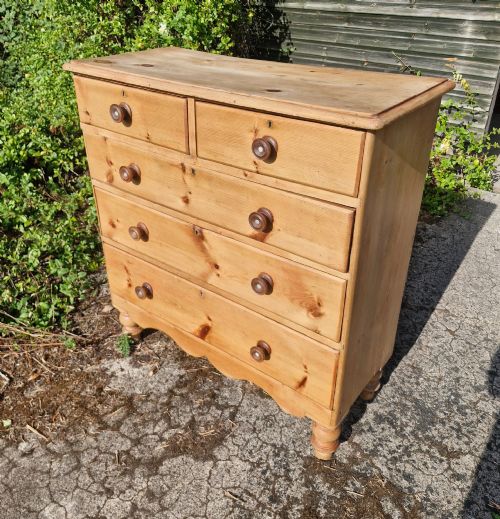
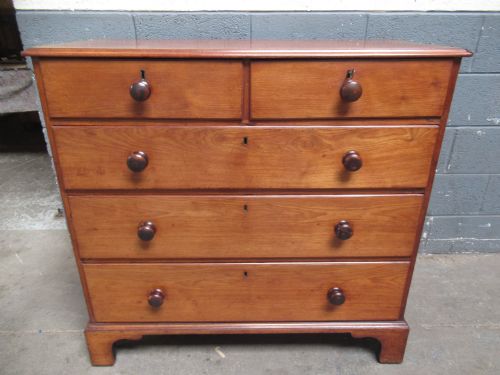
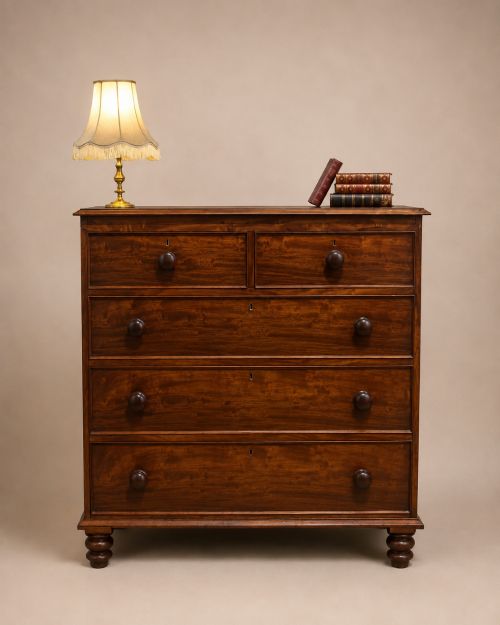
A victorian three over three search brings up substantial wooden chests of drawers designed to hold clothing and domestic items. These pieces typically display a traditional arrangement of smaller drawers positioned above larger ones.
Most examples found here date from the nineteenth century, spanning periods from early Victorian decades through to the Edwardian era. The most common forms rely on sturdy timbers and straightforward rectangular proportions intended for domestic bedchambers.
Makers utilised various regional woods, resulting in finishes ranging from painted surfaces to rich mahogany veneers. Buyers encounter both utilitarian country pieces and more refined urban examples within this category.
Materials and construction
Cabinet makers built these pieces using solid timbers such as pine and mahogany, often applying flame mahogany or satinwood veneers to primary display surfaces. Workshops utilised brass for drawer pulls and escutcheons, adding functional metalwork to the wooden frames.
Surface treatments varied from clear polish to original paint, stencilling, and scumbled finishes that imitated more costly woods. Joinery methods relied on traditional dovetailing for the drawer boxes, ensuring durability through generations of daily use.
The archive records occasional smaller miniature chests alongside full scale bedroom storage furniture.
Evaluating craftsmanship
Quality rests in the selection of timbers and the precision of the cabinetwork rather than surface decoration alone. Pieces utilising figured mahogany veneers or carefully matched burr ash demonstrate higher workshop skill than plain utility items.
The survival of original surface finishes, from early paint to polished brass fittings, elevates a piece above those stripped or altered in later decades. Structural integrity in the drawer runners and carcase determines the daily utility of the chest.
Howard and Sons
The Victorian Three Over Three Glossary
- Bow front
- A convex curved chest front that projects outward in a smooth arc. This curved profile requires specialised woodworking skill.
- Scumbled
- A paint finish applied in translucent layers to simulate the grain of more expensive hardwoods. Artisans used this technique on pine furniture.
- Flame mahogany
- A veneer cut from the branch junction of a mahogany tree to produce a flickering, flame-like grain pattern. Cabinet makers reserved this timber for drawer fronts.
- Aesthetic Movement
- A late nineteenth century design style emphasising simplicity and artistic expression over heavy ornamentation. Pieces from this movement often utilise ebonised wood or bamboo details.
Victorian Three Over Three: Frequently Asked Questions
How do I date a victorian chest?
Dating relies on observing timber choices, construction techniques, and handle styles across the piece. Mahogany and flame veneers often point to mid century cabinetwork, while painted pine reflects regional country production.
Changes in drawer dovetailing and secondary woods also help place an object within the broader nineteenth century timeline.
Are these chests suitable for modern bedrooms?
These pieces offer deep, practical drawer space that easily accommodates modern clothing and bedroom linens. Their solid construction ensures they function reliably as daily storage furniture.
Measuring available floor space and ceiling clearance helps integrate these substantial wooden pieces into contemporary rooms.
What woods were commonly used?
Makers predominantly used pine for utilitarian country furniture and mahogany for more formal urban pieces. Other woods like satinwood, birch, ash, and walnut appear across various regional workshops.
Veneers of flame mahogany or burr ash were frequently applied to drawer fronts for decorative effect.