



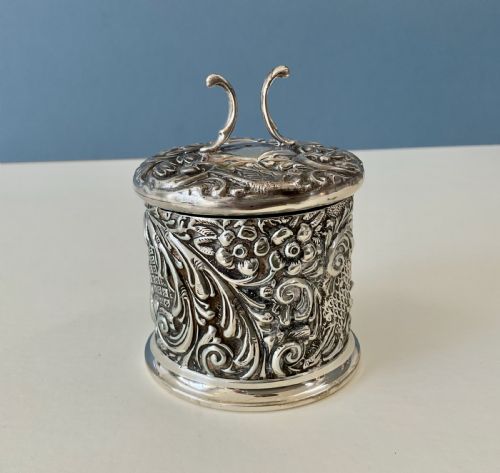

Victorian Thread Holder
These Victorian thread holder pieces bring practical utility and nineteenth-century charm to your sewing space.
Victorian Thread Holder
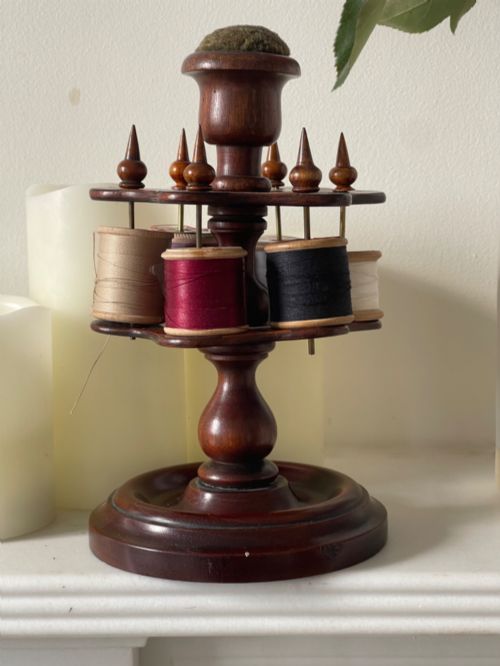
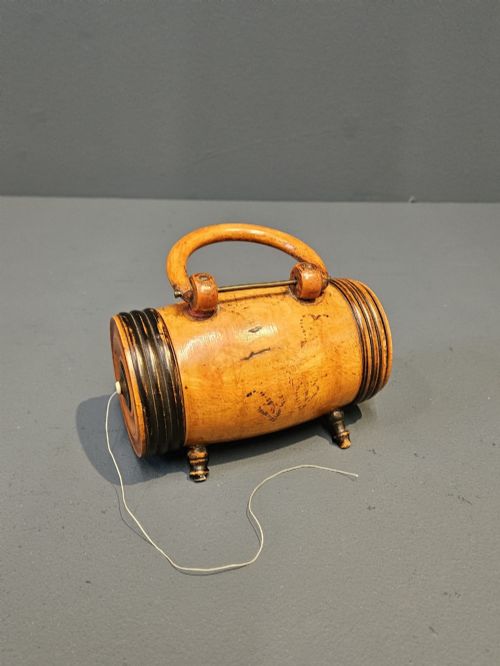
A victorian thread holder encompasses sewing accessories and string boxes designed to keep cotton reels, silk skeins, and twine organised on a desk or table. You will frequently encounter turned hardwood stands, fruitwood barrels, and sterling silver pieces from the nineteenth century.
The selection ranges from tabletop display trees and double-ended string barrels to chatelaine accessories and shop fittings. These functional items reflect the domestic and retail sewing habits of the period, often incorporating pin cushions or multiple tiers for cotton reels.
Originating predominantly from English and Scottish workshops, these objects serve both utilitarian and decorative purposes. Their diverse forms demonstrate the ingenuity applied to haberdashery storage during the Victorian and Edwardian eras.
How they were made
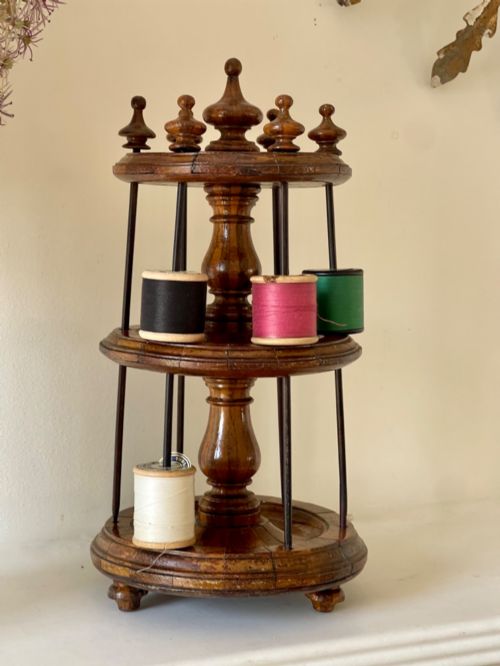
Craftsmen utilised turned hardwood, fruitwood, and mahogany to shape barrels, stands, and display trees using a lathe. These wooden items rely on precise carpentry and neat joinery to form functional tiers and compartments for cotton.
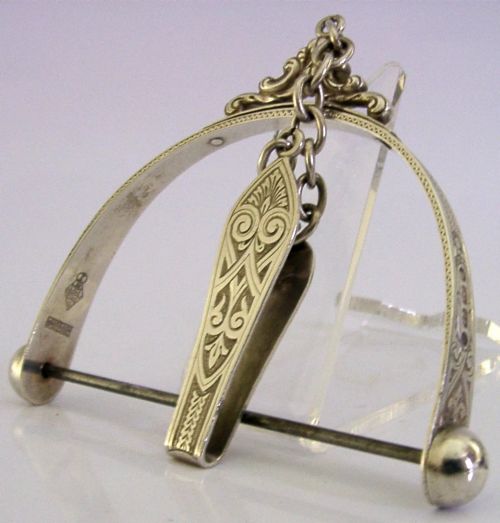
Metalworking techniques appear in brass and sterling silver examples, featuring cast structures and pierced floral scrollwork. Artisans applied detailed surface decoration to precious metals while maintaining the robust inner mechanisms required for holding thread and string.
Victorian Thread Holder Retail Price Guide 2026
Typical asking prices for victorian thread holder among the pieces listed under this phrase on Sellingantiques today, from the lower quarter to the upper quarter. They describe what is for sale here now, not the wider market.
Listings feature items spanning the nineteenth century through the Edwardian period, constructed from wood, brass, and sterling silver.
What varies in quality
The standard of a victorian thread holder rests upon the choice of material and the crispness of the turning or metalwork. Fine examples display well-balanced proportions and intricate detailing, such as pierced scrollwork or complex tiered structures.
Material selection divides simpler utility items from superior decorative pieces, with solid sterling silver and figured fruitwoods standing apart from basic metal or standard wood variants. The execution of functional elements, like ball feet or secure threaded joints, further distinguishes finer studio output.
Ermen & Roby
The Victorian Thread Holder Glossary
- String box
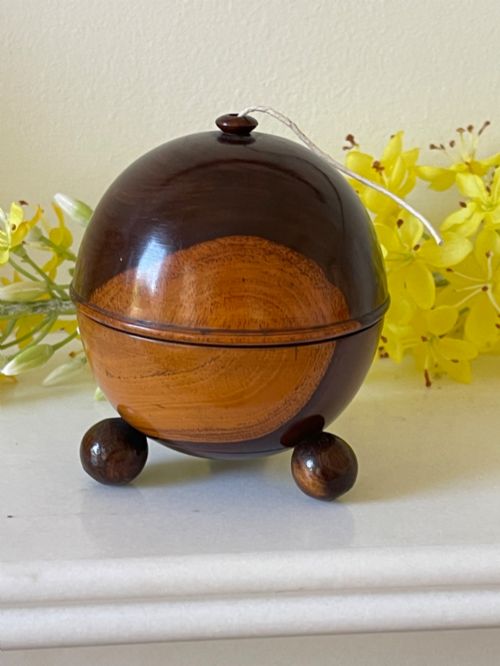
- A container designed to dispense ball twine or string through a central aperture. These items often feature turned wooden barrels or spherical bodies resting on feet.
- Cotton reel display tree
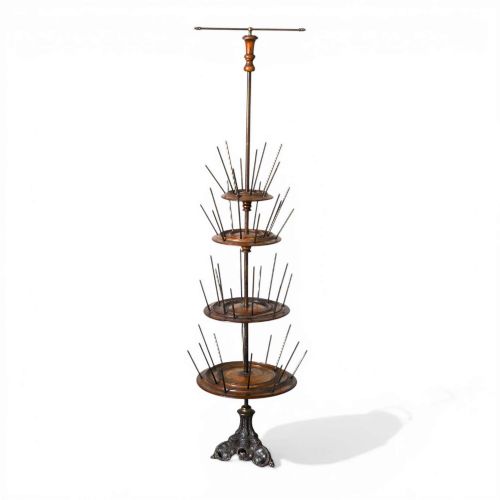
- A tiered stand used in homes or shops to organise multiple spools of sewing thread. They allow easy selection of cotton during needlework tasks.
- Chatelaine accessory
- A small decorative item suspended from a waist belt hook for household management. Thread holders of this type kept sewing necessities close to hand.
- Tunbridge ware
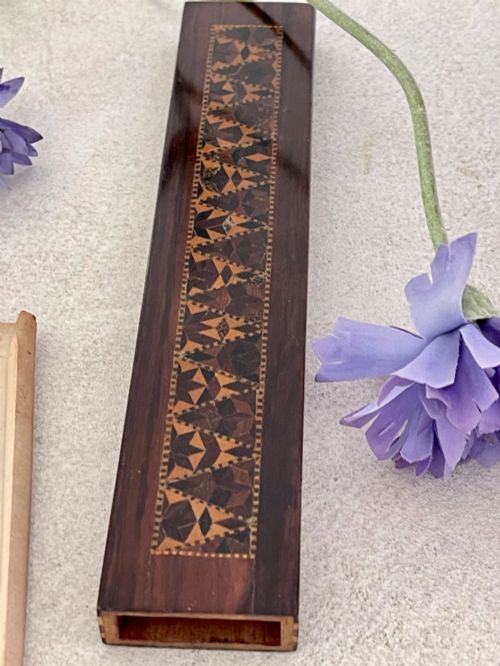
- A form of woodwork characterised by mosaic tile patterns created from different coloured woods. This technique decorates specialty items like silk skein holders.
- Haberdashery cabinet
- A retail or domestic storage unit designed for sewing equipment and notions. These pieces showcase the commercial display methods of the nineteenth century.
Victorian Thread Holder: Frequently Asked Questions
How were these holders used?
Victorian households and shops utilised these pieces to keep working threads untangled and readily accessible during sewing tasks. String boxes dispensed twine smoothly, while reel stands held multiple colours of cotton in order.
Many designs sat on desks or sewing tables, whereas smaller silver variants hung from belts for portable needlecraft.
Are these items made of silver or wood?
Surviving examples appear in both metal and wood depending on their original purpose. You will find pieces formed from turned hardwood, fruitwood, mahogany, brass, and sterling silver.
Wooden items often rely on lathe-turned construction, while silver versions frequently showcase decorative pierced scrollwork and cast components.
How do I date a thread holder?
Dating relies on material characteristics, hallmarking on silver items, and stylistic traits associated with the nineteenth and early twentieth centuries. Pieces stamped with specific maker details or assay office marks provide clear chronological clues.
General construction methods and the presence of Edwardian or Victorian design motifs help narrow down the period of manufacture.